Customizable
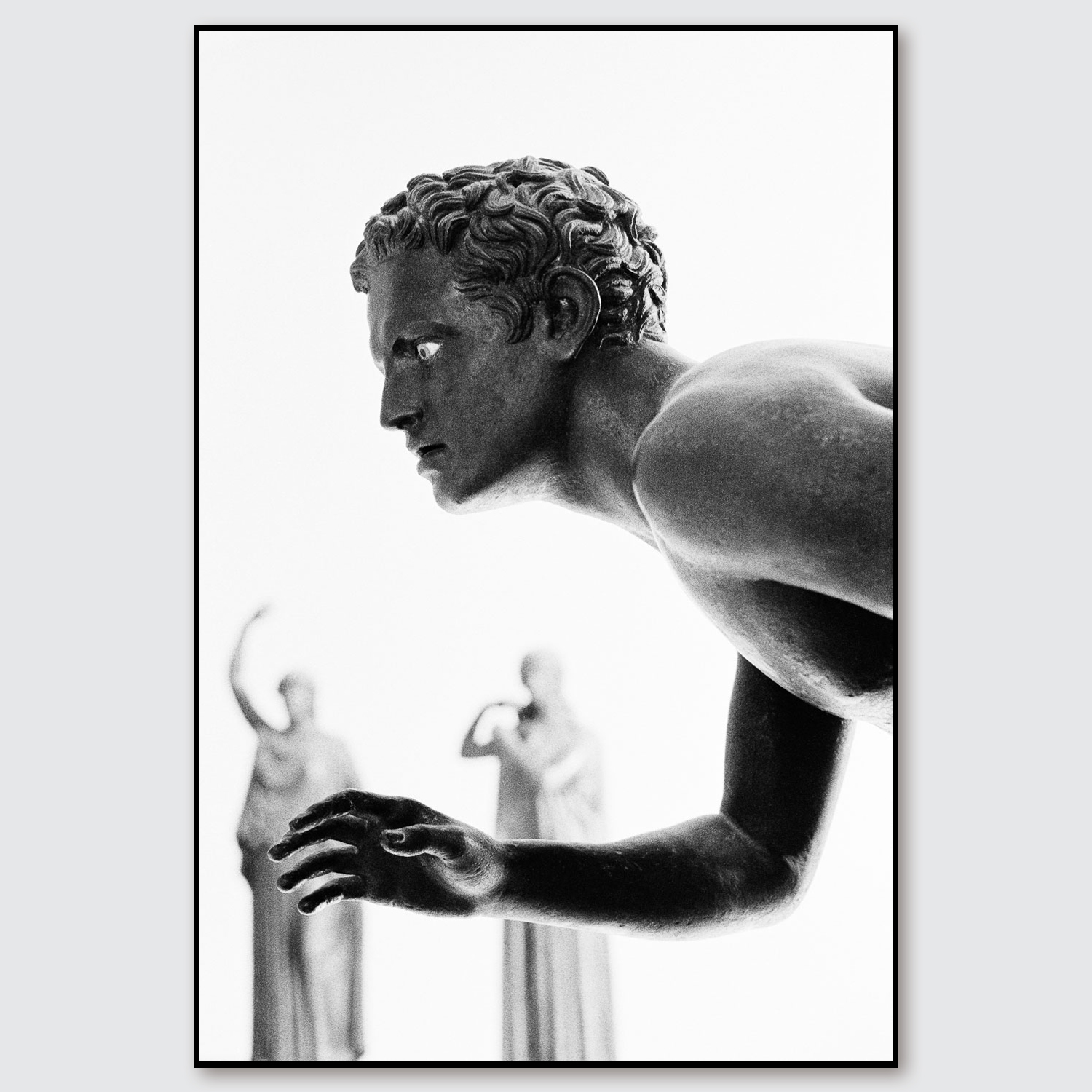
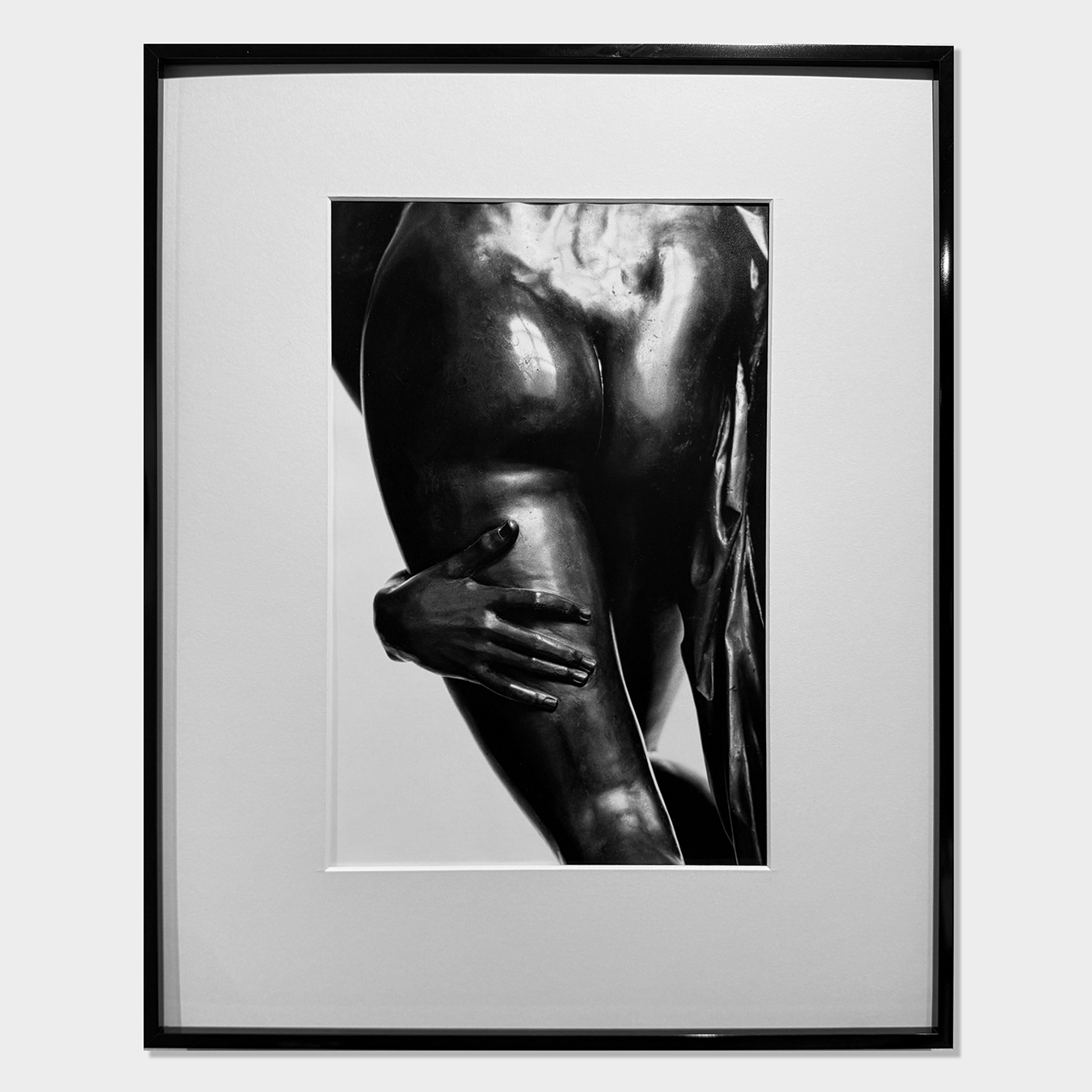
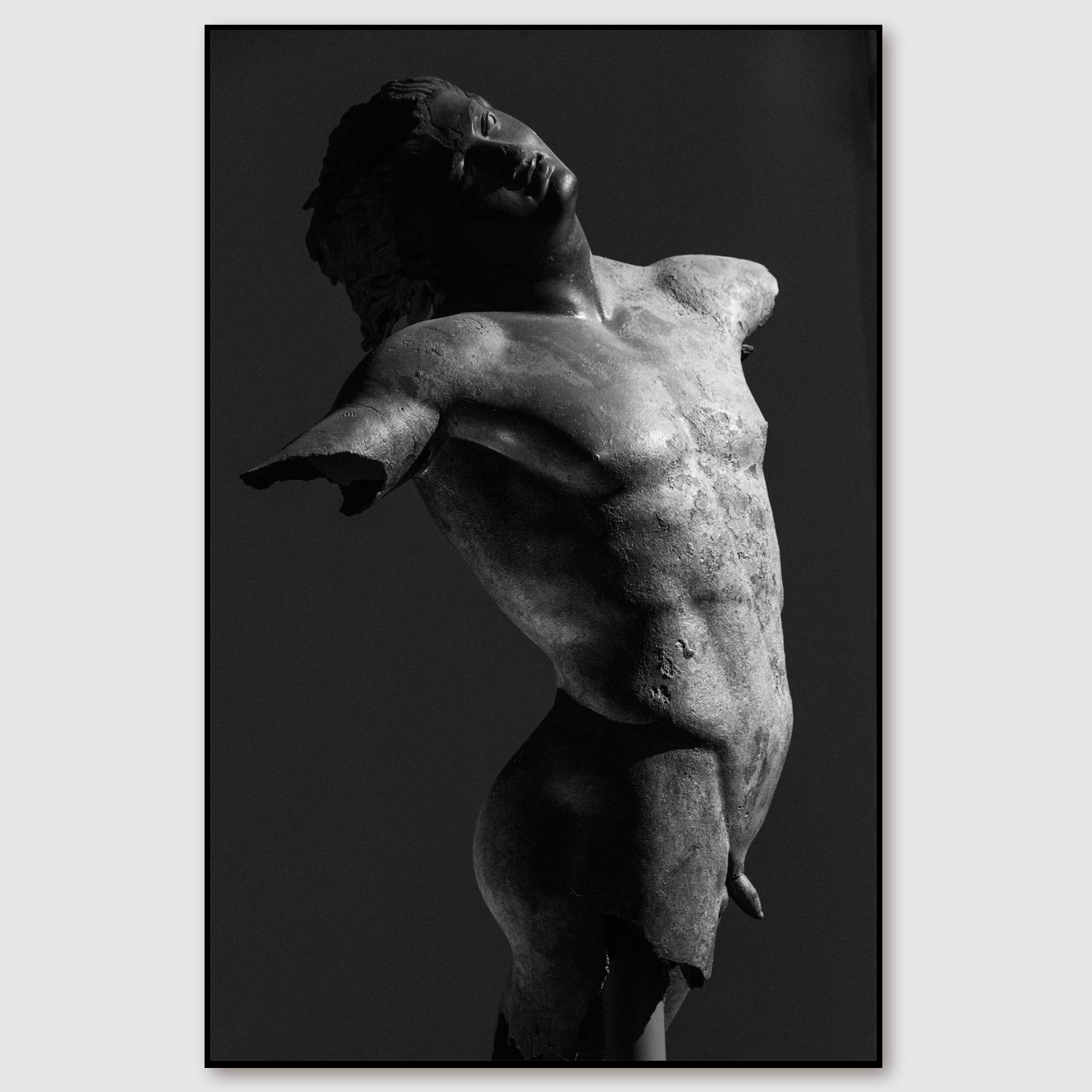
BRONZE OF HERCULANEUM, NAPLES MUSEUM (11/21)
Référence :
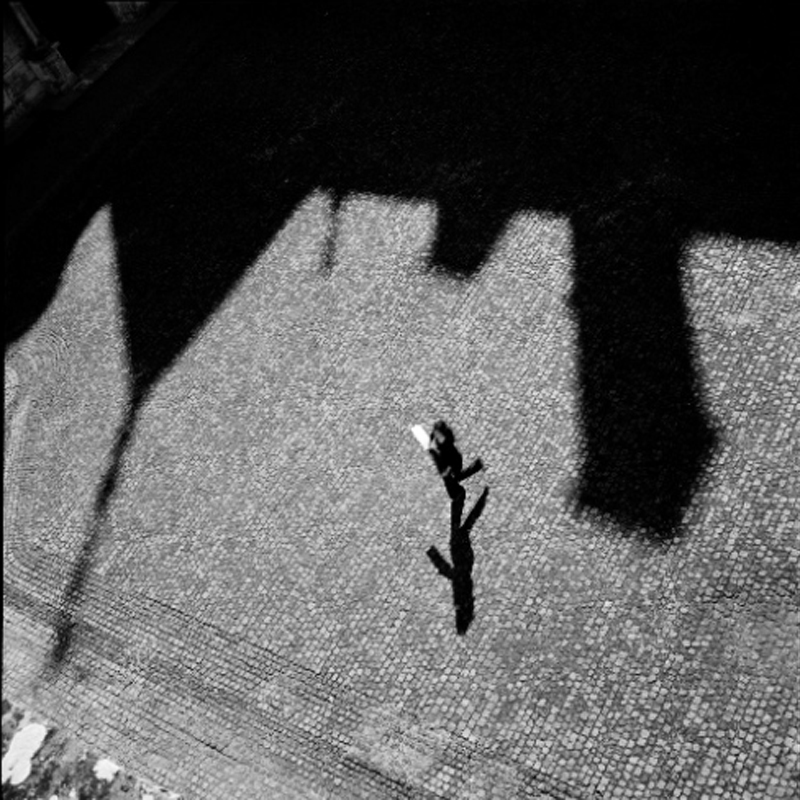
Black and white photograph of a bronze of Herculaneum from the Archaeological Museum of Naples, by Ferrante Ferranti. Two bronze sculptures of the Runners, found at Herculaneum in Italy, are kept in the National Archaeological Museum of Naples. They depict two naked young ephebes, probably two athletes caught at the start of a foot race. The two statues strike an identical pose and, except for a few details, they are physically similar. The eyes are made of bone and ivory for the eyeball, irises and pupils, on the other hand, in grey and black stone.
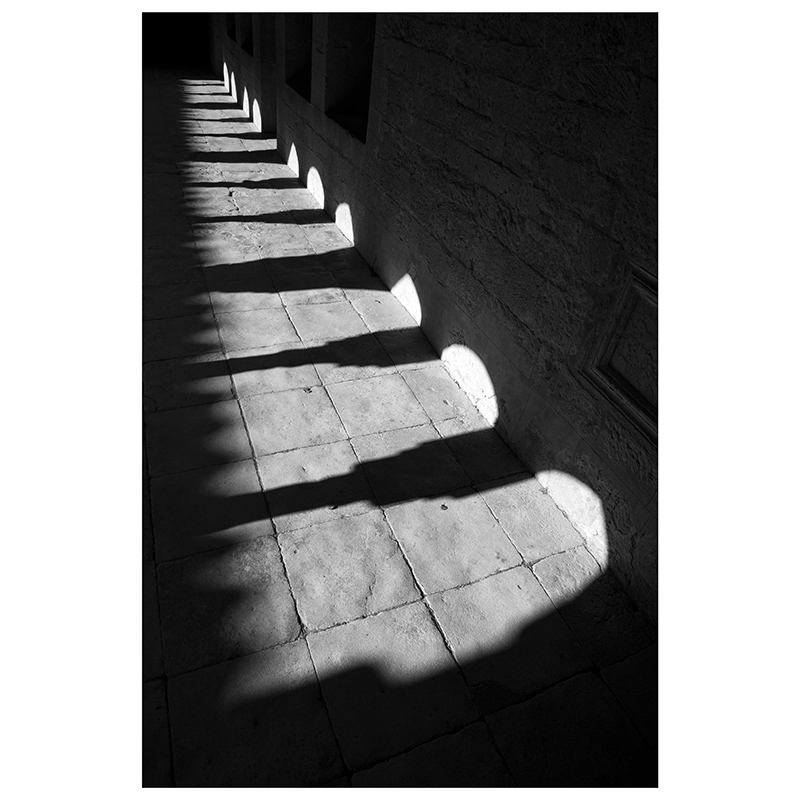
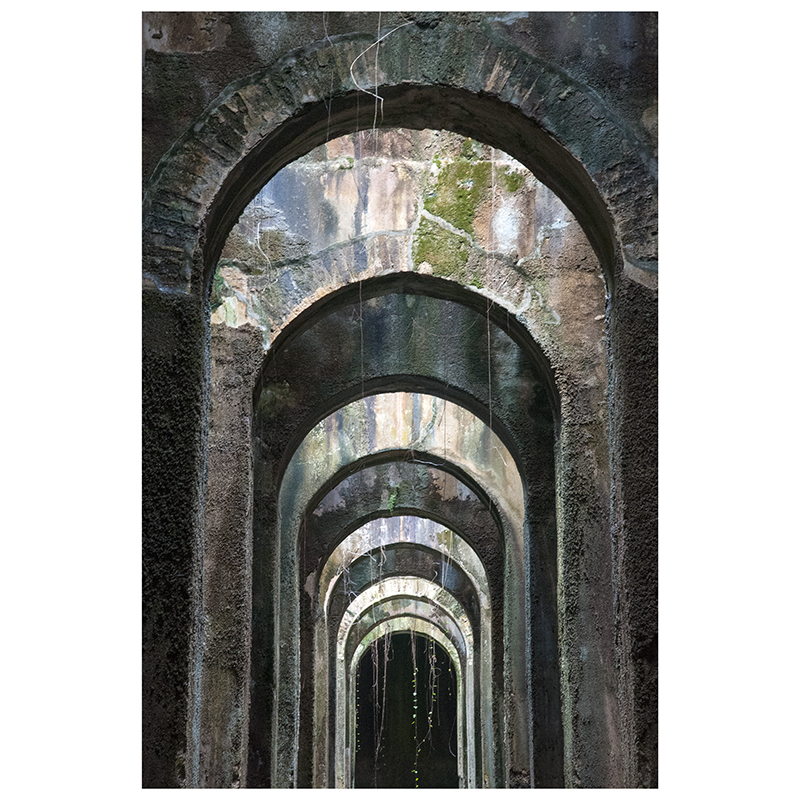
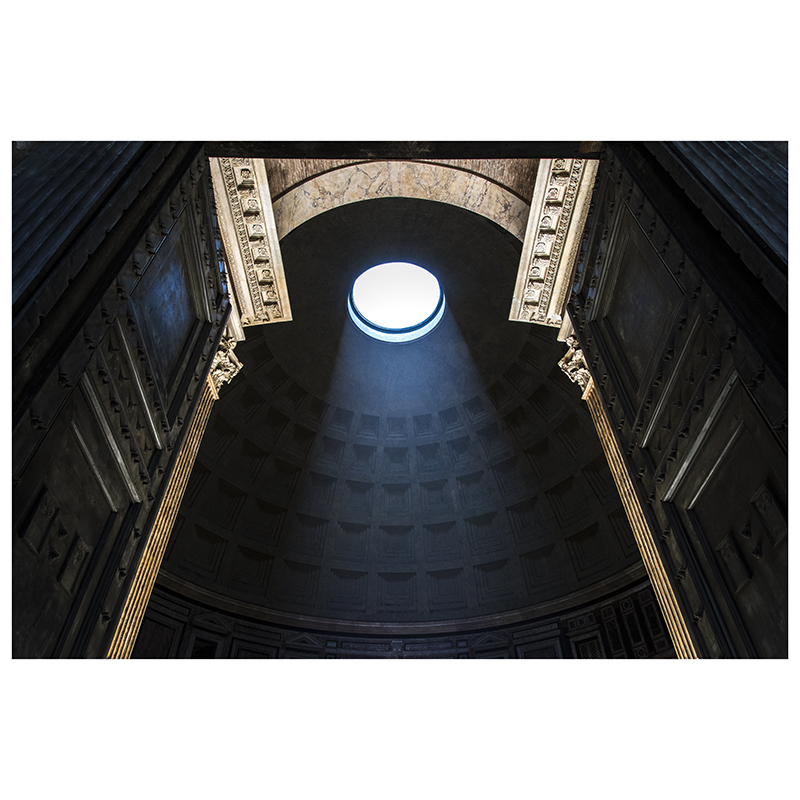
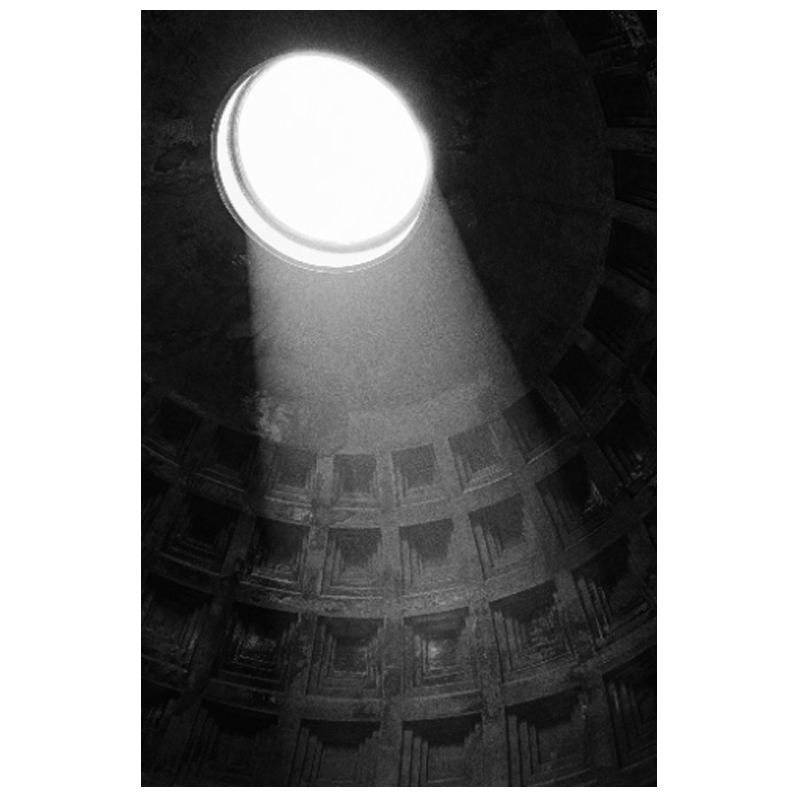
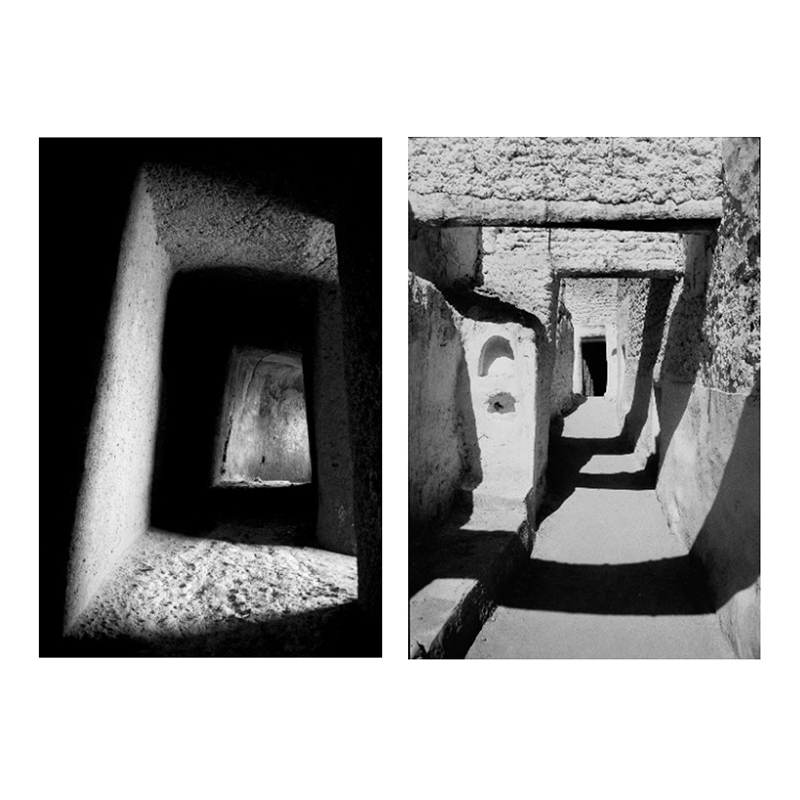
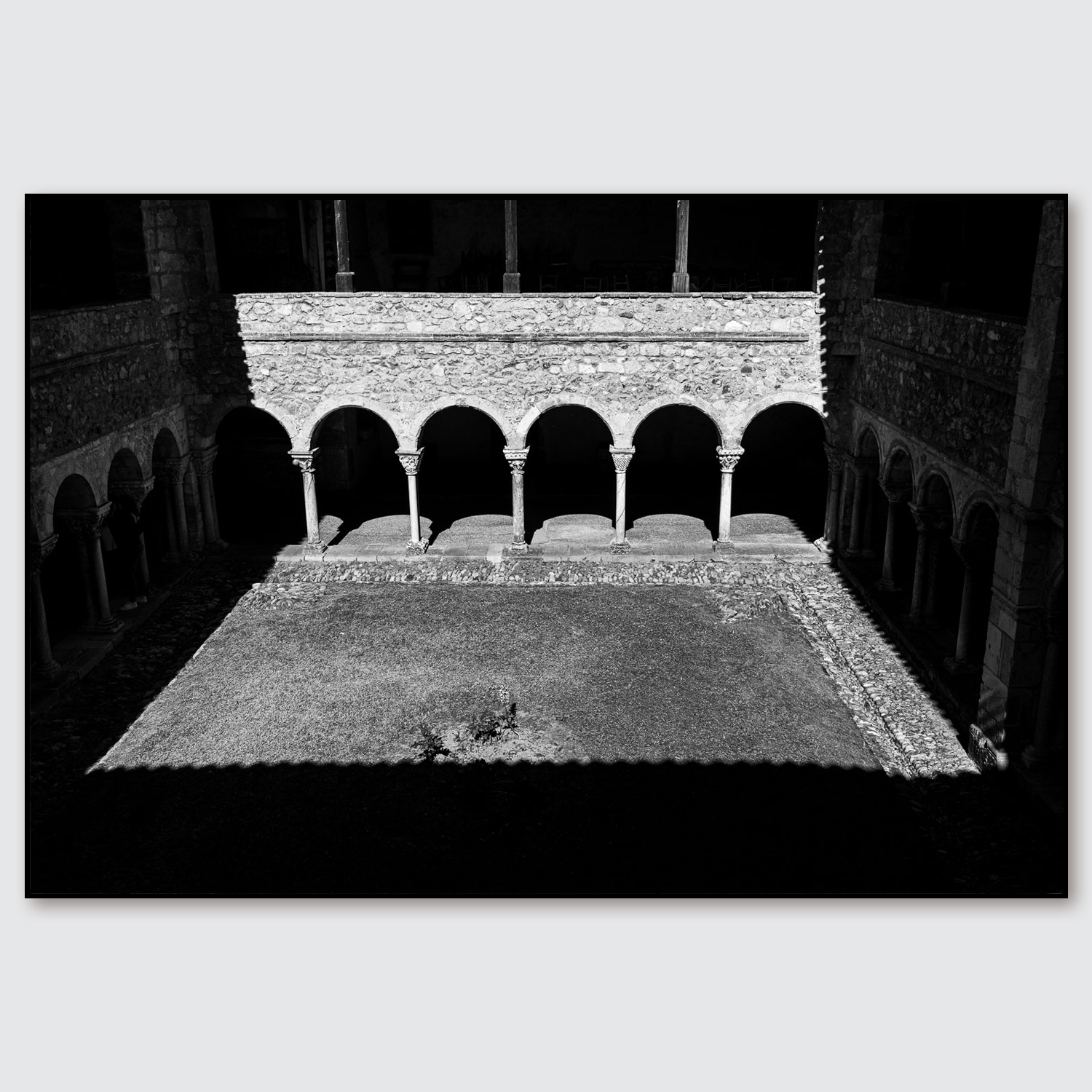
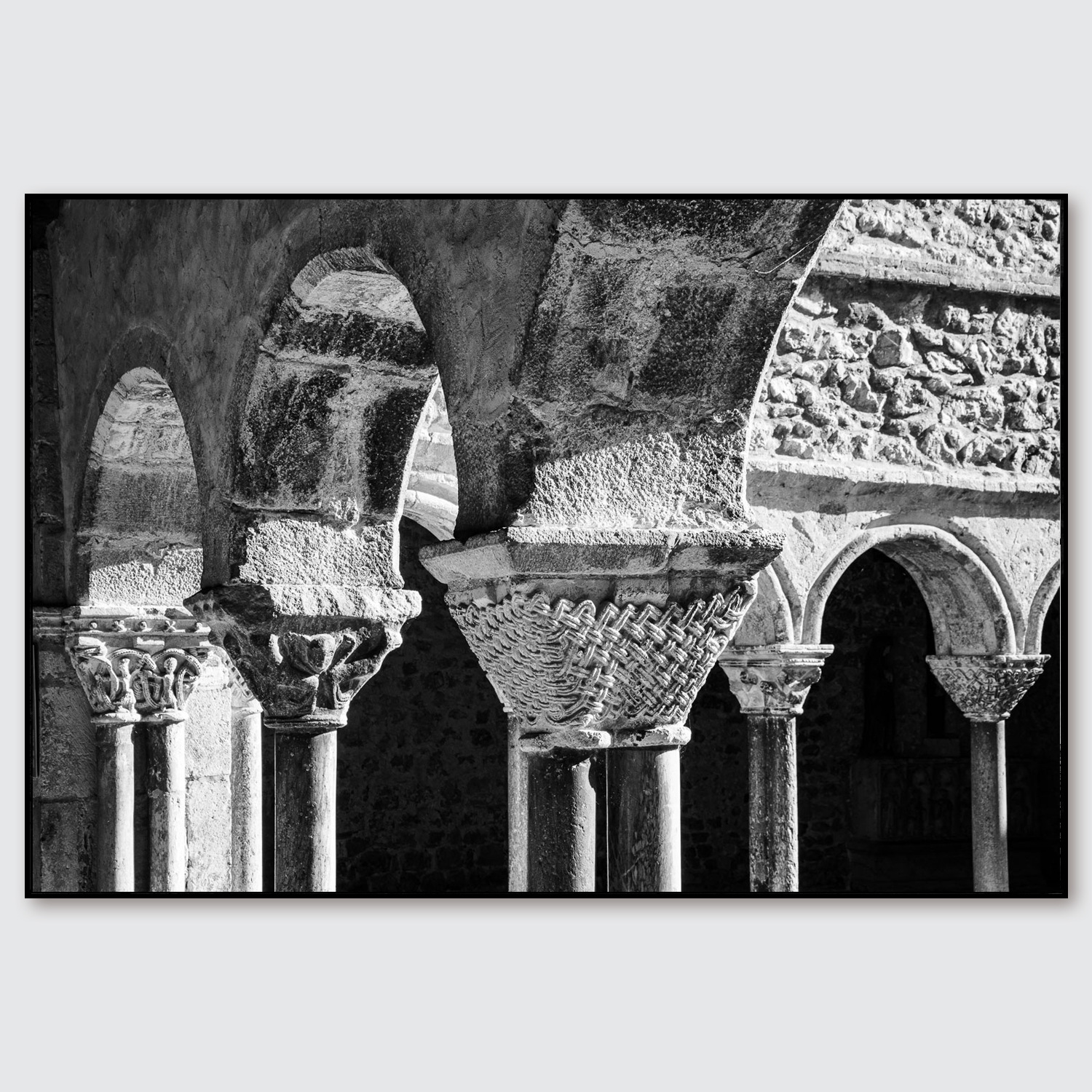
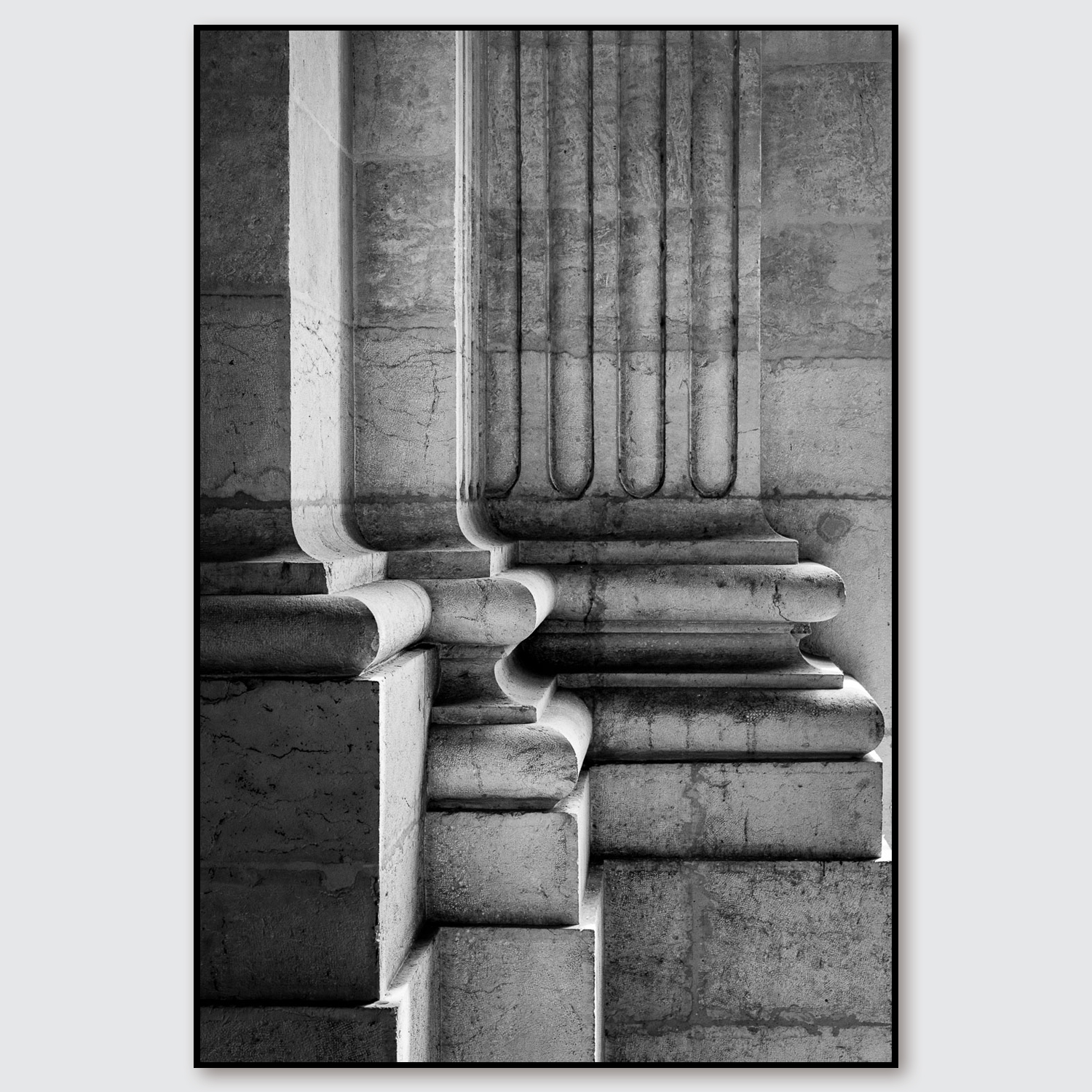
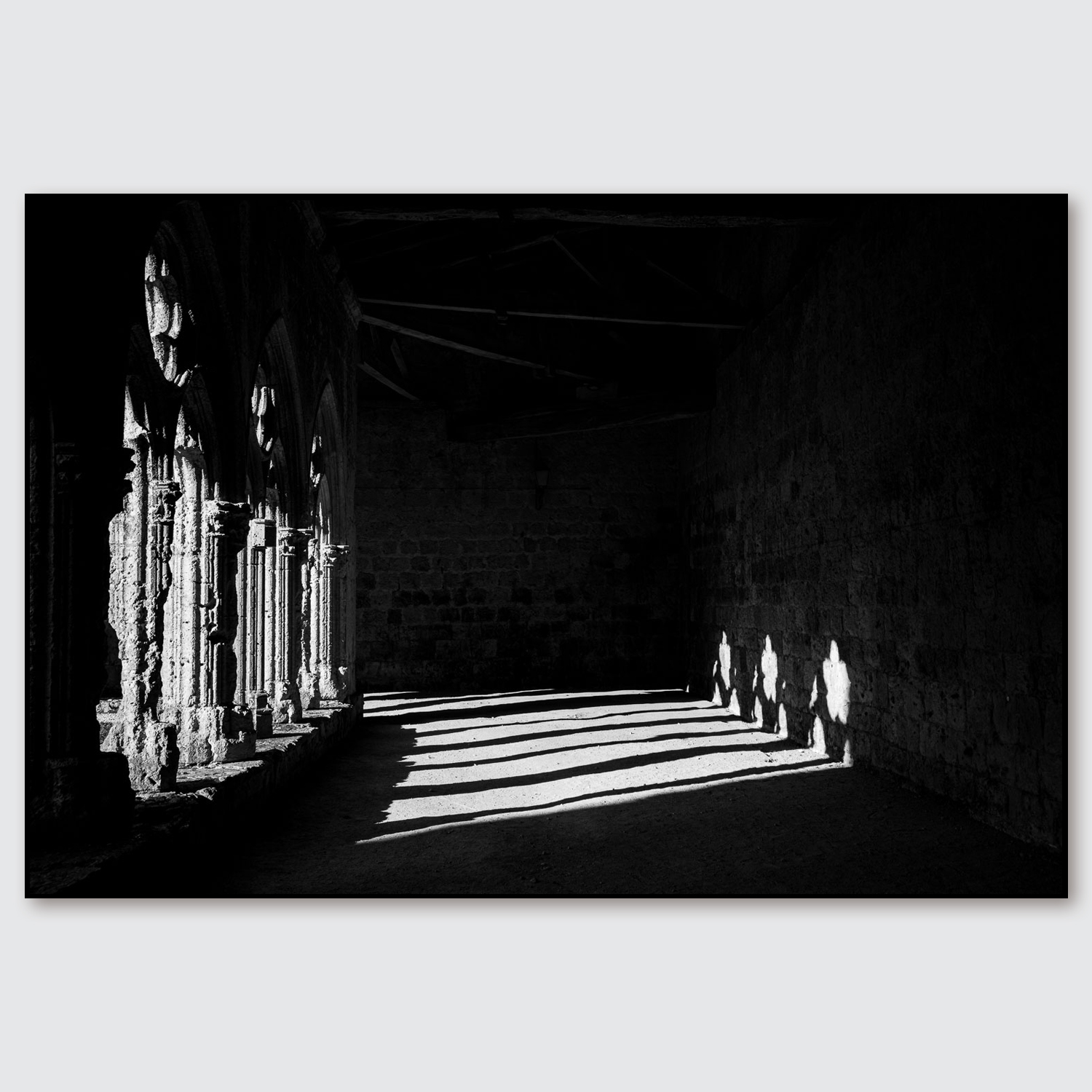
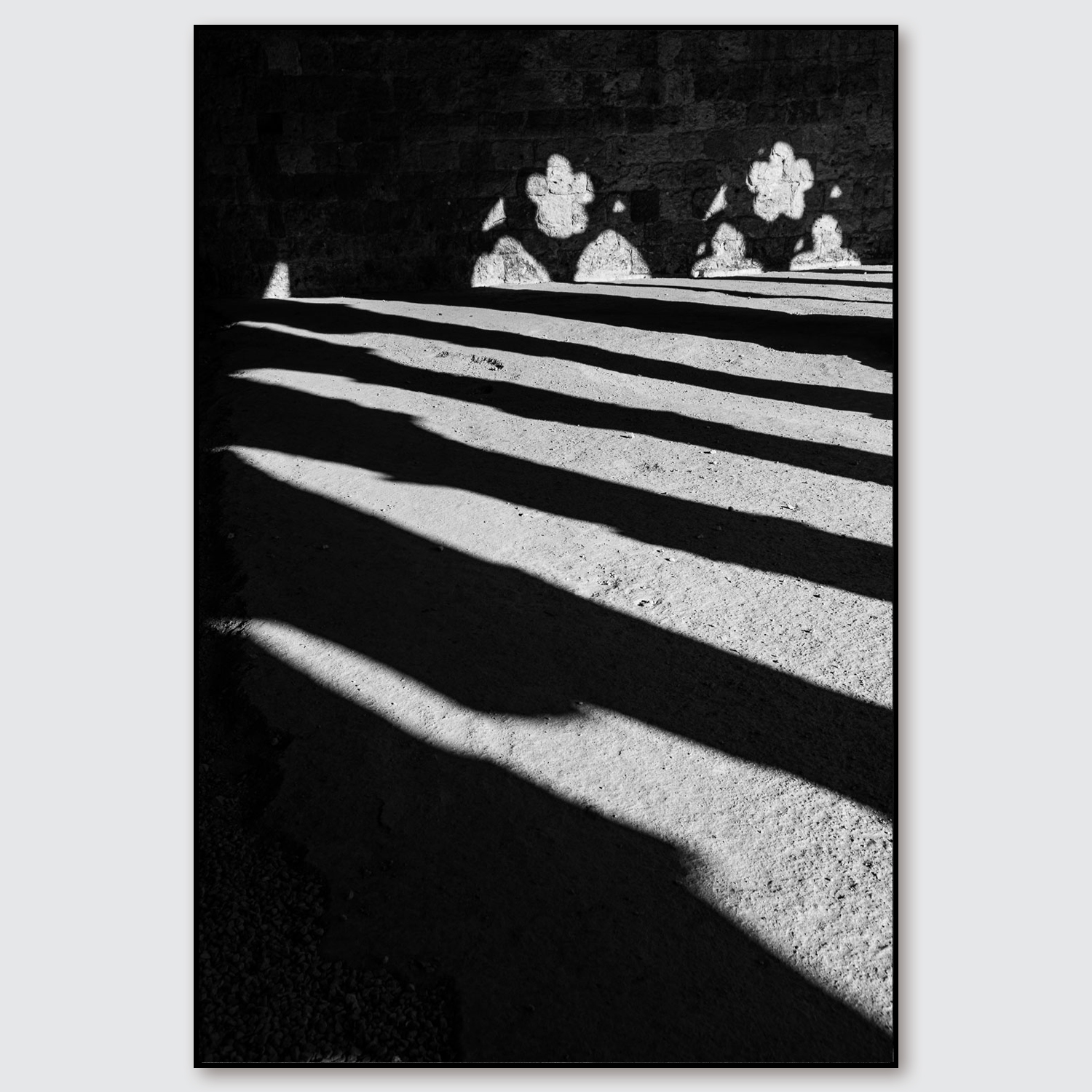
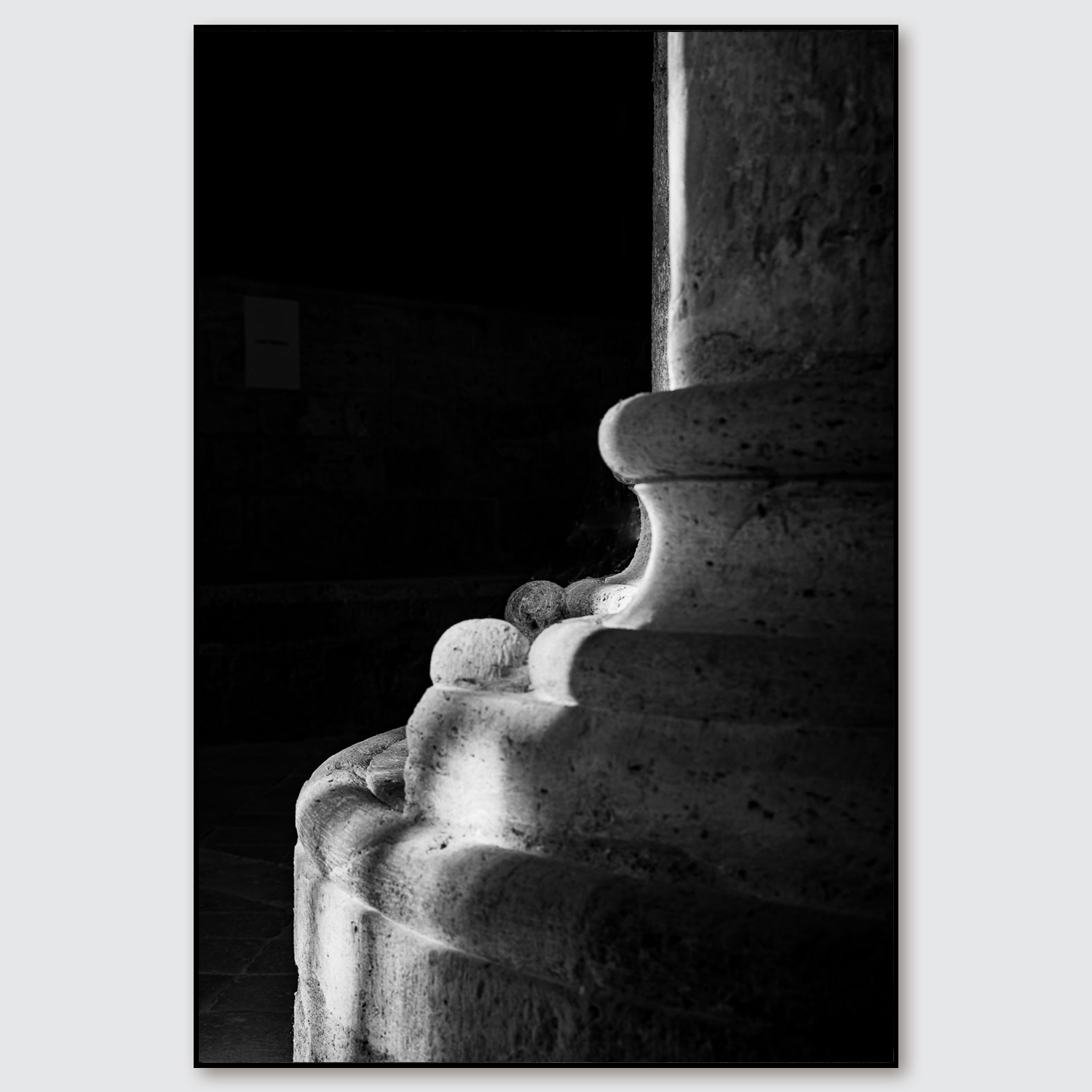
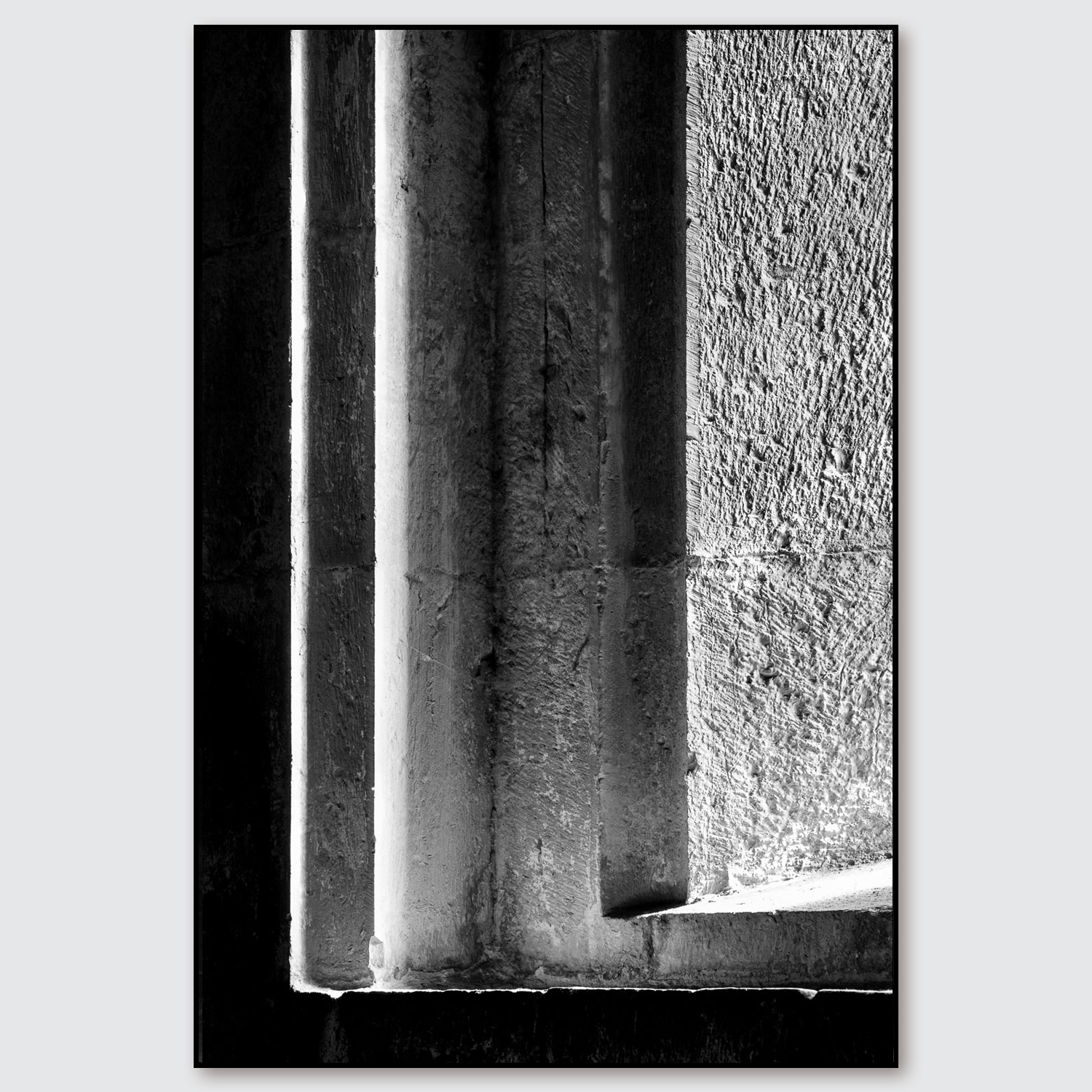
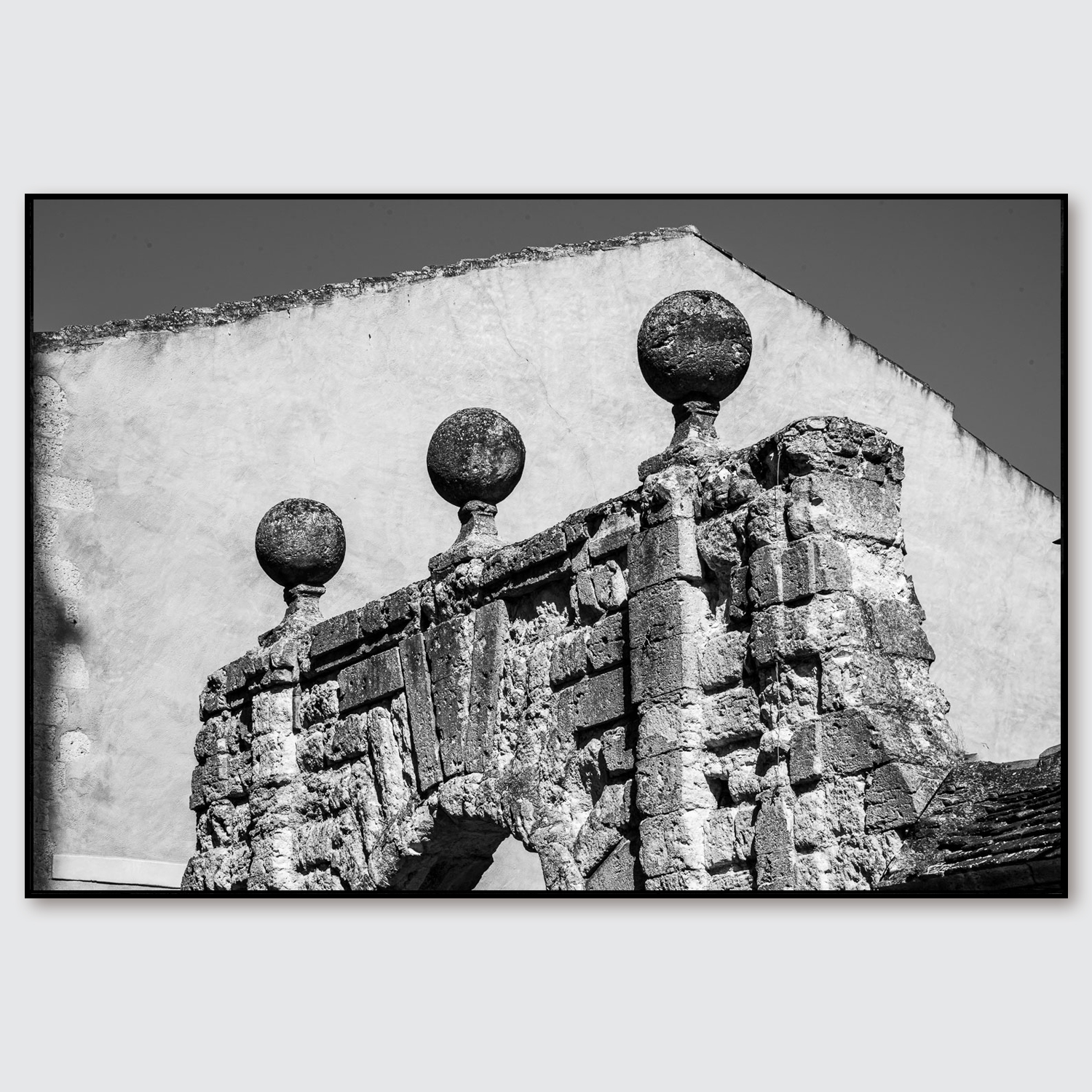
The artist explores the vestiges of the past through the play of shadows and light created by the sun on the ruins. With the soul of an archaeologist, this architect by training combines his photographic work with his passion for antiquity and the Baroque.
Length : 0.39 in / 1 cm
Height : 35.43 in / 90 cm
Width : 23.62 in / 60 cm
Weigth : 2.2 lb / 1 kg
Artist : Ferrante Ferranti
Technique : Film photography
Support: Pigment print on baryta paper (Canson Fine Art Baritta), laminated on Dibond
Dimensions: 90 x 60 cm
Number of copies: 21 signed and numbered prints
Year: 1992
Inspiration: In this image, Ferrante Ferranti depicts one of the treasures of the Villa of the Papyri of Herculaneum: two juvenile bronze figures, nicknamed the Runners, discovered buried under the ashes of Mount Vesuvius. These naked athletes, captured in a suspended pose at the start of a race, embody both the muscular energy and the formal grace of Antiquity.
Rather than faithfully reproducing the work, Ferranti creates a dialogue between light and shadow on the patina of the metal: the surfaces are sculpted as the chiaroscuro reveals the lines, volumes and textures of the material. His gaze, forged by his training as an architect and his passion for archaeology, deepens the timeless resonance of these figures, giving bronze — long frozen in the past — an almost living presence in the photographed moment.
Through this print, the image becomes more than a documentation: it invites a meditation on the vitality of the ancient gesture and the expressive force of classical forms, revealed by the light, captured by the lens.
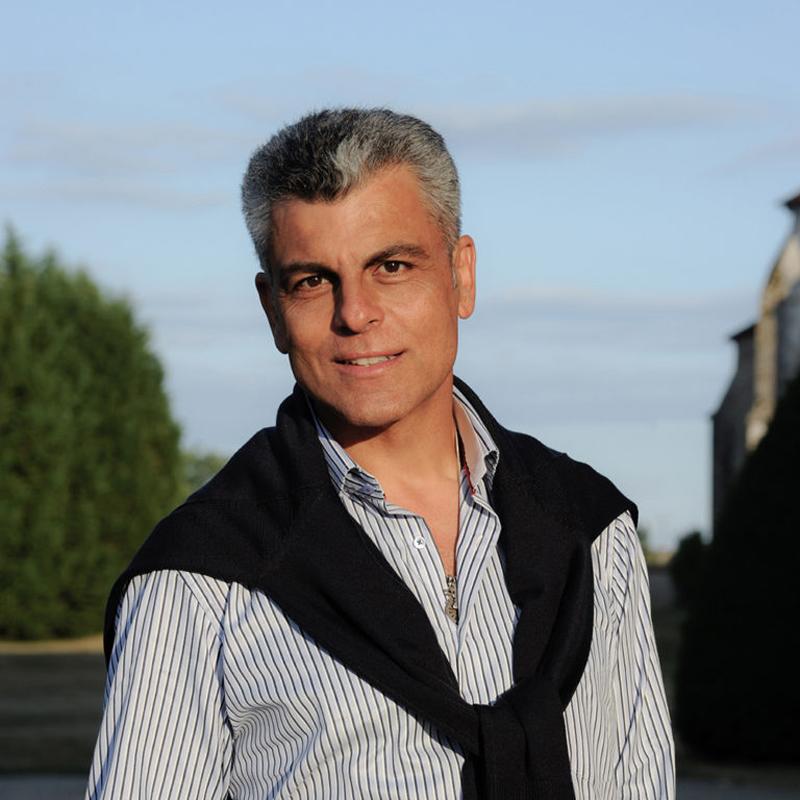
Ferrante Ferranti
FRANCE
Born January 13, 1960 in Algeria, of a Sardinian mother and a Sicilian father. He took his first photograph at the age of eighteen, a wave in Belle-Île-en-Mer. Passionate about Fernand Pouillon’s book, Les Pierres Sauvages, he began training as an architect in Toulouse, which he completed at Paris-UP6 in 1985 with a diploma in Theaters and scenography in the Baroque era. Traveling photographer, he has been involved for thirty years with Dominique Fernandez in a joint exploration of the Baroque and the different layers of civilizations, from Syria to Bolivia via Sicily and Saint Petersburg. His photographs dialogue with the texts of the writer, who defines him in the album Itinerrances (Actes Sud, 2013) as “the inventor of a language which links the sun to the ruins, in search of the meaning hidden in the forms” .
Collection

Customizable
Customizable
Customizable
Customizable
Customizable
Customizable
Customizable
Customizable
Customizable
Customizable
Customizable
Customizable

Customizable

Customizable
Customizable
Customizable
Customizable
Customizable
Customizable
Customizable
Customizable
Customizable
Customizable
Customizable
Customizable
Customizable
Customizable
Customizable
Customizable
Customizable
Customizable
Customizable