Customizable
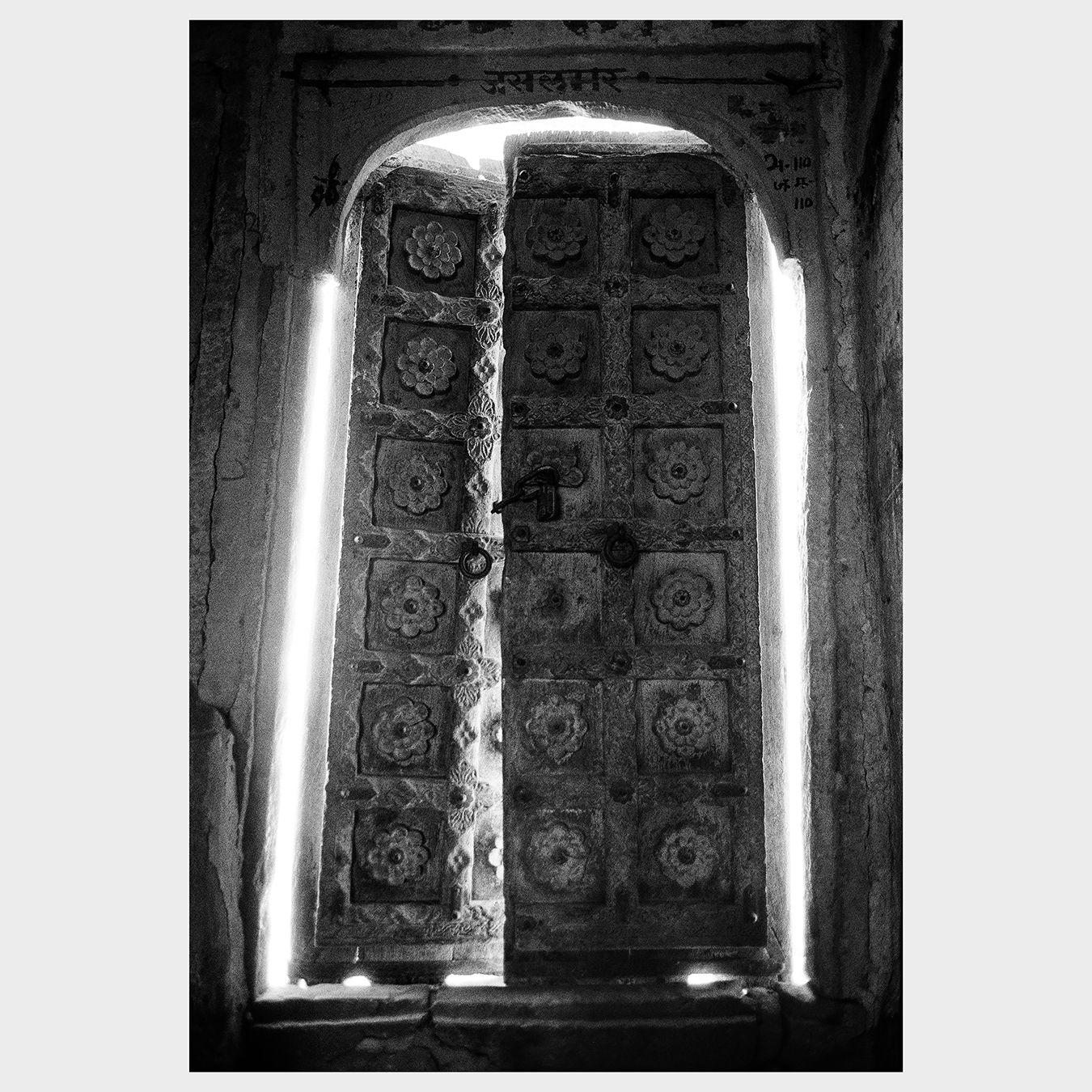
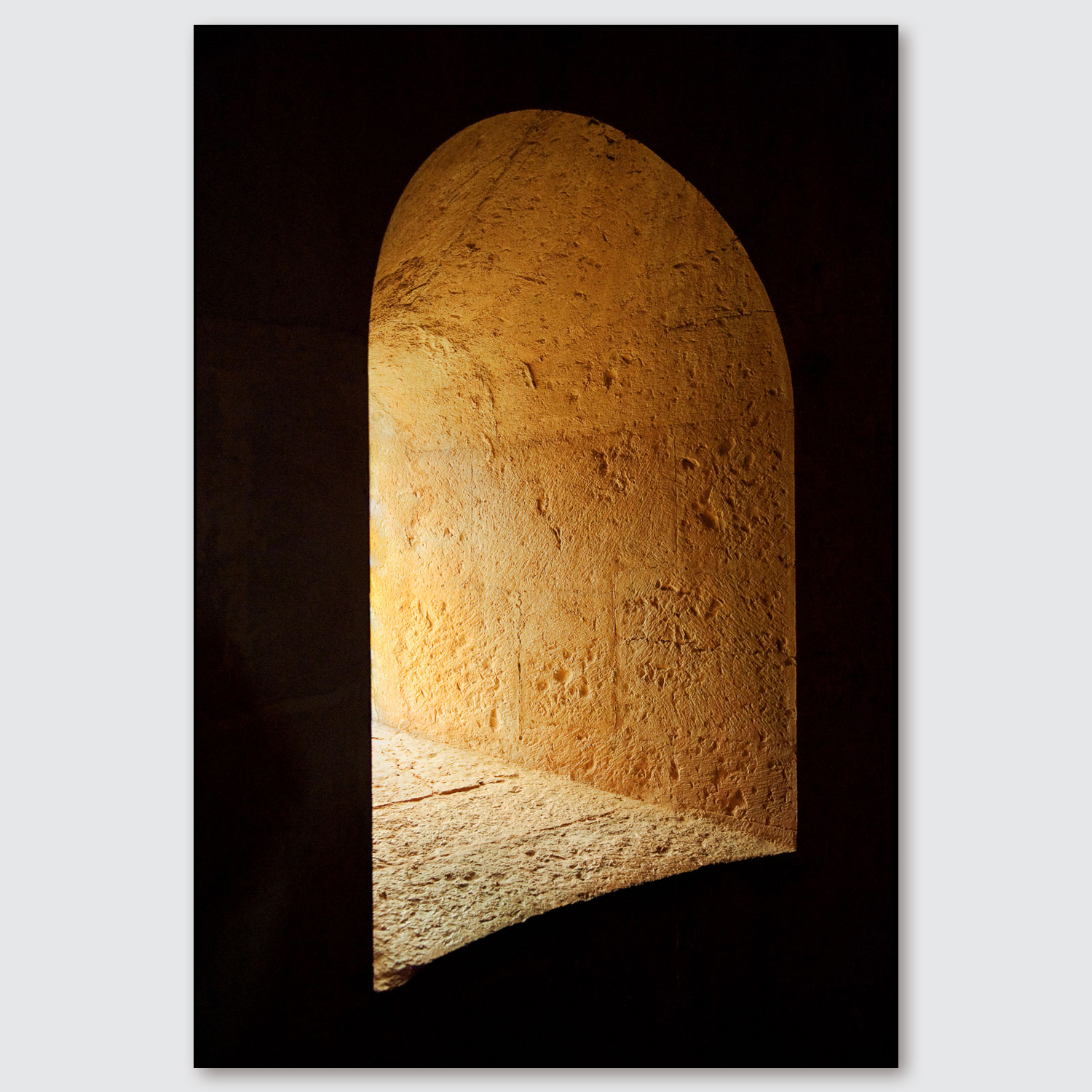
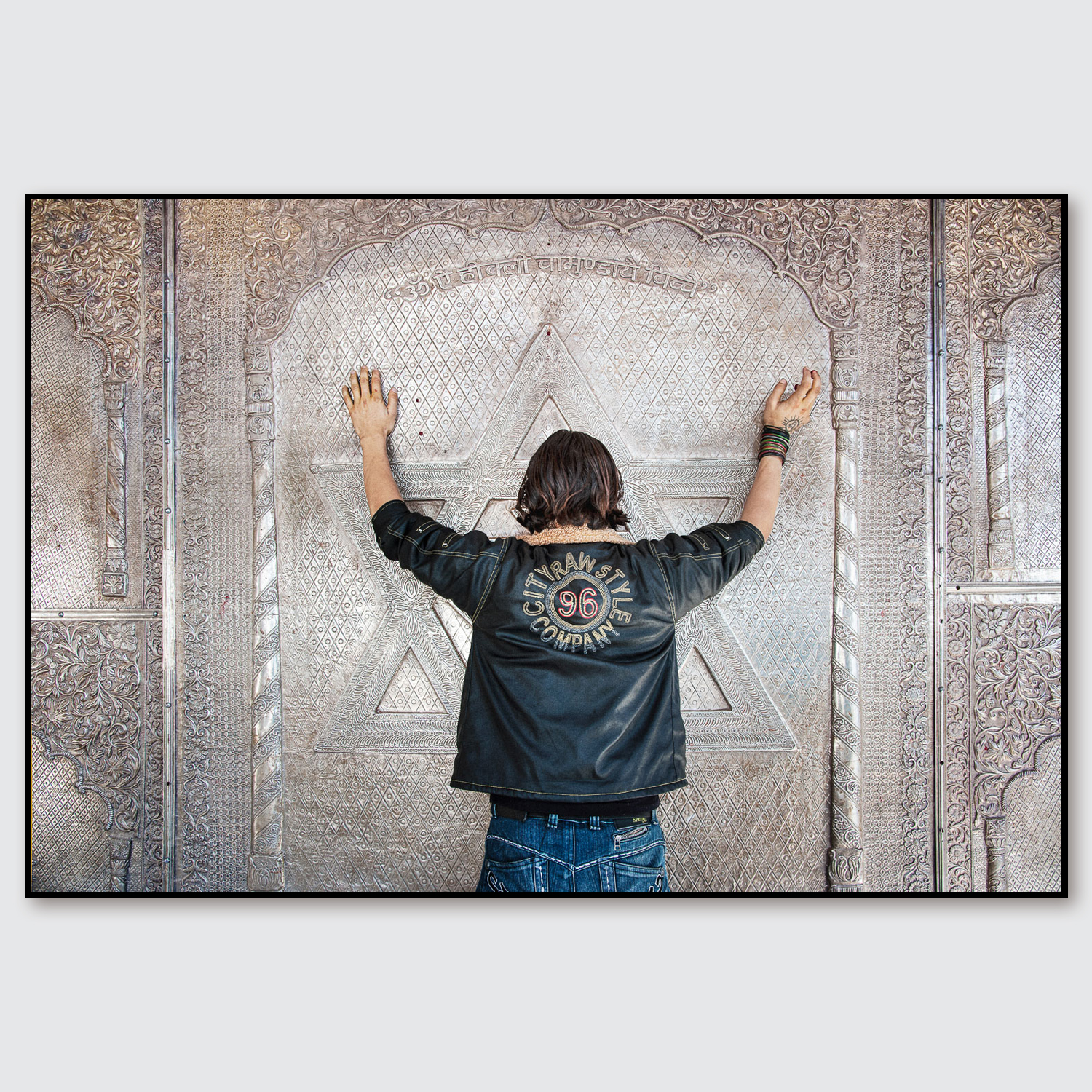
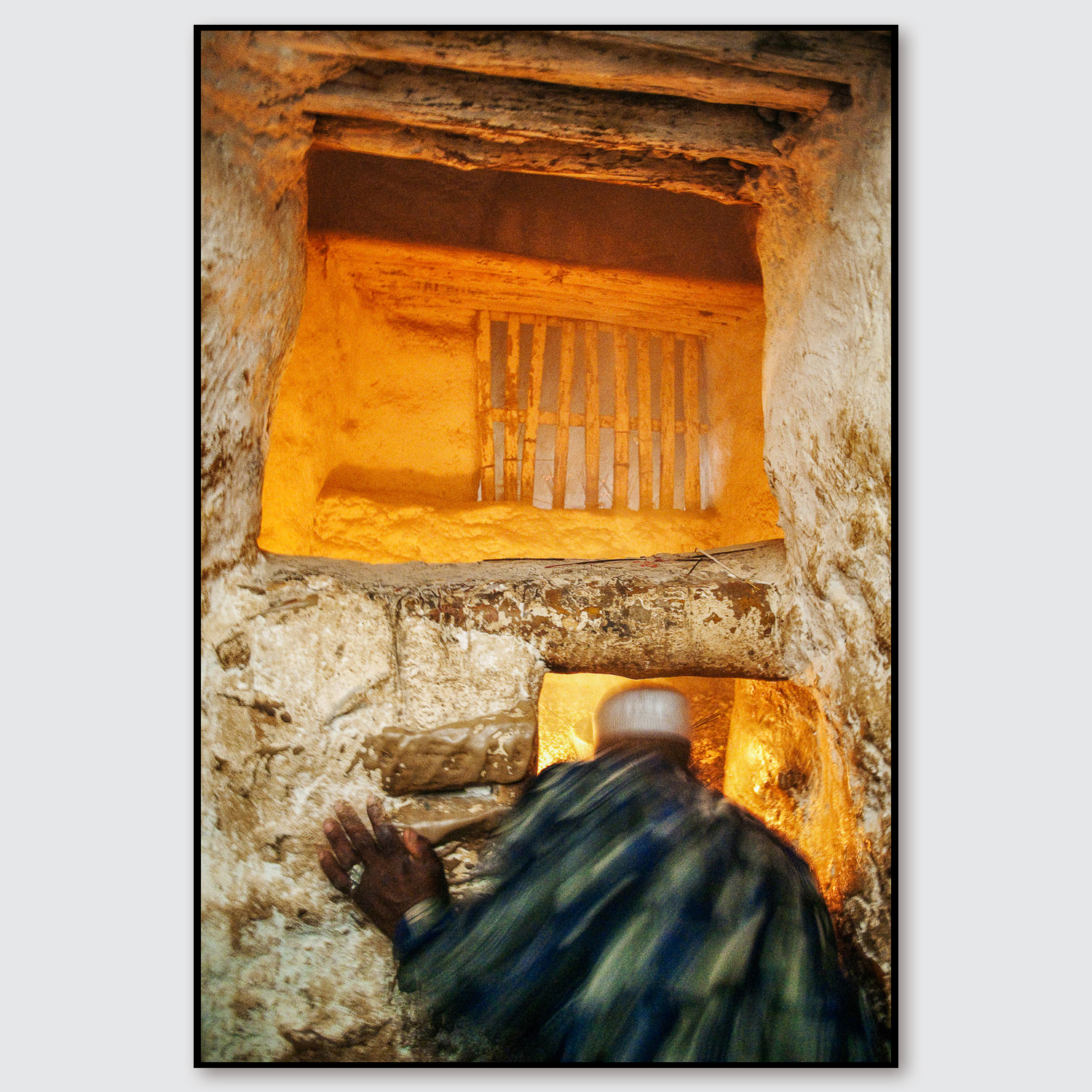
JAISALMER, INDIA (1/12)
Référence :
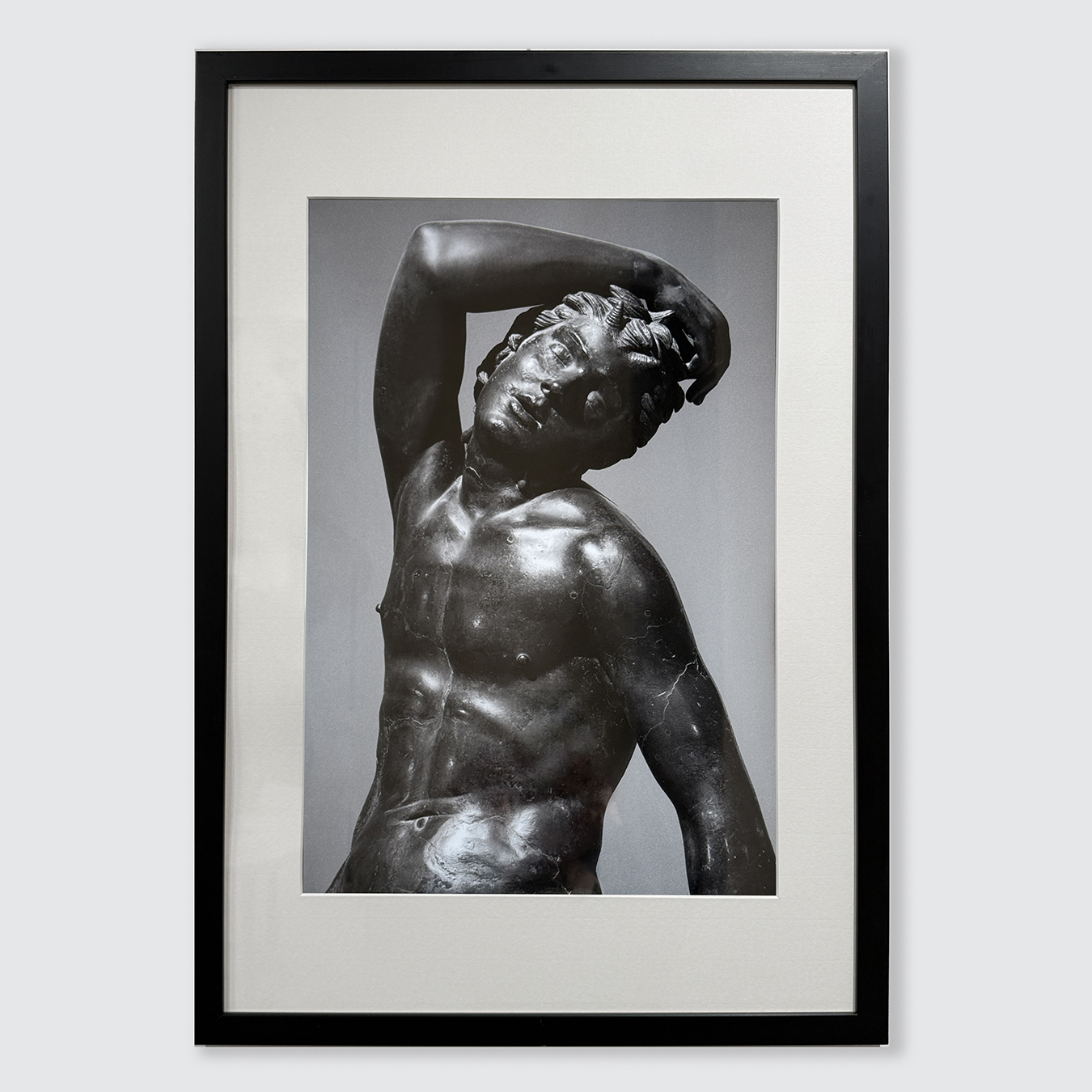
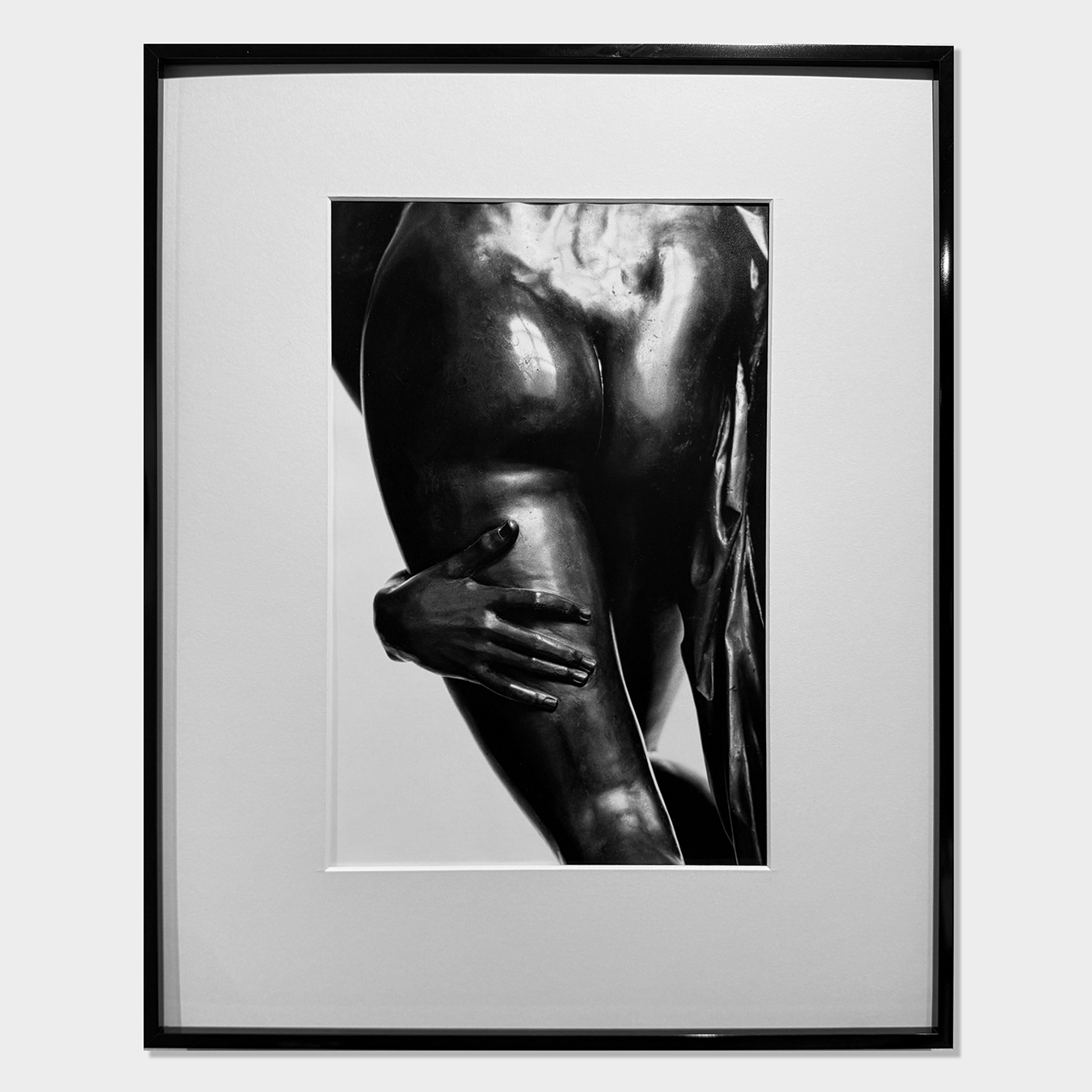
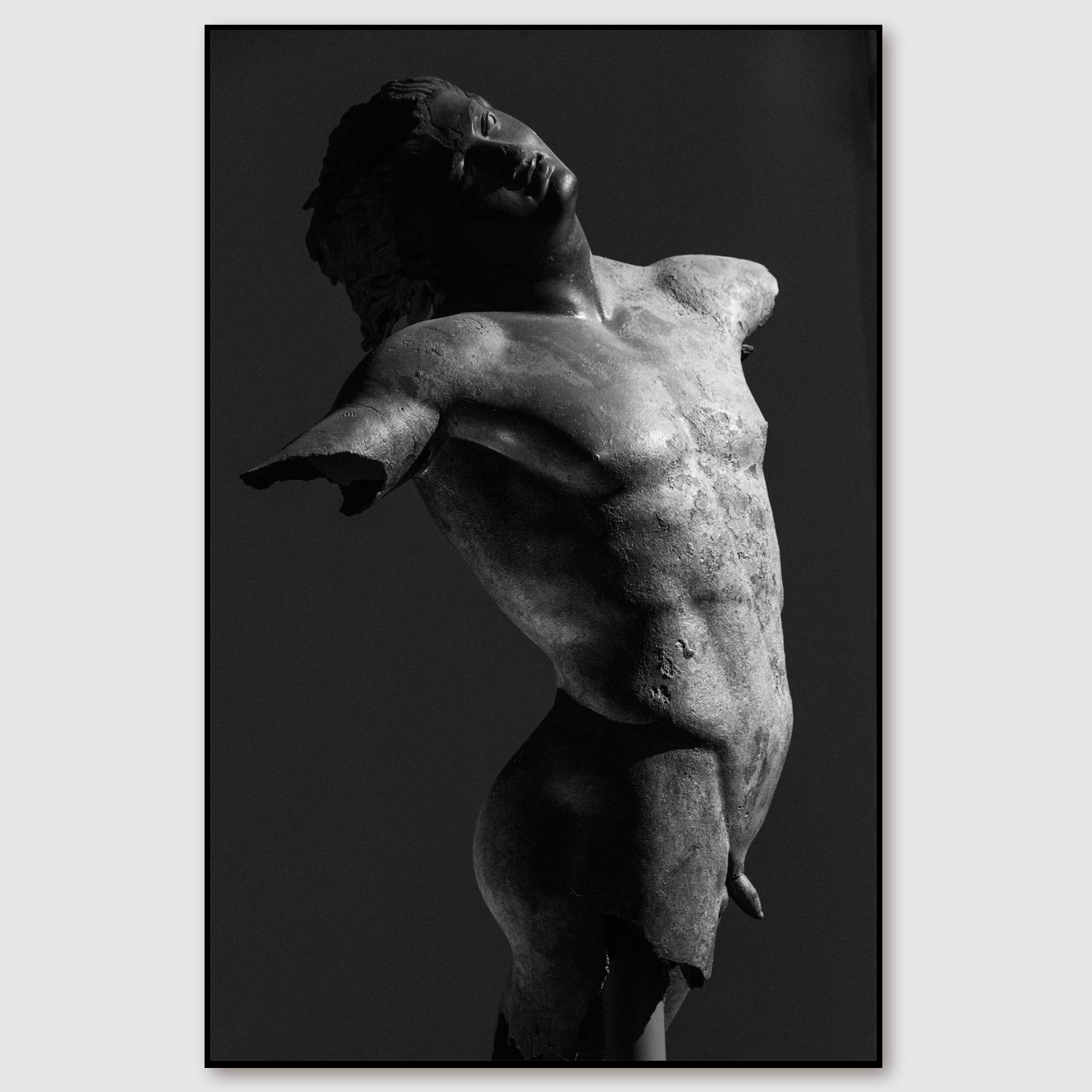
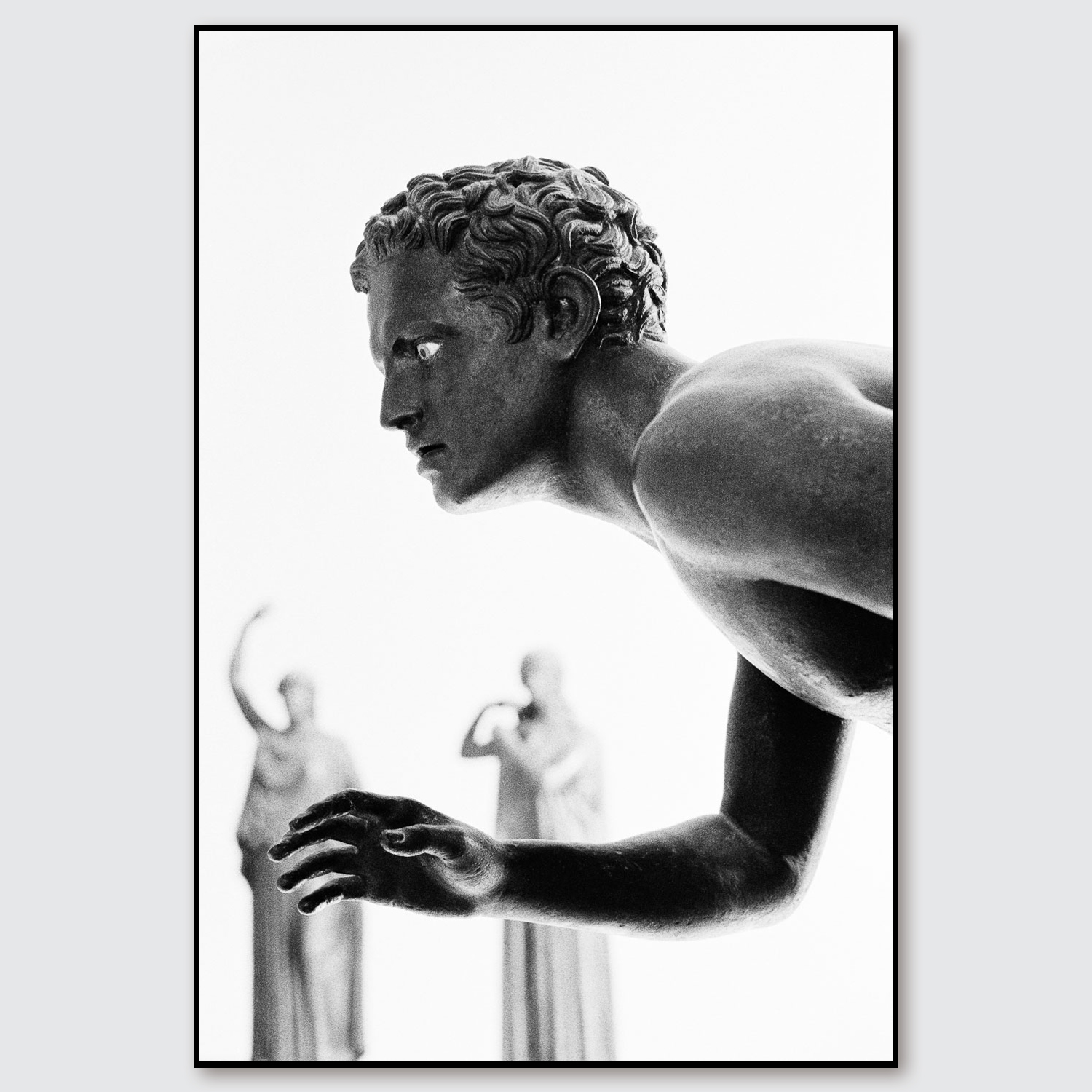
Discovered off the coast of Mazara del Vallo, the Dancing Faun emerges in a burst of intoxication and movement. Through light and framing, Ferrante Ferranti reveals the inner tension: the bronze seems to vibrate, suspended between ecstasy and silence.
An ancient presence, restored to its timeless breath.
Length : 1.18 in / 3 cm
Height : 43.31 in / 110 cm
Width : 29.53 in / 75 cm
Weigth : 2.2 lb / 1 kg
Artist : Ferrante Ferranti
Technique : Film photography
Support: Pigment print on baryta paper (Canson Fine Art Baritta), laminated on Dibond
Dimensions: 60 x 40 cm
Number of copies: 12 signed and numbered prints
Year: 2003
Inspiration: In the golden city of Rajasthan, a carved door stands as a threshold between two worlds.
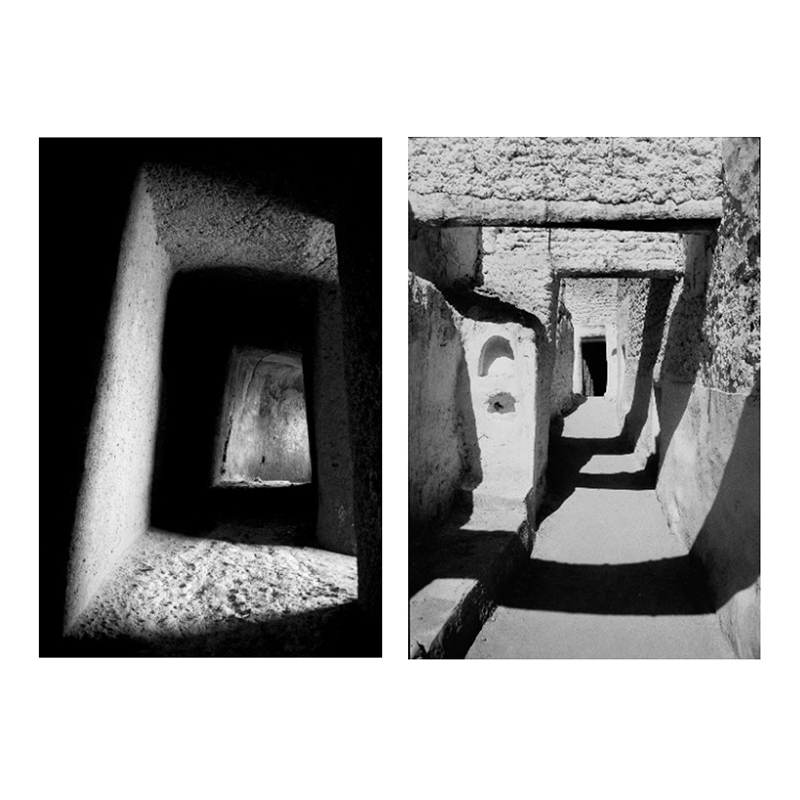
In Jaisalmer, the ochre stone absorbs the sun and releases it in a warm, almost golden vibration. Ferrante Ferranti captures this moment when the light reveals the finesse of the chiseled patterns — arabesques, interlacing, silent signs of a centuries-old craft.
The door is not only an opening: it is a passage, a memory, a promise. Under the photographer’s lens, architecture becomes an inhabited presence. The shadows deepen the reliefs, the material seems to quiver, as if the stone retained the echo of the gestures and voices that have crossed it.
In Ferranti’s work, each threshold is a meditation on the journey — the passage from the outside to the inside, from the visible to the invisible, from the tangible world to the inner space.
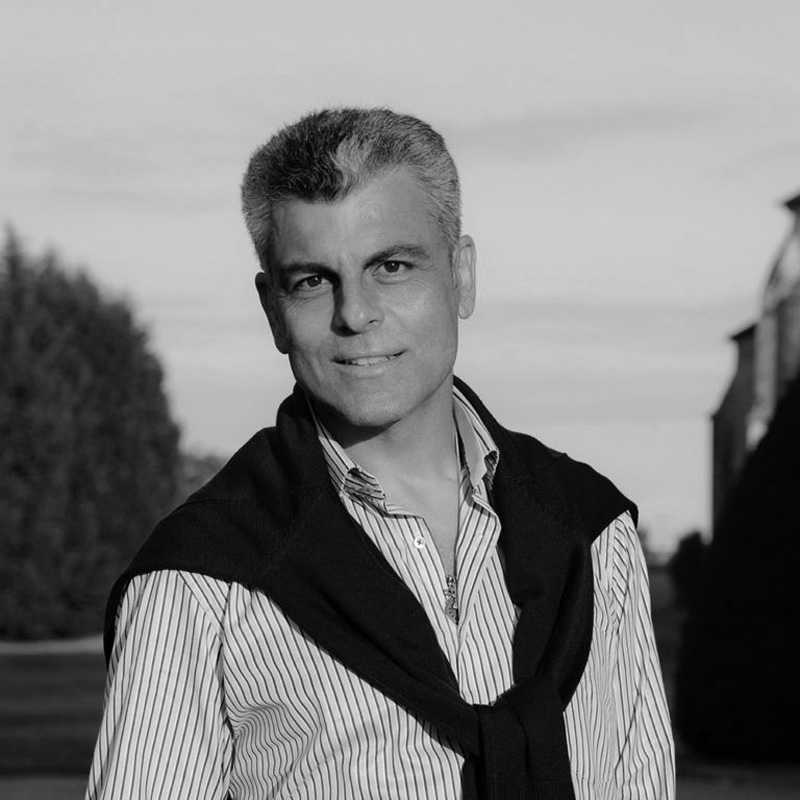
Ferrante Ferranti
FRANCE
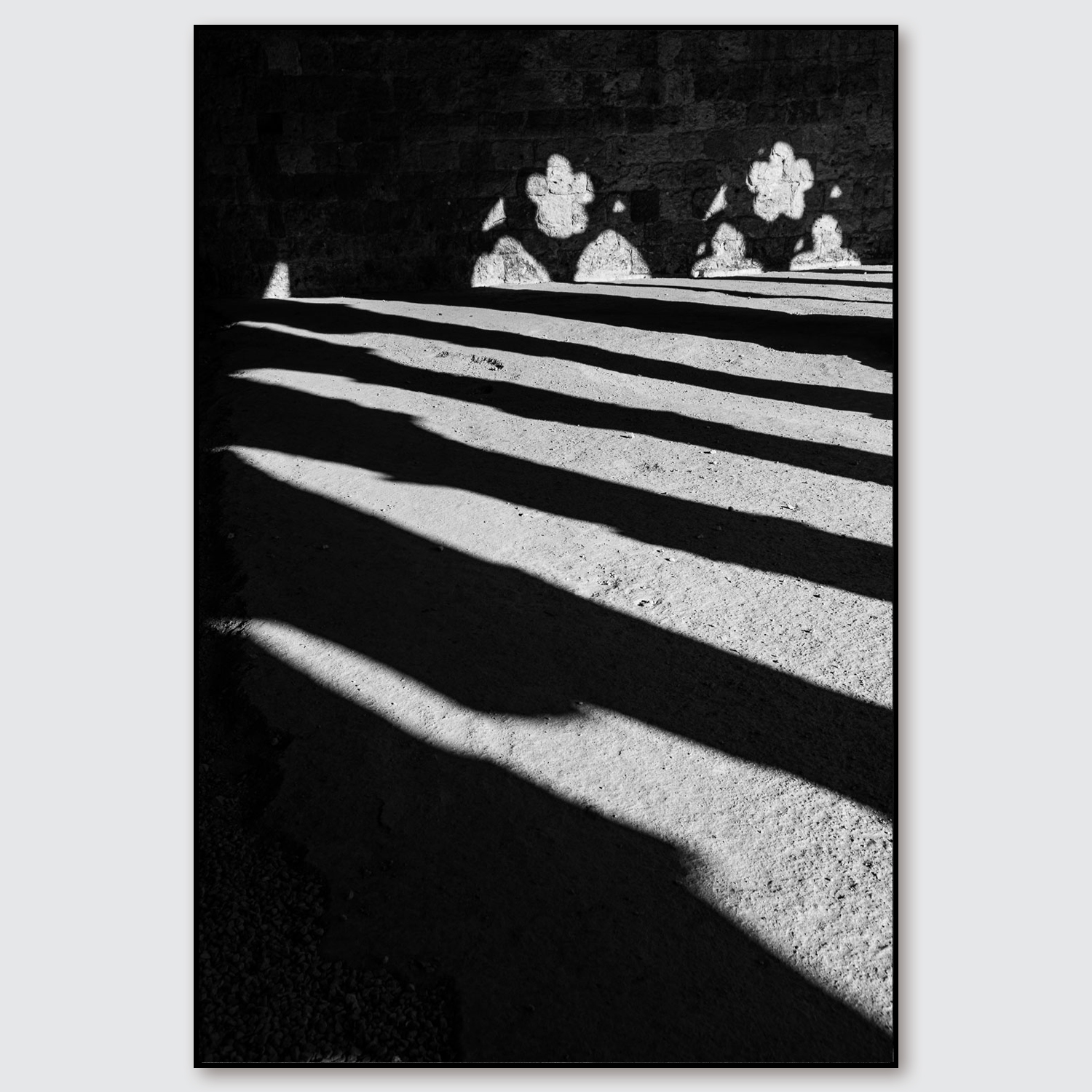
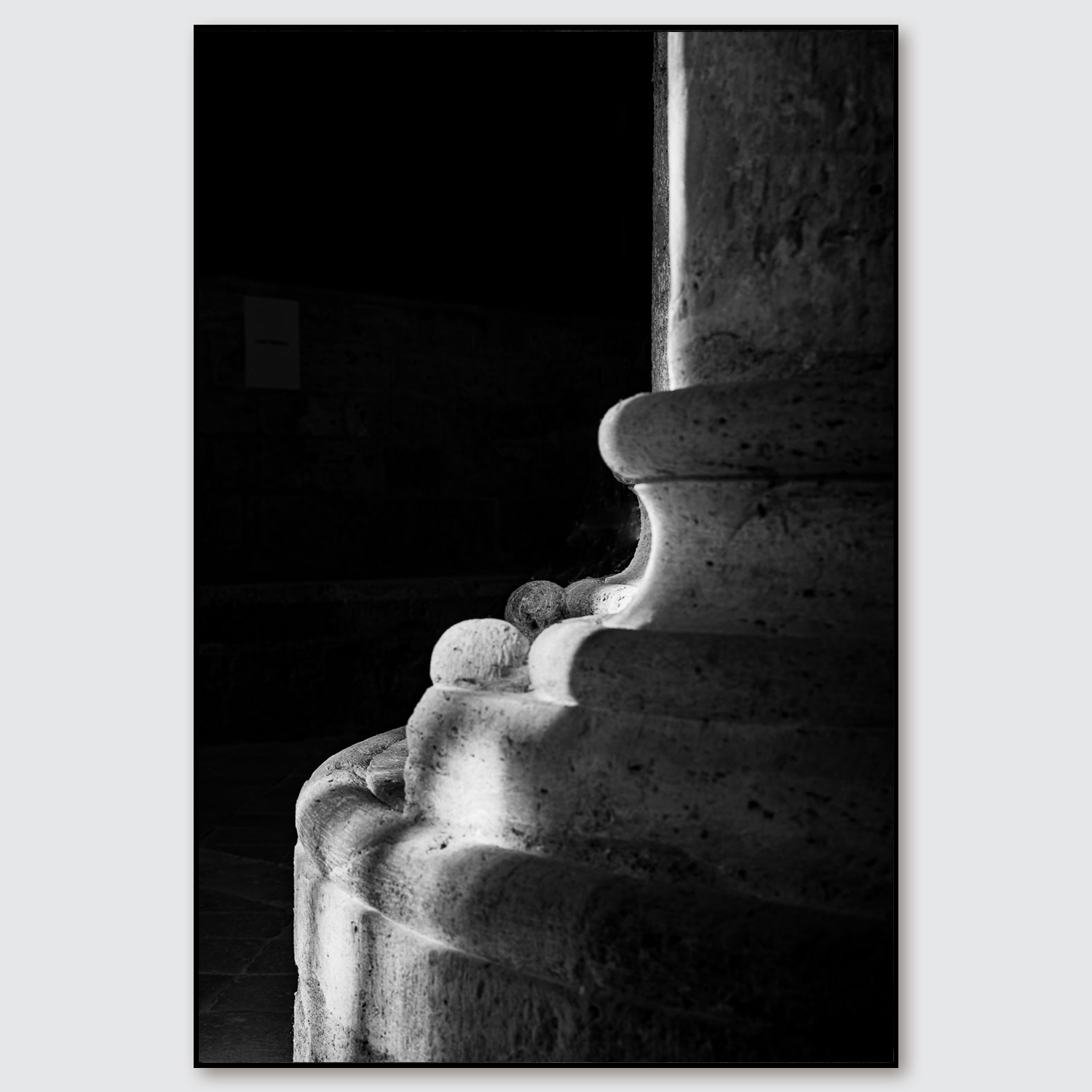
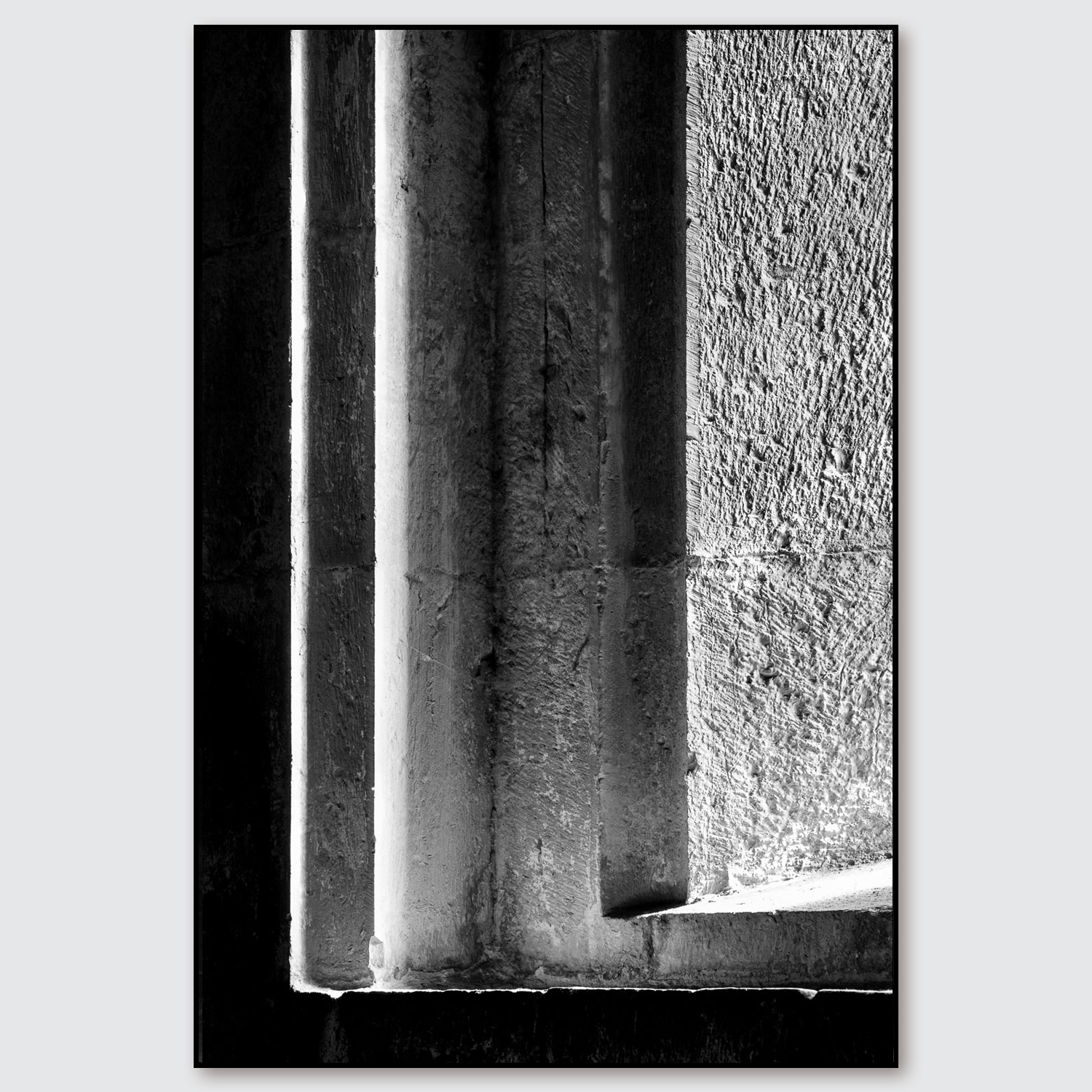
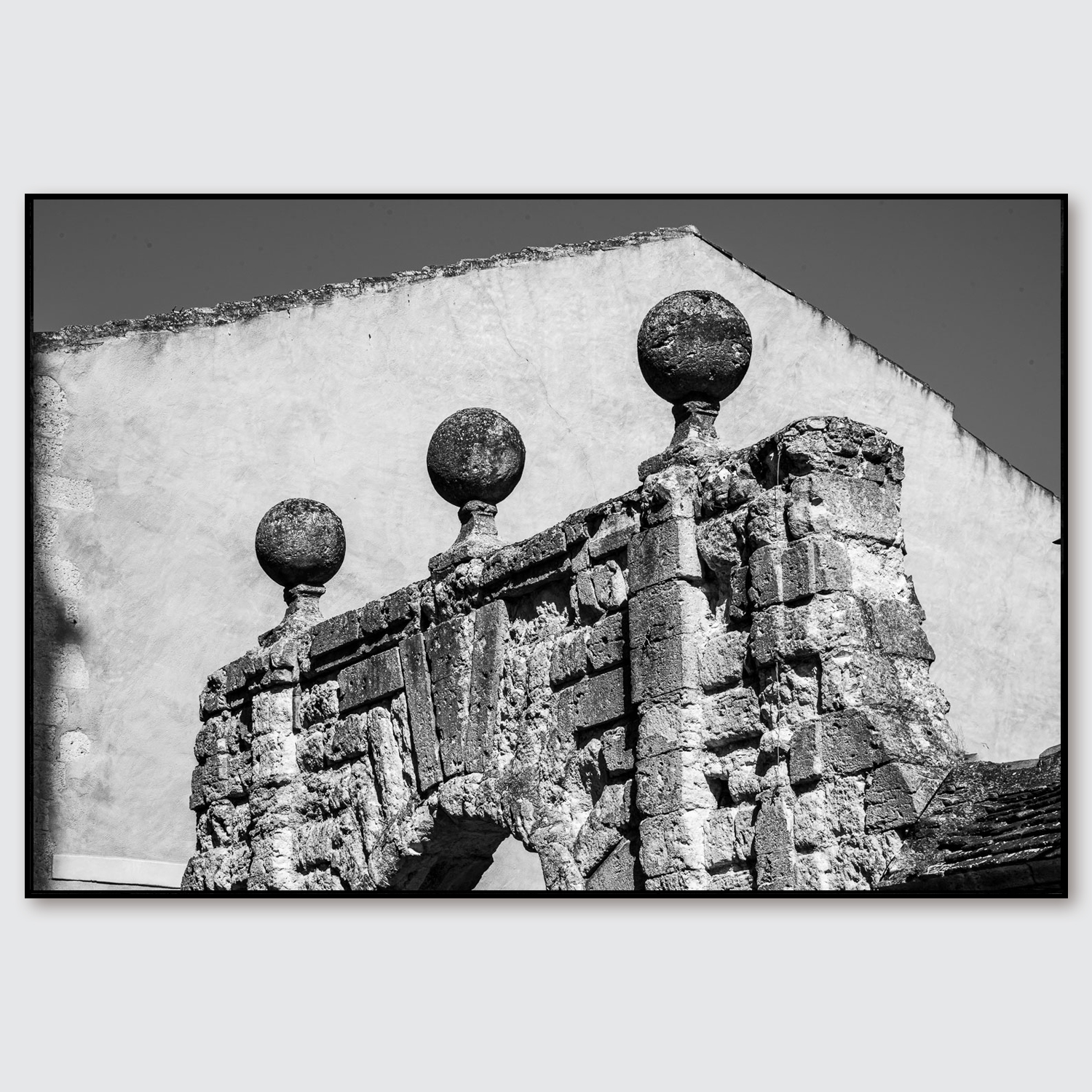
Born January 13, 1960 in Algeria, of a Sardinian mother and a Sicilian father. He took his first photograph at the age of eighteen, a wave in Belle-Île-en-Mer. Passionate about Fernand Pouillon’s book, Les Pierres Sauvages, he began training as an architect in Toulouse, which he completed at Paris-UP6 in 1985 with a diploma in Theaters and scenography in the Baroque era. Traveling photographer, he has been involved for thirty years with Dominique Fernandez in a joint exploration of the Baroque and the different layers of civilizations, from Syria to Bolivia via Sicily and Saint Petersburg. His photographs dialogue with the texts of the writer, who defines him in the album Itinerrances (Actes Sud, 2013) as “the inventor of a language which links the sun to the ruins, in search of the meaning hidden in the forms” .
Collection

Customizable
Customizable
Customizable
Customizable
Customizable
Customizable
Customizable
Customizable
Customizable
Customizable
Customizable

Customizable

Customizable
Customizable
Customizable
Customizable
Customizable
Customizable
Customizable
Customizable
Customizable
Customizable
Customizable
Customizable
Customizable
Customizable
Customizable
Customizable
Customizable
Customizable
Customizable
Customizable