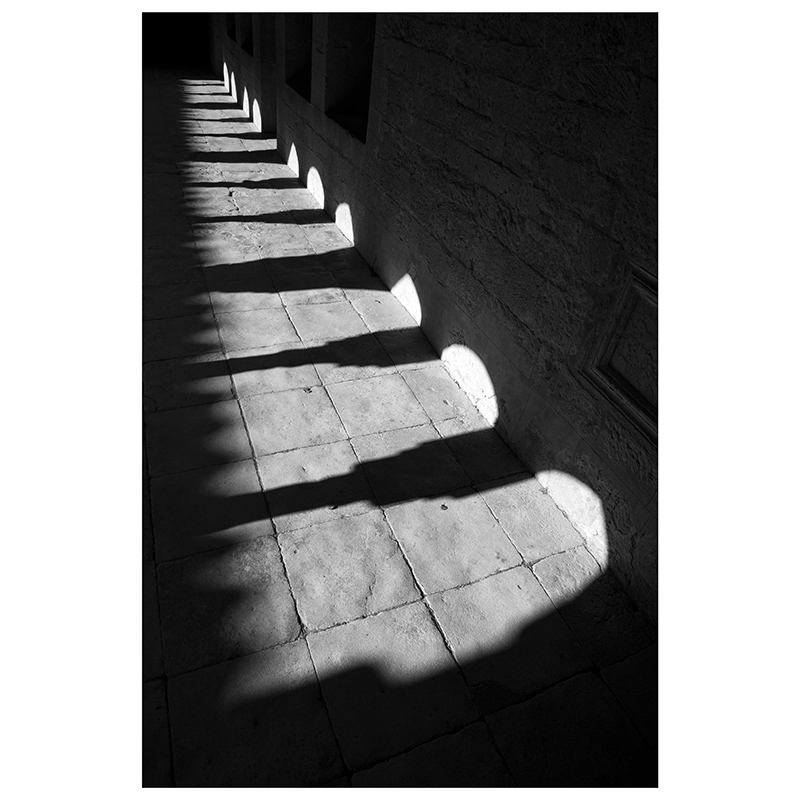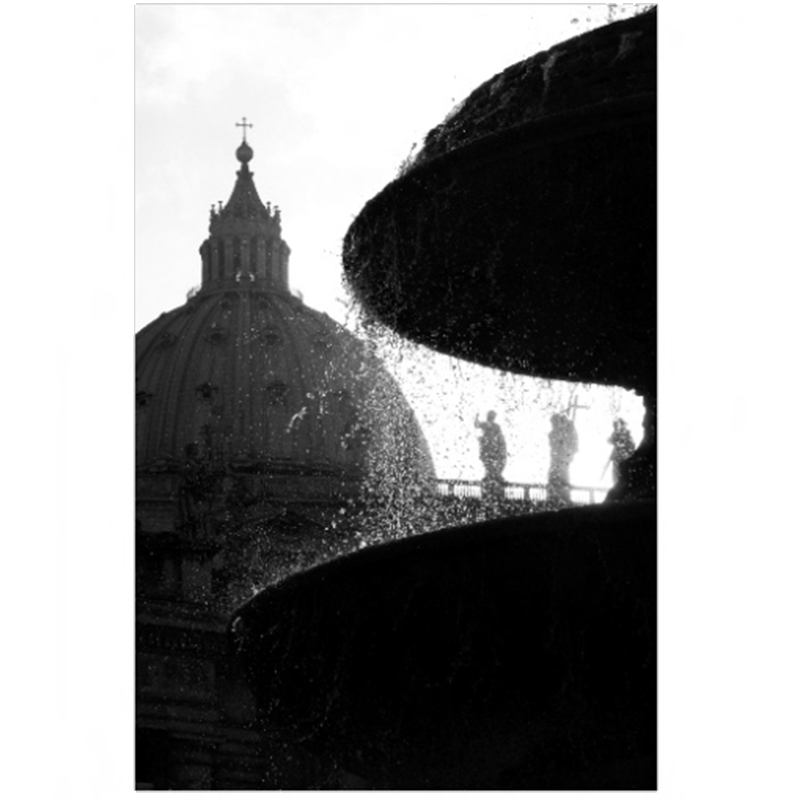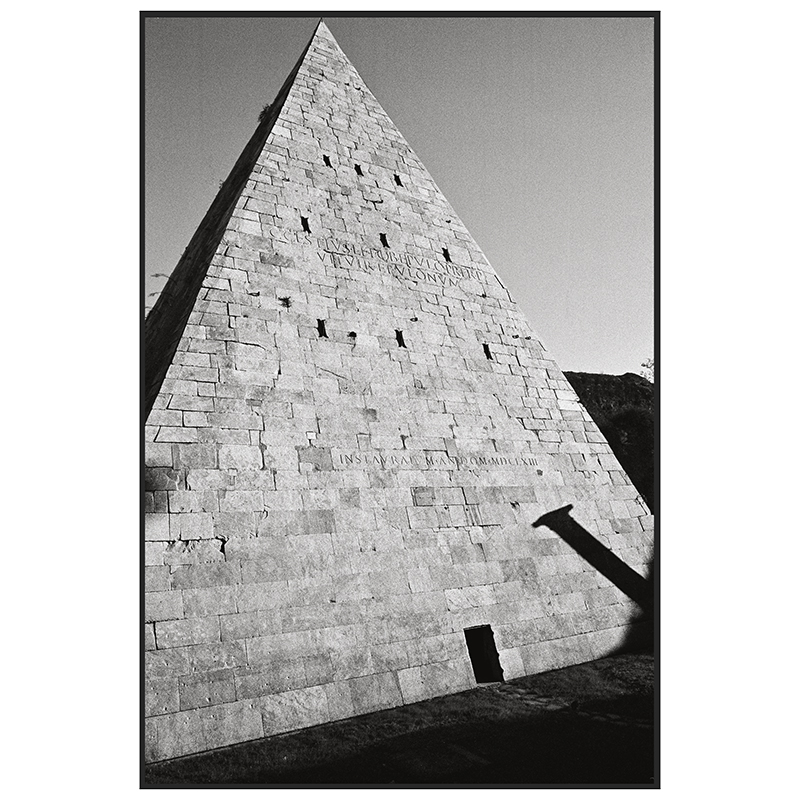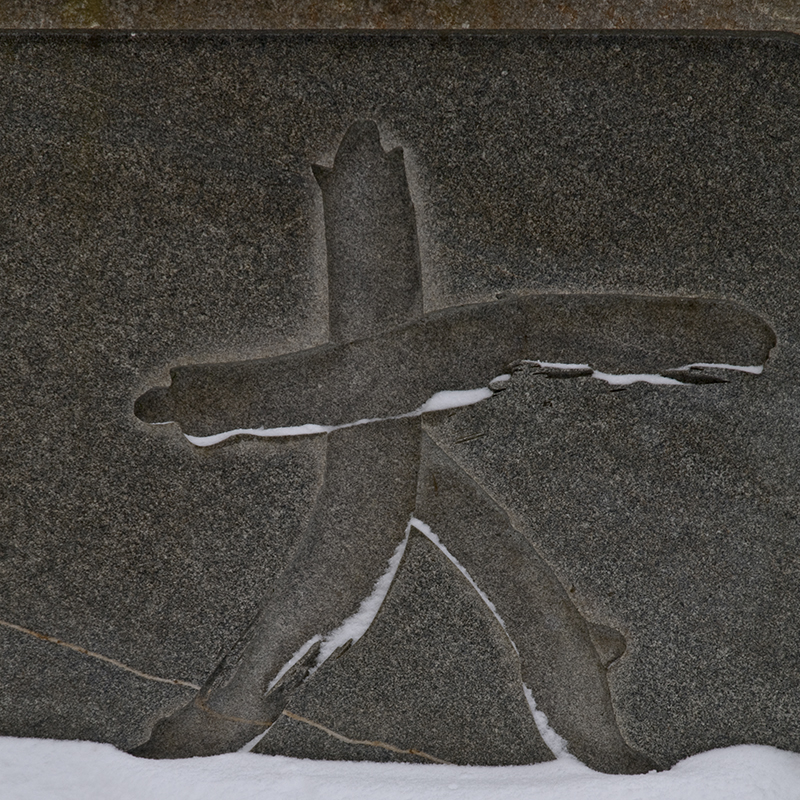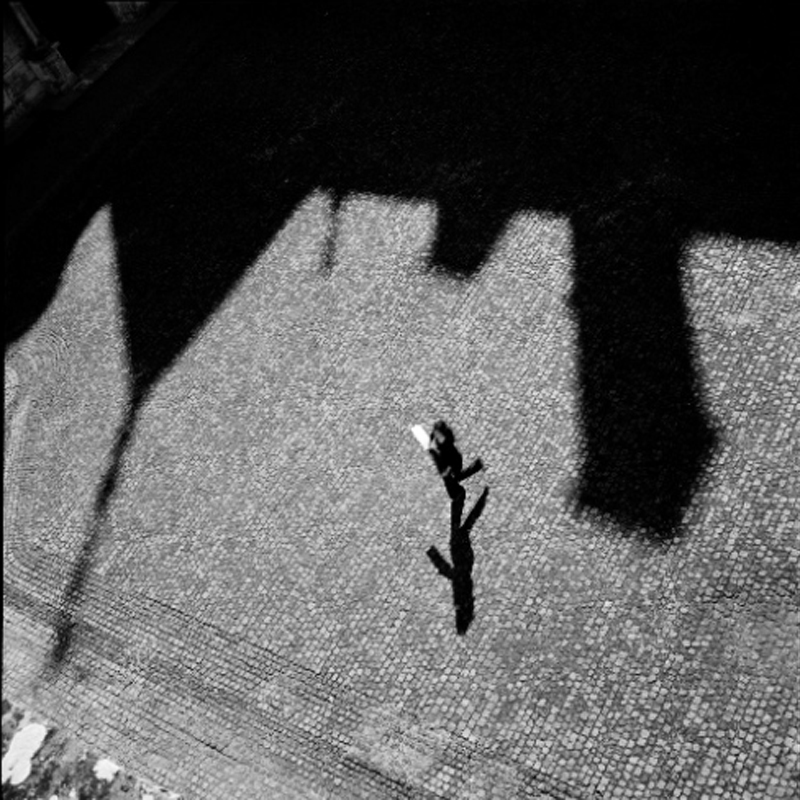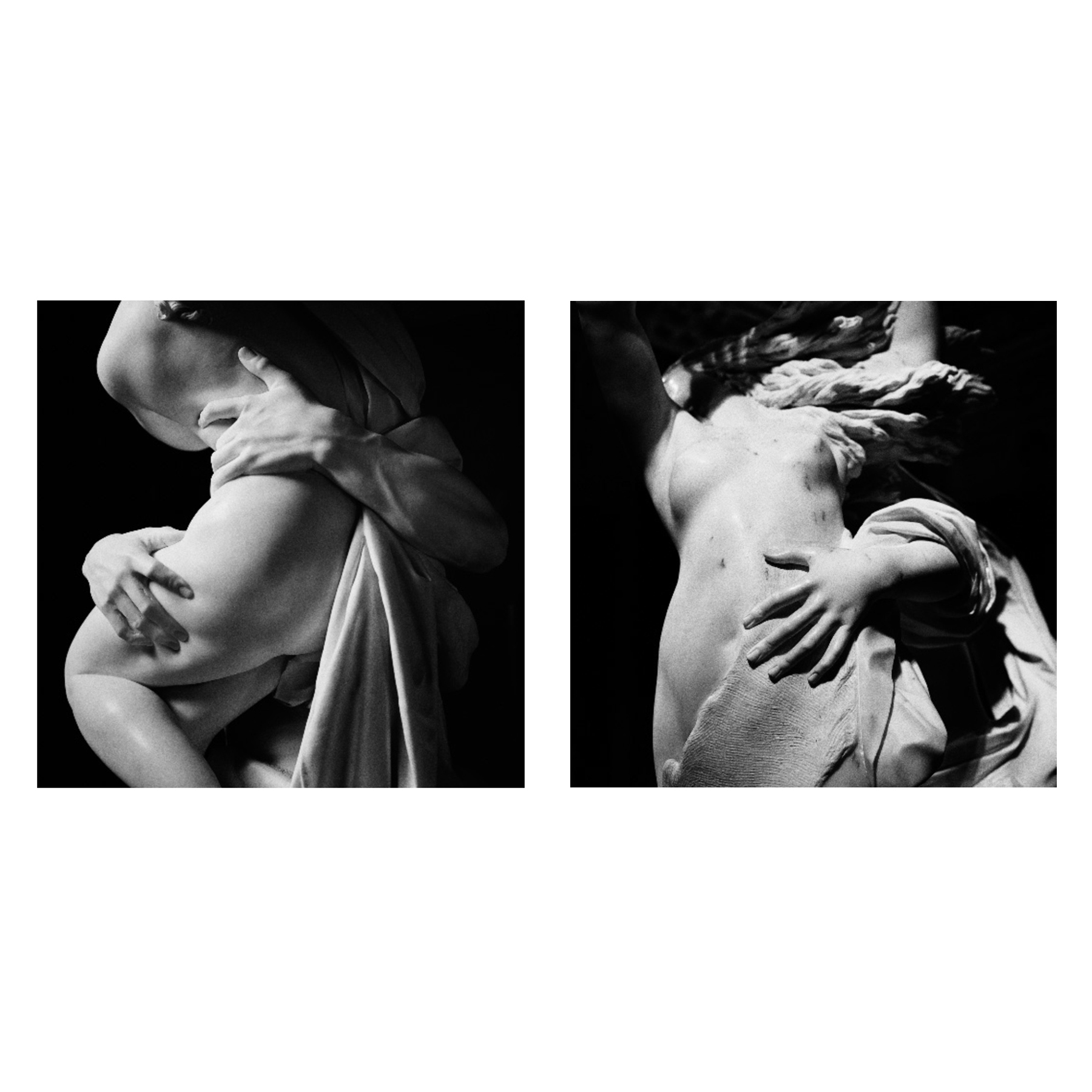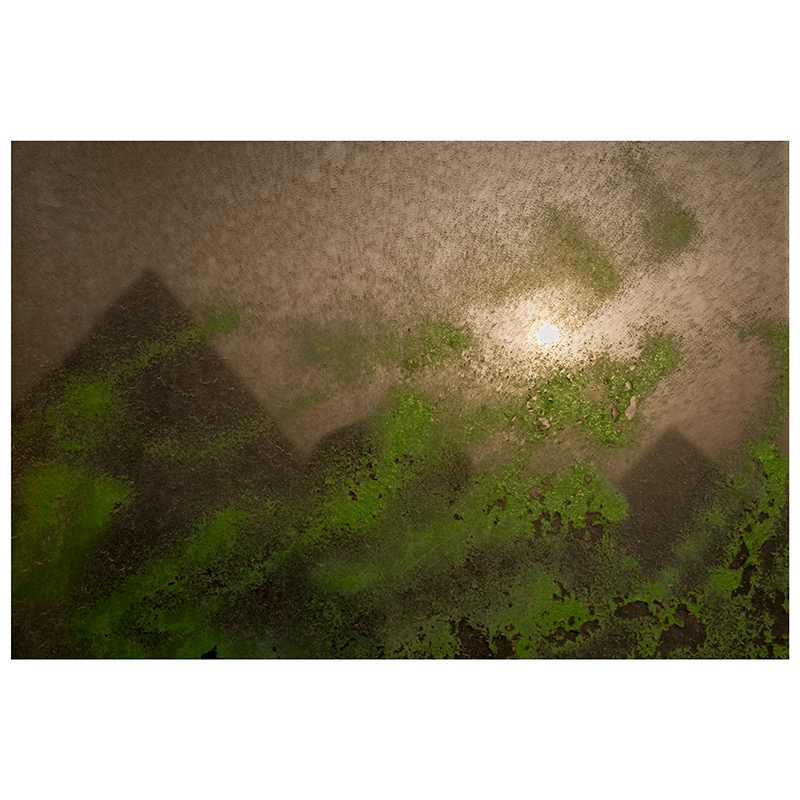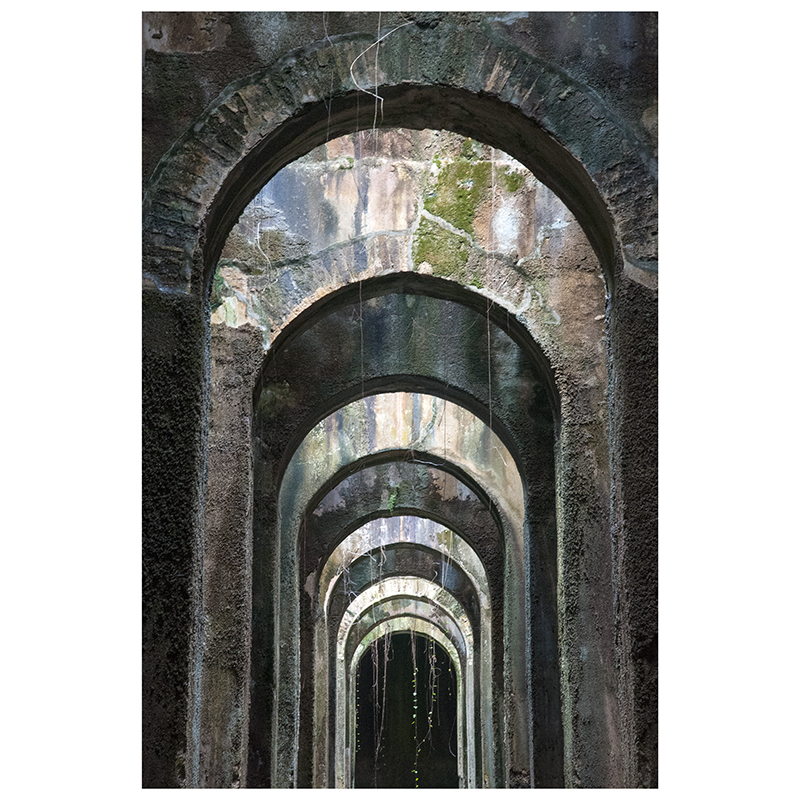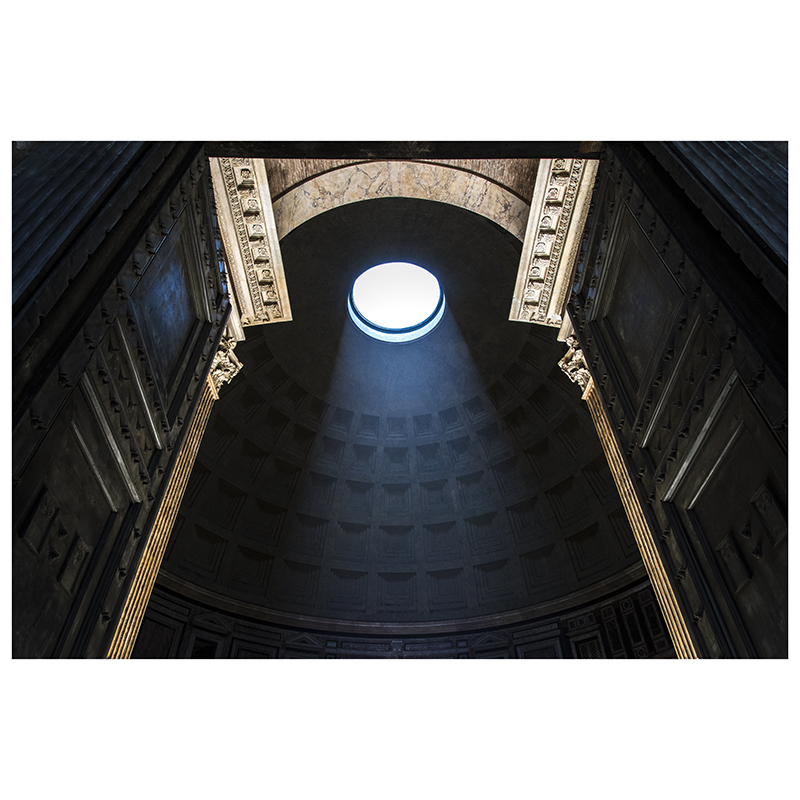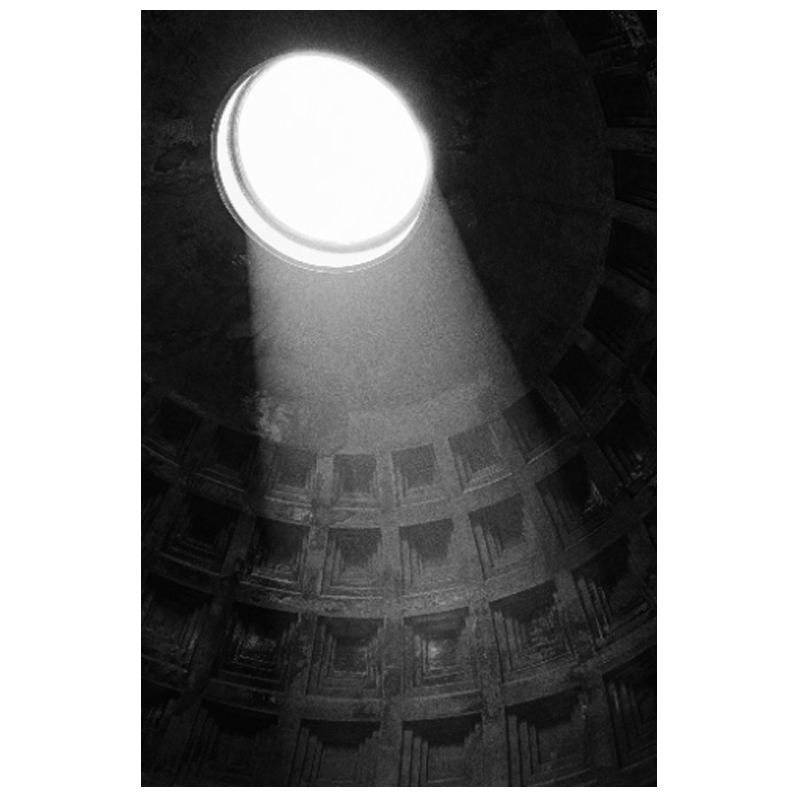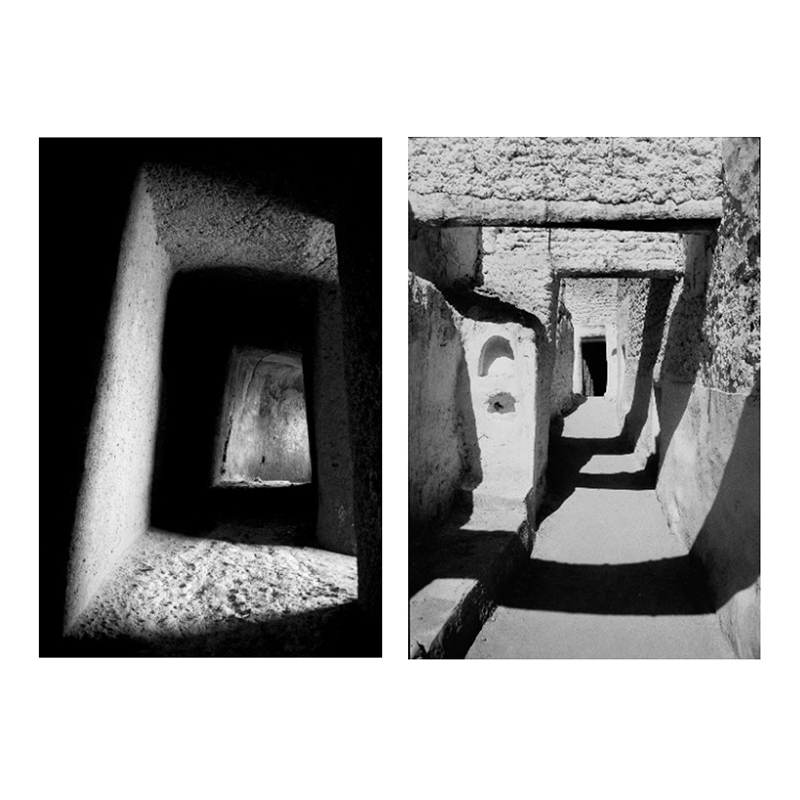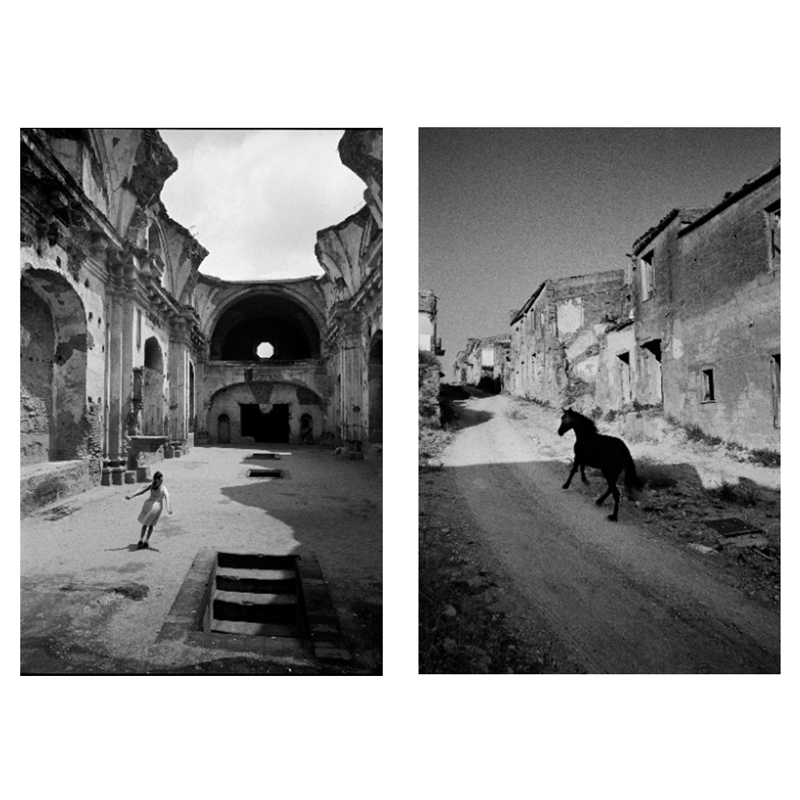
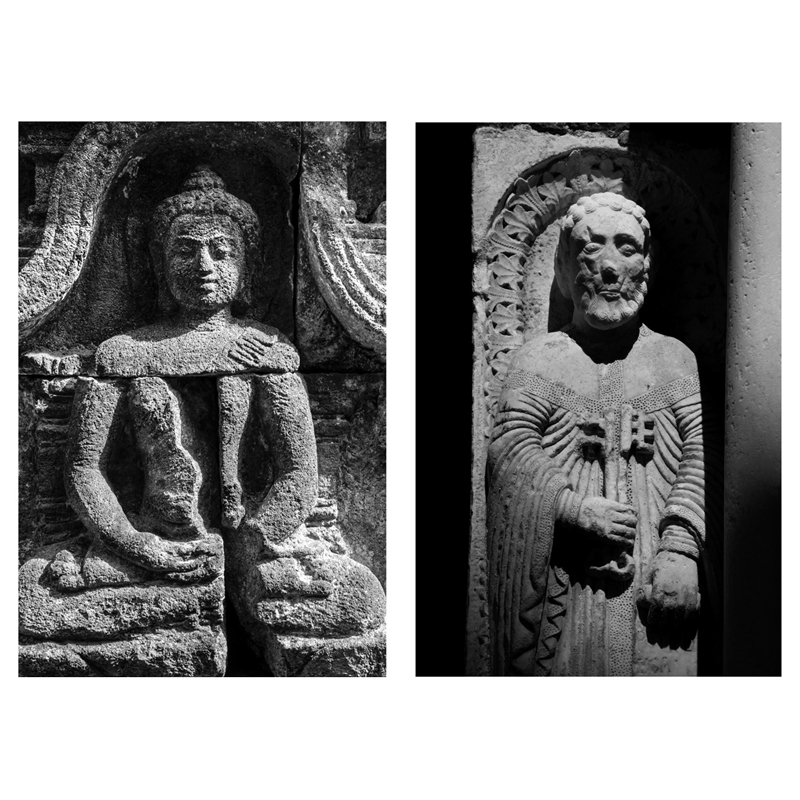
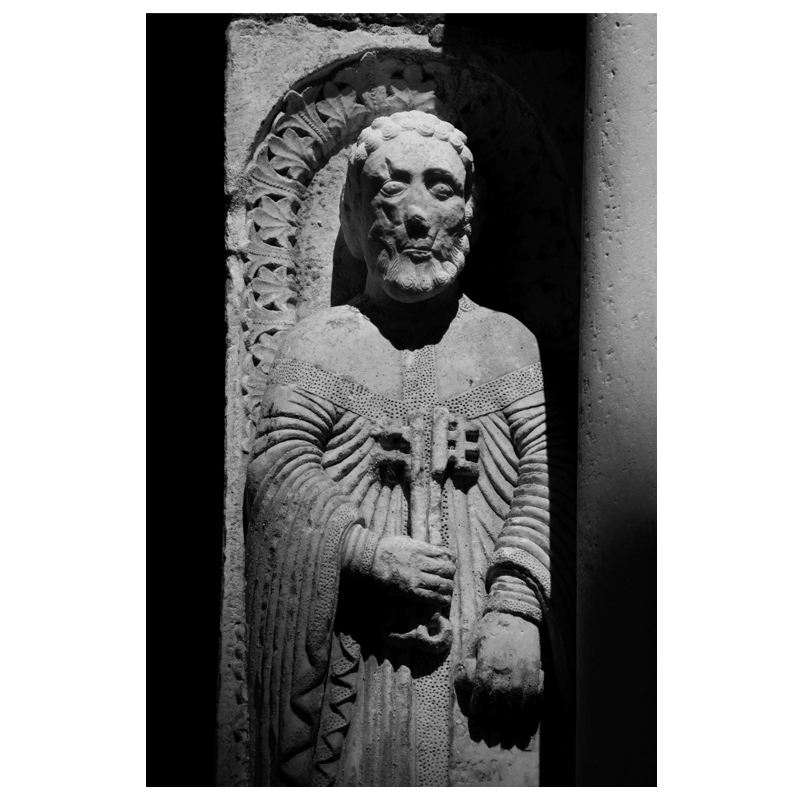
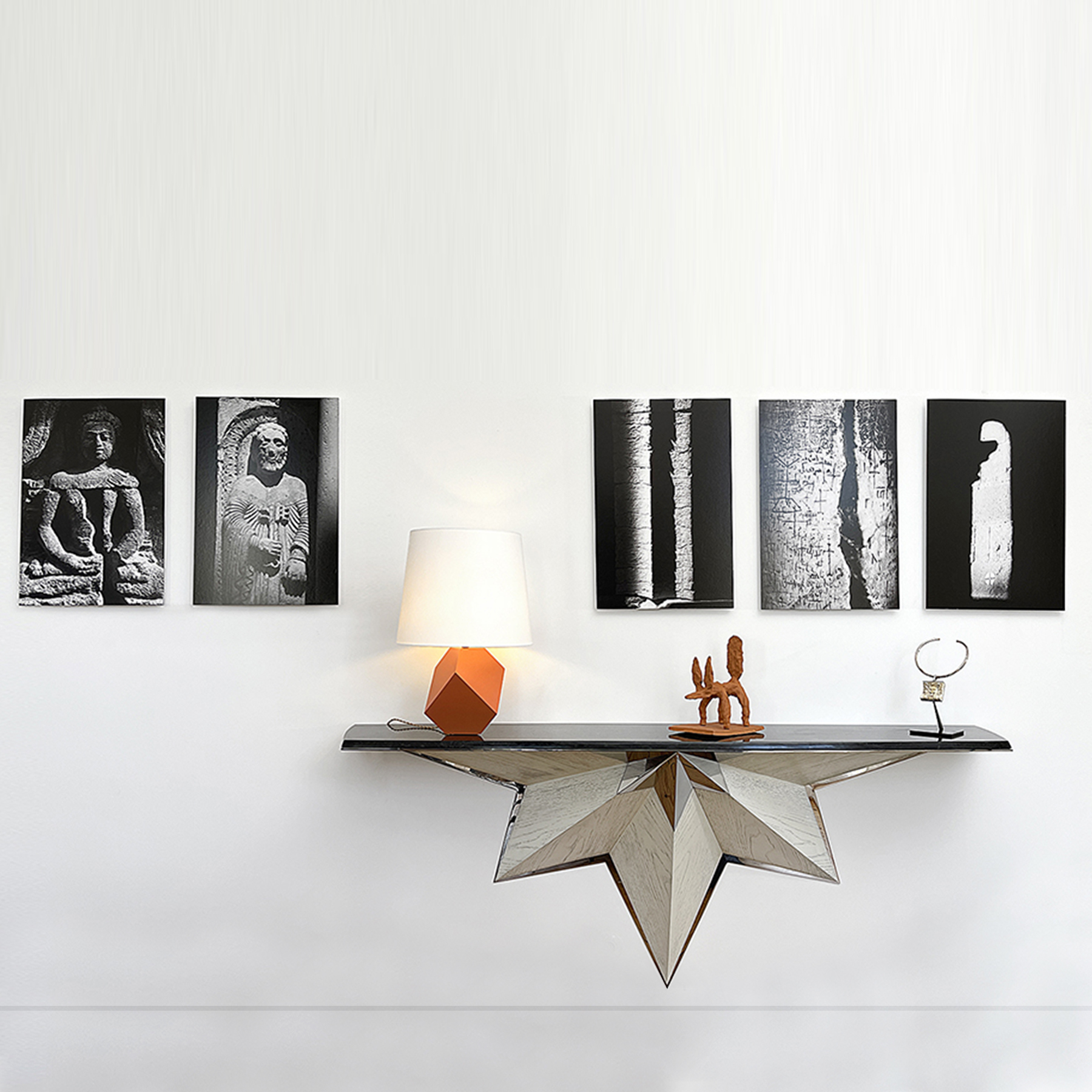
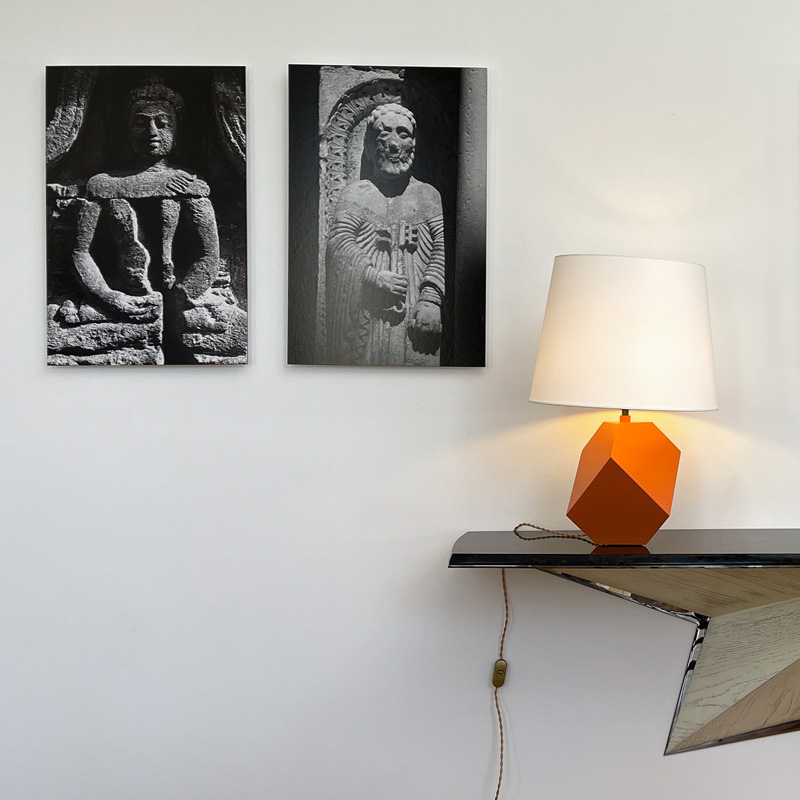
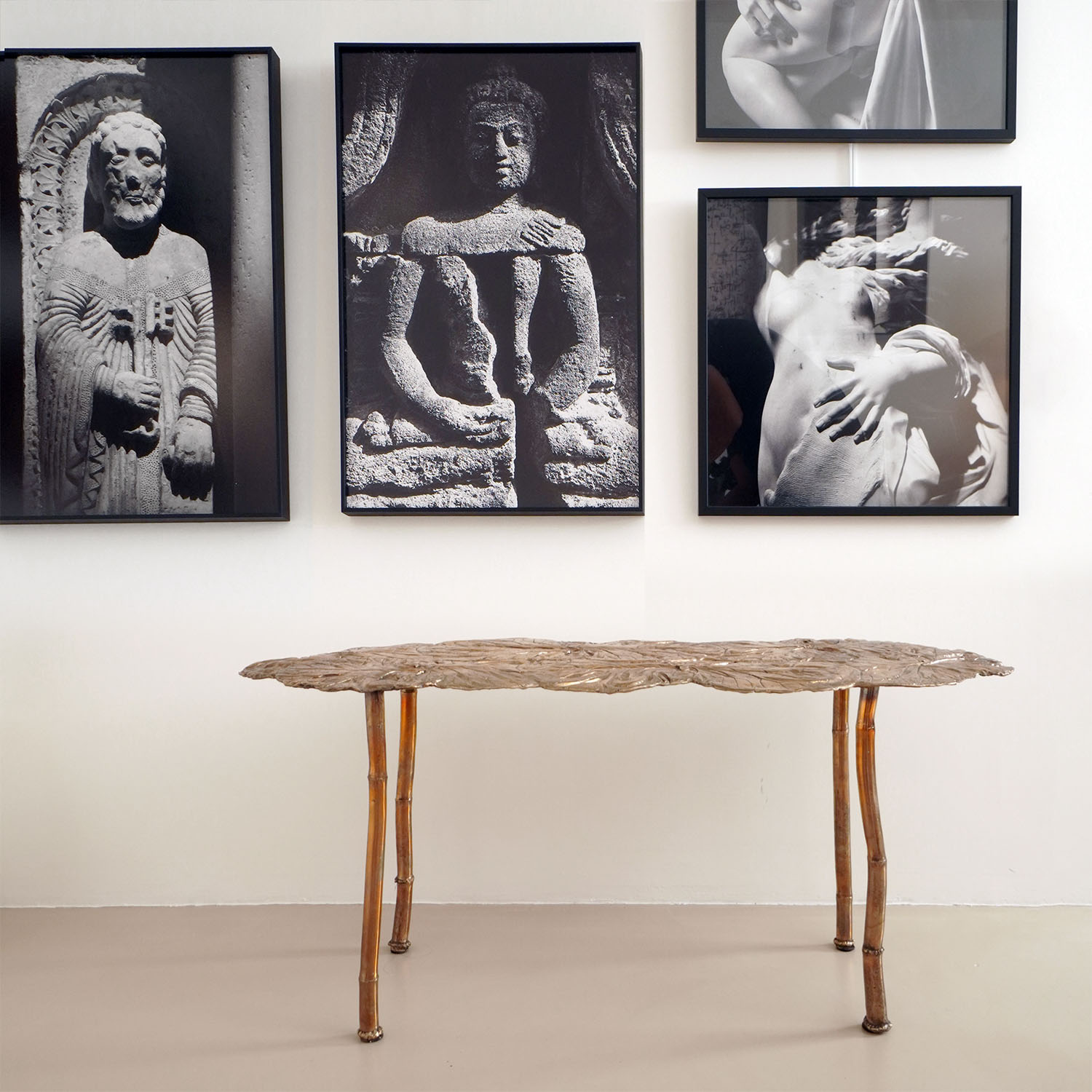
DIPTYCH WAYS OF ALMIGHTY, 6/12 (2009)
Référence :
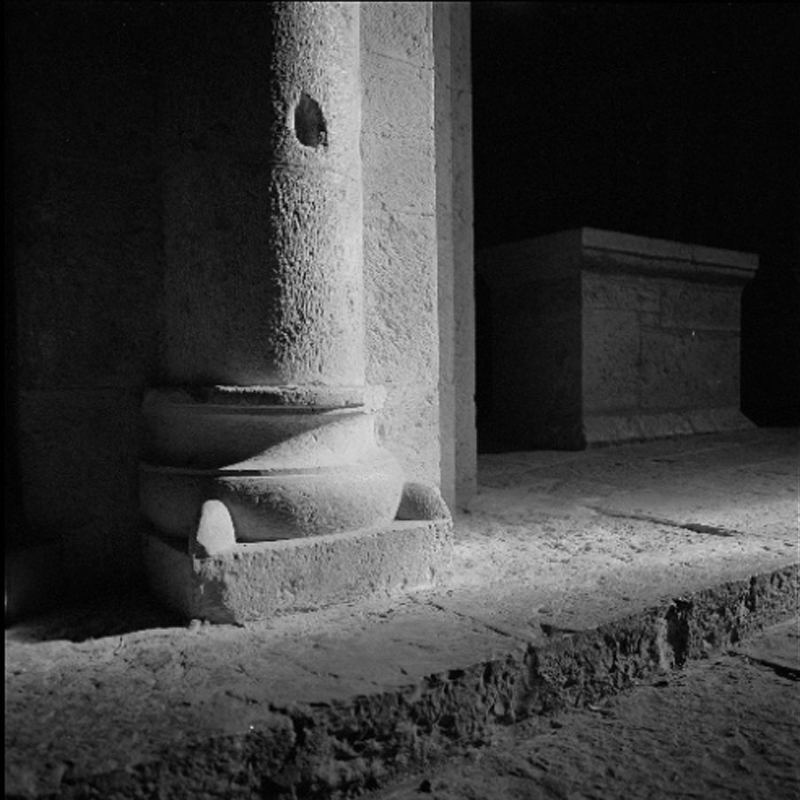
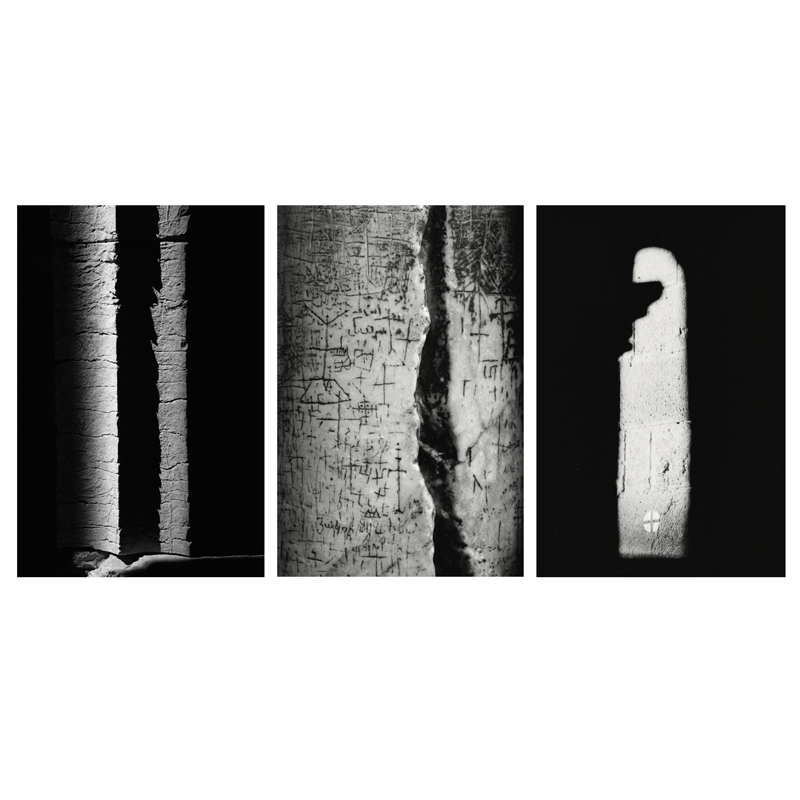
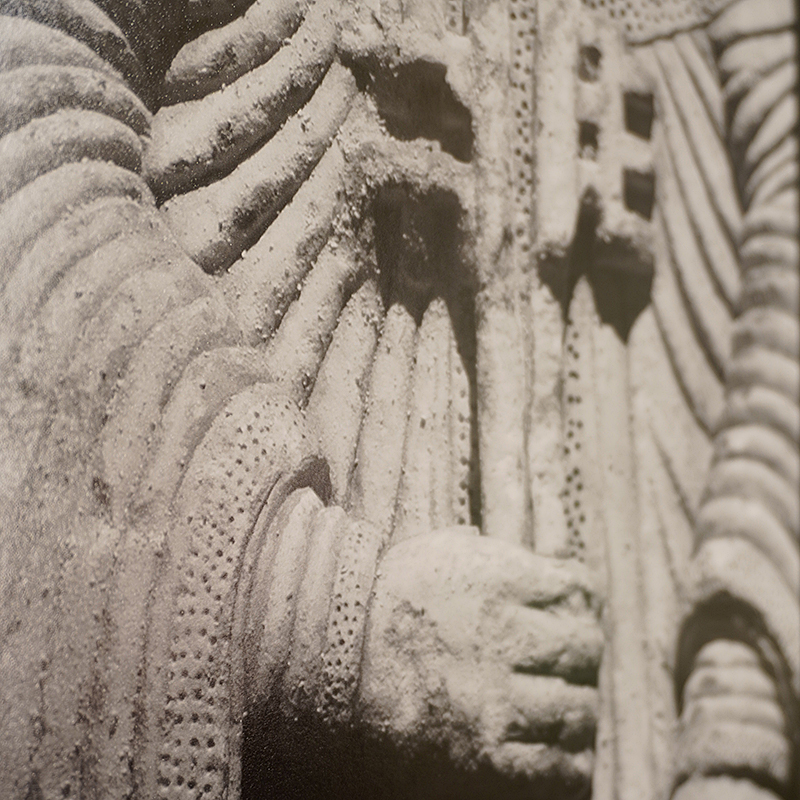
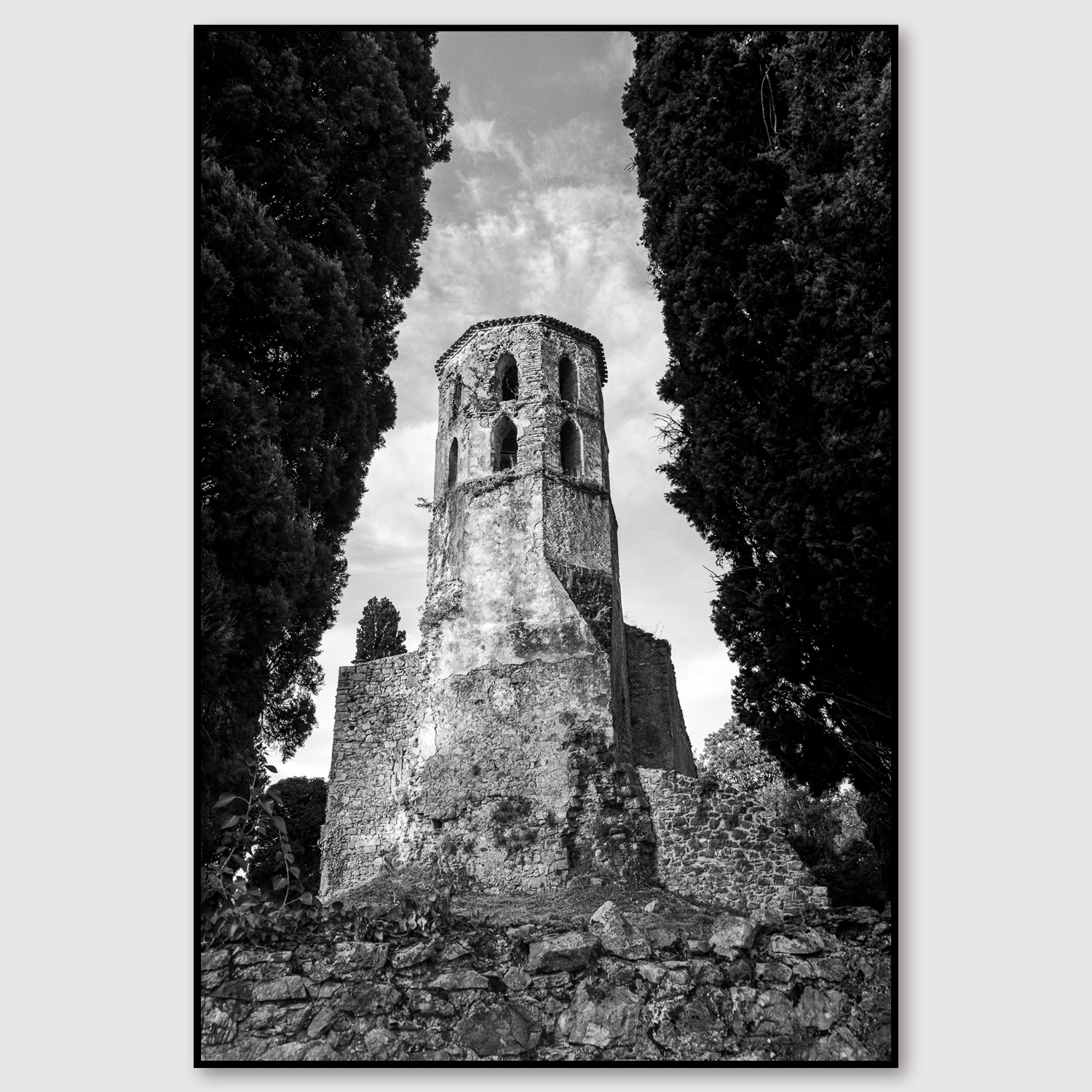
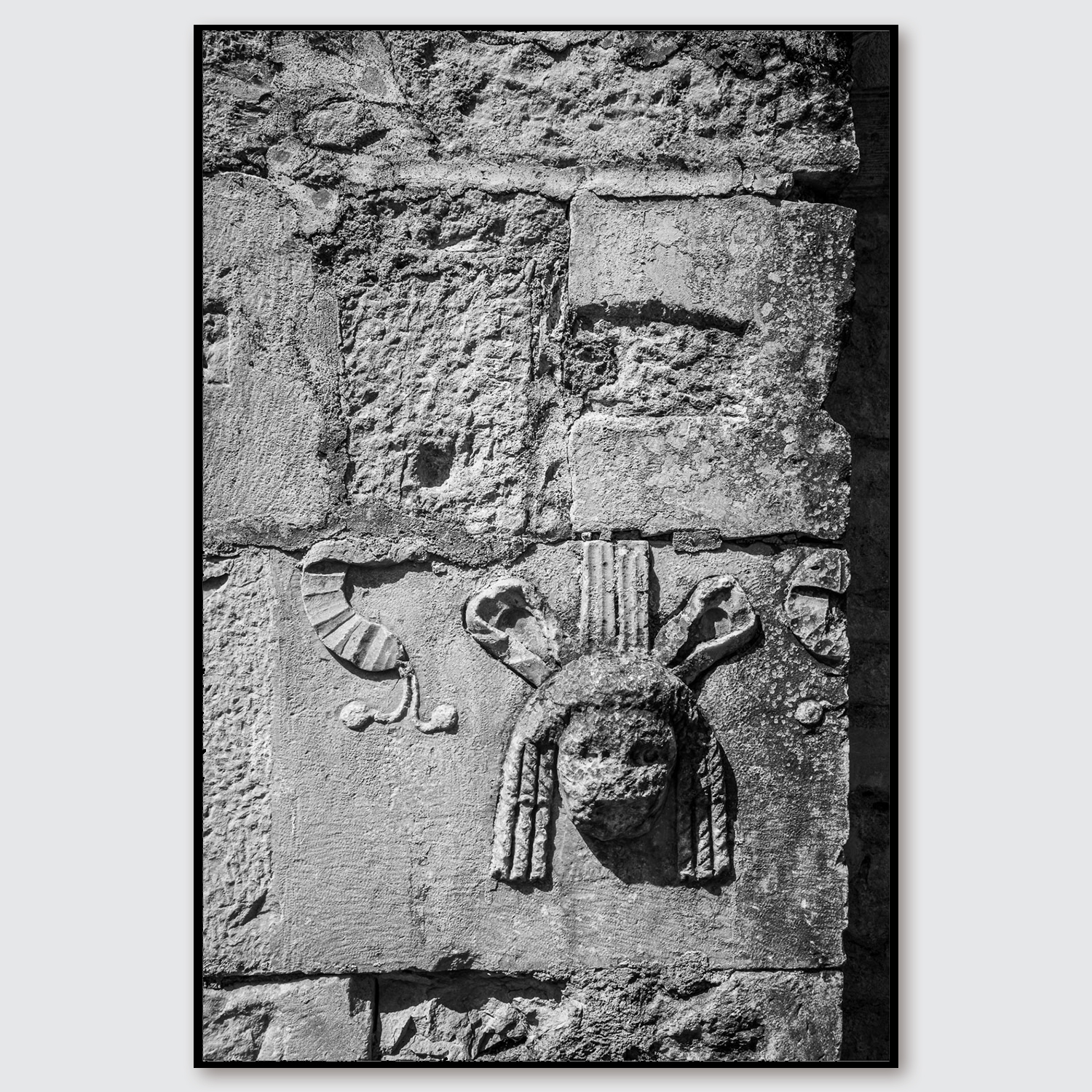
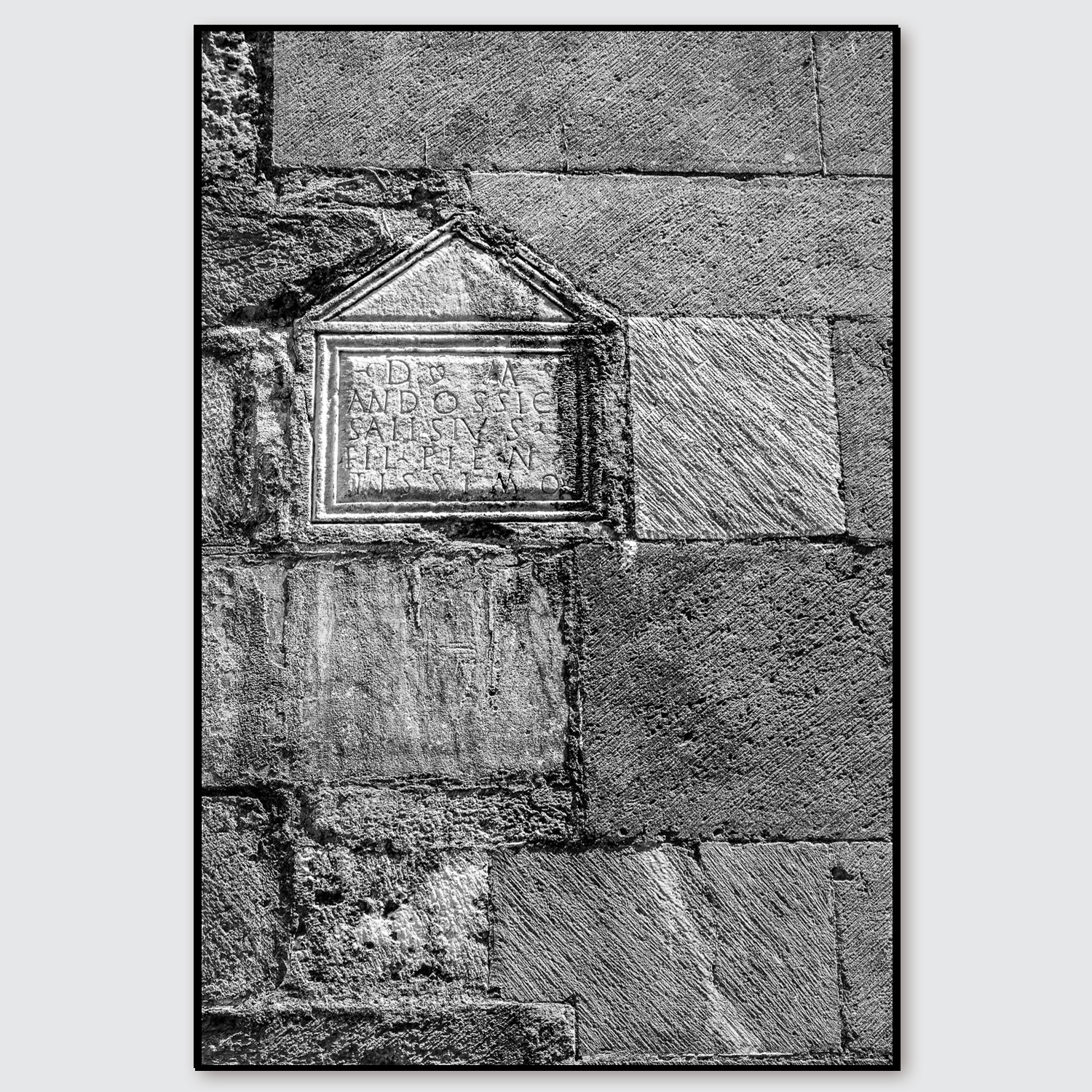
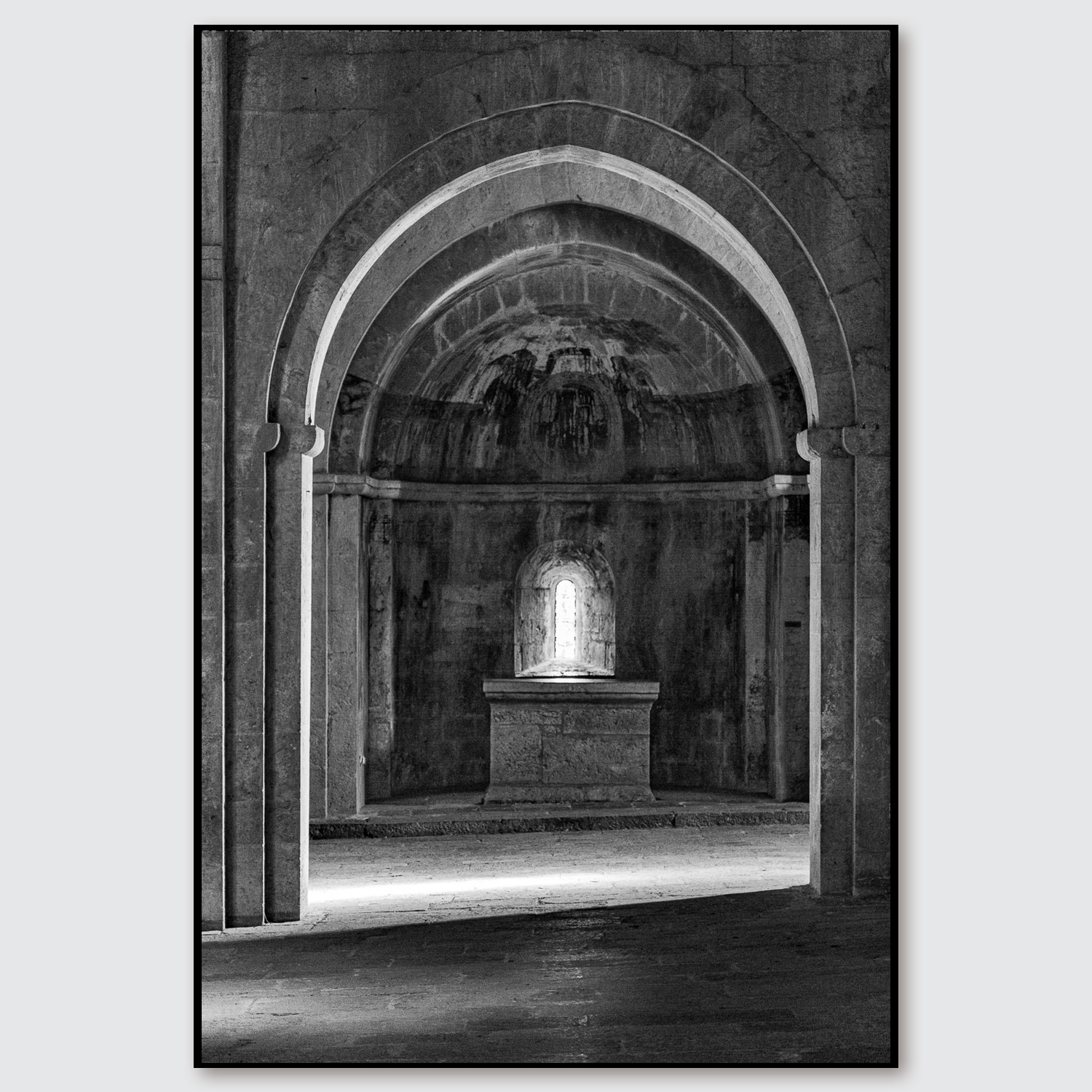
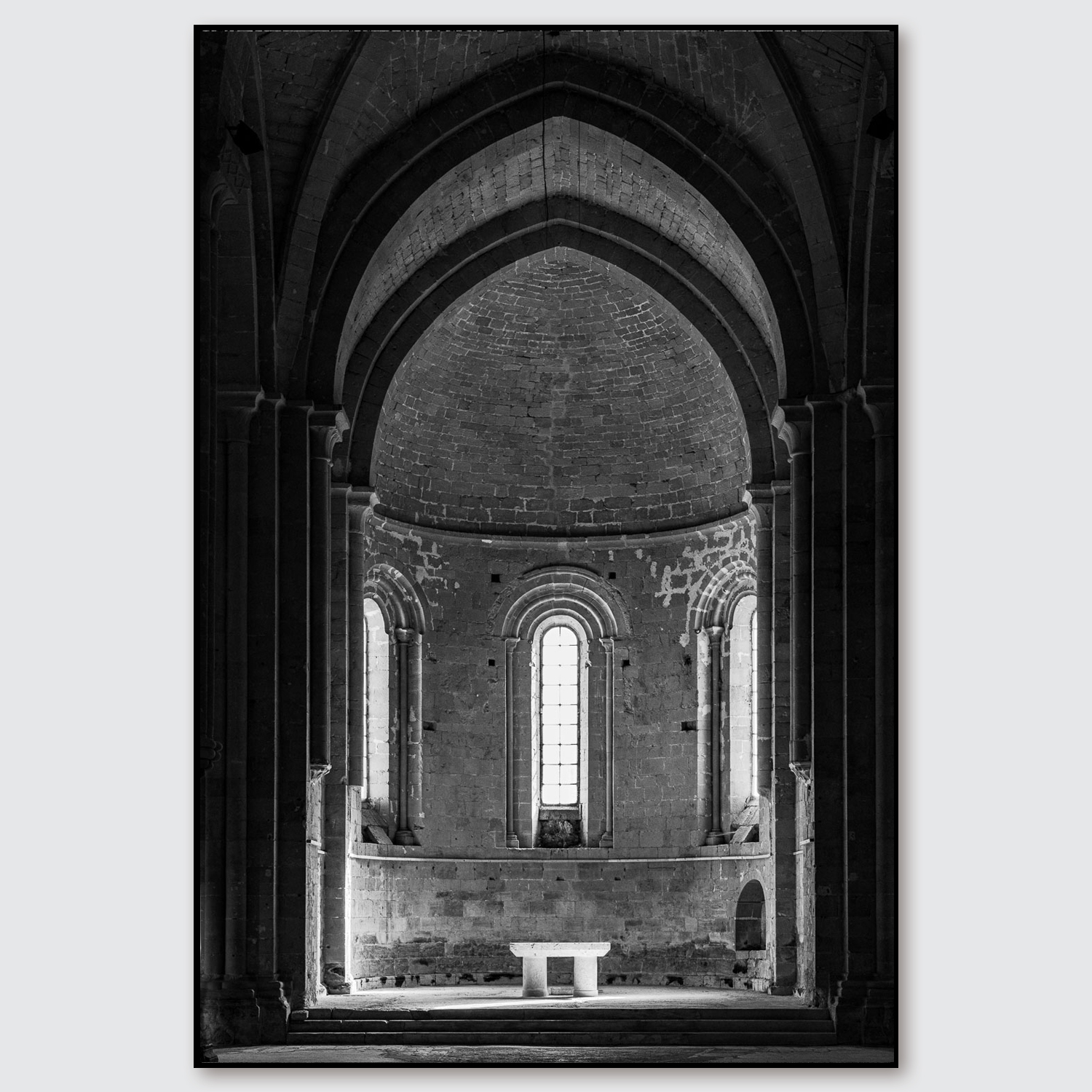
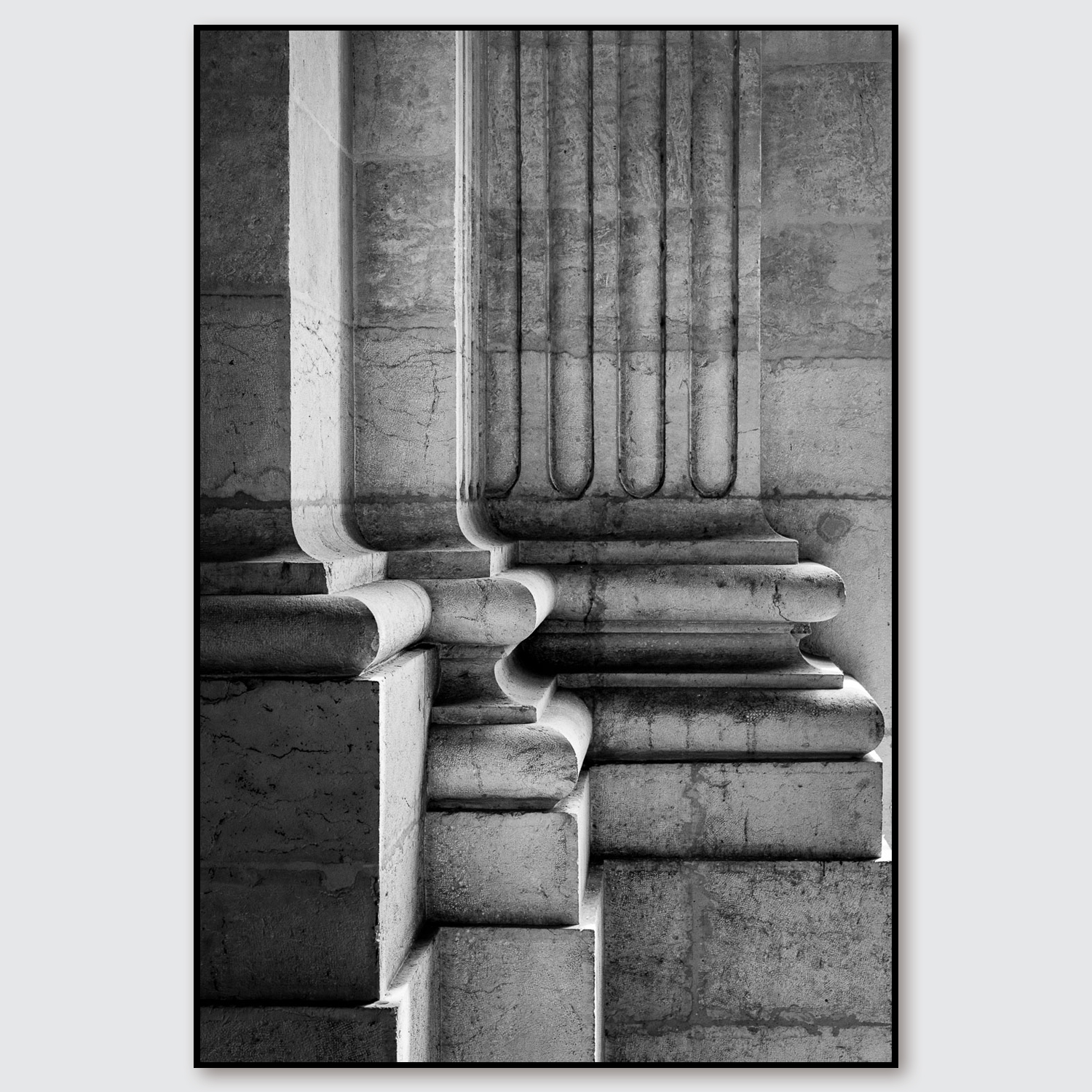
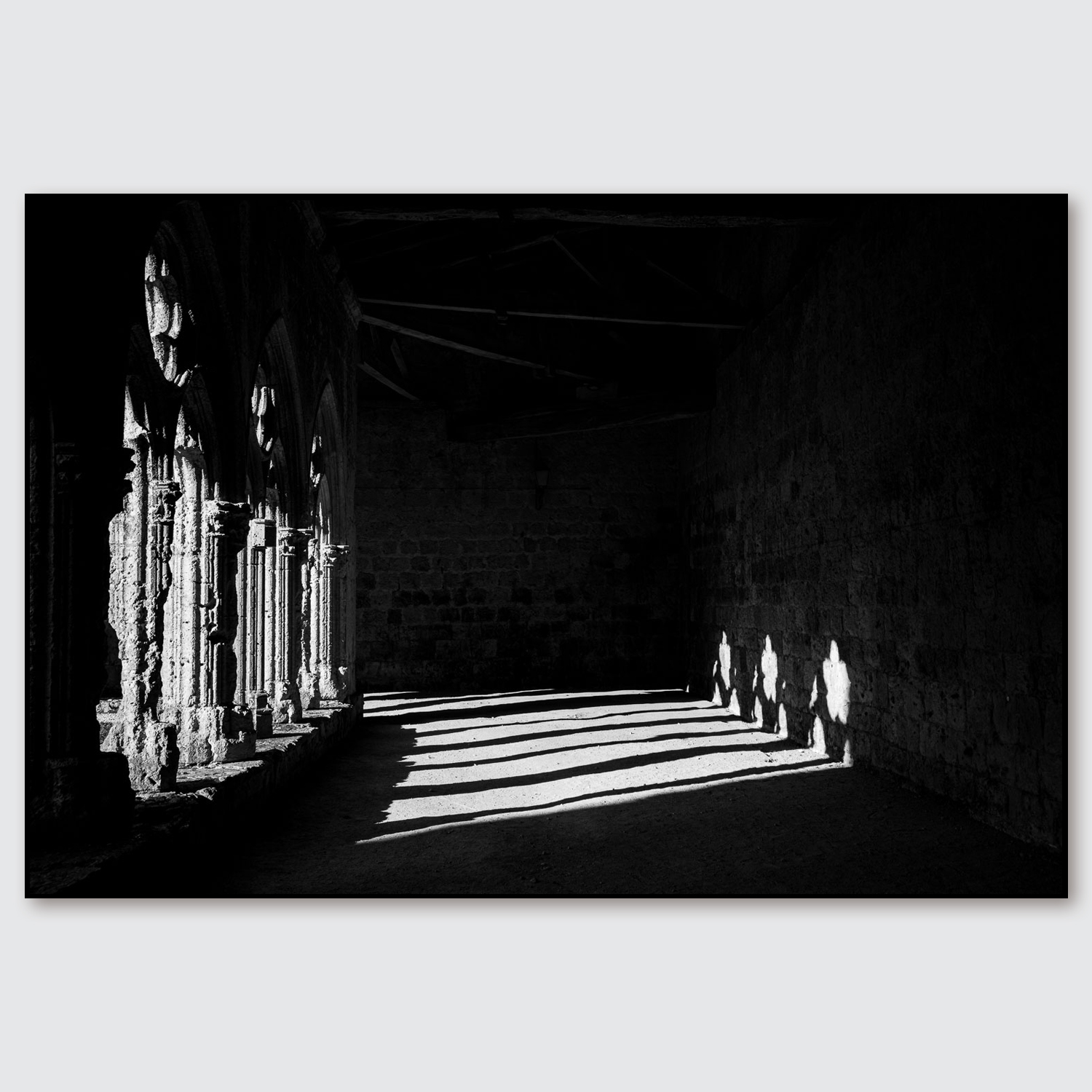
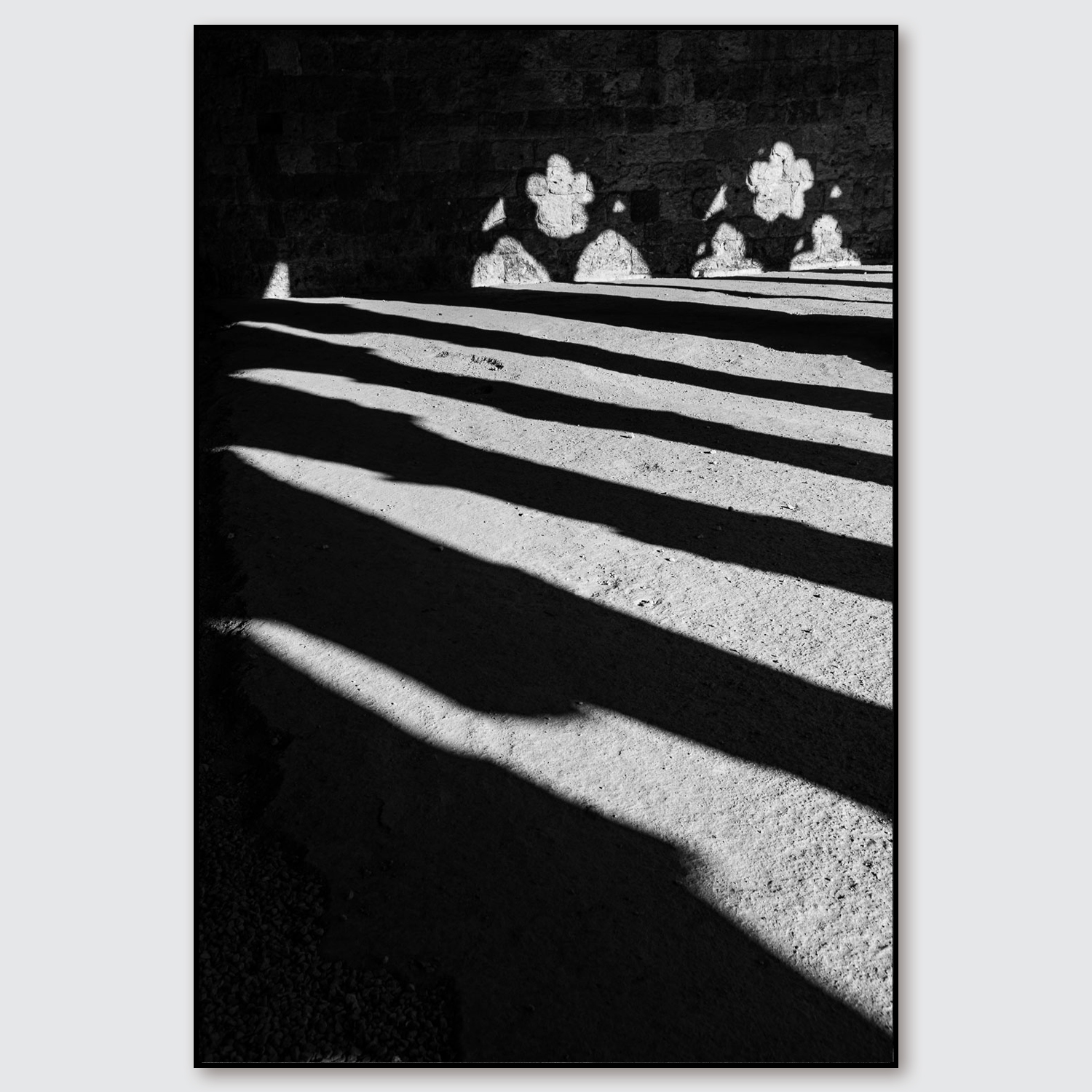
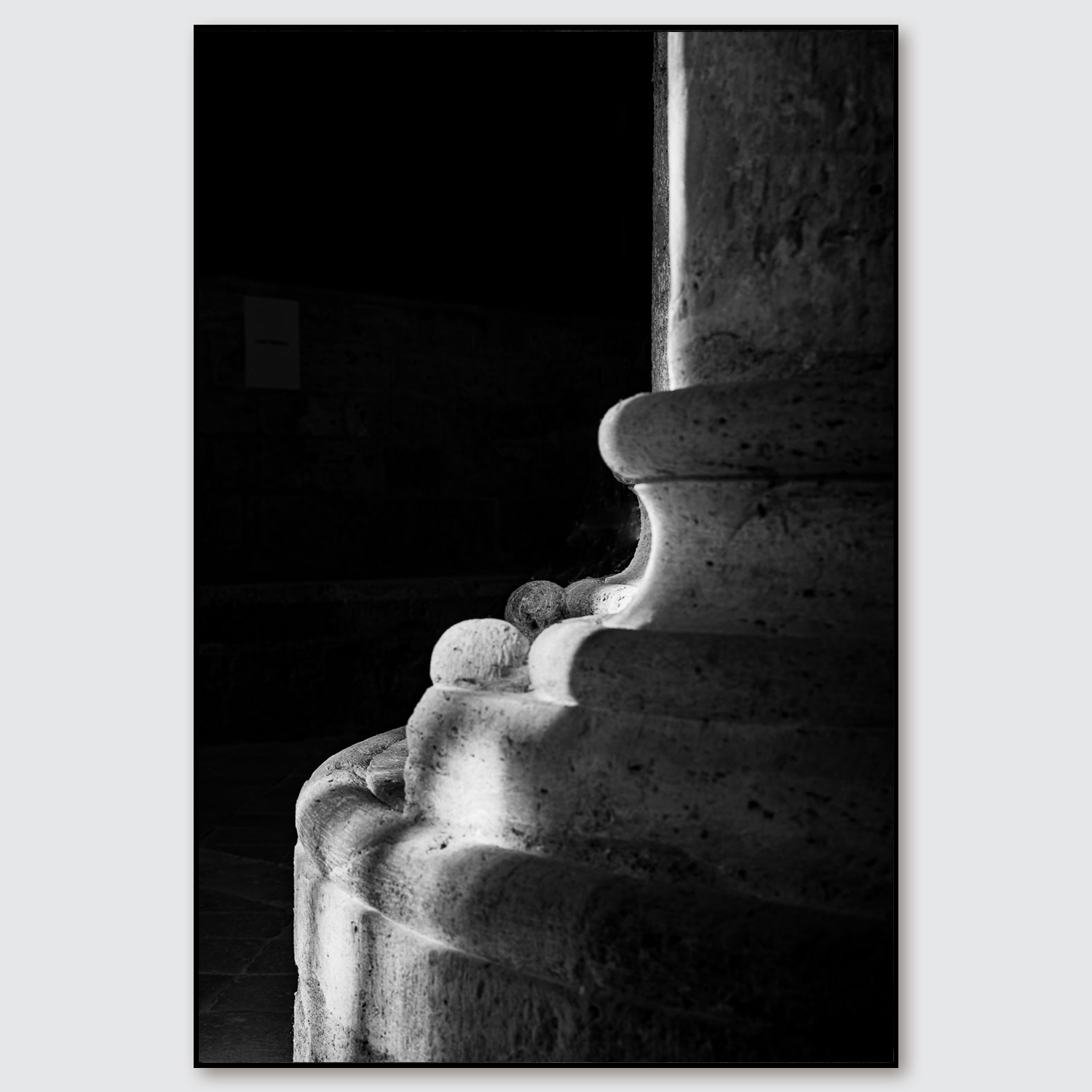
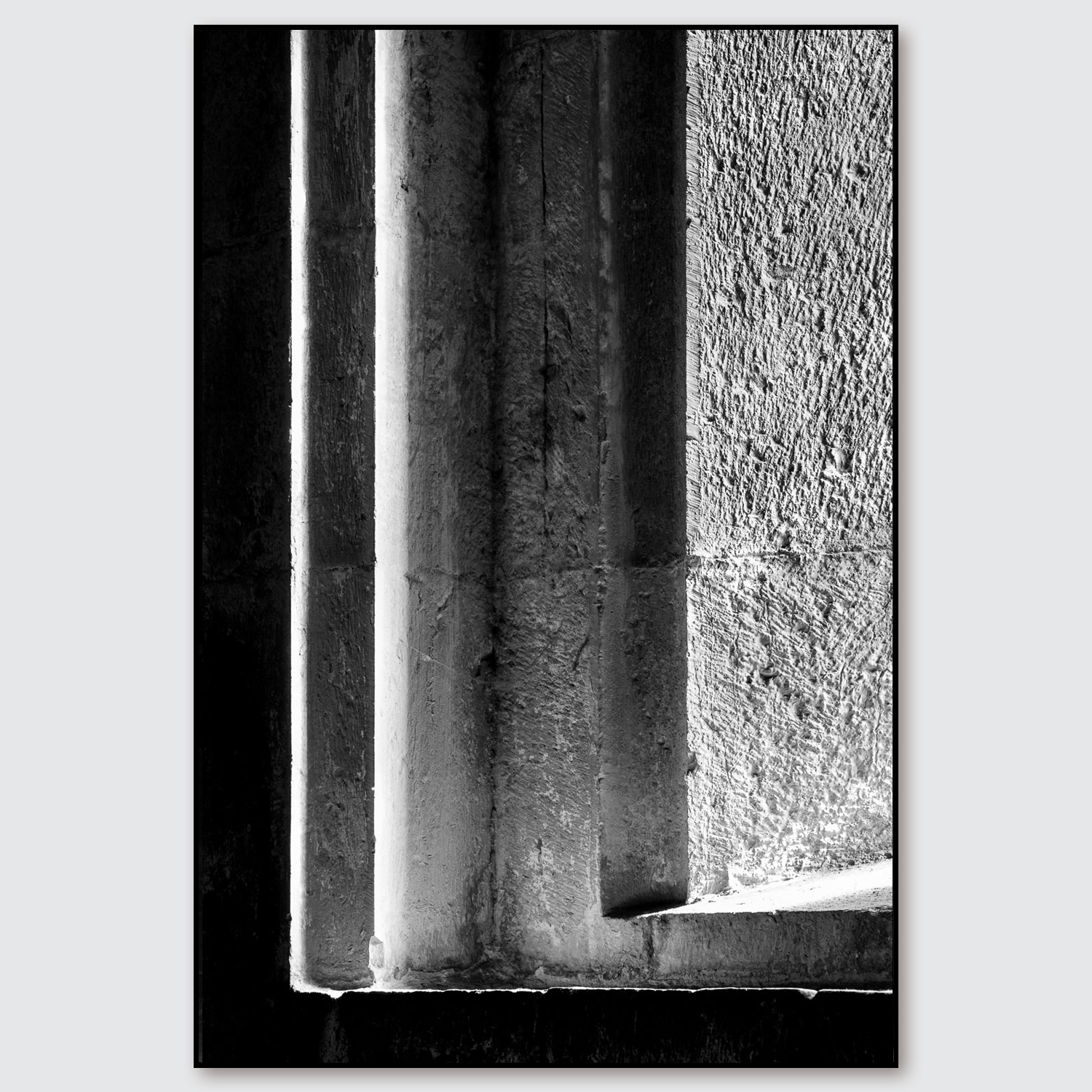
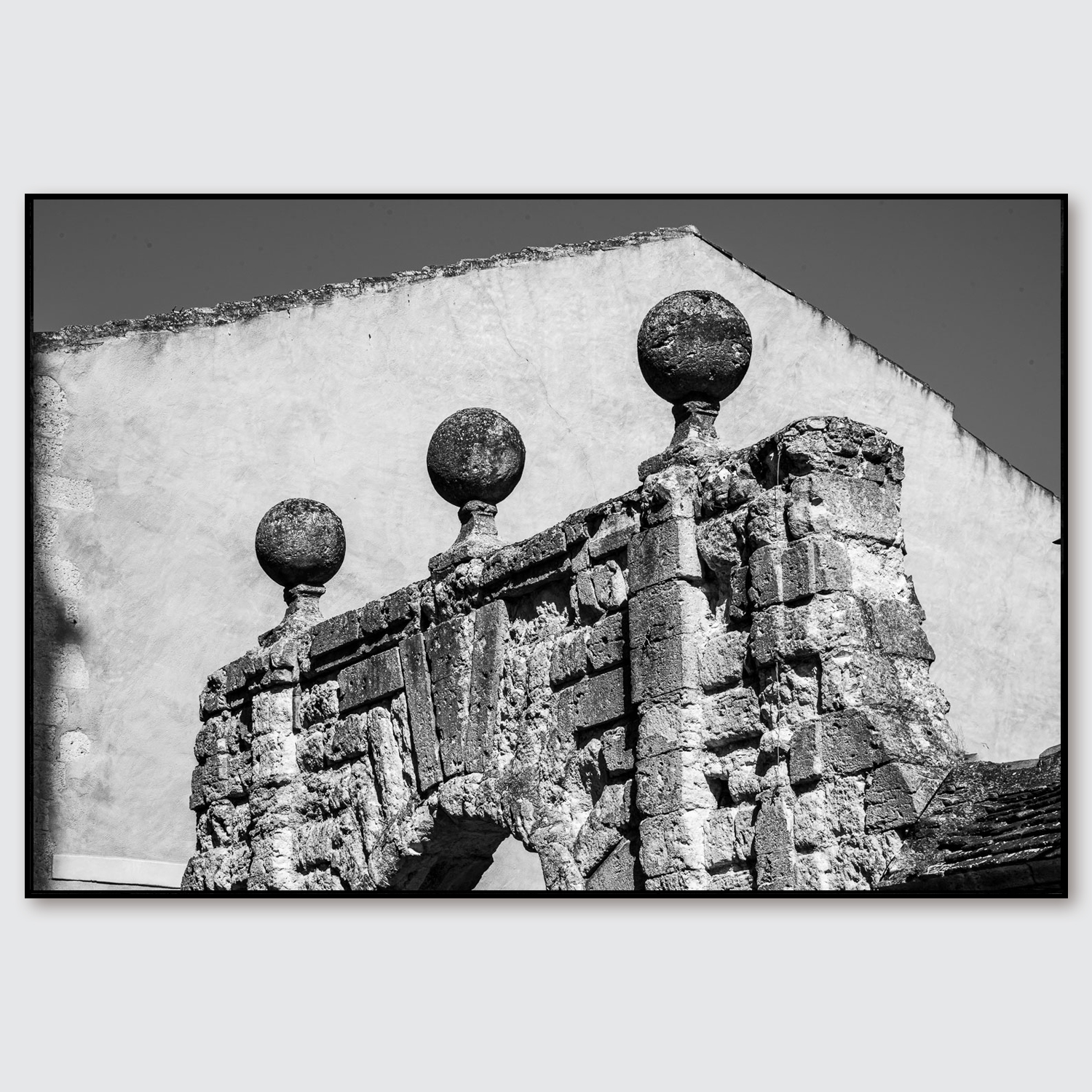
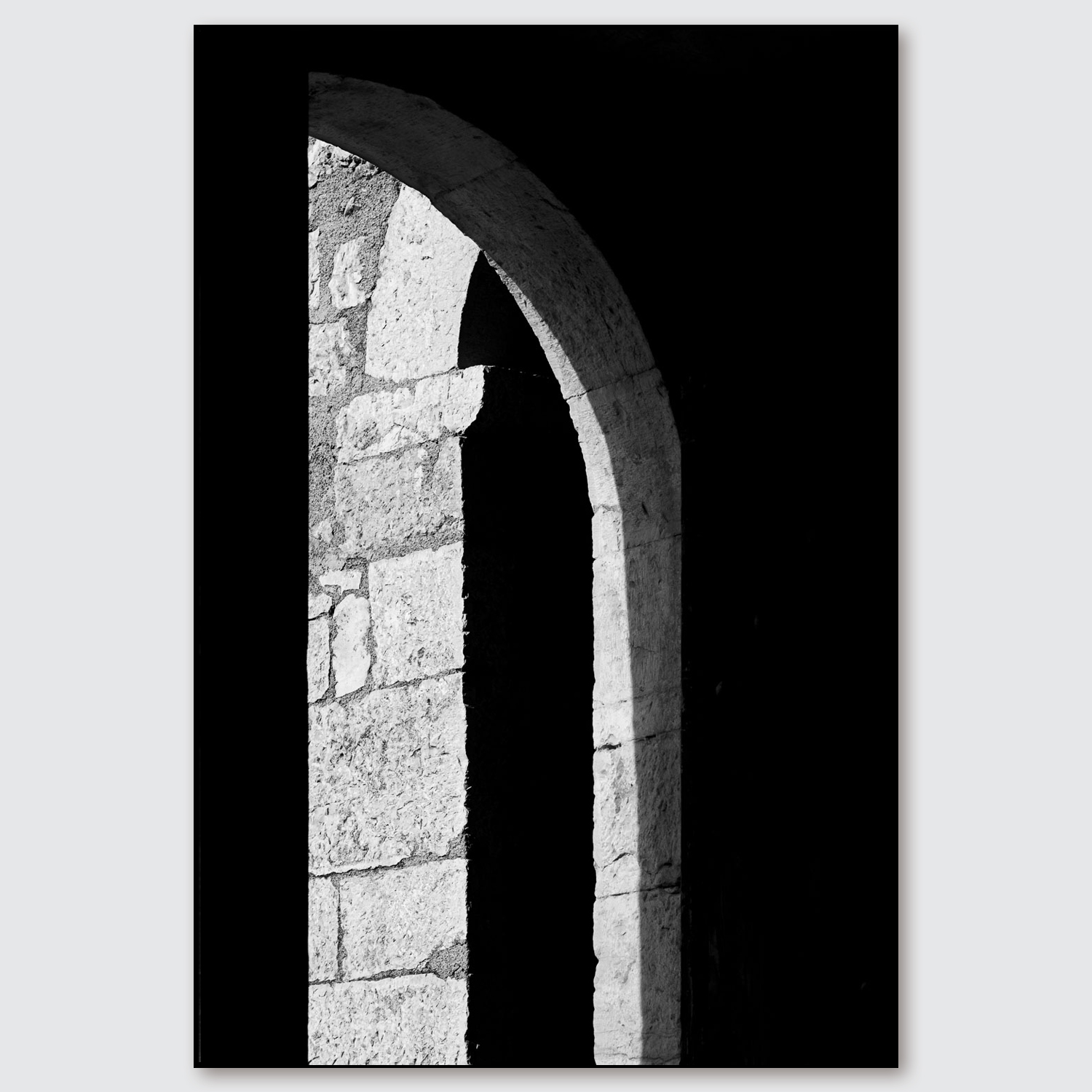
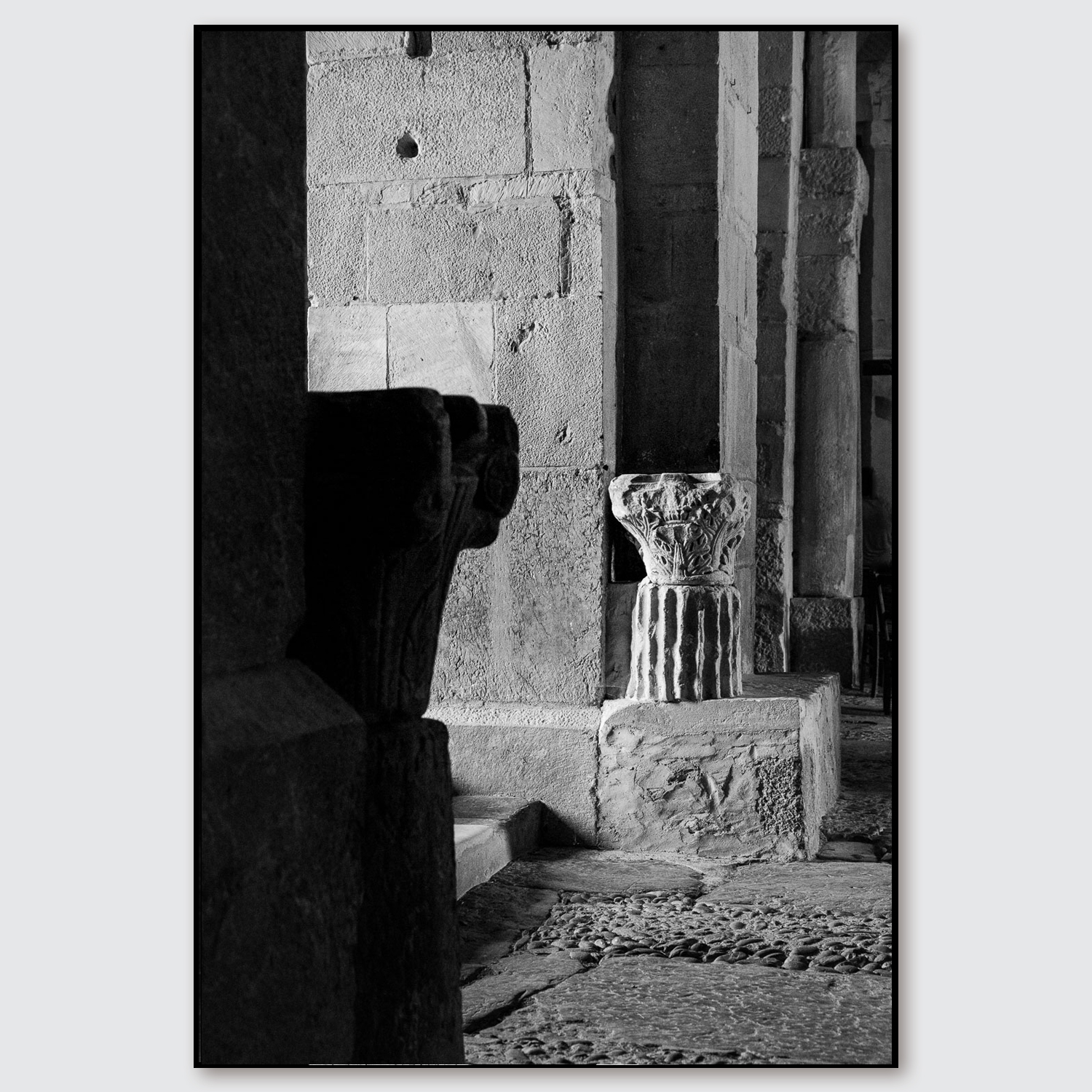
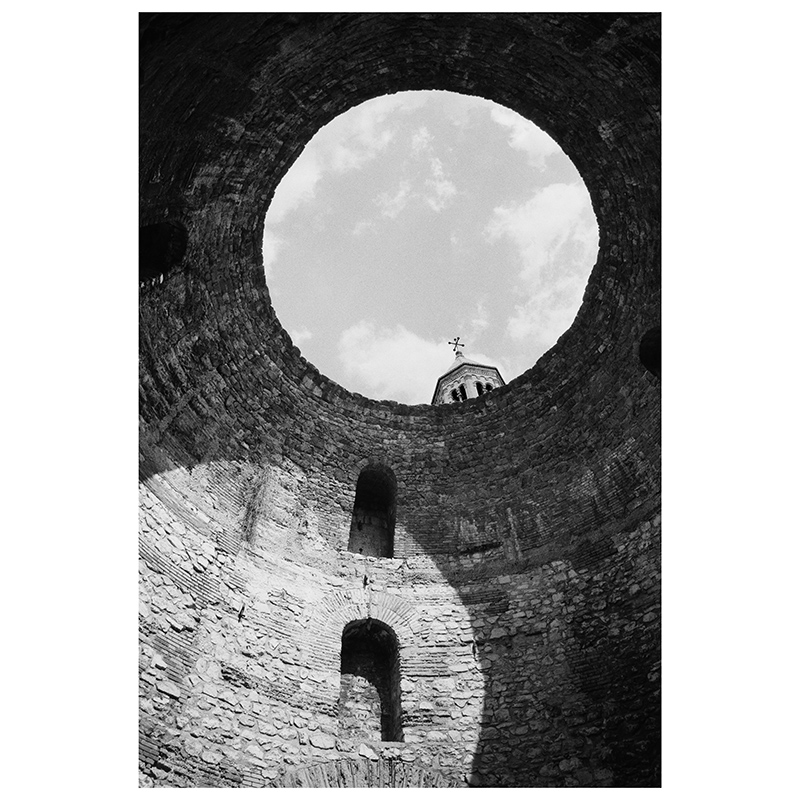
Black and white photograph of St. Peter’s Church in Tuscania, Italy. Ferrante Ferranti explores the vestiges of the past through the play of shadows and light created by the sun. With the soul of an archaeologist, this architect by training combines his photographic work with his passion for antiquity and the Baroque.
Length : 0.39 in / 1 cm
Height : 23.62 in / 60 cm
Width : 15.75 in / 40 cm
Weigth : 2.2 lb / 1 kg
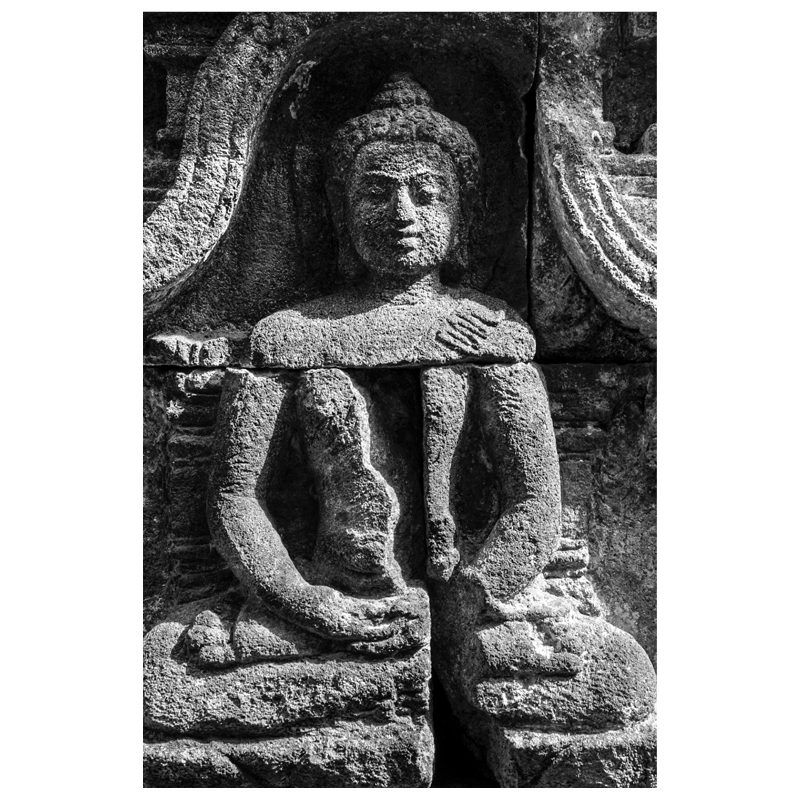
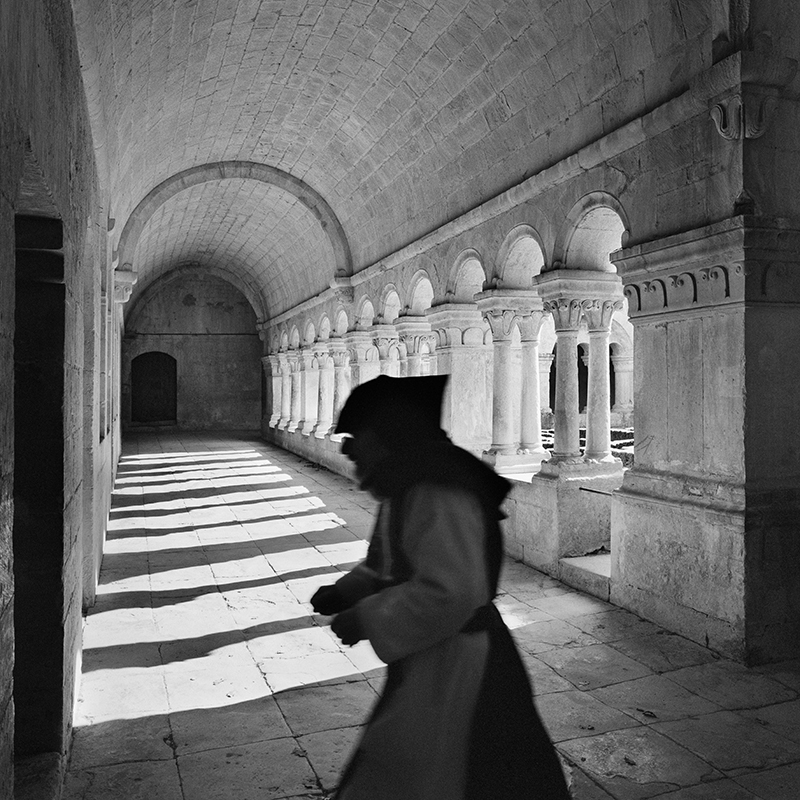
SAINT PETER, CHURCH OF TUSCANIA, ITALY (2009) / TEMPLE OF BOROBUDUR, INDONESIA (2009)
Artist : Ferrante Ferranti
Technique: Digital photography
Support: Fine Art Pearl Paper laminated on dibond
Dimensions: 60 x 40 cm / 60 x 40 cm
Number of copies: 12, signed and numbered
Year: 2009
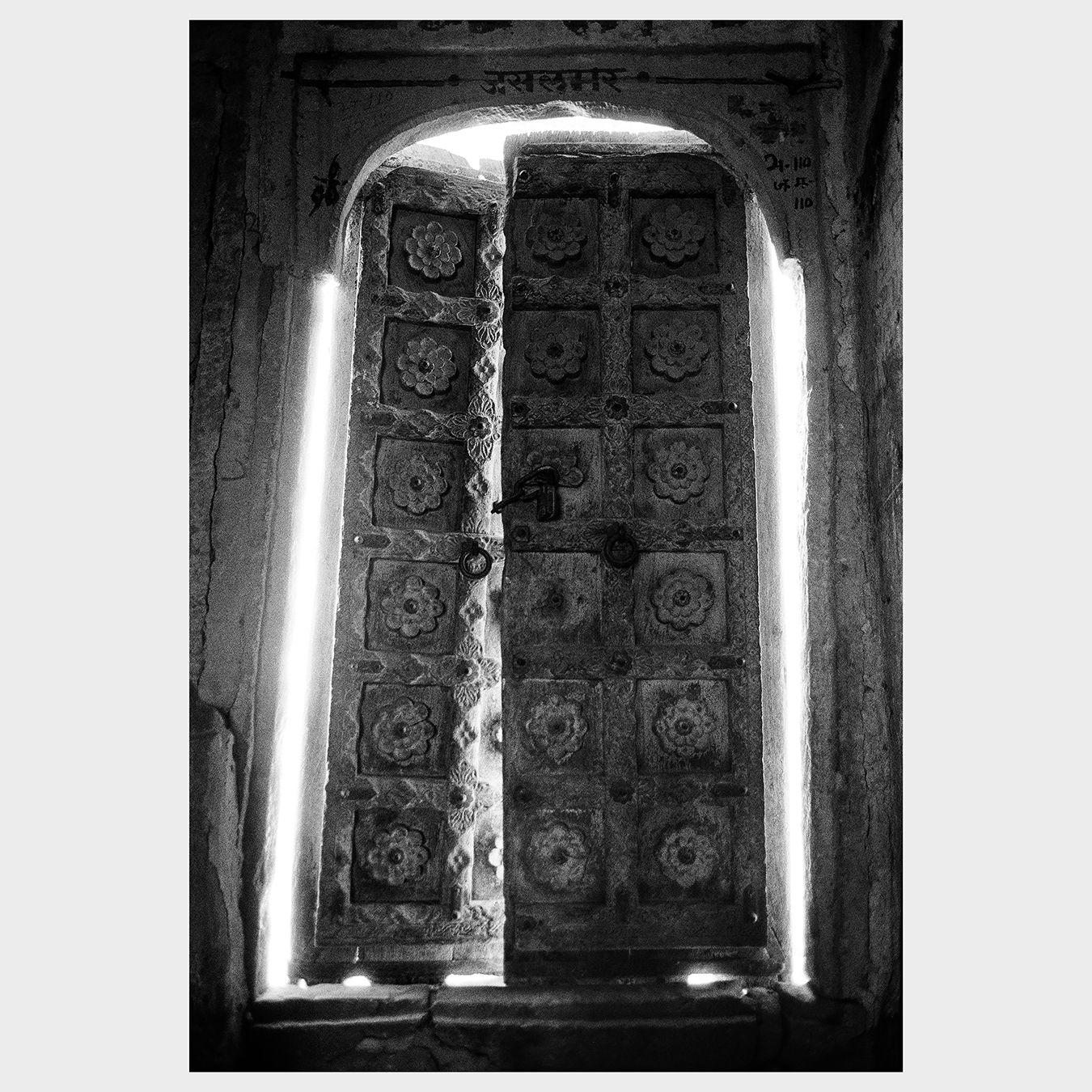
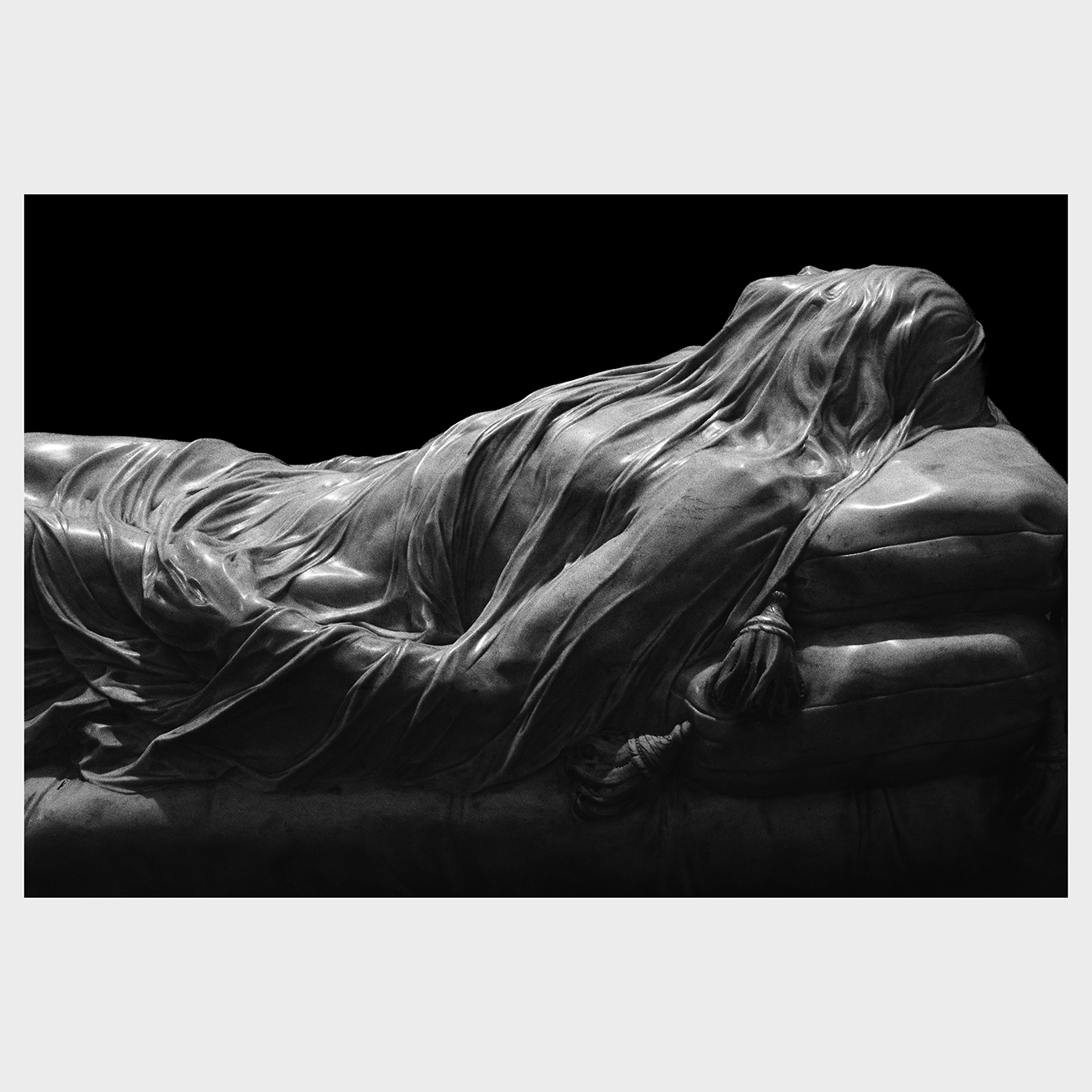
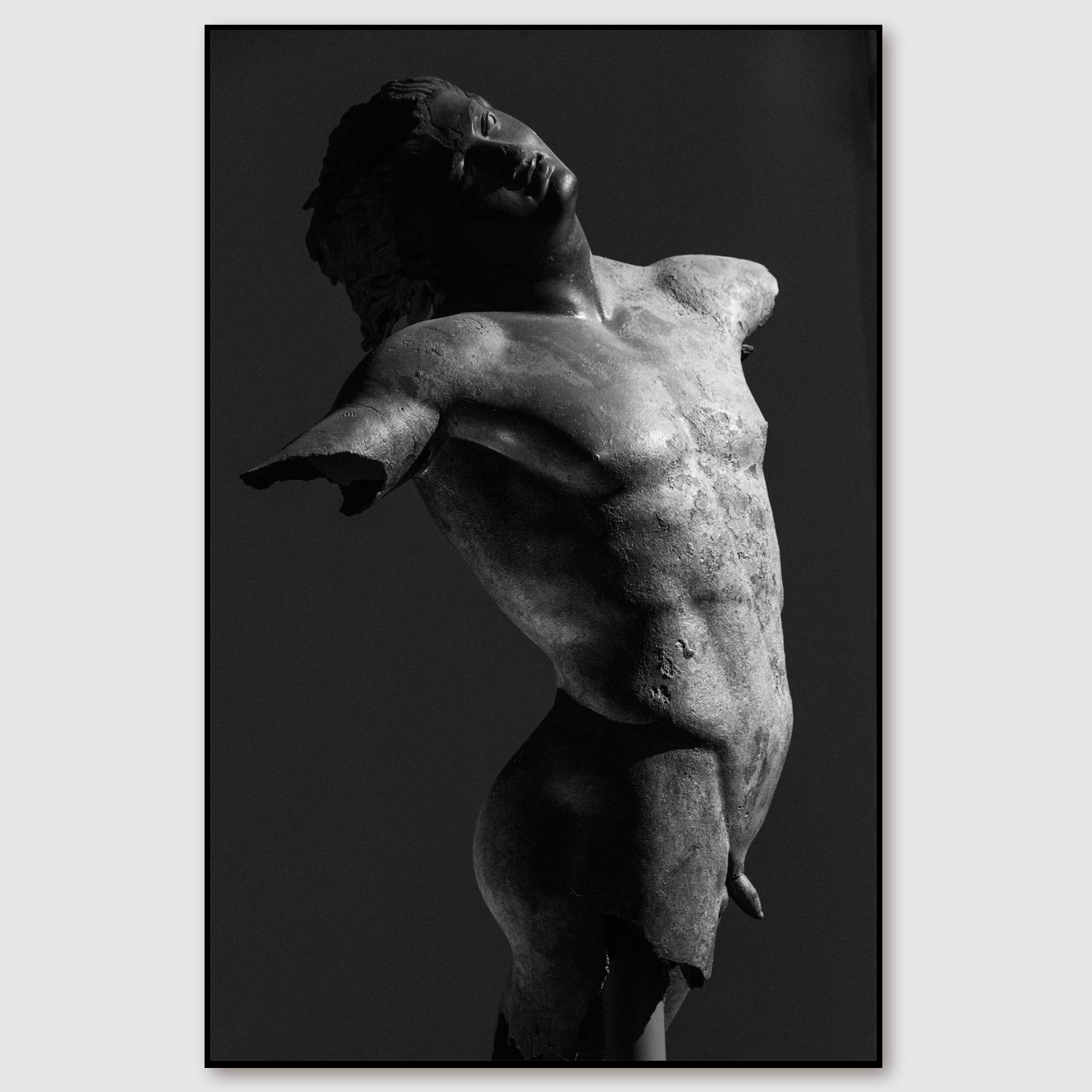
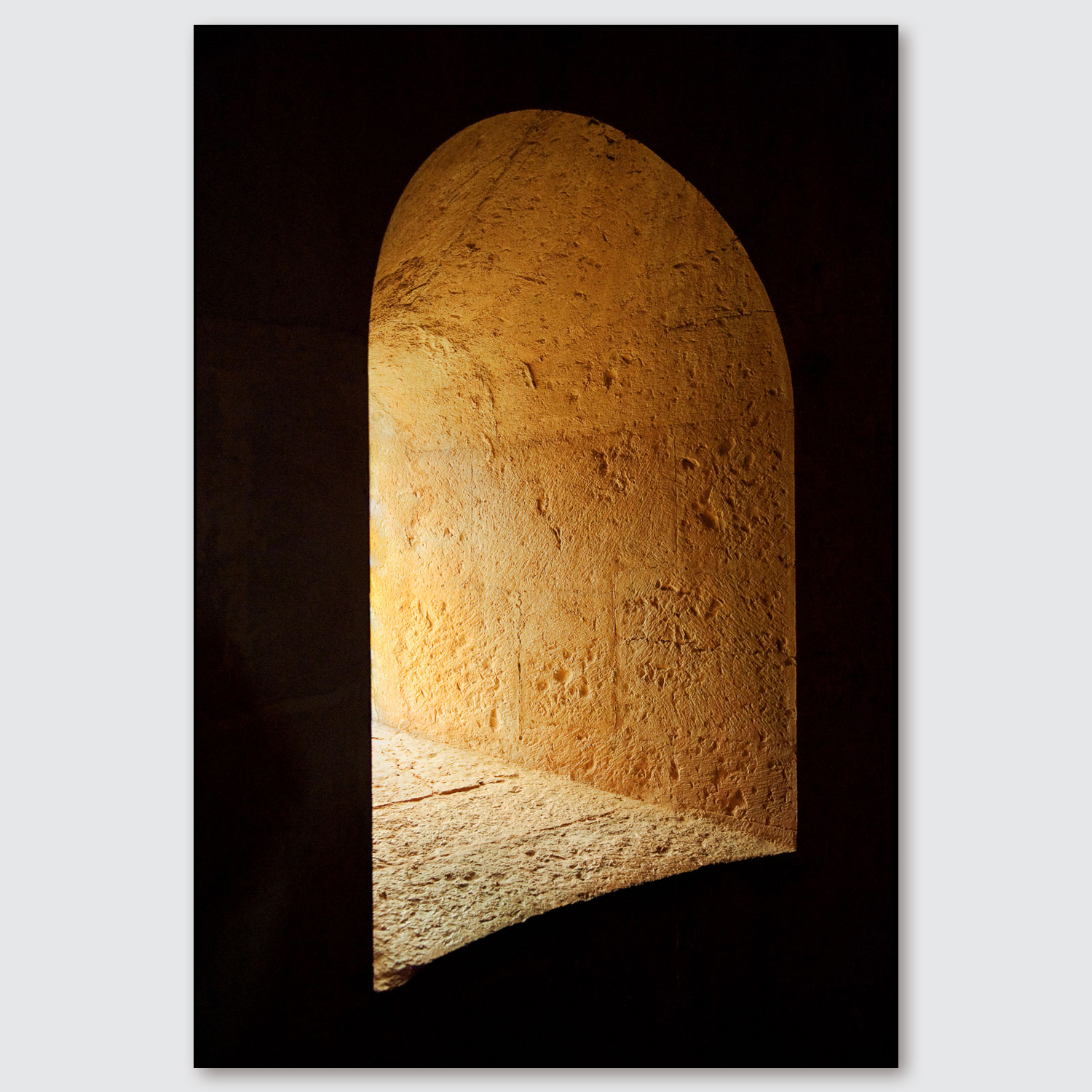
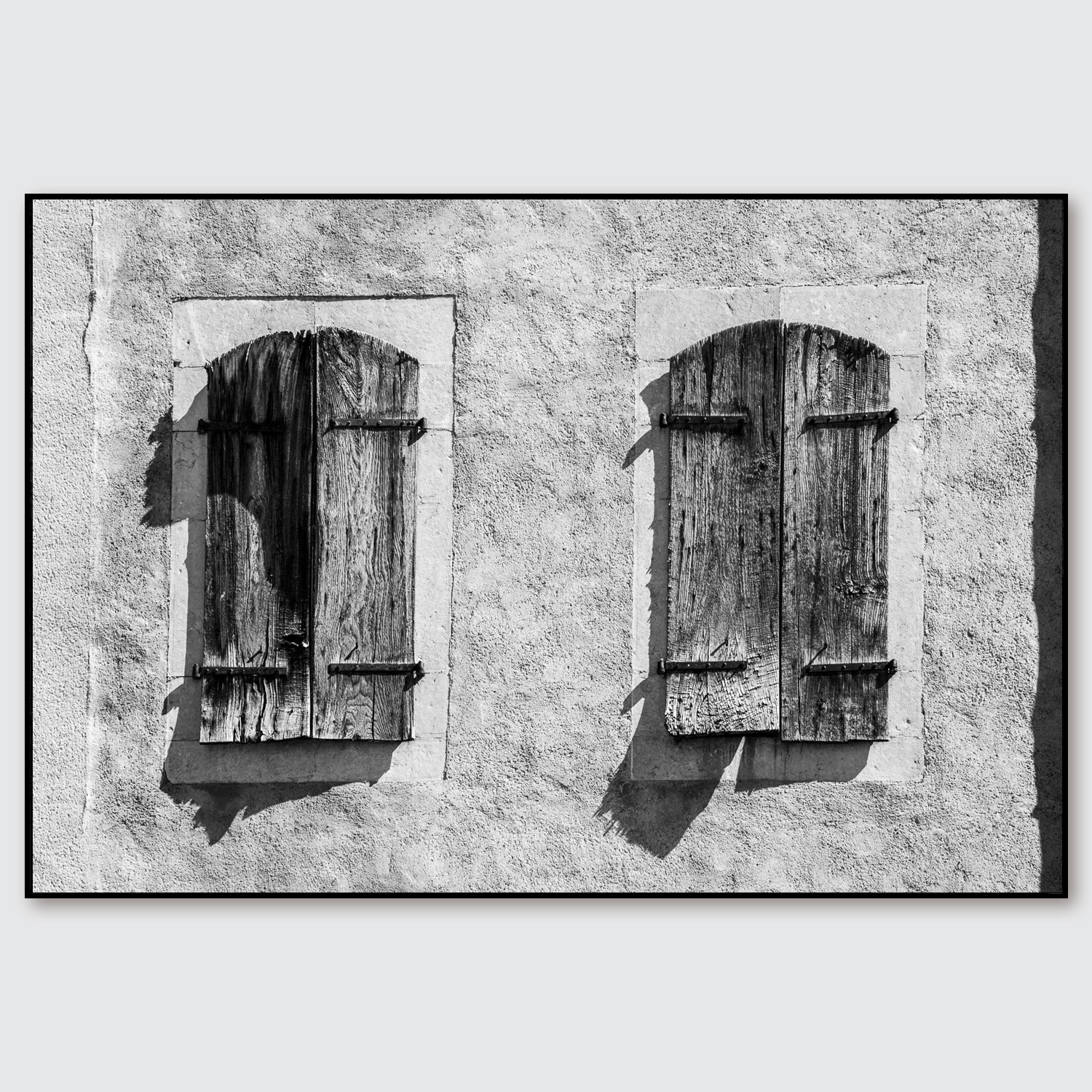
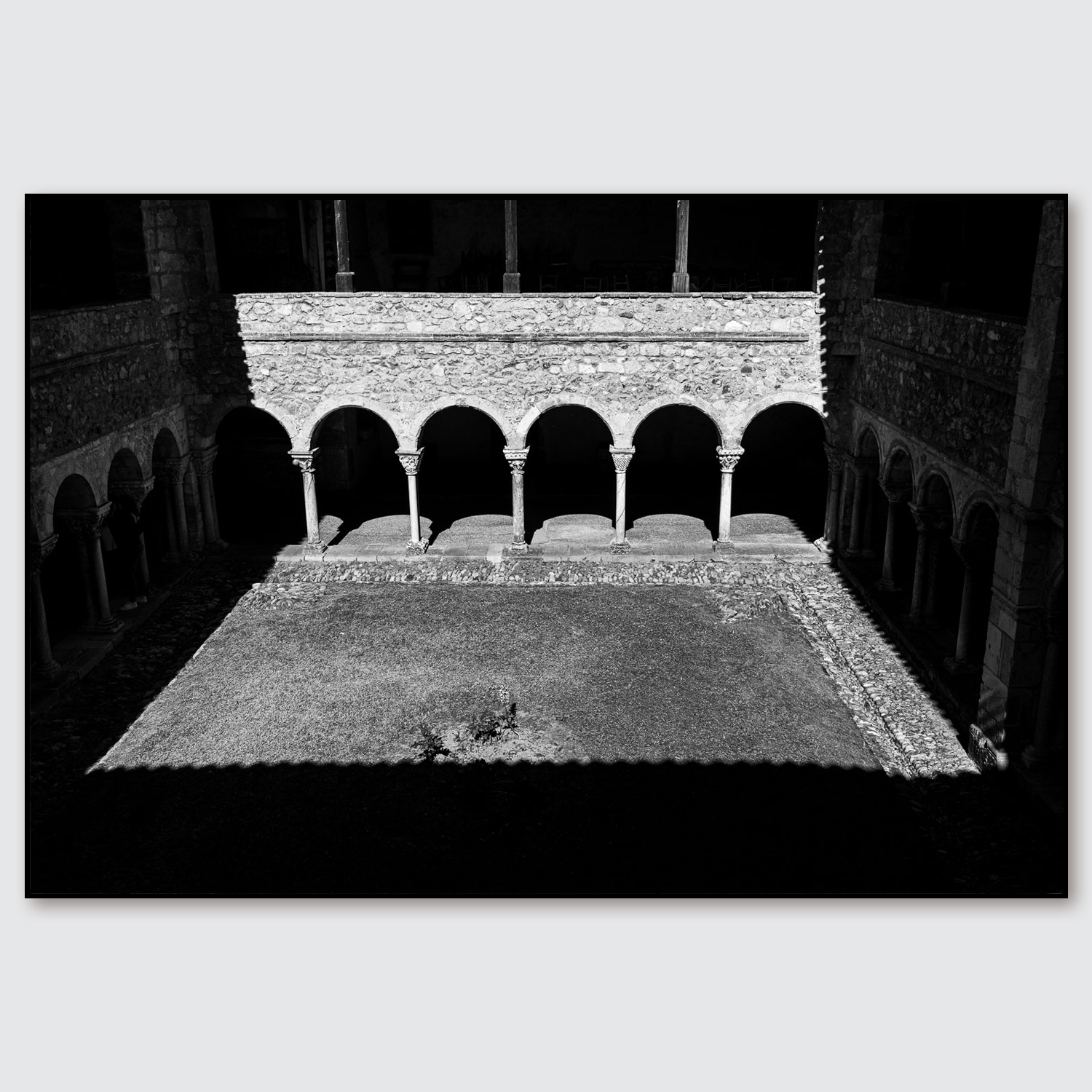
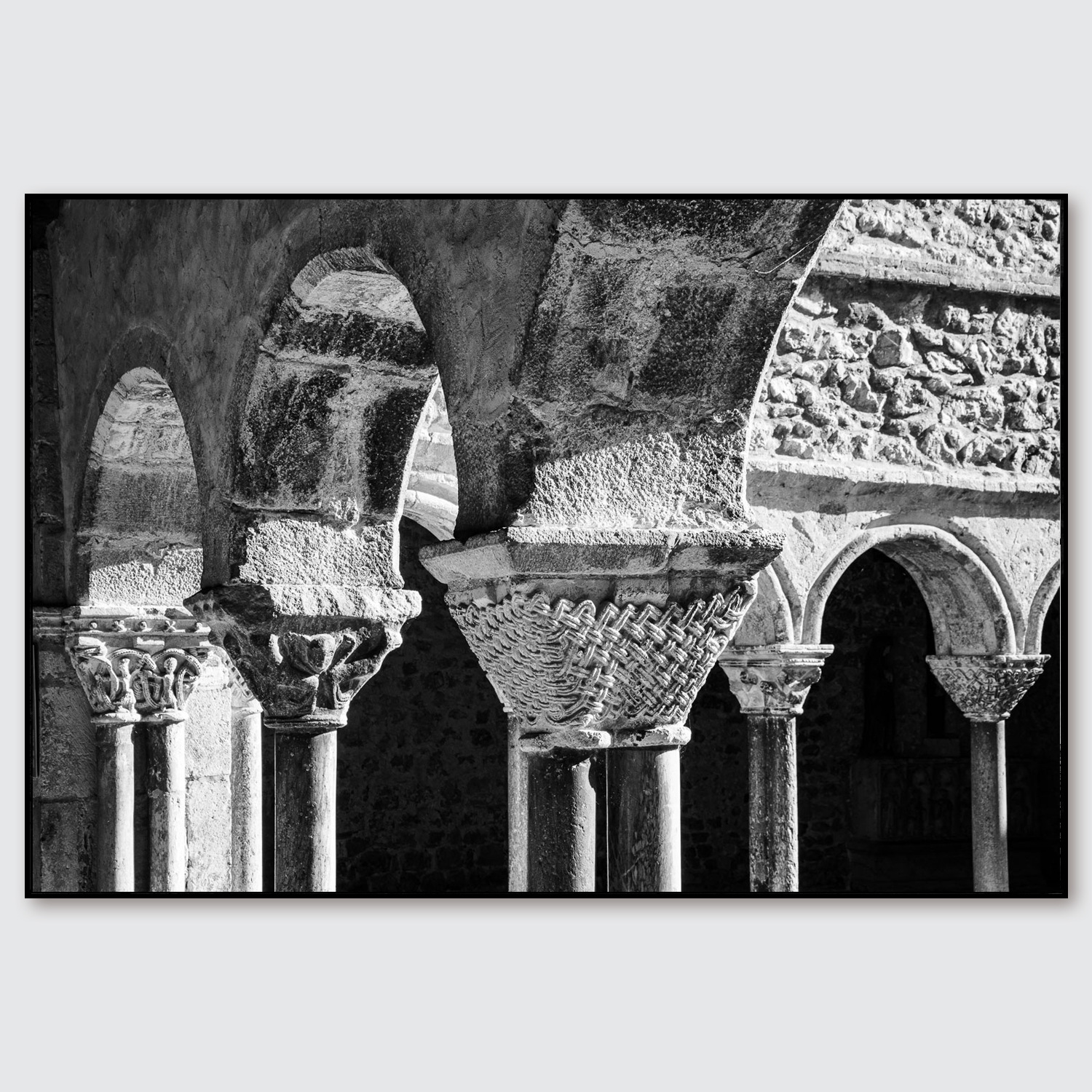
Inspiration: In Ways of Almighty…, Ferrante Ferranti deploys a contemplative approach to landscape and architecture, seeking less to depict a specific place than to reveal its spiritual and poetic intensity. Through the diptych montage — two juxtaposed images — the photographer engages in a visual dialogue between shapes, textures and lights, creating a tension that invites the eye to travel through the image as one crosses a sacred space.
The black and white light chisels the volumes and sculpts the surfaces, revealing a latent presence that goes beyond simple documentary description. This diptych work allows us to perceive a quest for the gaze: two complementary perceptions that respond to each other and make up a larger visual experience, both intimate and meditative.
Presented as an exploration of the visible and the invisible, Ways of Almighty… embodies the singular way in which Ferranti approaches the photographic act — not as a frozen record of a reality, but as an opening to a space of contemplation where shadow and light become instruments of poetic thought.
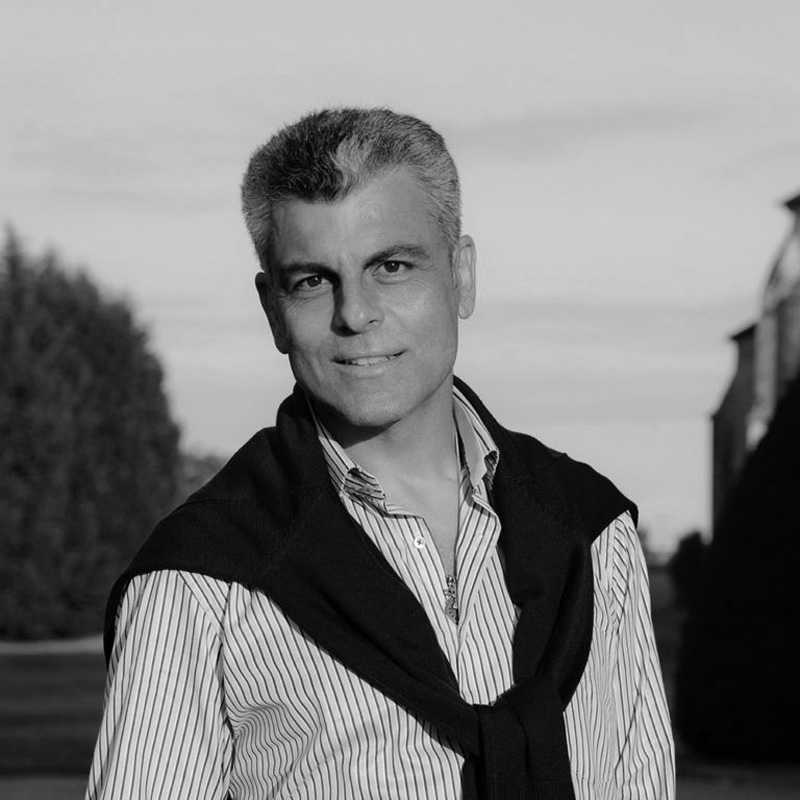
Ferrante Ferranti
FRANCE
Born January 13, 1960 in Algeria, of a Sardinian mother and a Sicilian father. He took his first photograph at the age of eighteen, a wave in Belle-Île-en-Mer. Passionate about Fernand Pouillon’s book, Les Pierres Sauvages, he began training as an architect in Toulouse, which he completed at Paris-UP6 in 1985 with a diploma in Theaters and scenography in the Baroque era. Traveling photographer, he has been involved for thirty years with Dominique Fernandez in a joint exploration of the Baroque and the different layers of civilizations, from Syria to Bolivia via Sicily and Saint Petersburg. His photographs dialogue with the texts of the writer, who defines him in the album Itinerrances (Actes Sud, 2013) as “the inventor of a language which links the sun to the ruins, in search of the meaning hidden in the forms” .
Collection

Customizable
Customizable
Customizable
Customizable
Customizable
Customizable
Customizable
Customizable
Customizable
Customizable
Customizable
Customizable

Customizable

Customizable
Customizable
Customizable
Customizable
Customizable
Customizable
Customizable
Customizable
Customizable
Customizable
Customizable
Customizable
Customizable
Customizable
Customizable
Customizable
Customizable
Customizable
Customizable
Customizable