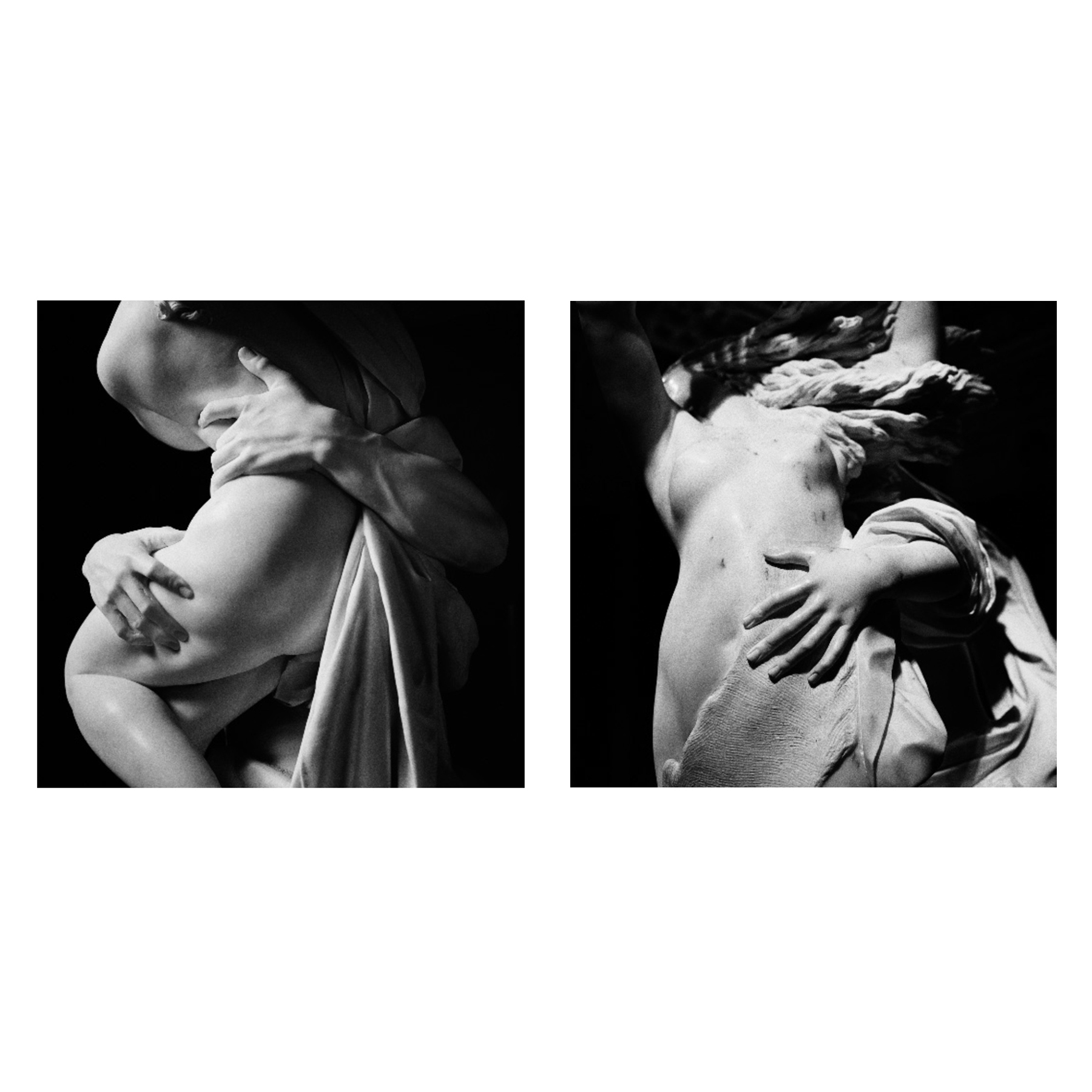

DYPTIQUE VILLA BORGHESE, BERNINI, ROME, ITALY (1997)
Référence :
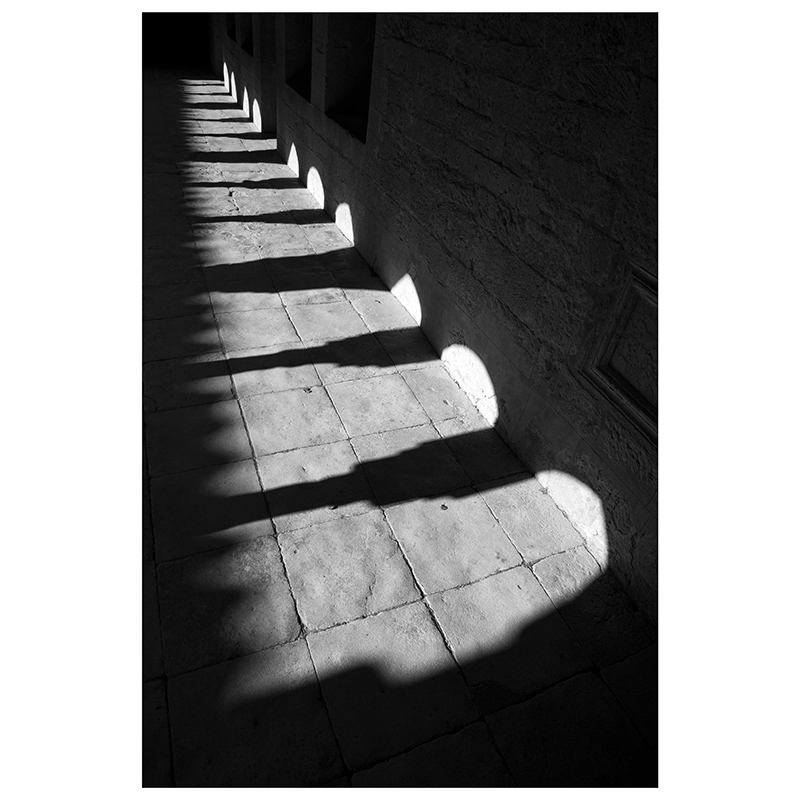
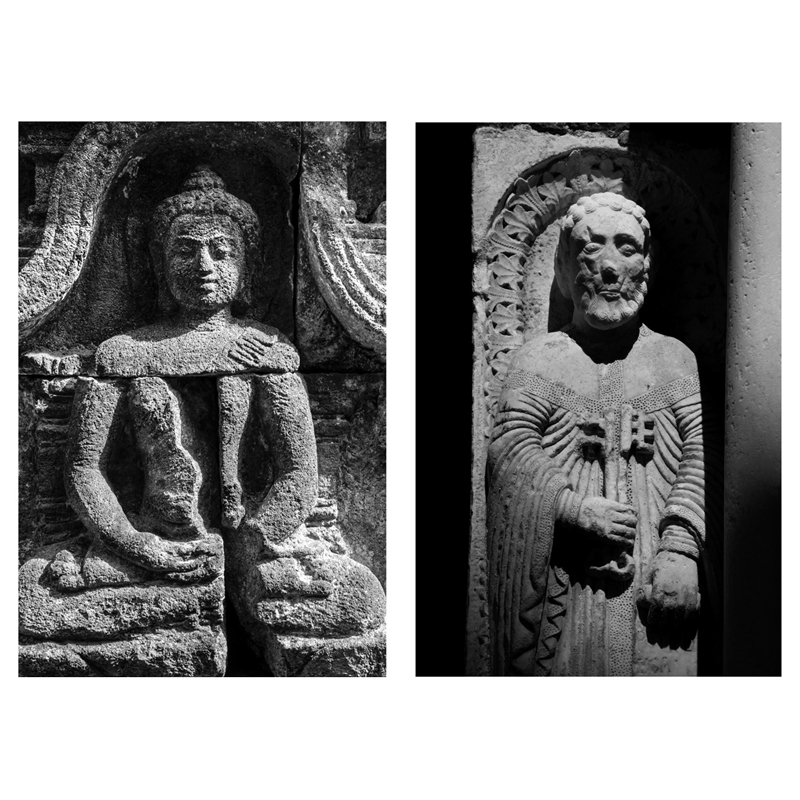
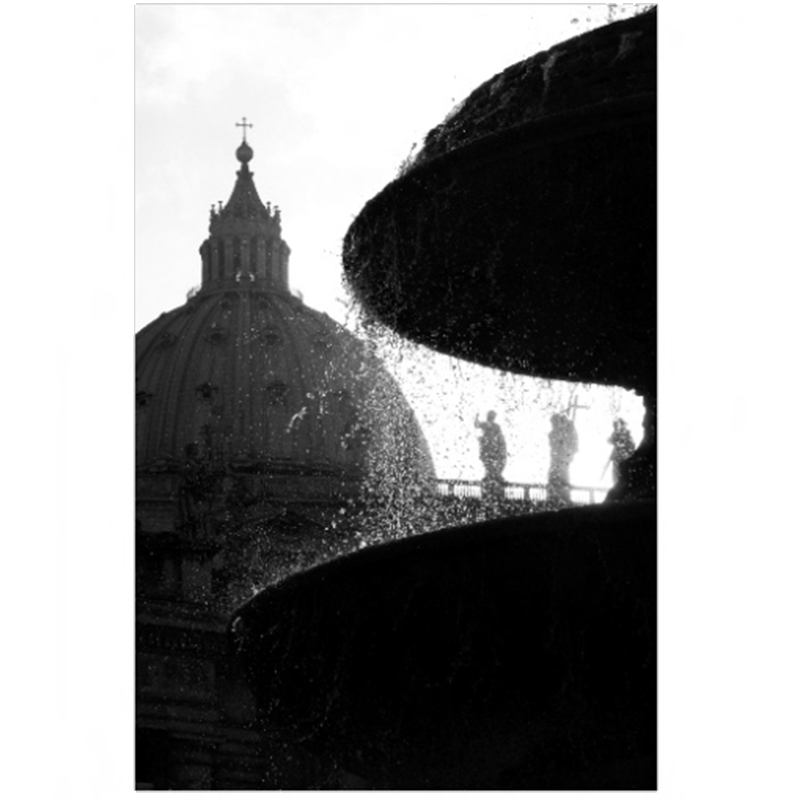
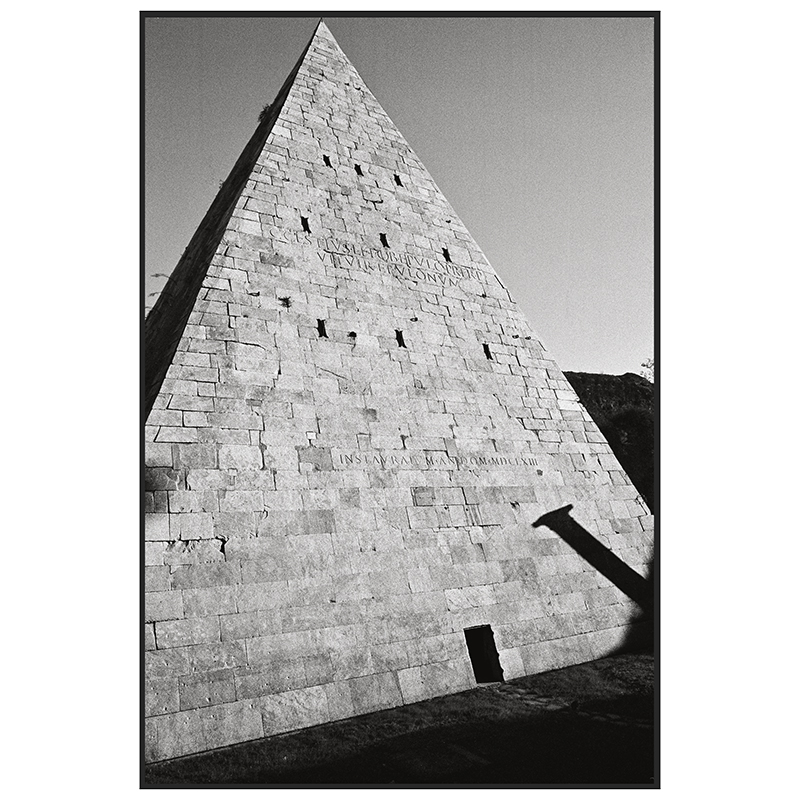
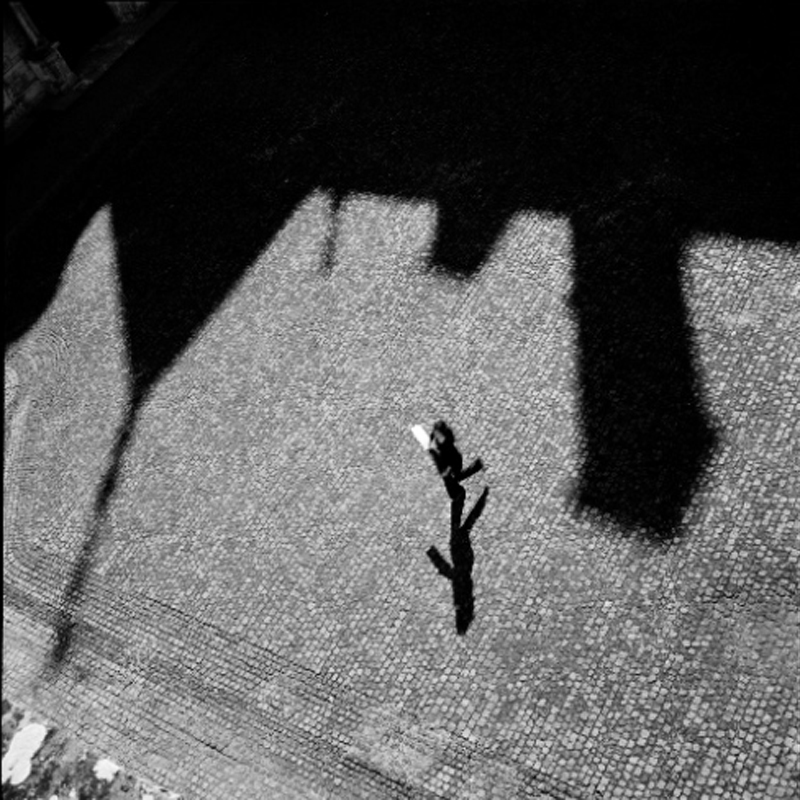
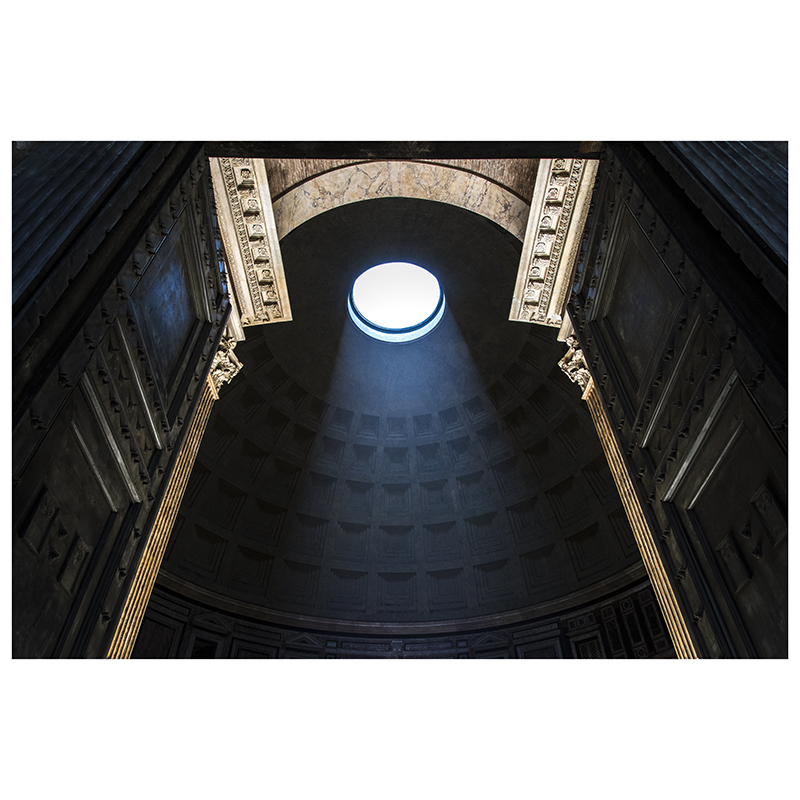
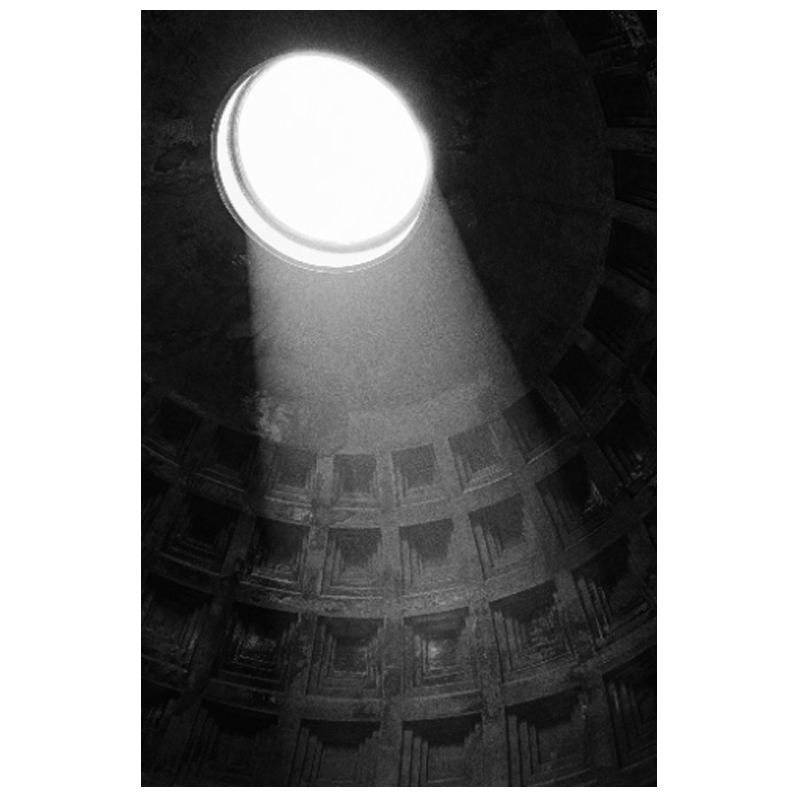
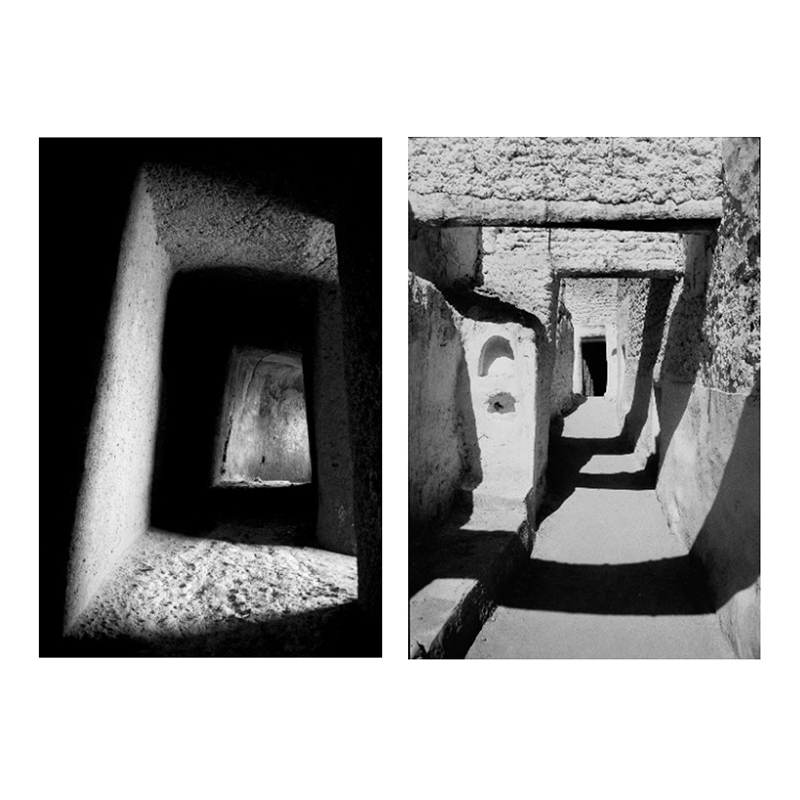
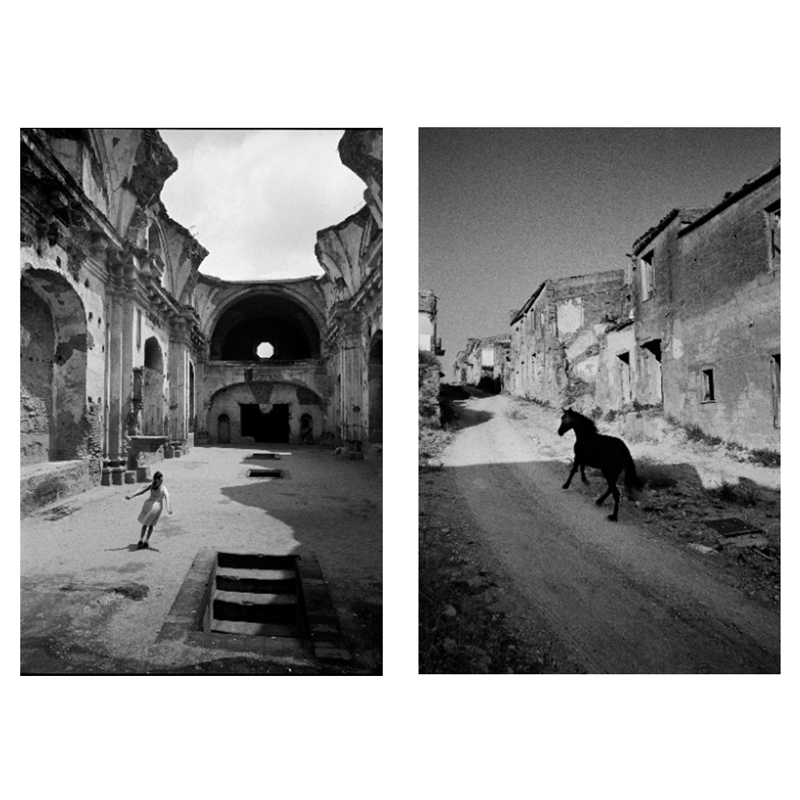
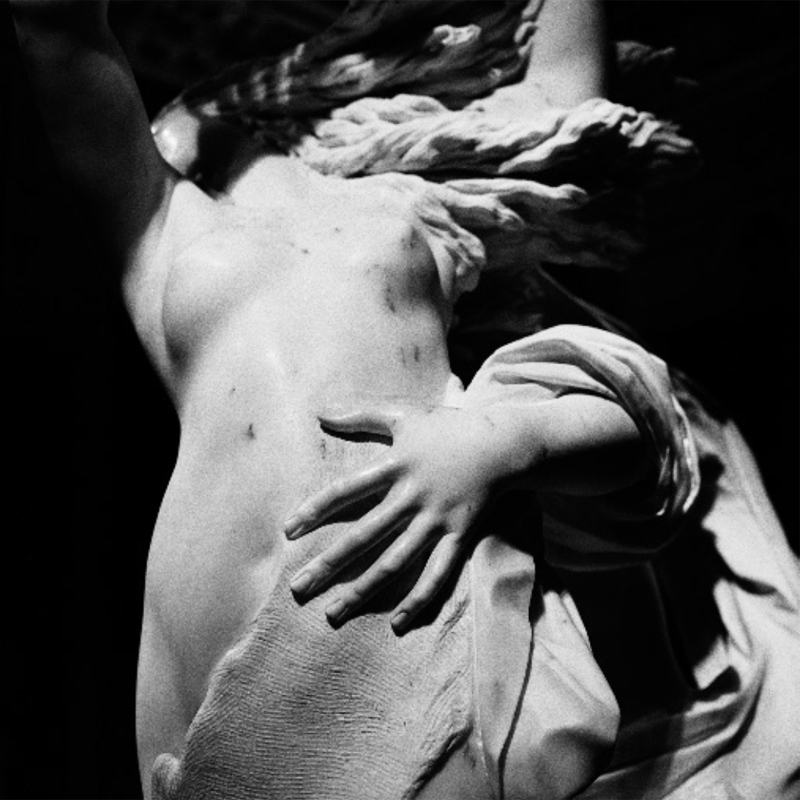
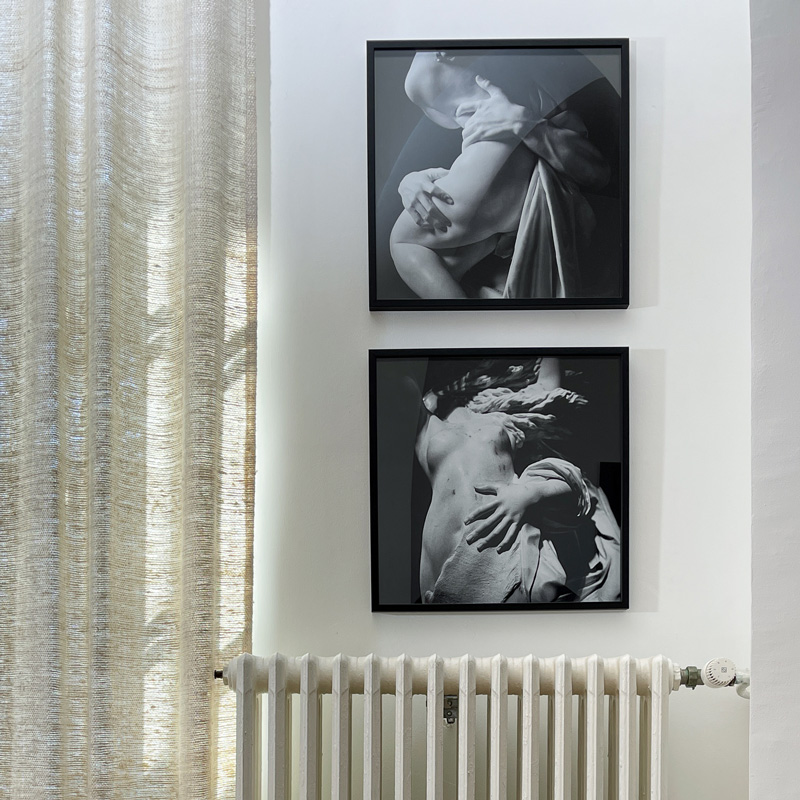
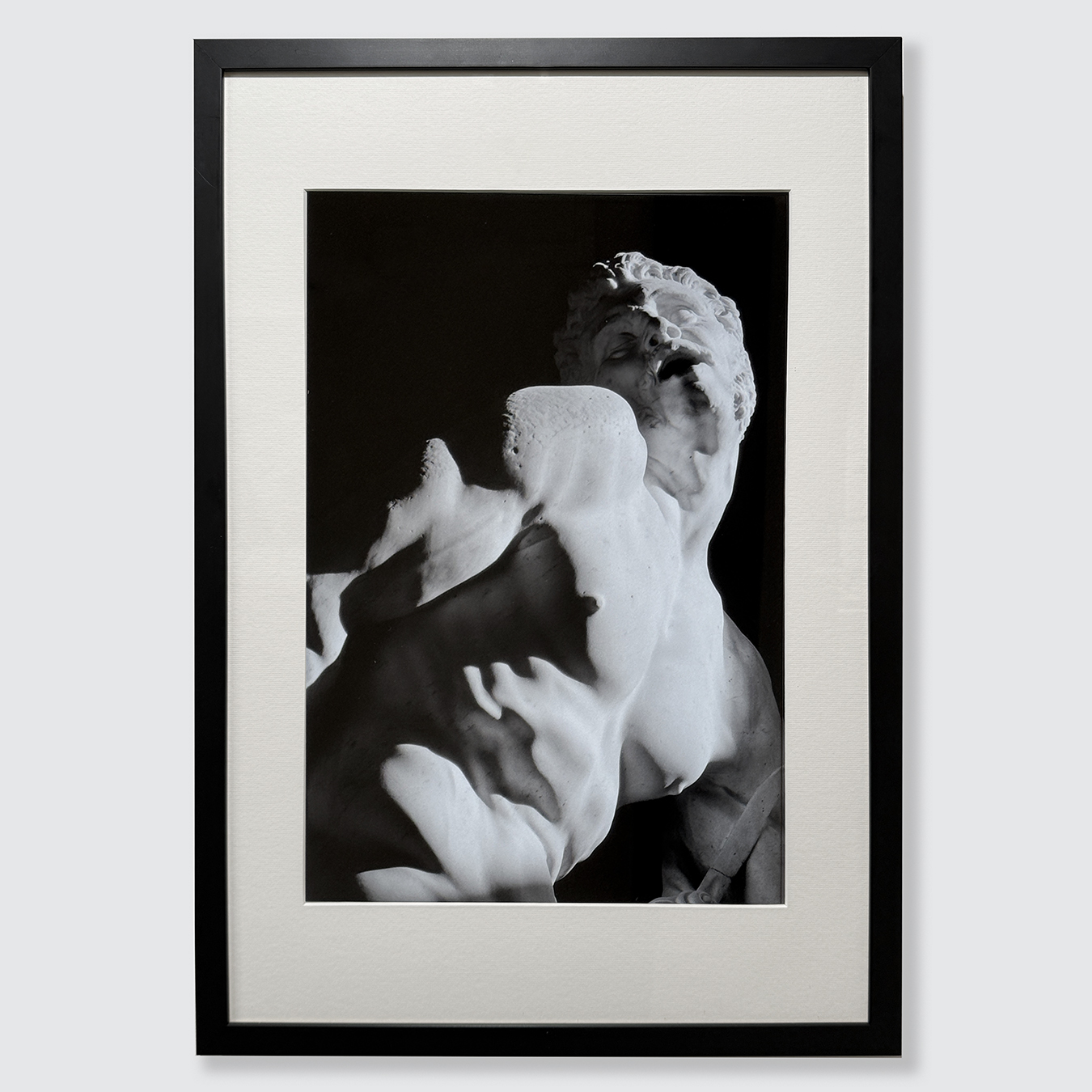
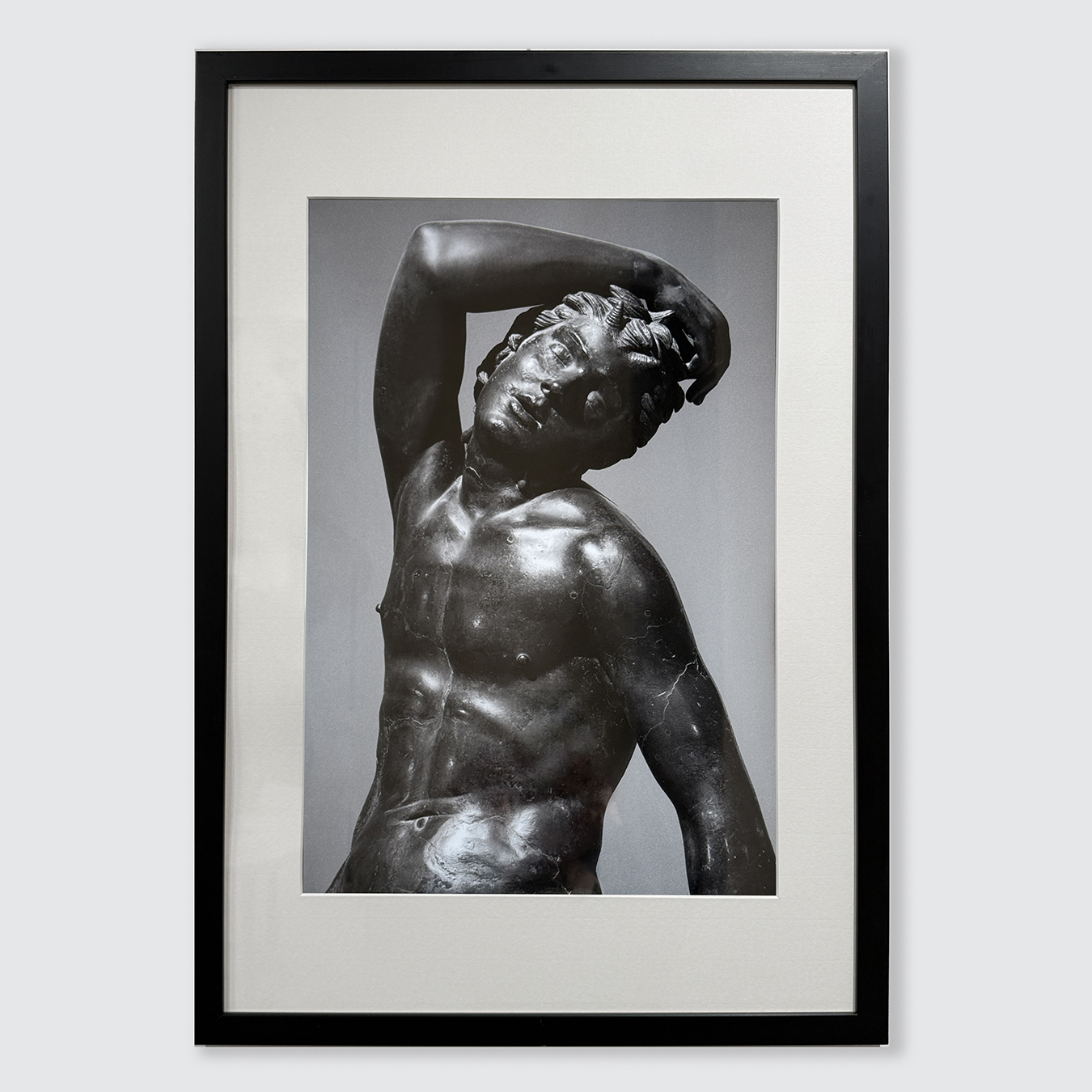
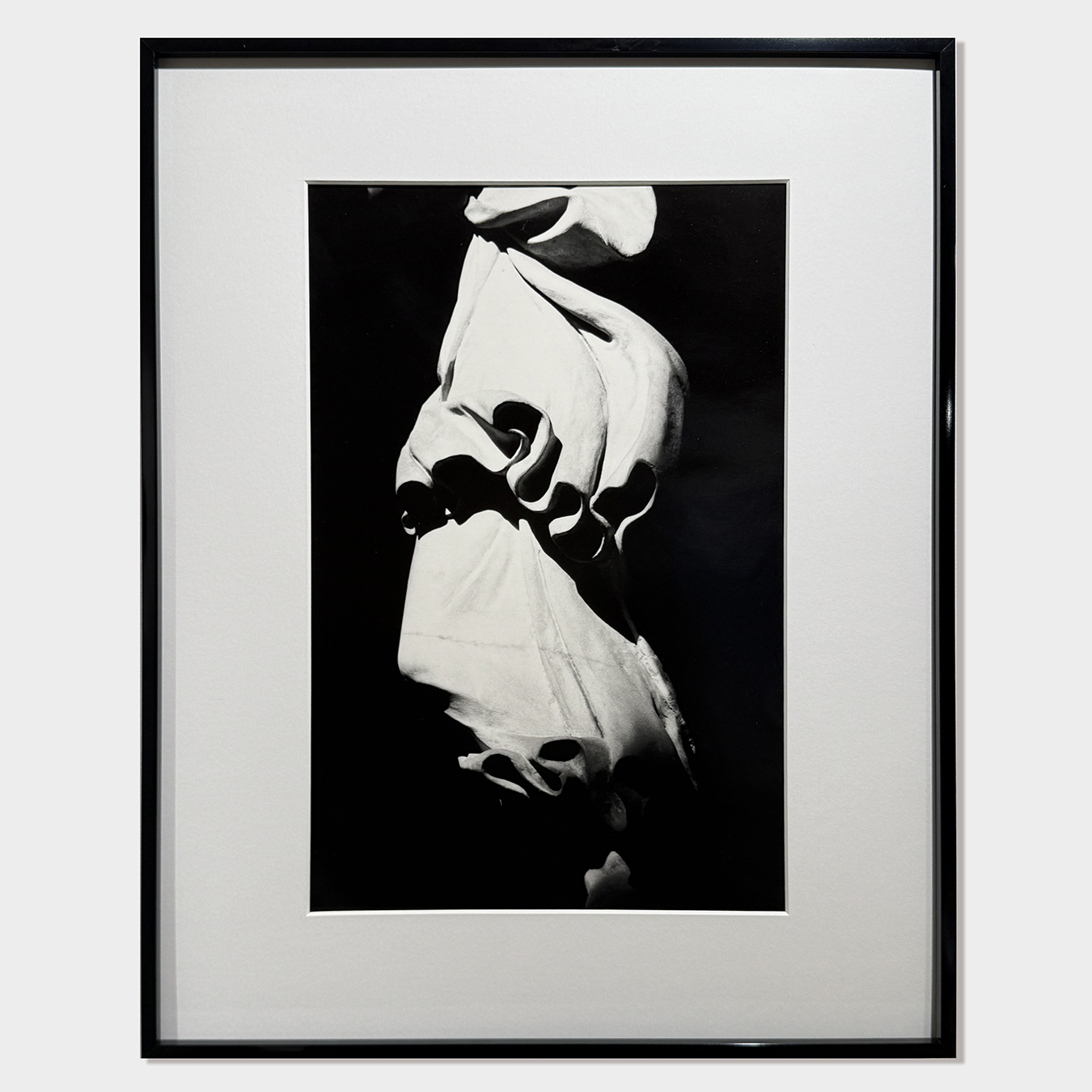
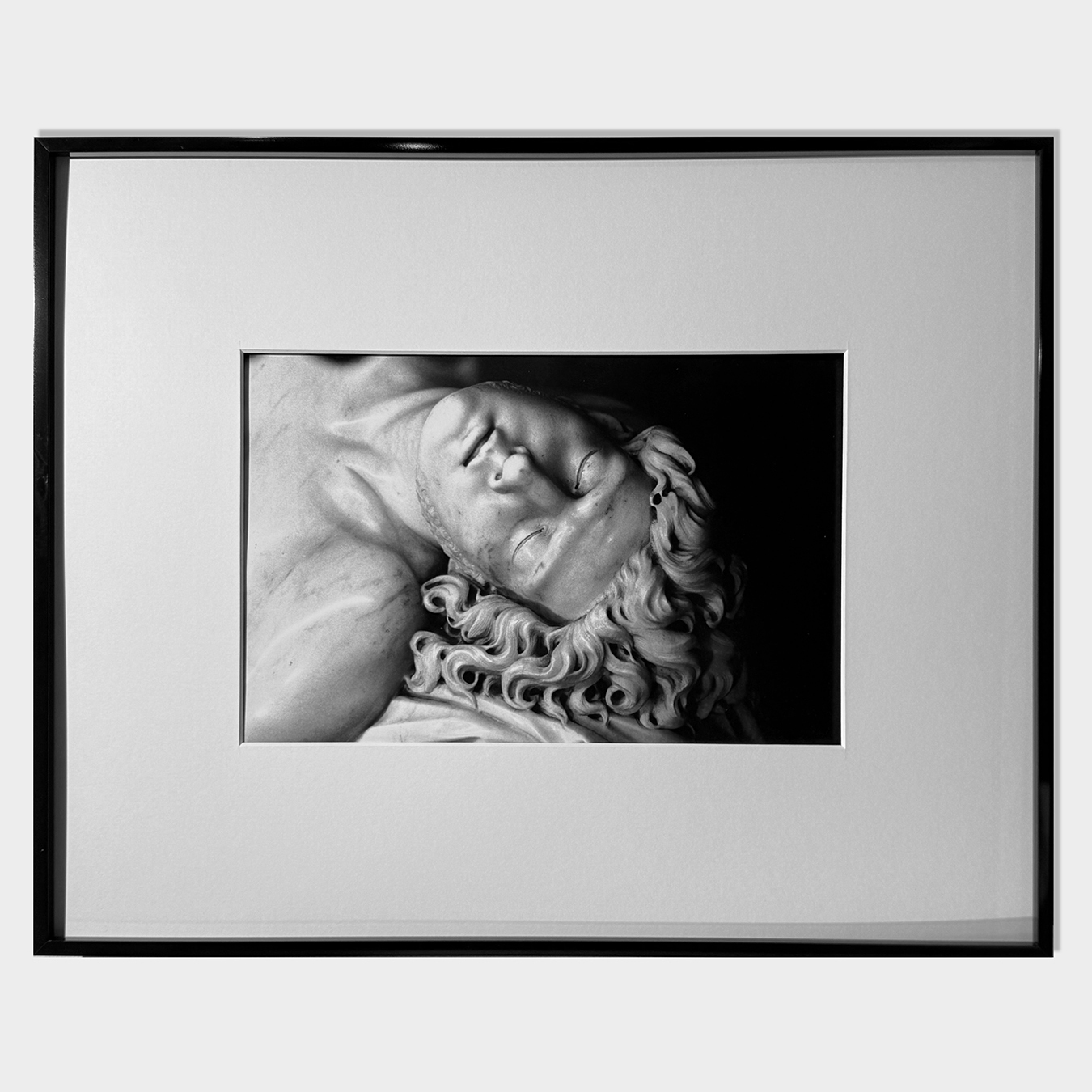
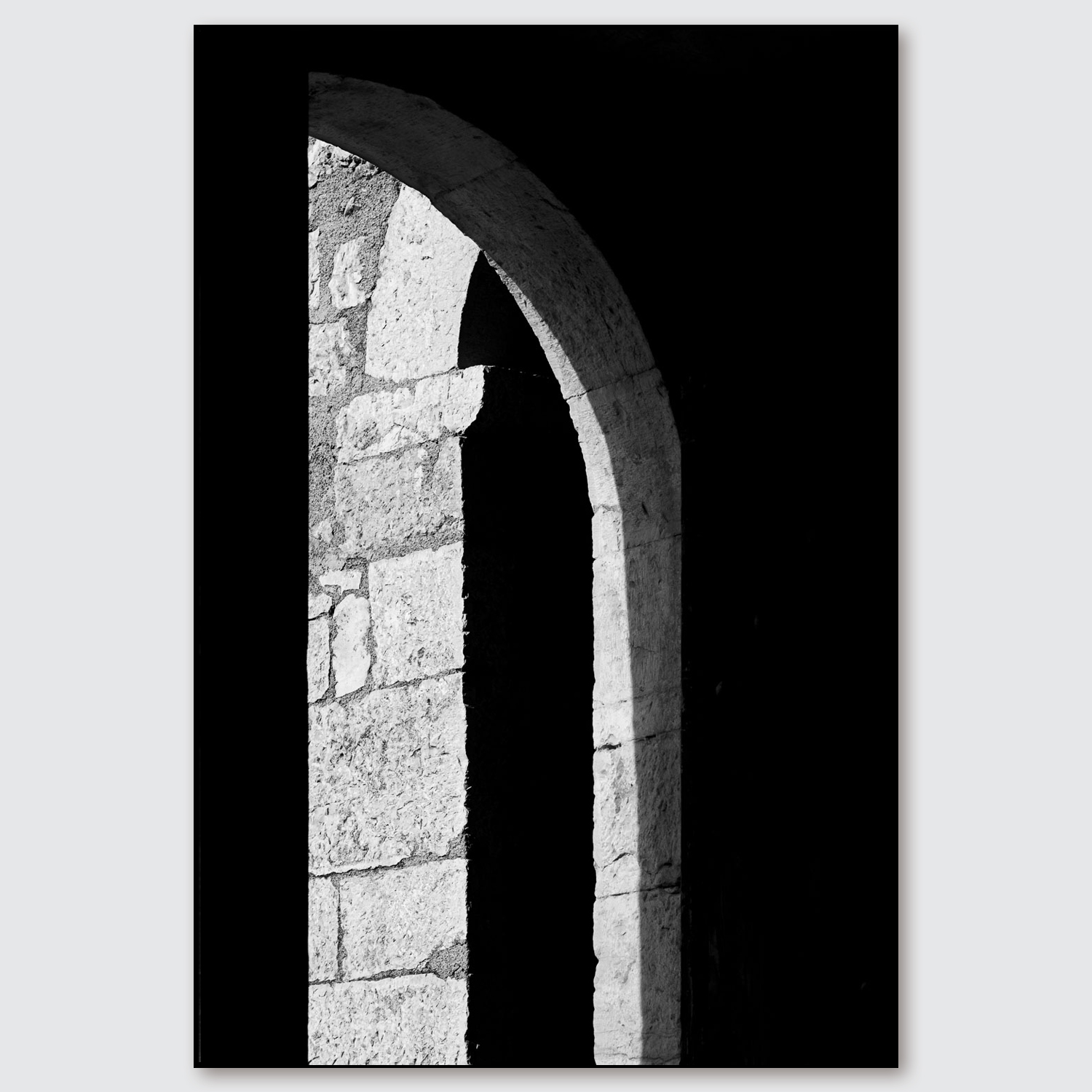
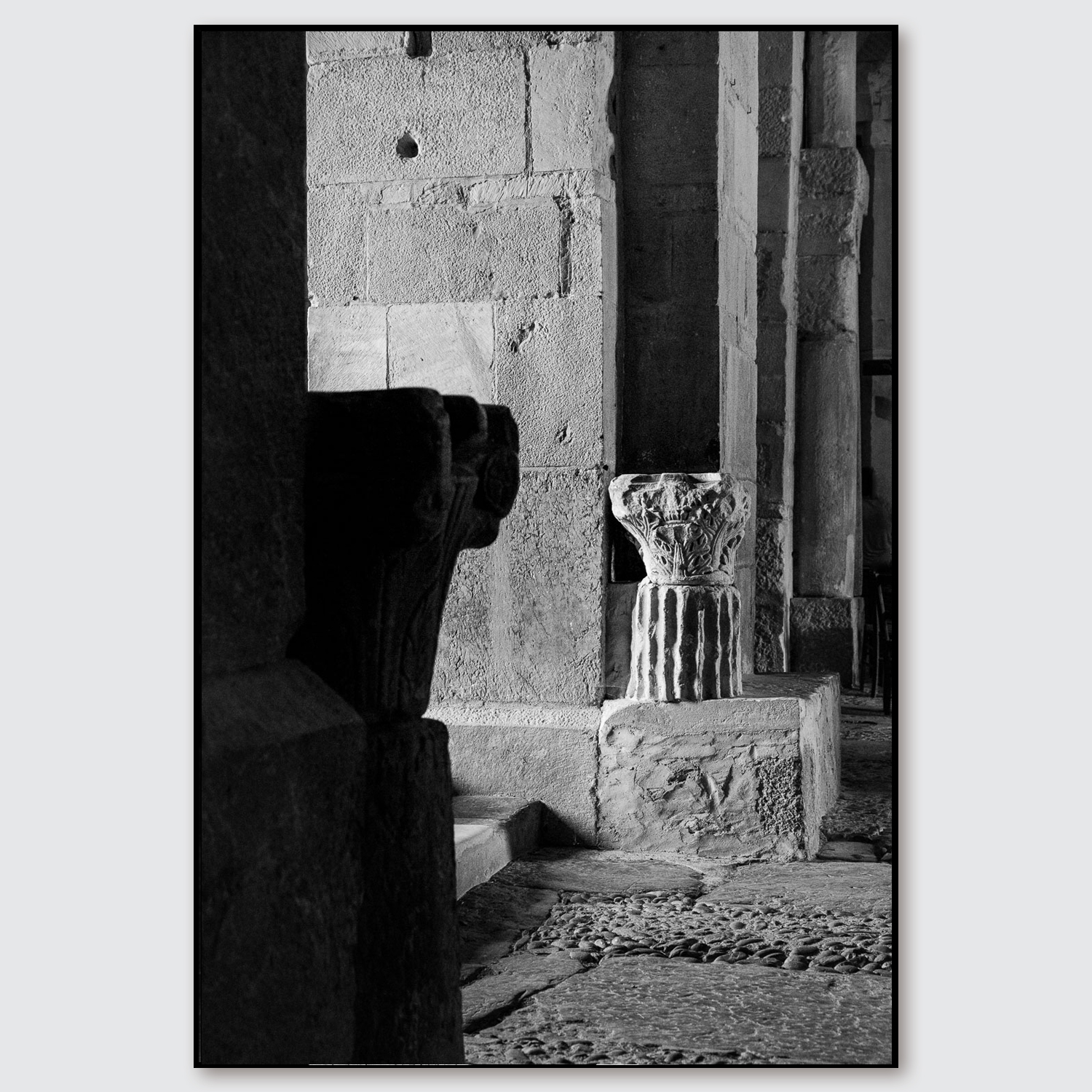
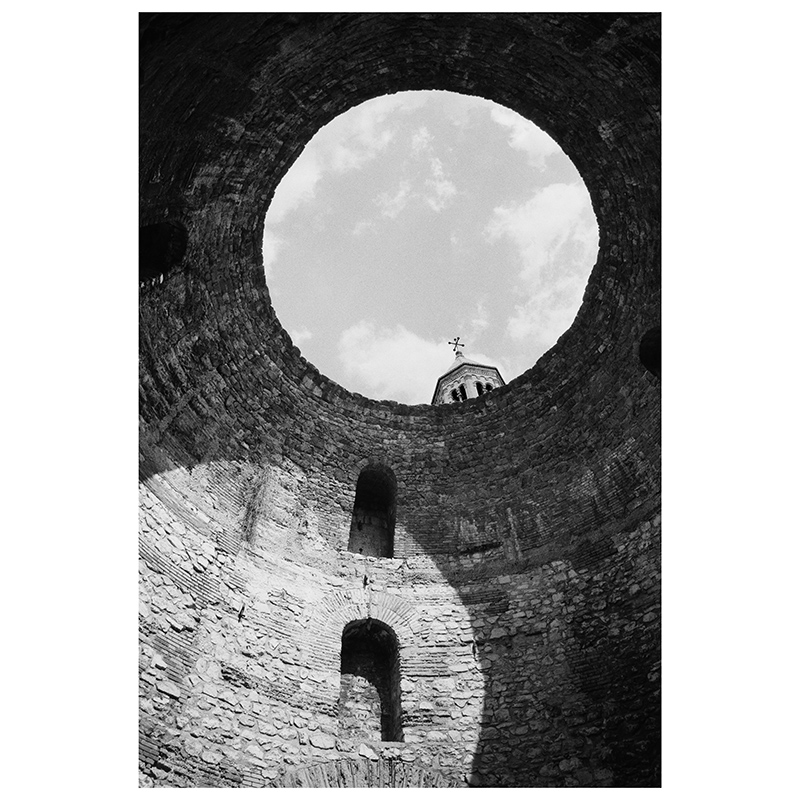
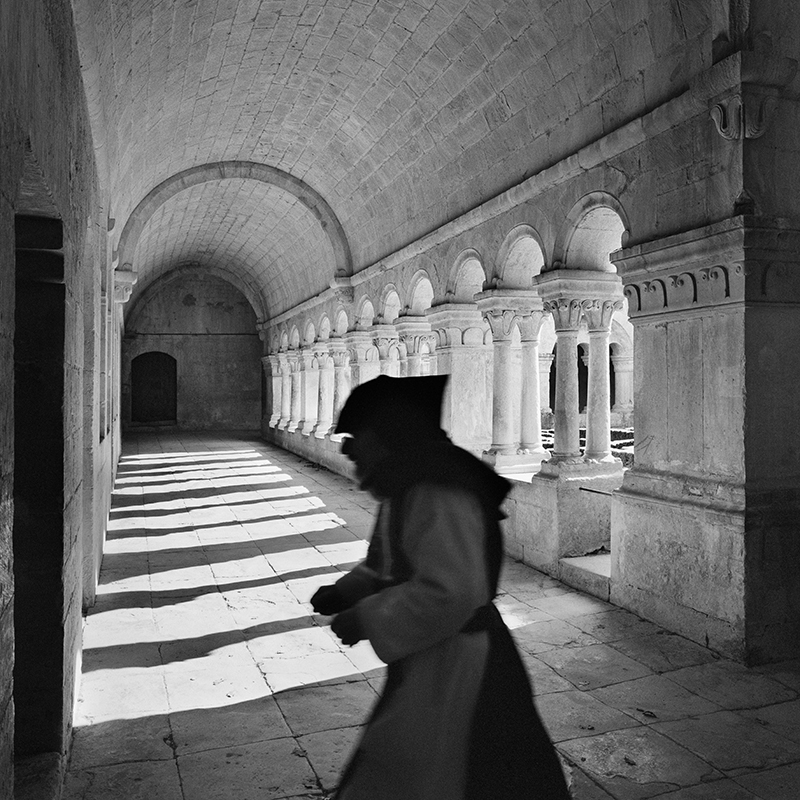
Black and white photographs of bernini’s sculpture Apollo and Daphne (1622-1625) kept at the Villa Borghese in Rome. Ferrante Ferranti explores the vestiges of the past through plays of light and shadow. With the soul of an archaeologist, this architect by training combines his photographic work with his passion for antiquity and the Baroque.
Length : 1.18 in / 3 cm
Height : 17.72 in / 45 cm
Width : 17.72 in / 45 cm
Weigth : 4.41 lb / 2 kg
APOLLO AND DAPHNE, THE ABDUCTION OF PROSERPINA, BERNINI, VILLA BORGHESE, ROME, ITALY (1997)
Artist : Ferrante Ferranti
Technique : Digital photographs
Support: Barium prints on Fine Art Pearl paper
Supervision: American box with anti-glare protective glass
Dimensions: 45 x 45 cm and 45 x 45 cm
Number of copies: 21, signed and numbered
Year: 1997
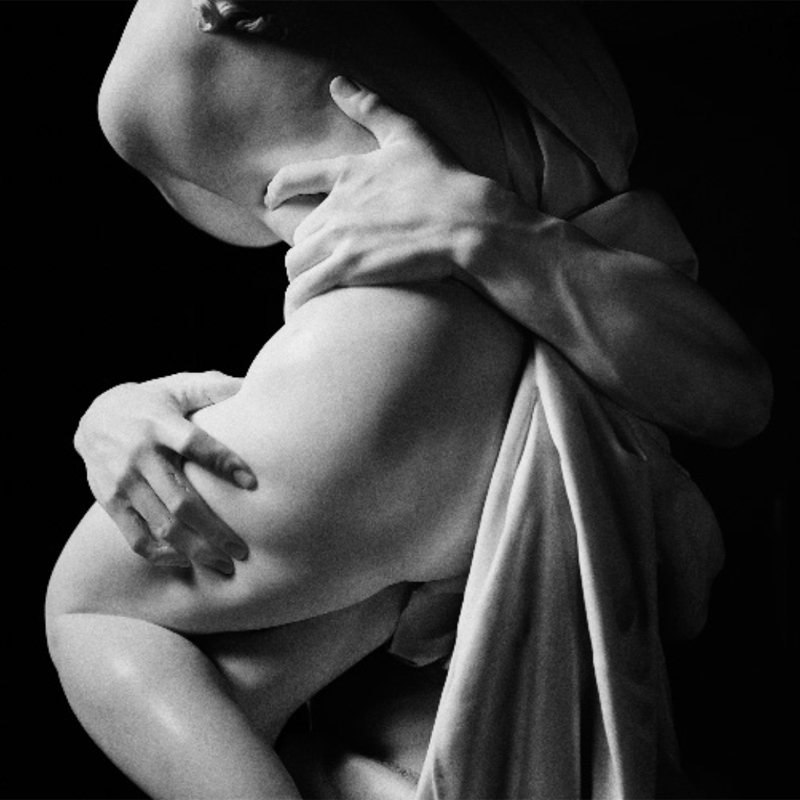
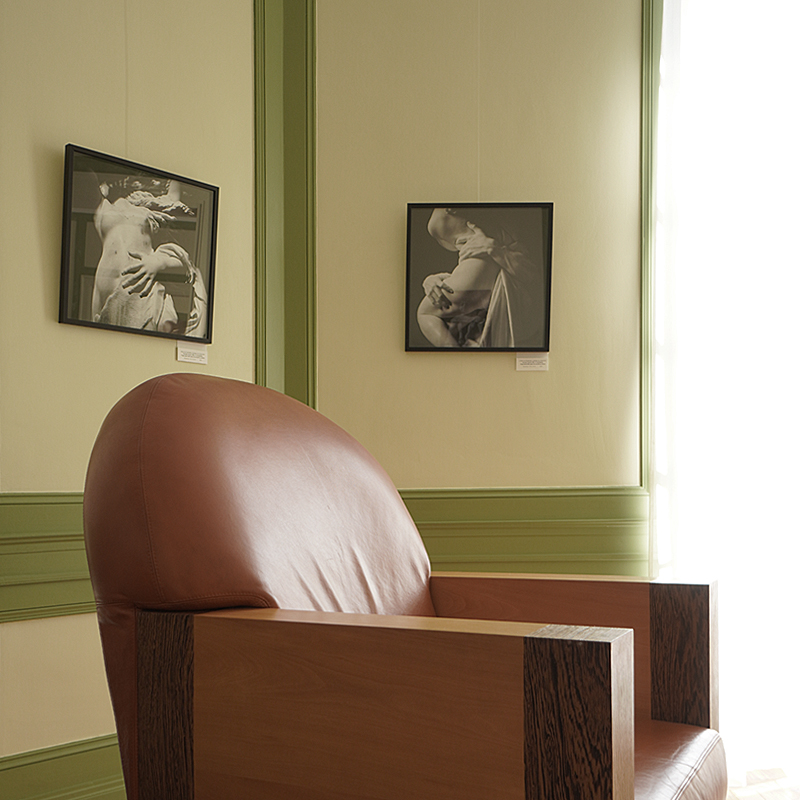
Inspiration: Created in 1997 at the Borghese Gallery, this diptych juxtaposes two sculpted masterpieces by Bernini: Apollo and Daphne and The Rape of Proserpine.
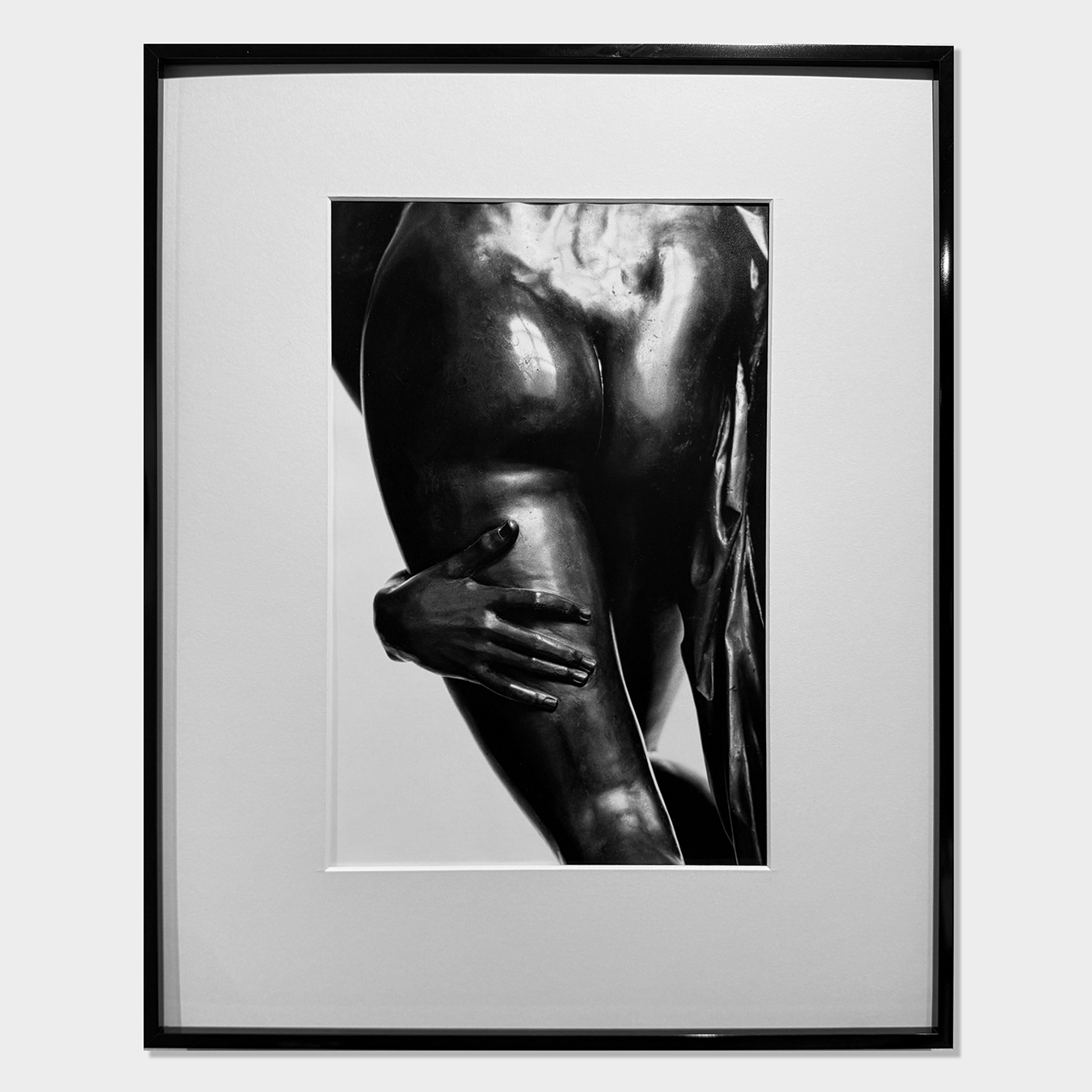
In a sober and contrasting photographic style, Ferrante Ferranti reveals the dramatic power of the Roman Baroque. The light chisels the marble, exalts its tension and underlines its metamorphosis: flesh becomes foliage, the body becomes vibrating matter under the pressure of Pluto’s fingers.
Through the play of black and white, the artist does not only document sculpture; it restores its breath. The shadows deepen the movement, suspend the gesture, and show the dazzling brilliance of the myth frozen in stone.
This diptych thus proposes a dialogue between two moments of tipping point: the moment when the body escapes, and the moment when it is seized. Between light and memory, Ferranti invites us to contemplate marble as a living presence.
Ferrante Ferranti
FRANCE
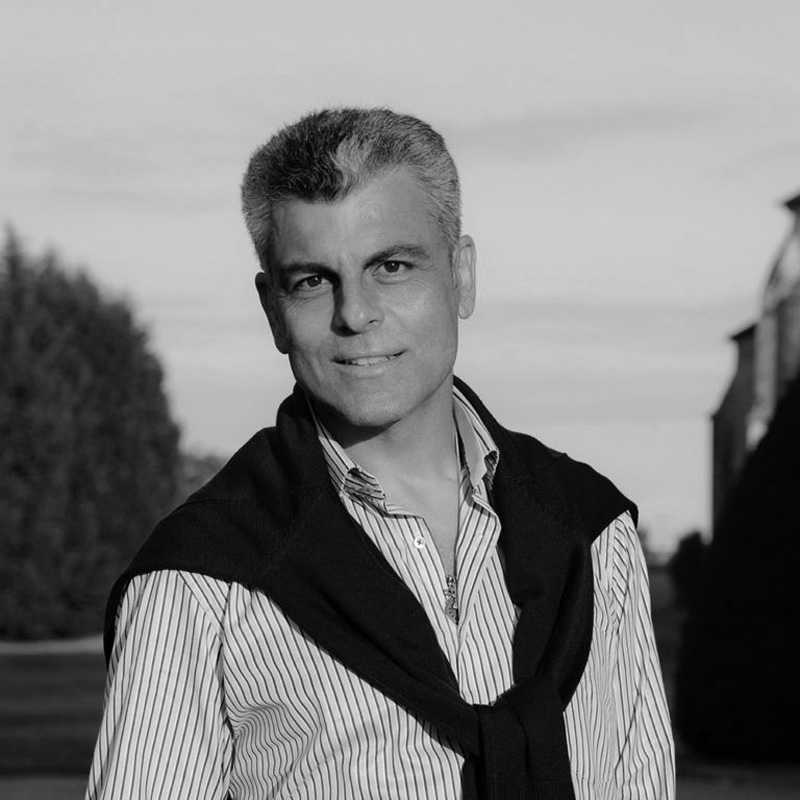
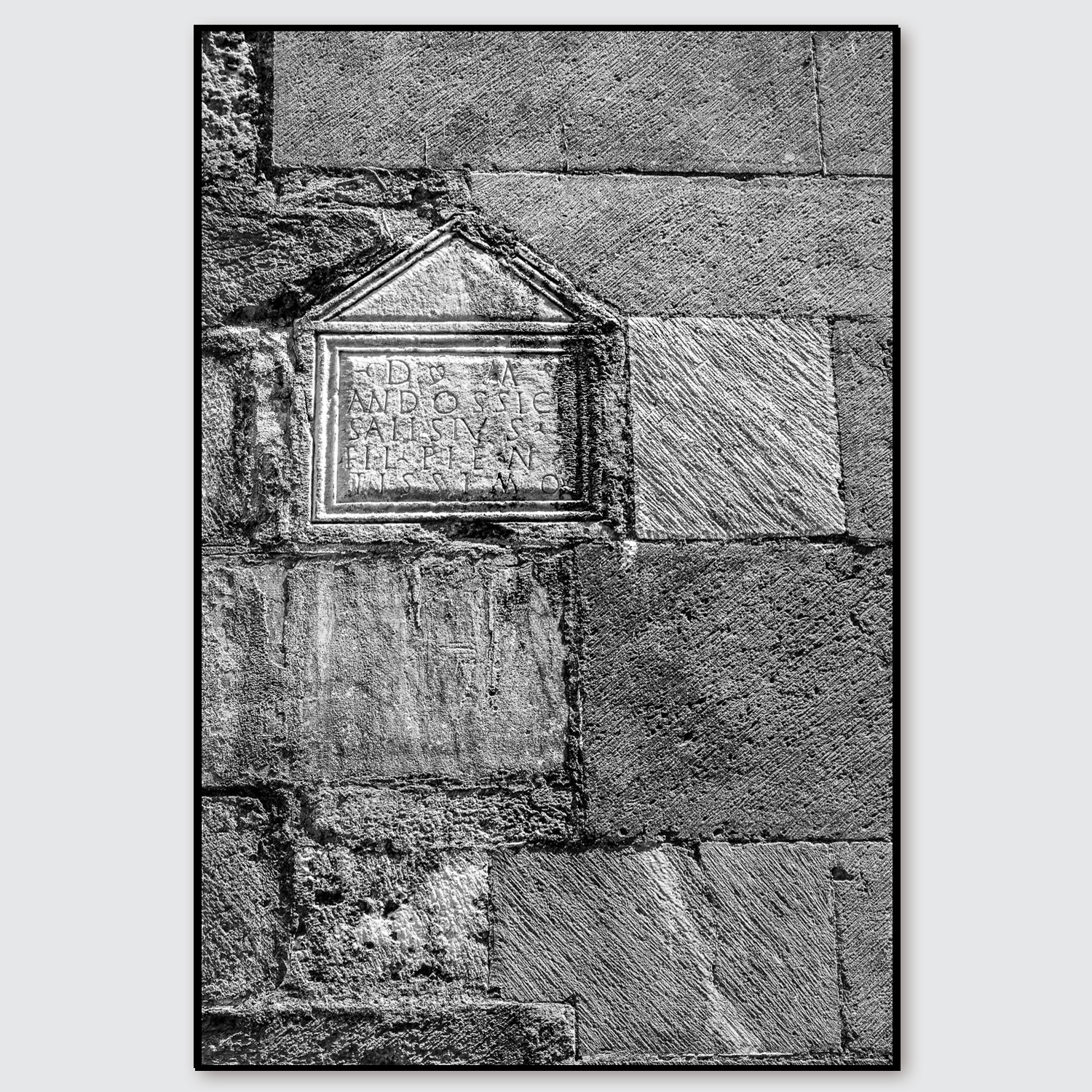
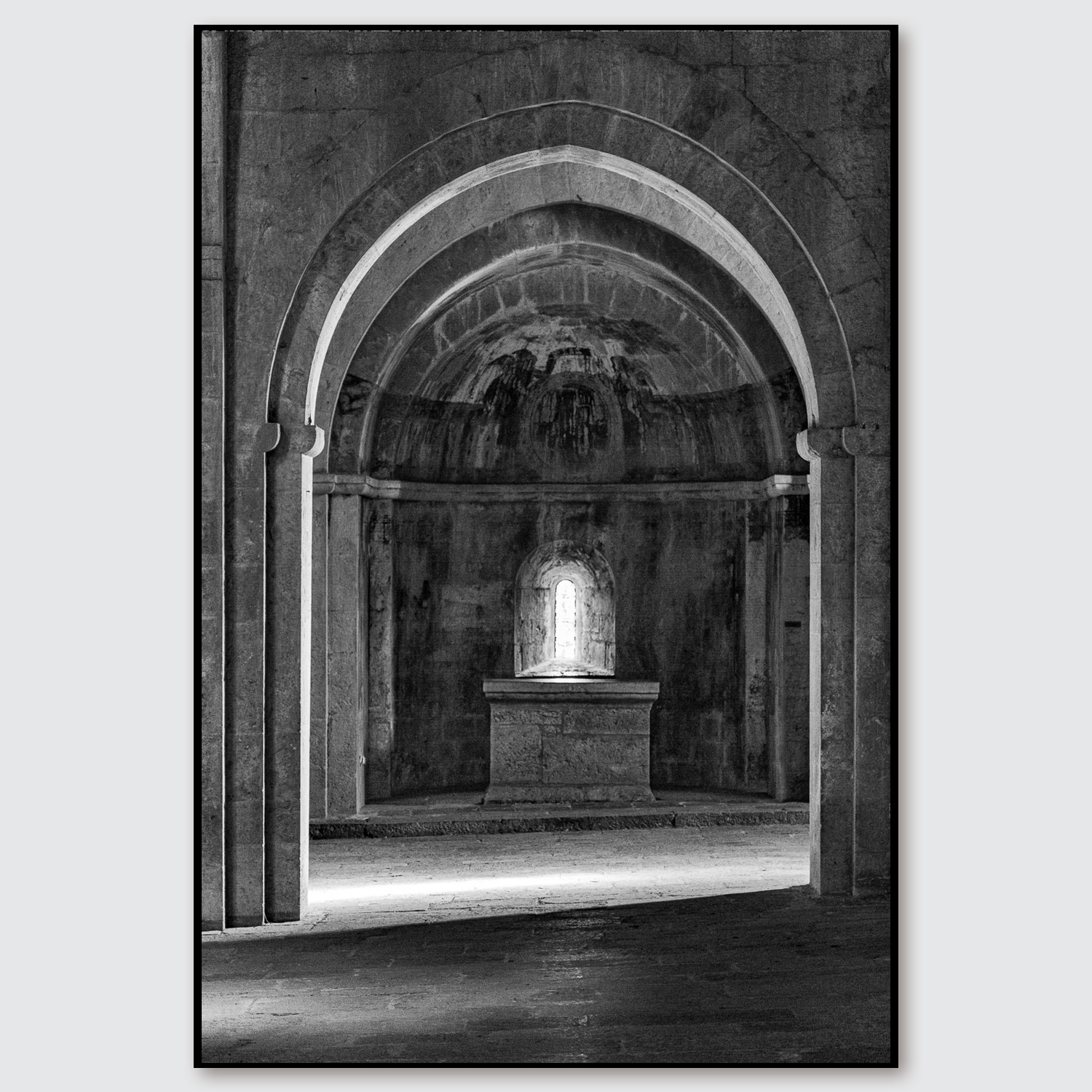
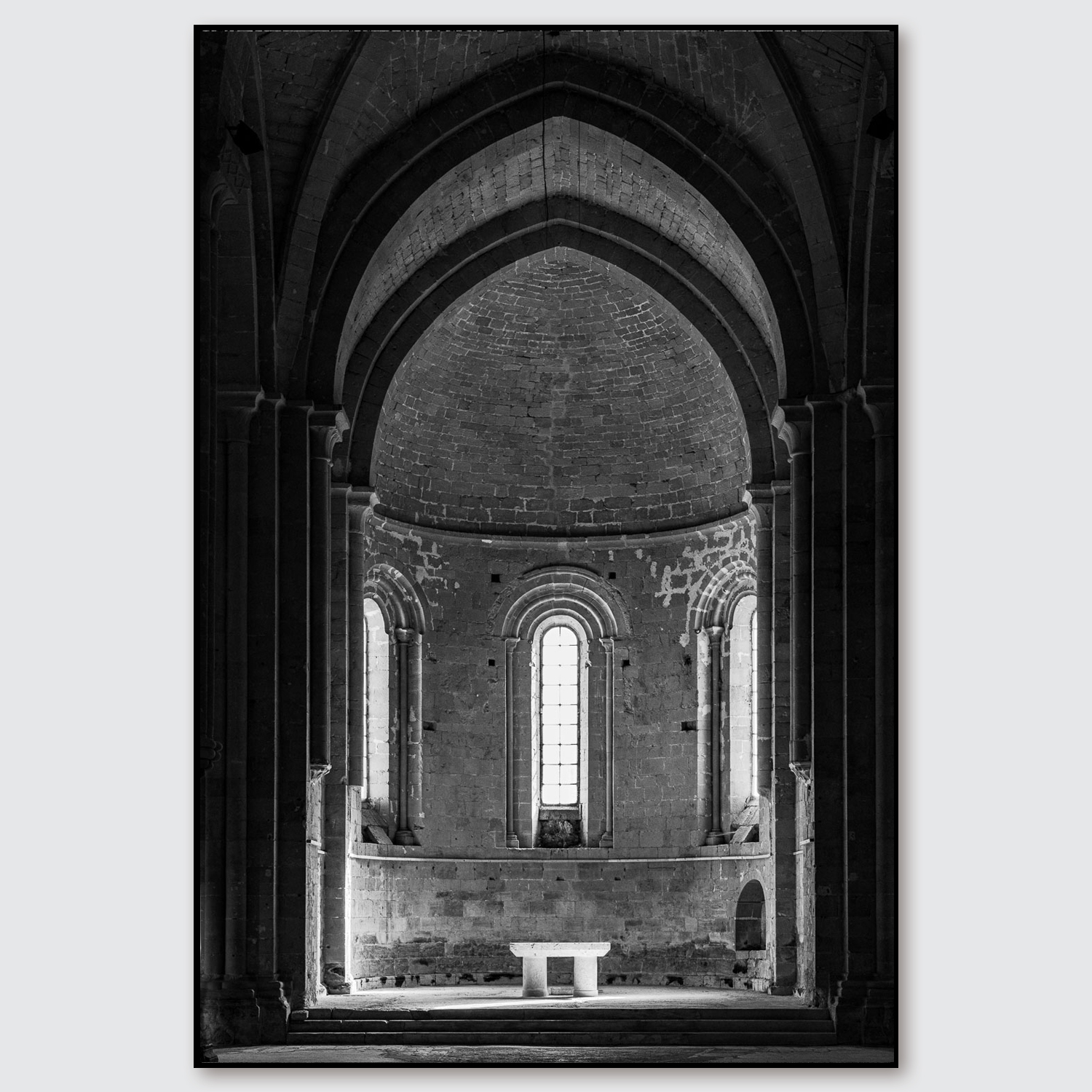
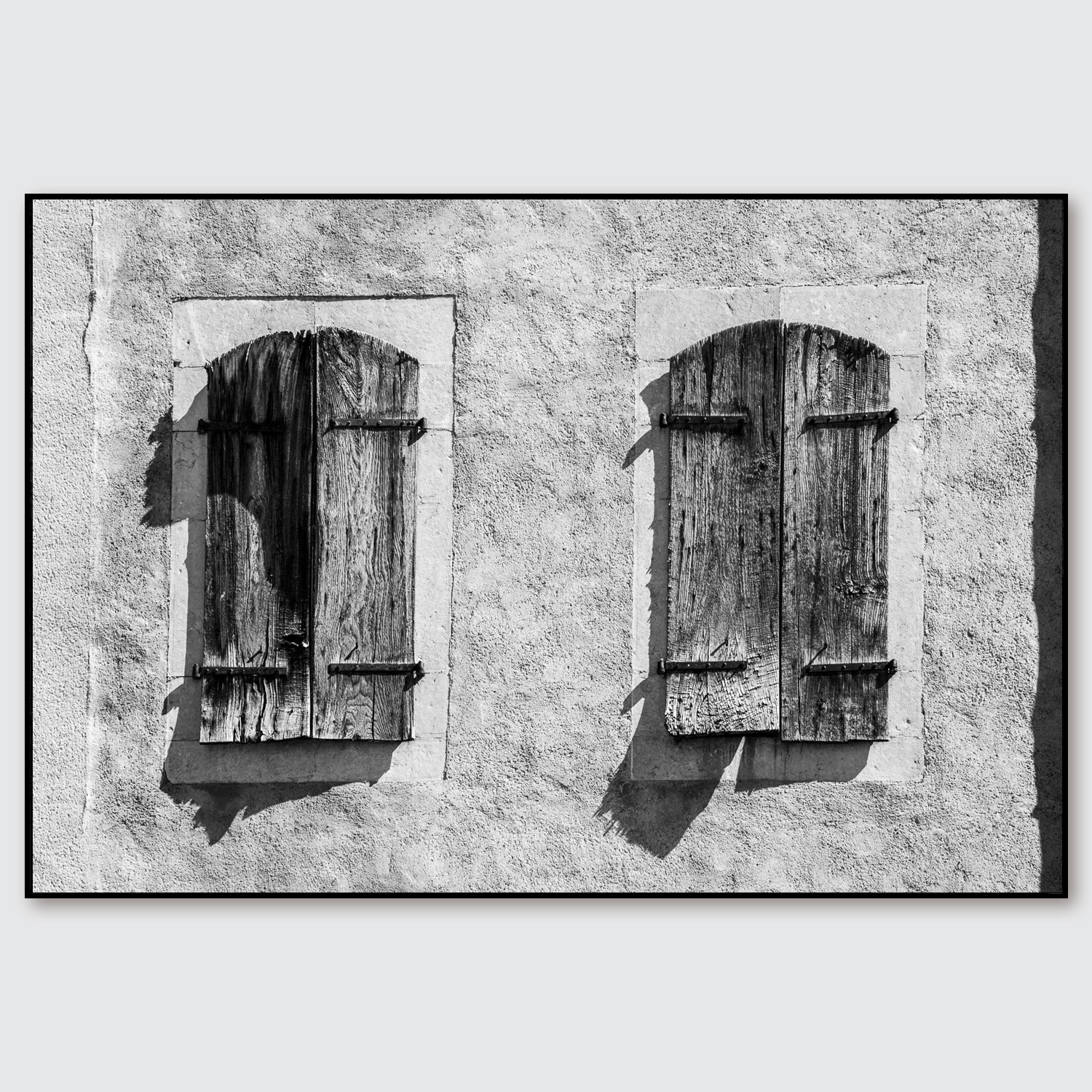
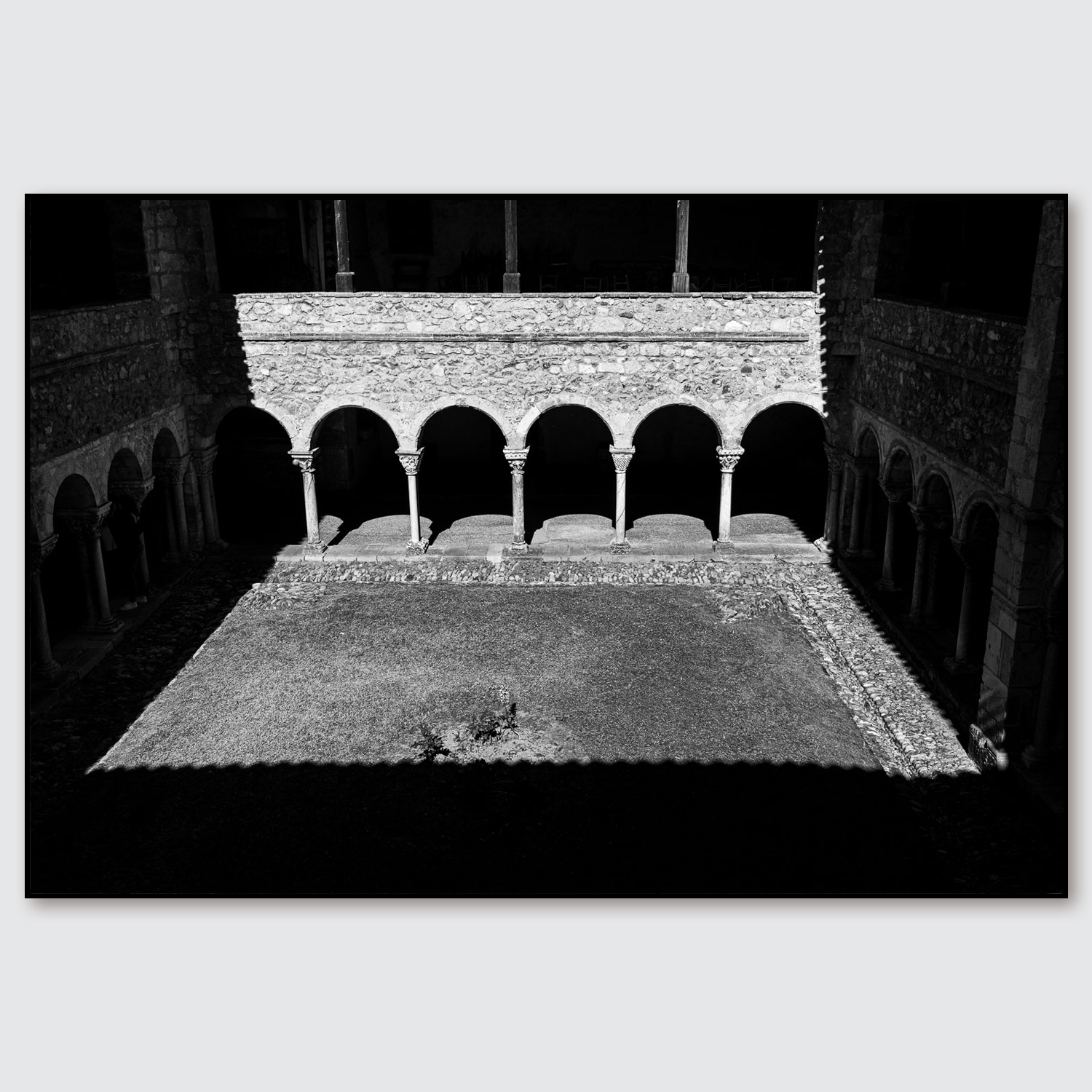
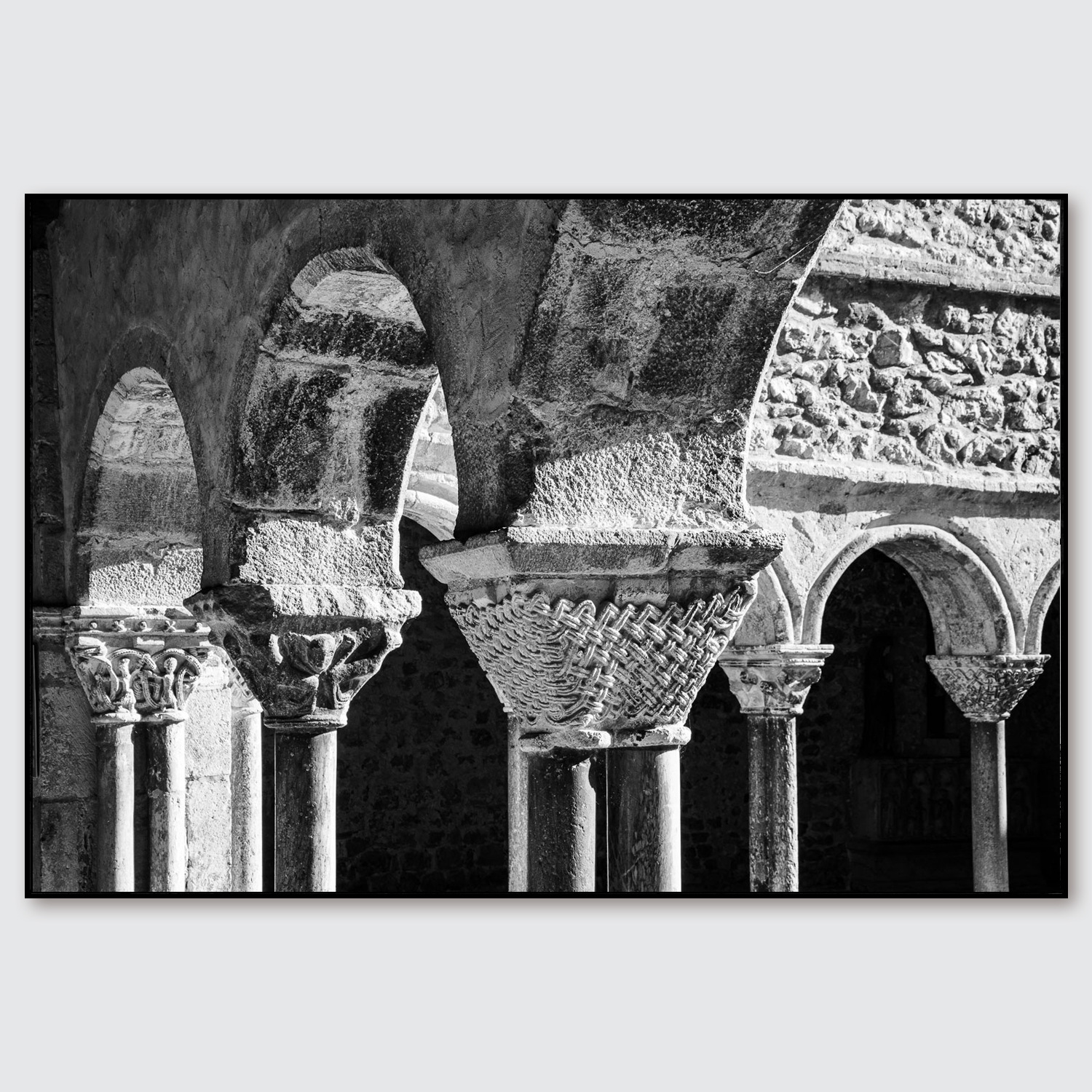
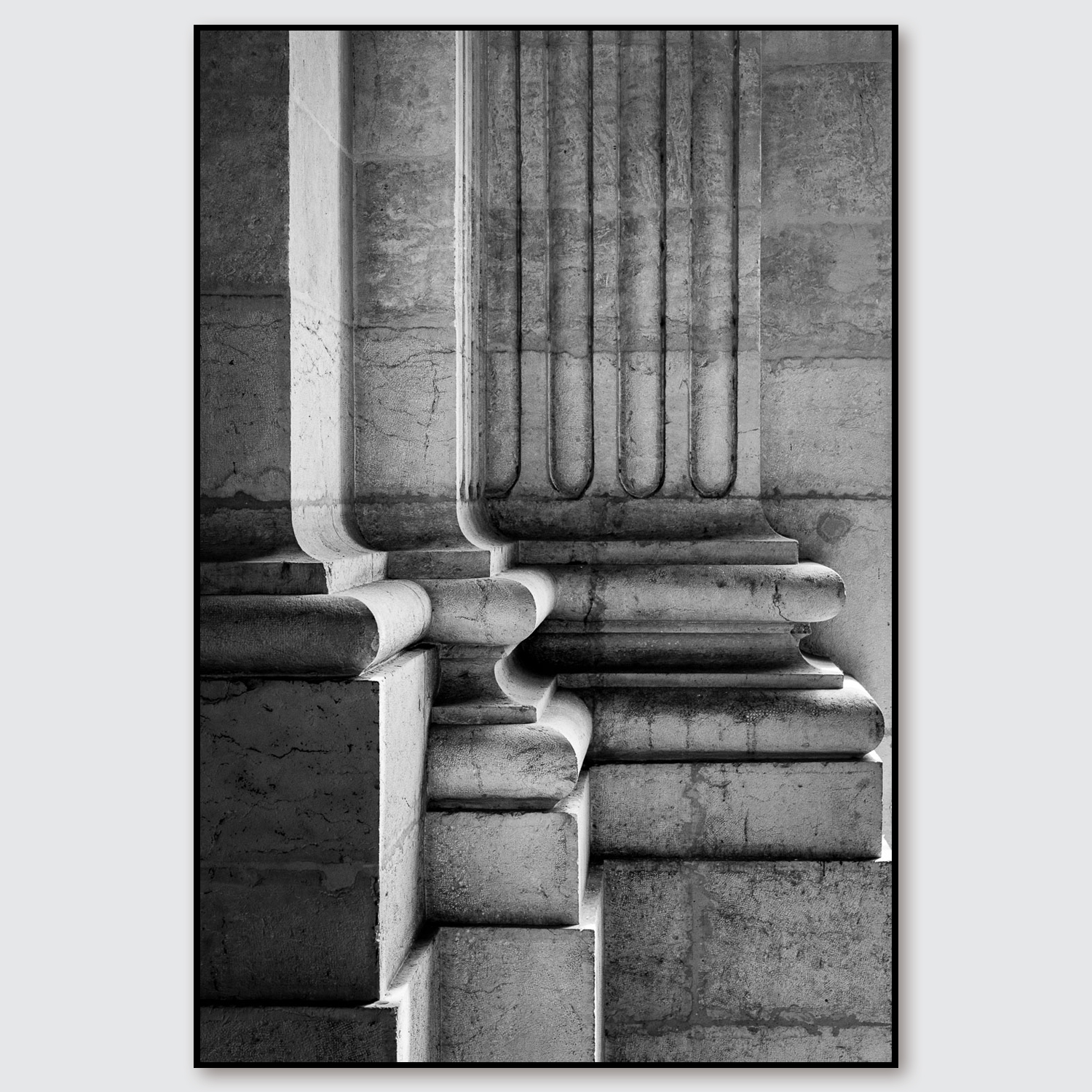
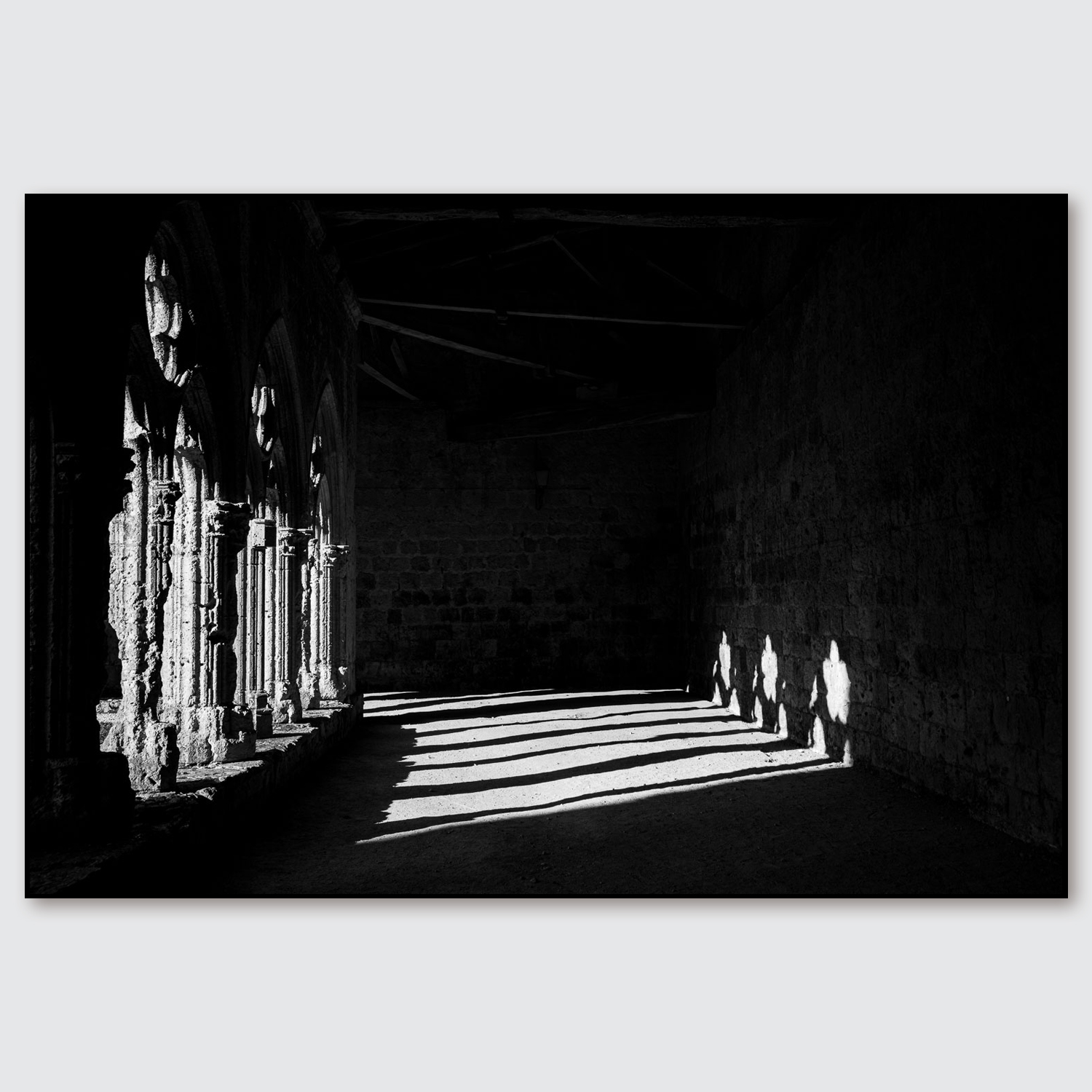
Born January 13, 1960 in Algeria, of a Sardinian mother and a Sicilian father. He took his first photograph at the age of eighteen, a wave in Belle-Île-en-Mer. Passionate about Fernand Pouillon’s book, Les Pierres Sauvages, he began training as an architect in Toulouse, which he completed at Paris-UP6 in 1985 with a diploma in Theaters and scenography in the Baroque era. Traveling photographer, he has been involved for thirty years with Dominique Fernandez in a joint exploration of the Baroque and the different layers of civilizations, from Syria to Bolivia via Sicily and Saint Petersburg. His photographs dialogue with the texts of the writer, who defines him in the album Itinerrances (Actes Sud, 2013) as “the inventor of a language which links the sun to the ruins, in search of the meaning hidden in the forms” .
Collection

Customizable
Customizable
Customizable
Customizable
Customizable
Customizable
Customizable
Customizable
Customizable
Customizable
Customizable
Customizable

Customizable

Customizable
Customizable
Customizable
Customizable
Customizable
Customizable
Customizable
Customizable
Customizable
Customizable
Customizable
Customizable
Customizable
Customizable
Customizable
Customizable
Customizable
Customizable
Customizable
Customizable