Customizable
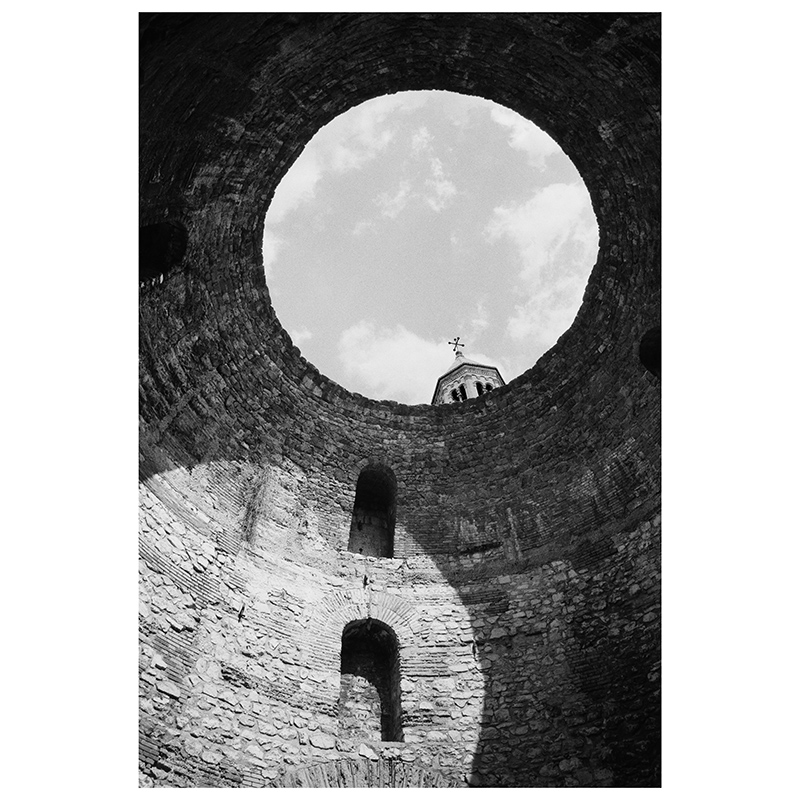
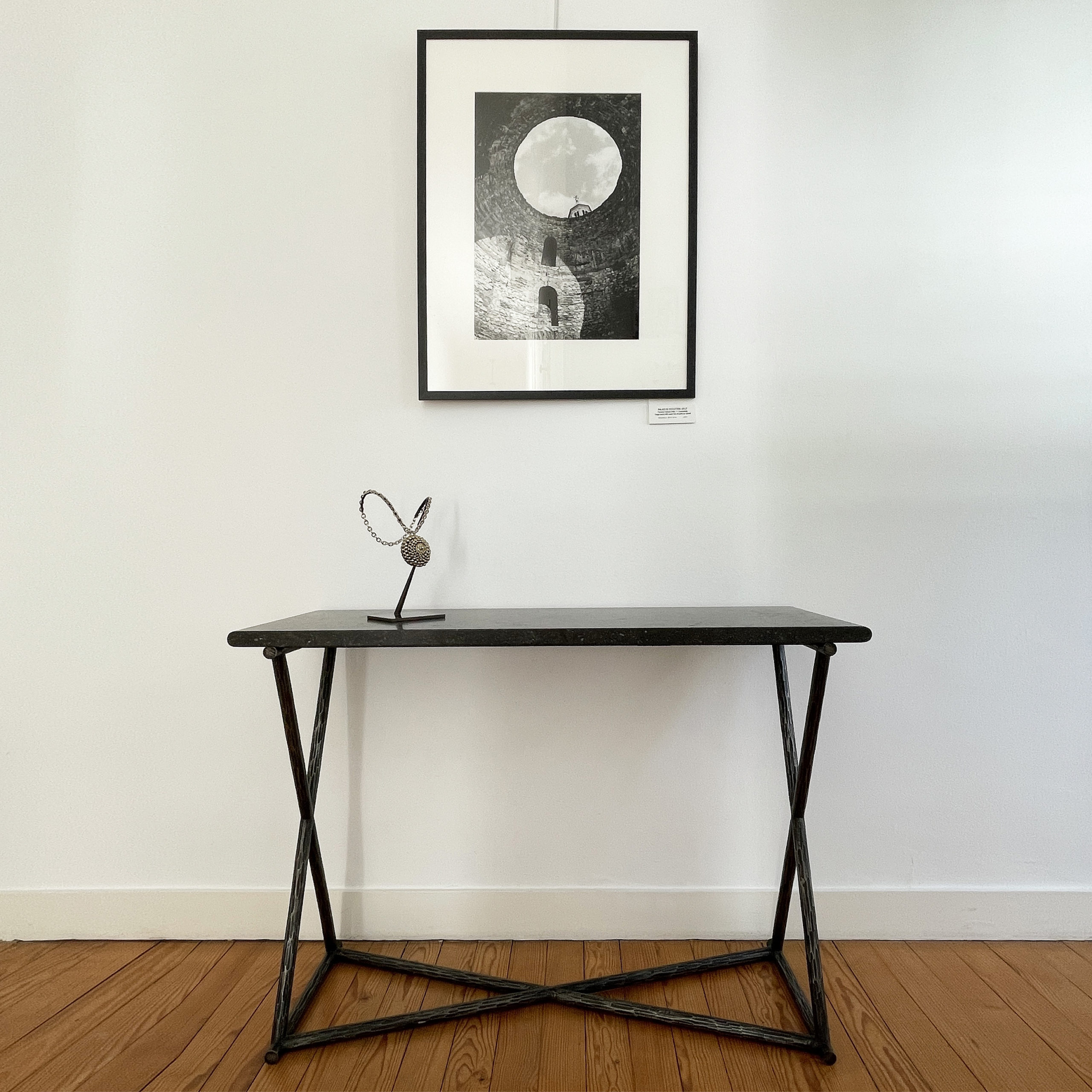
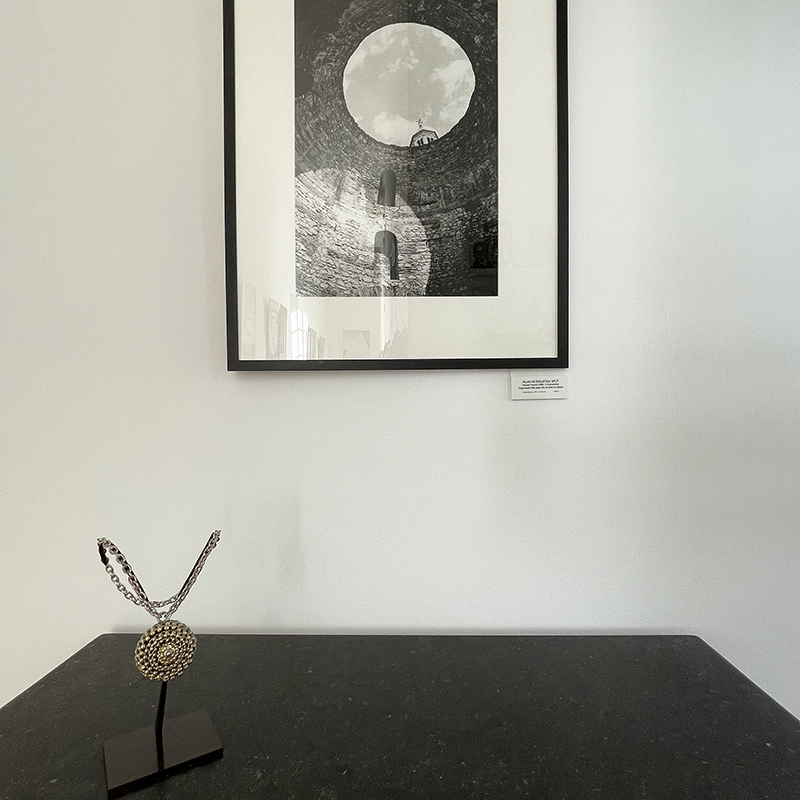
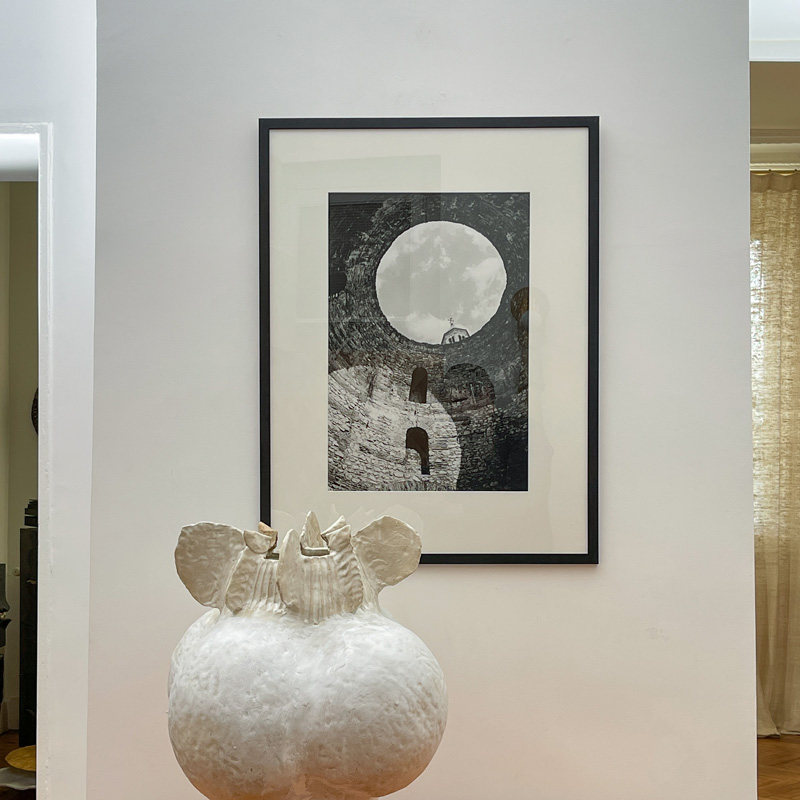
DIOCLETIAN’S PALACE, SPLIT (1995)
Référence :
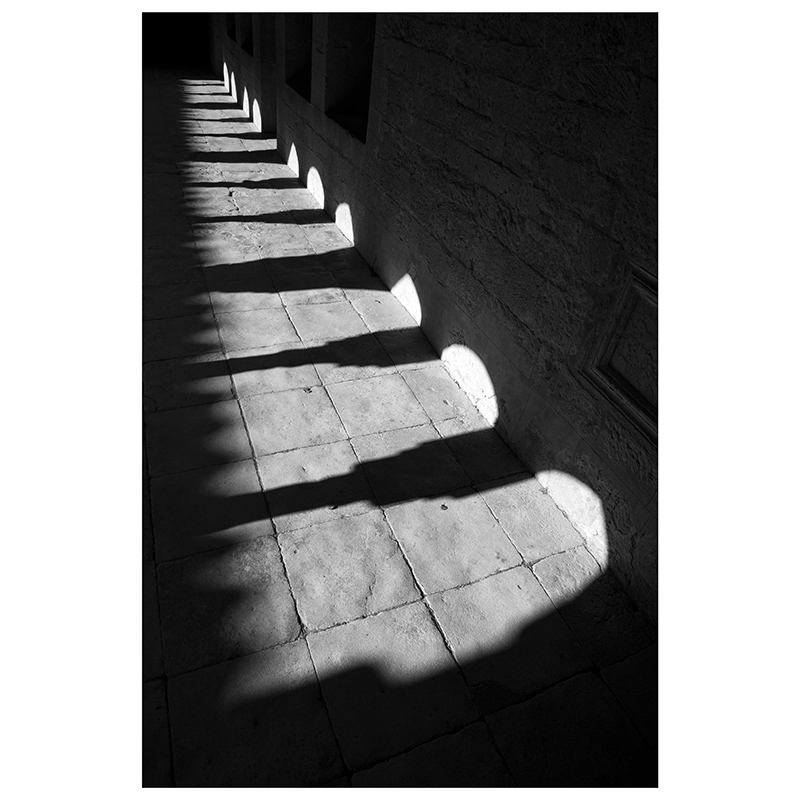
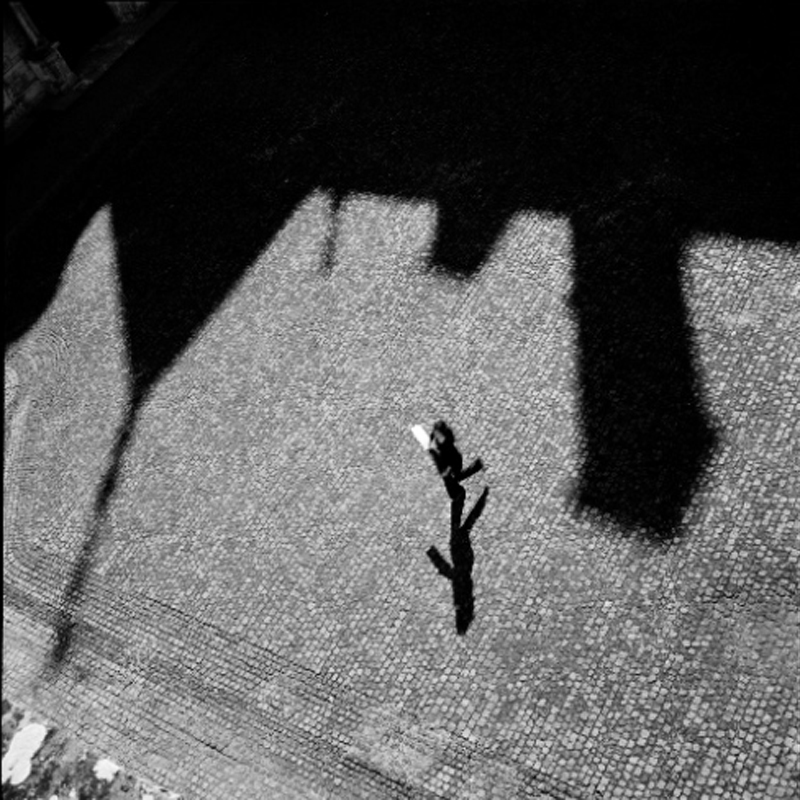
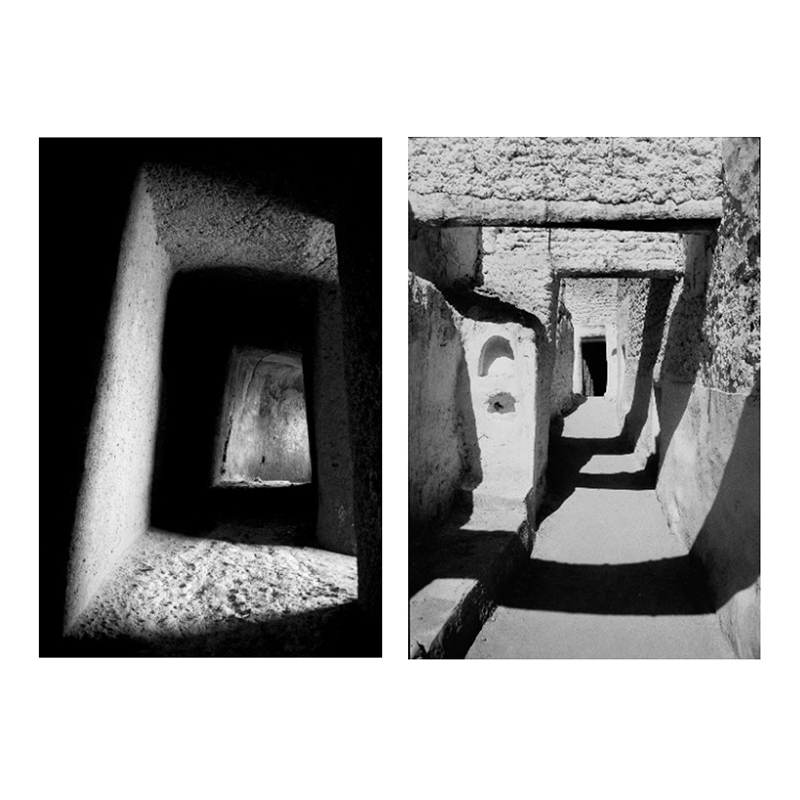
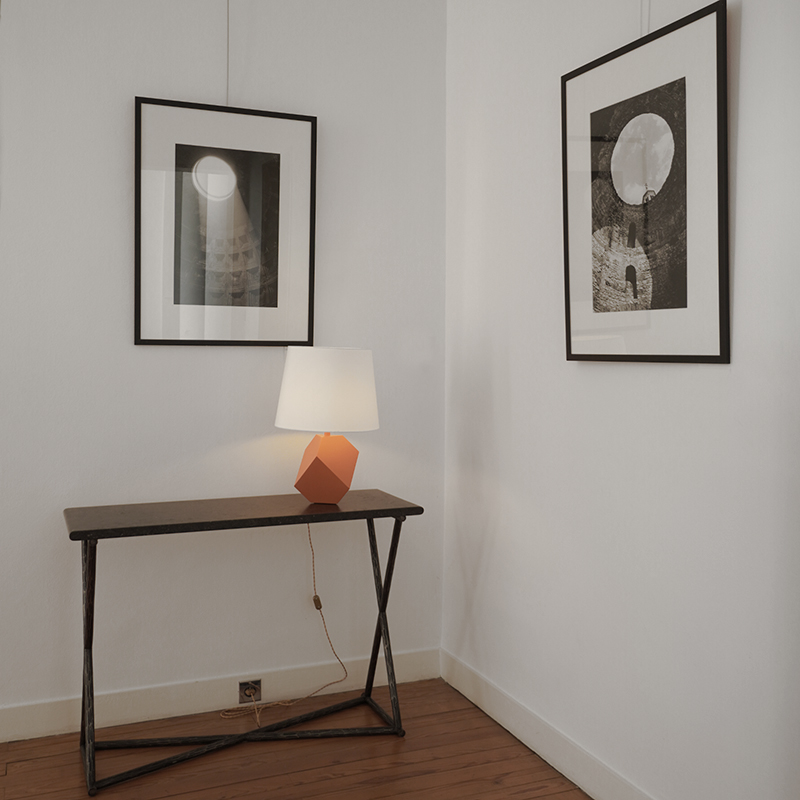
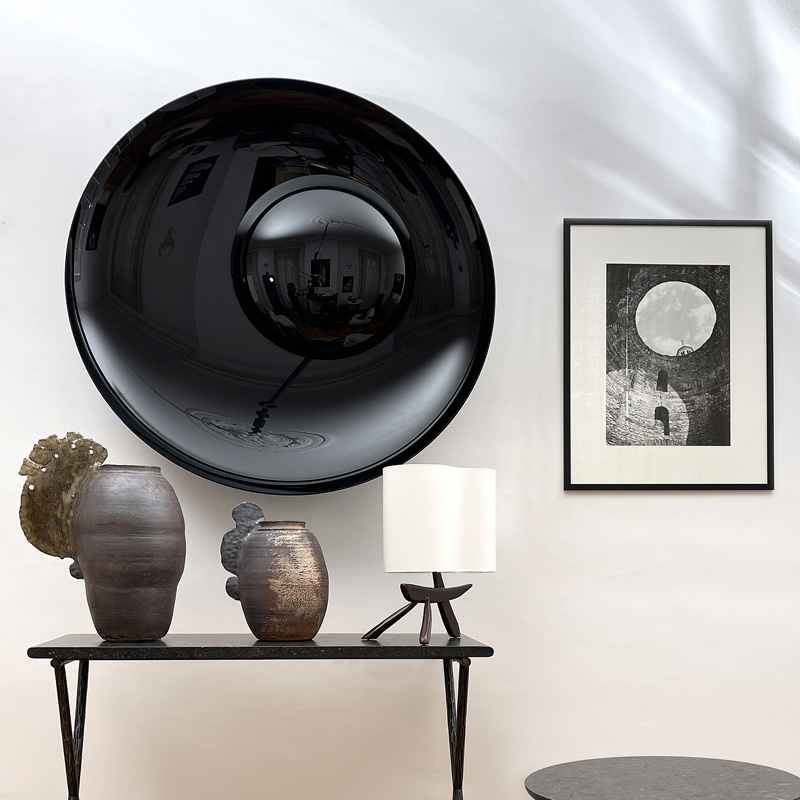
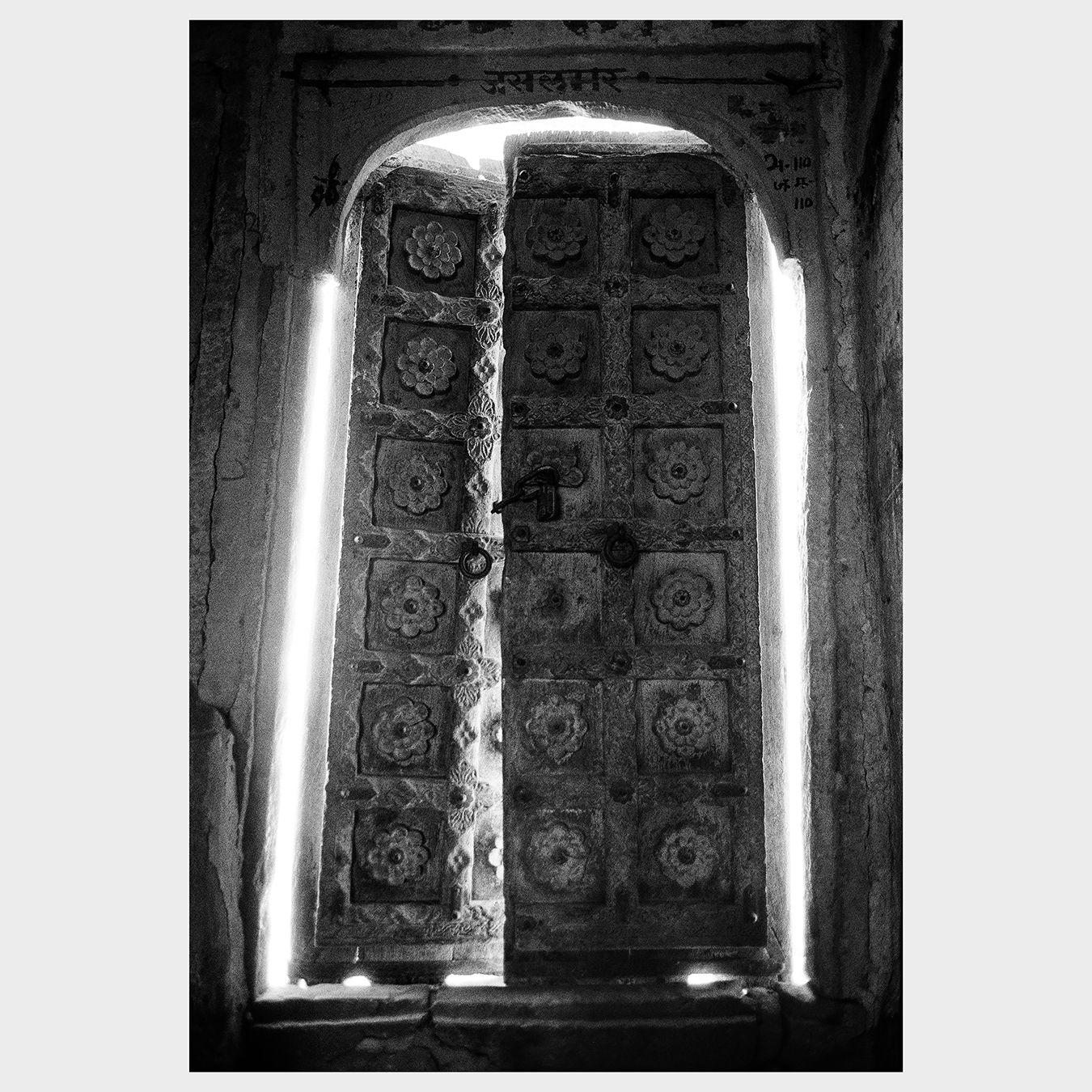
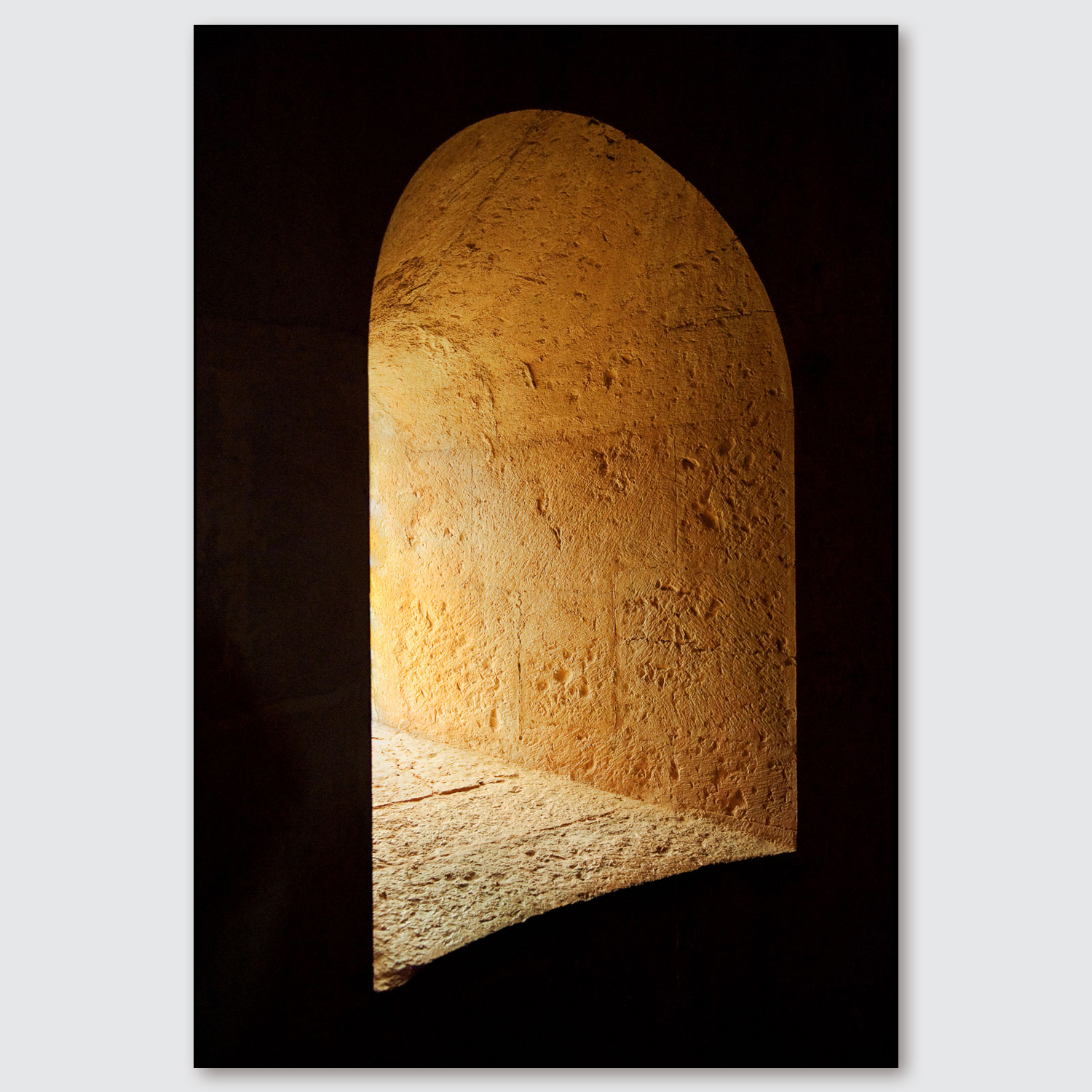
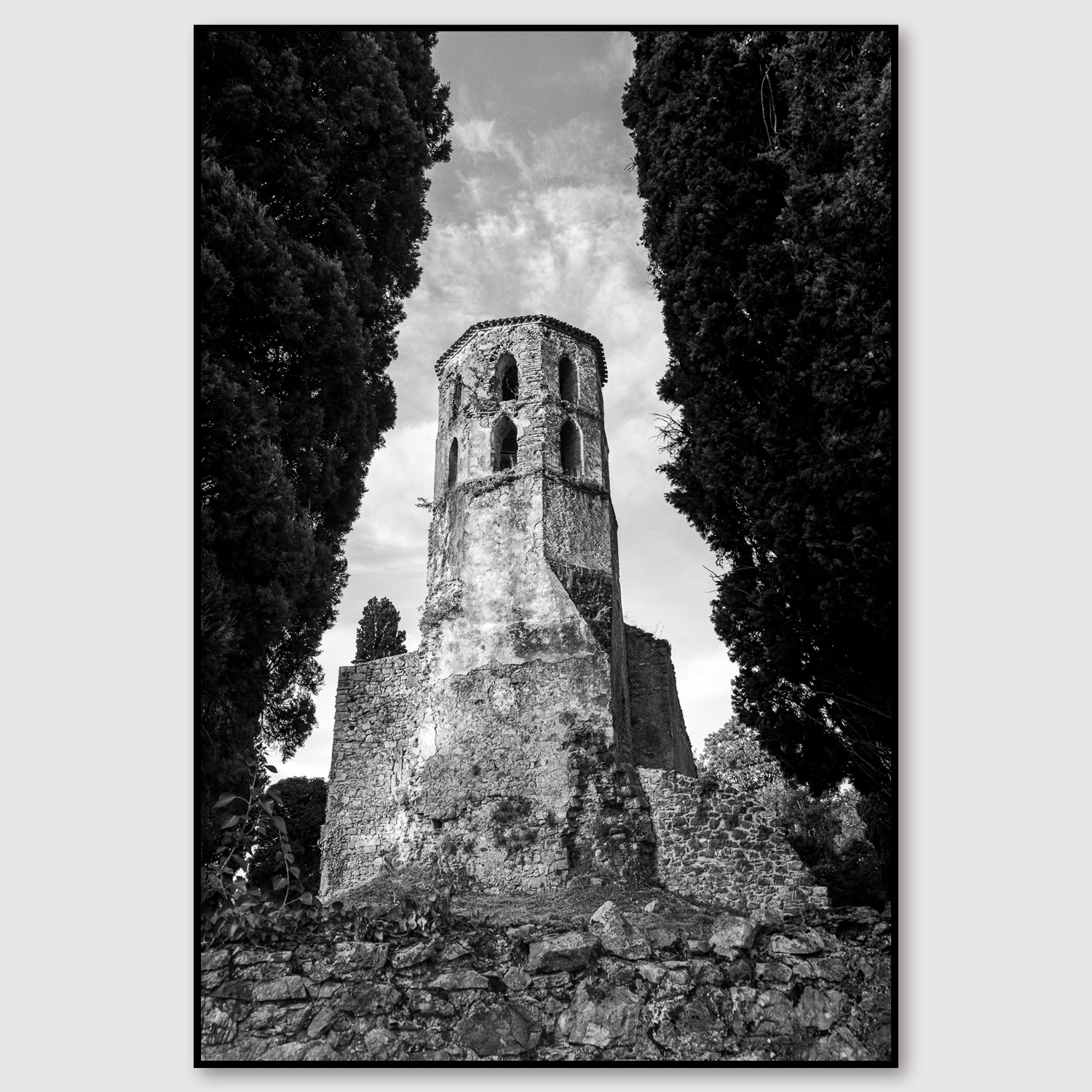
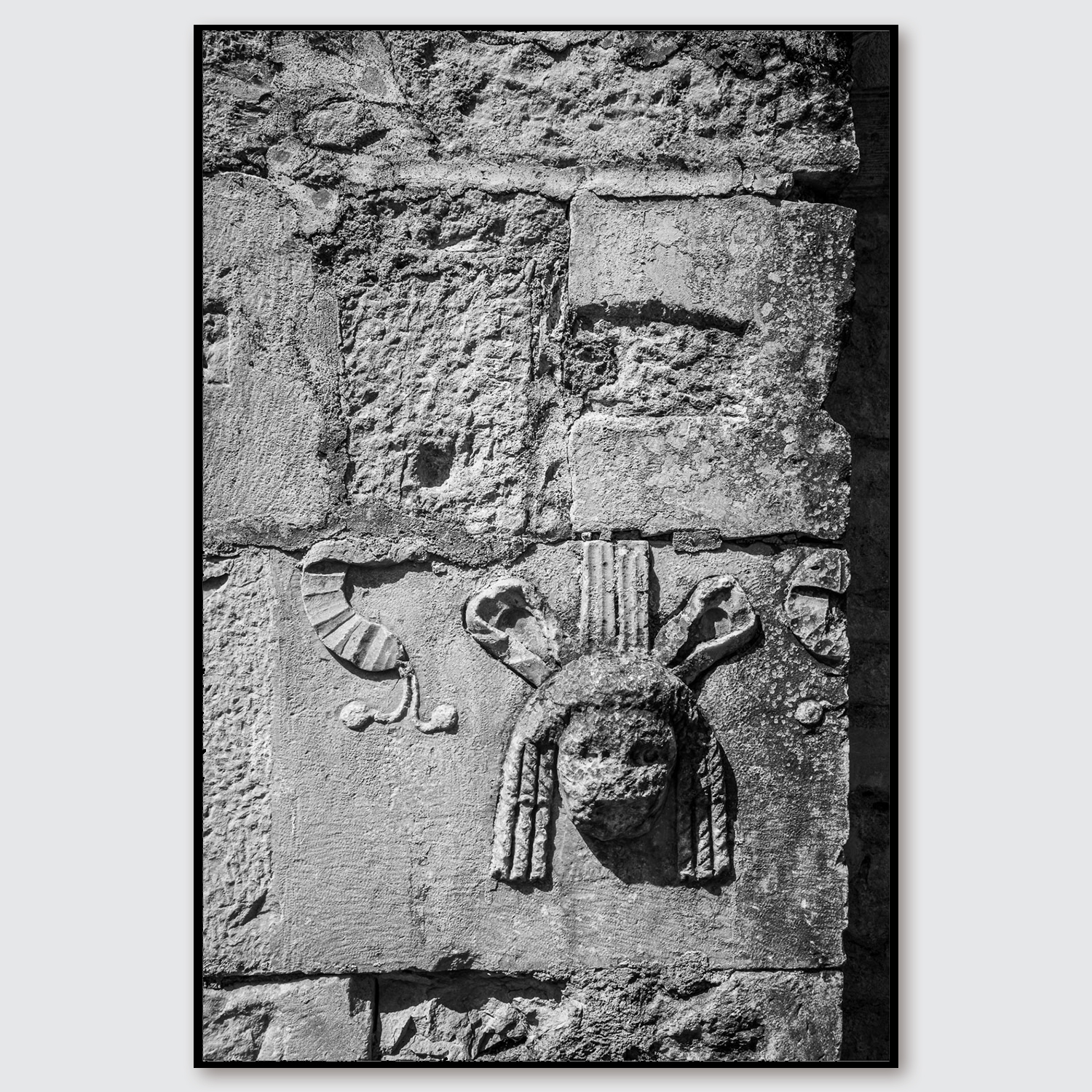
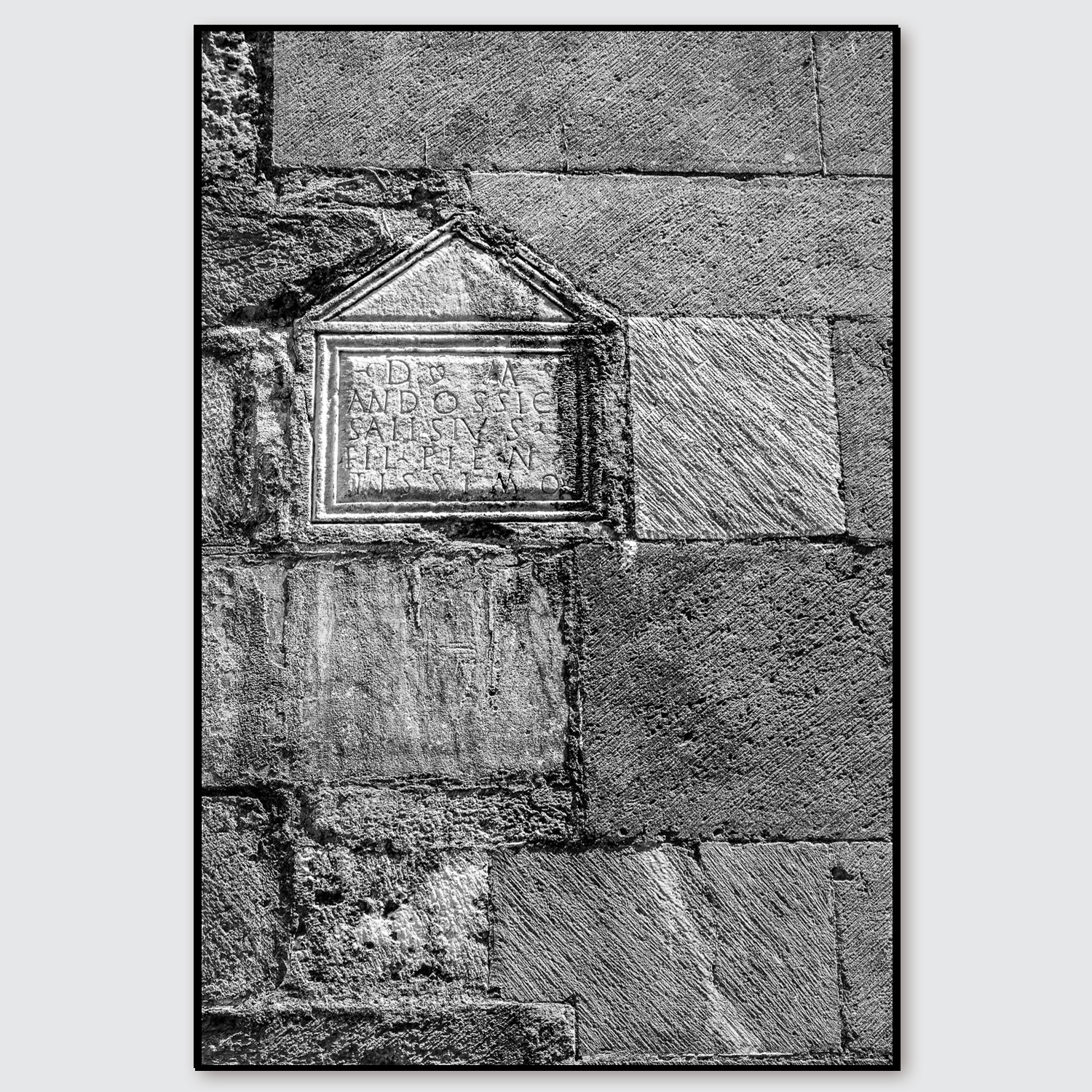
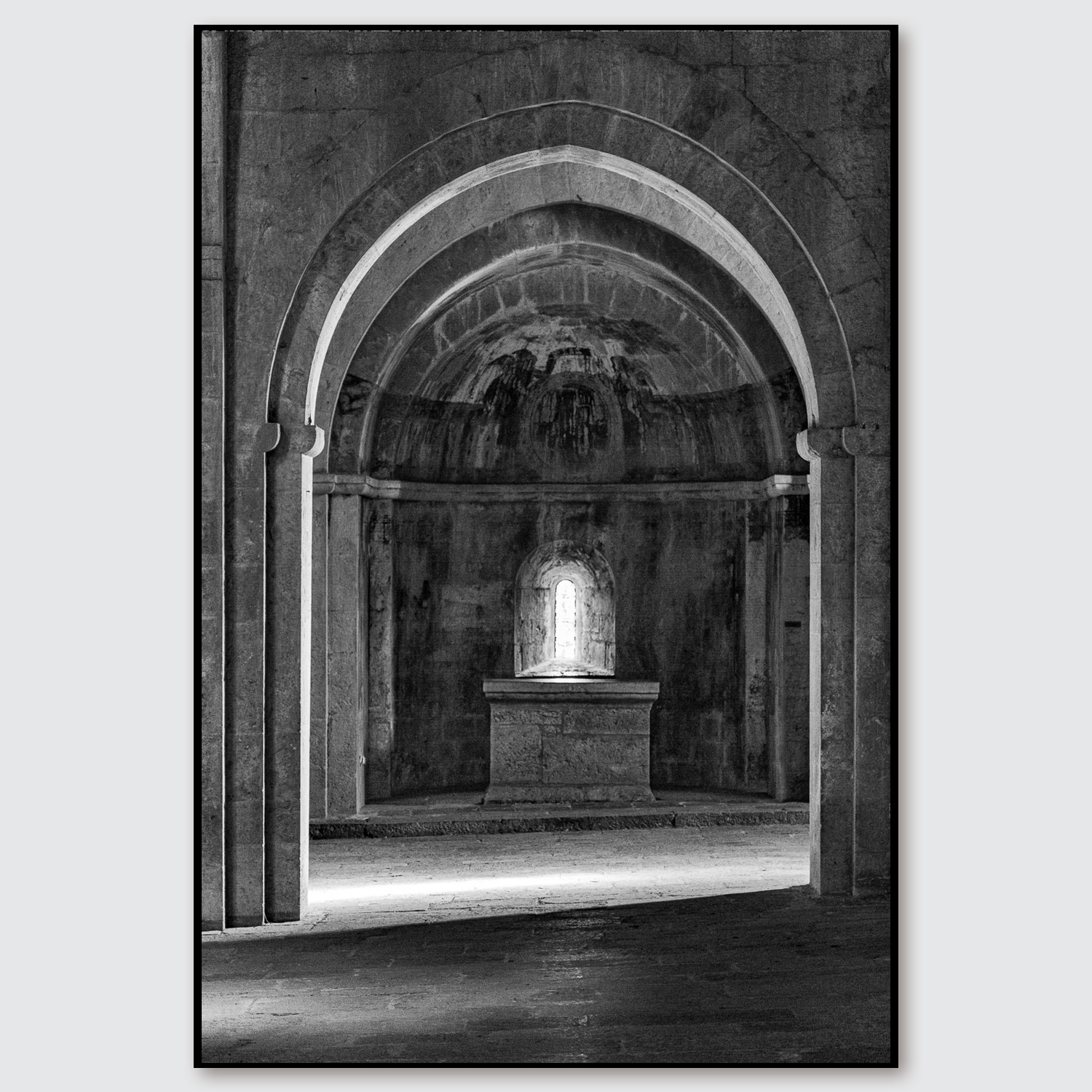
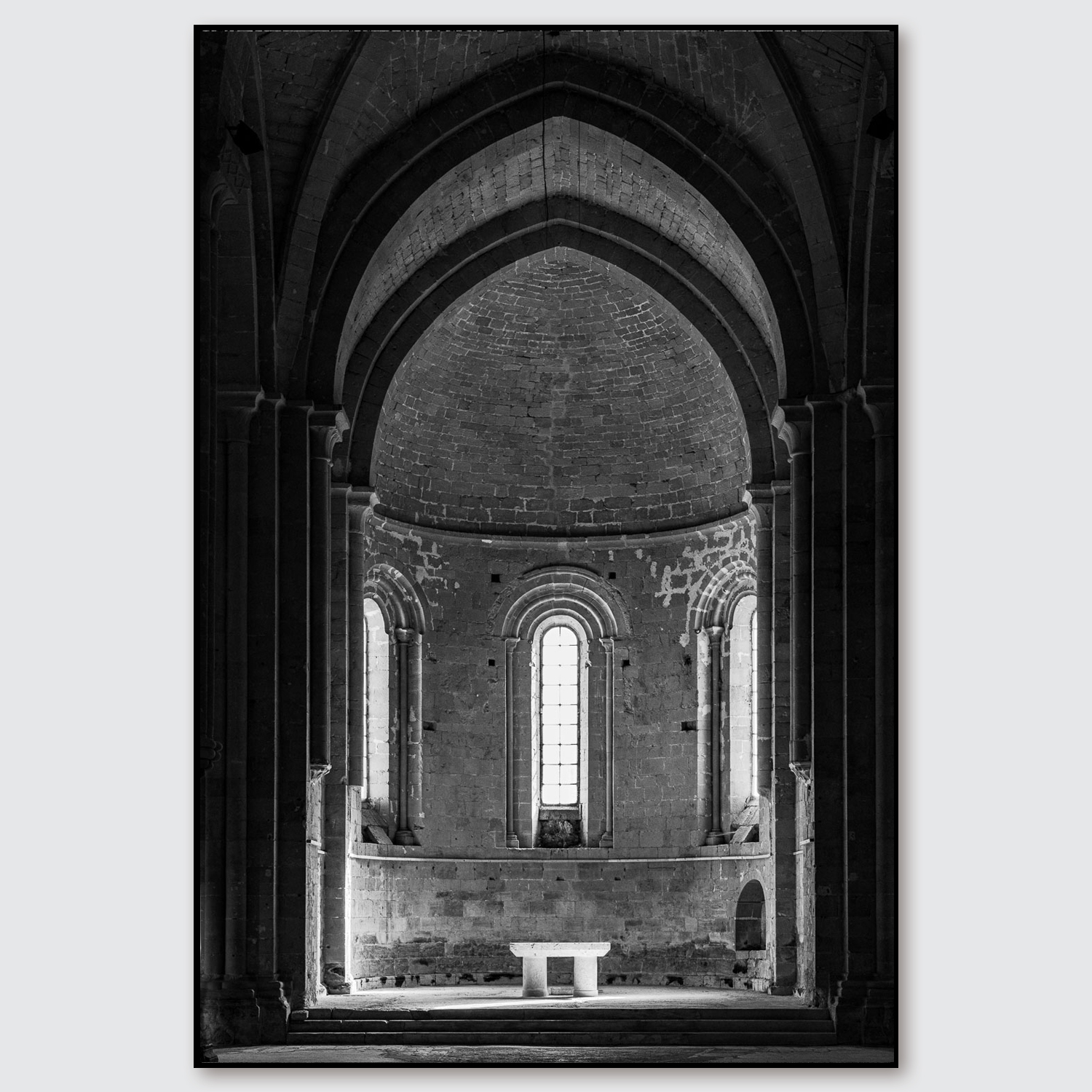
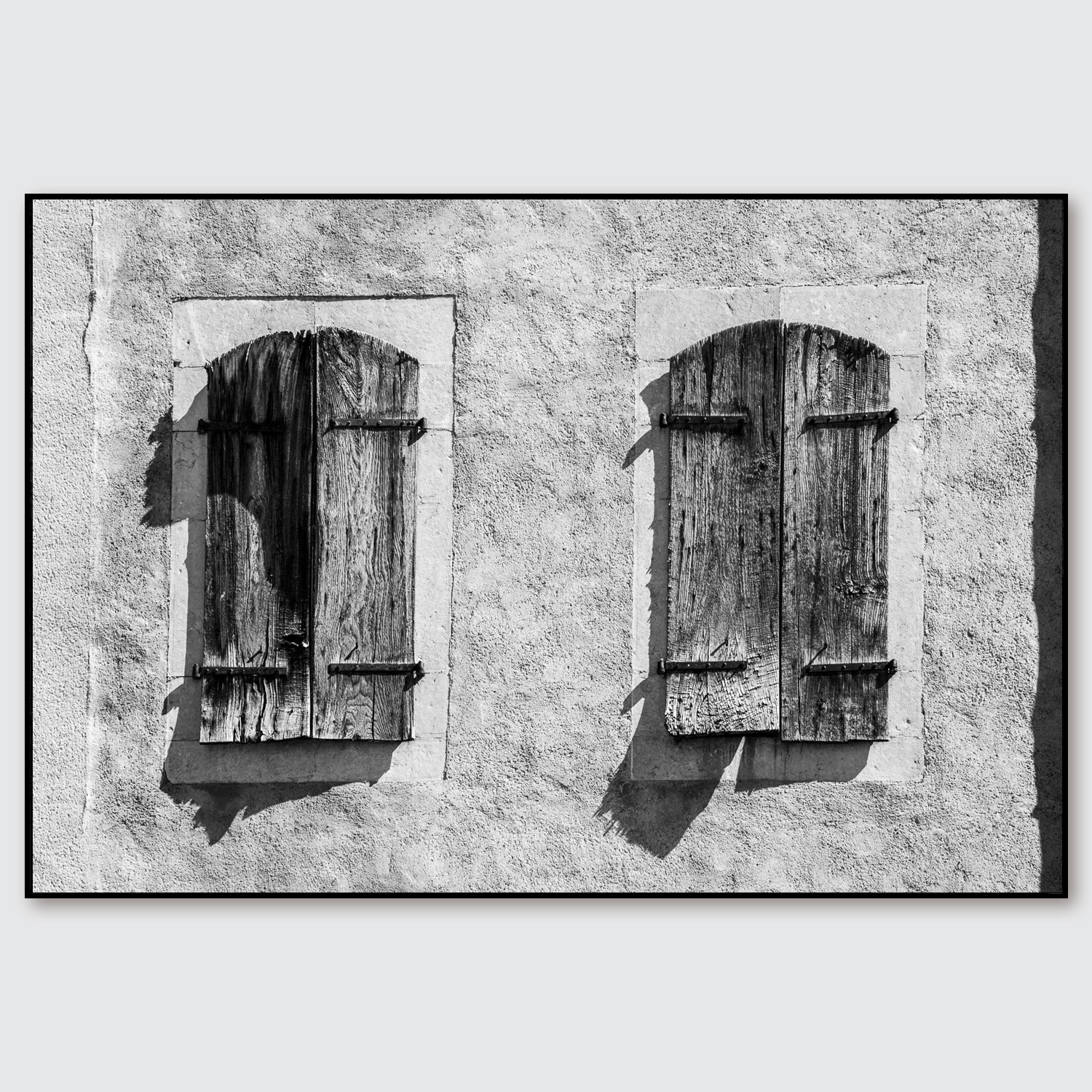
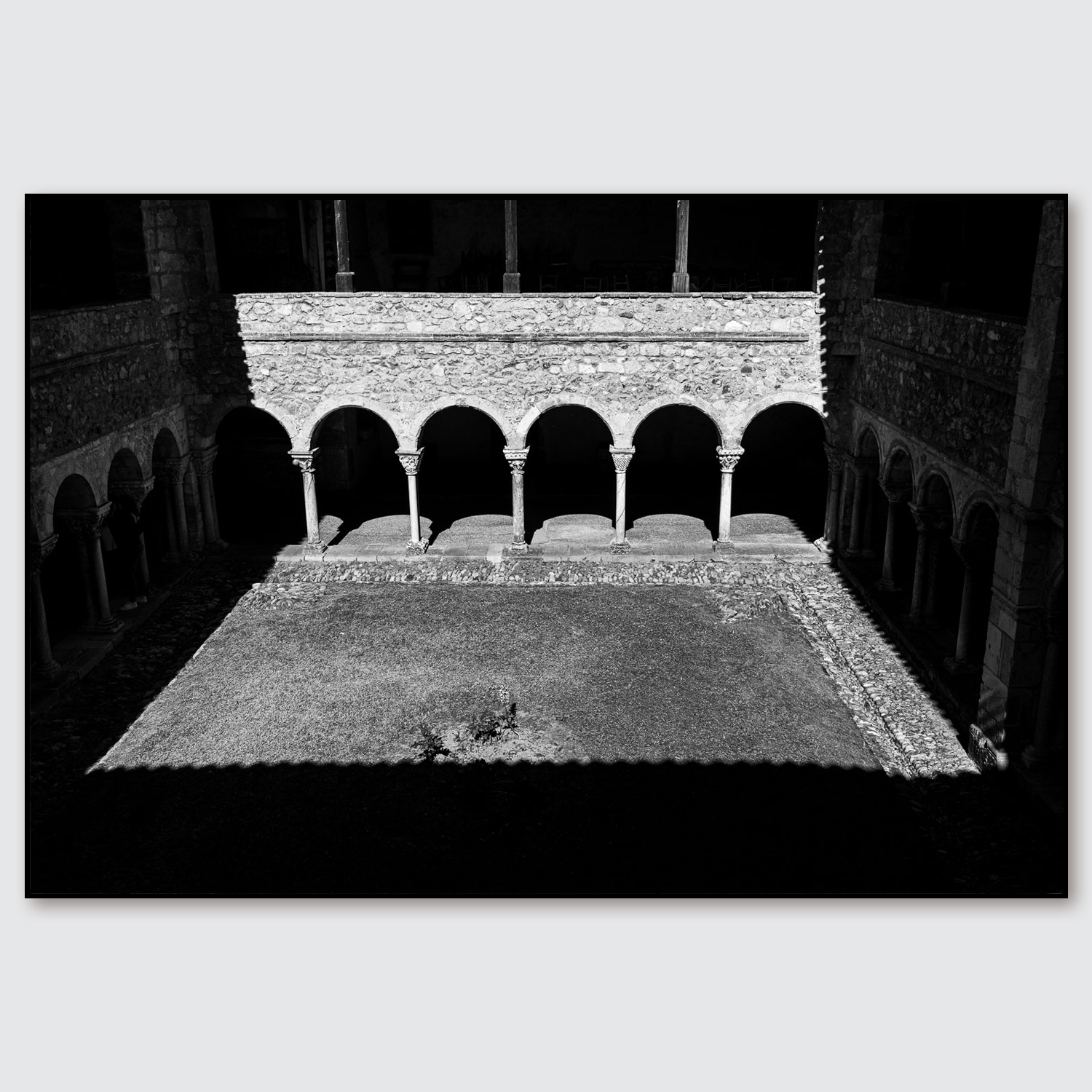
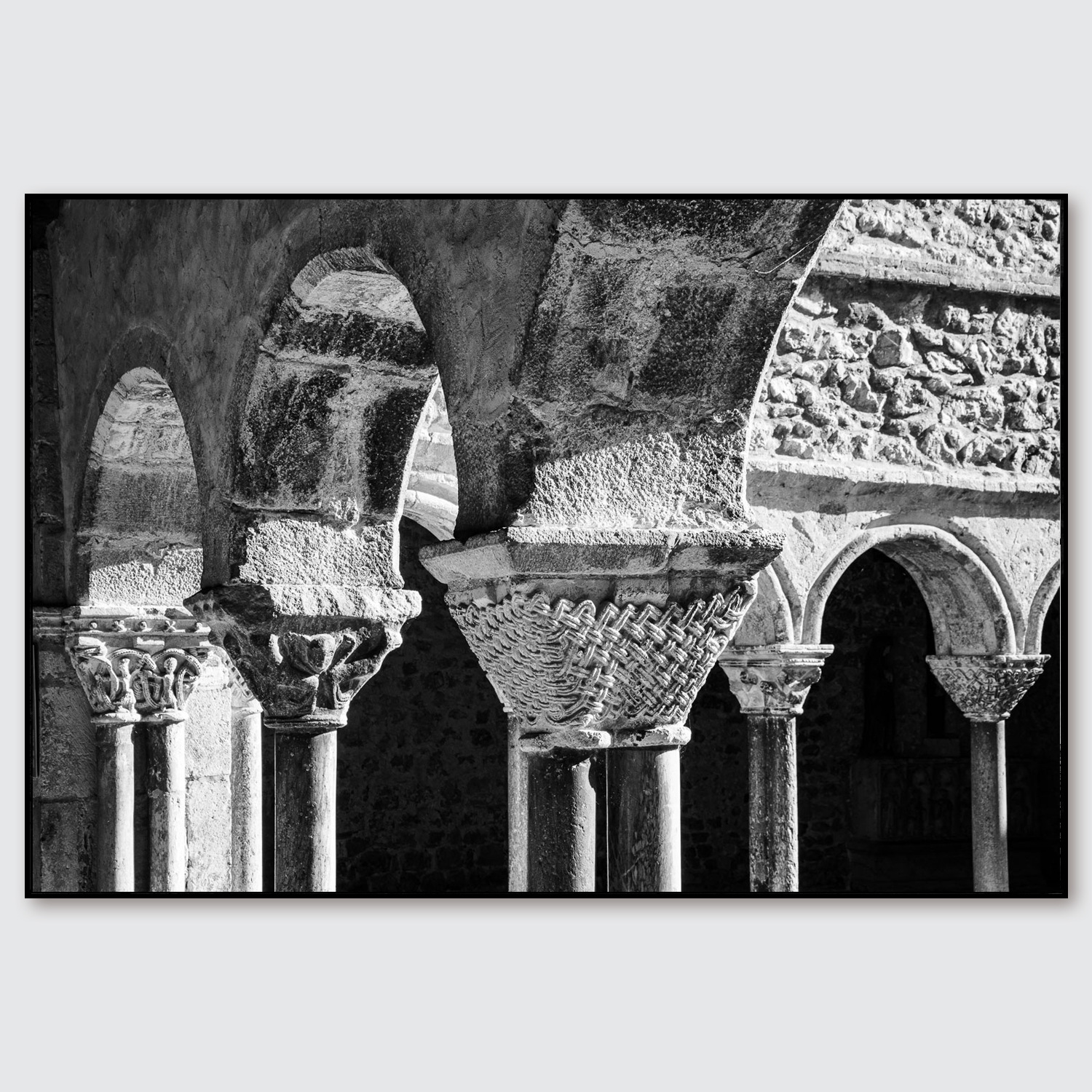
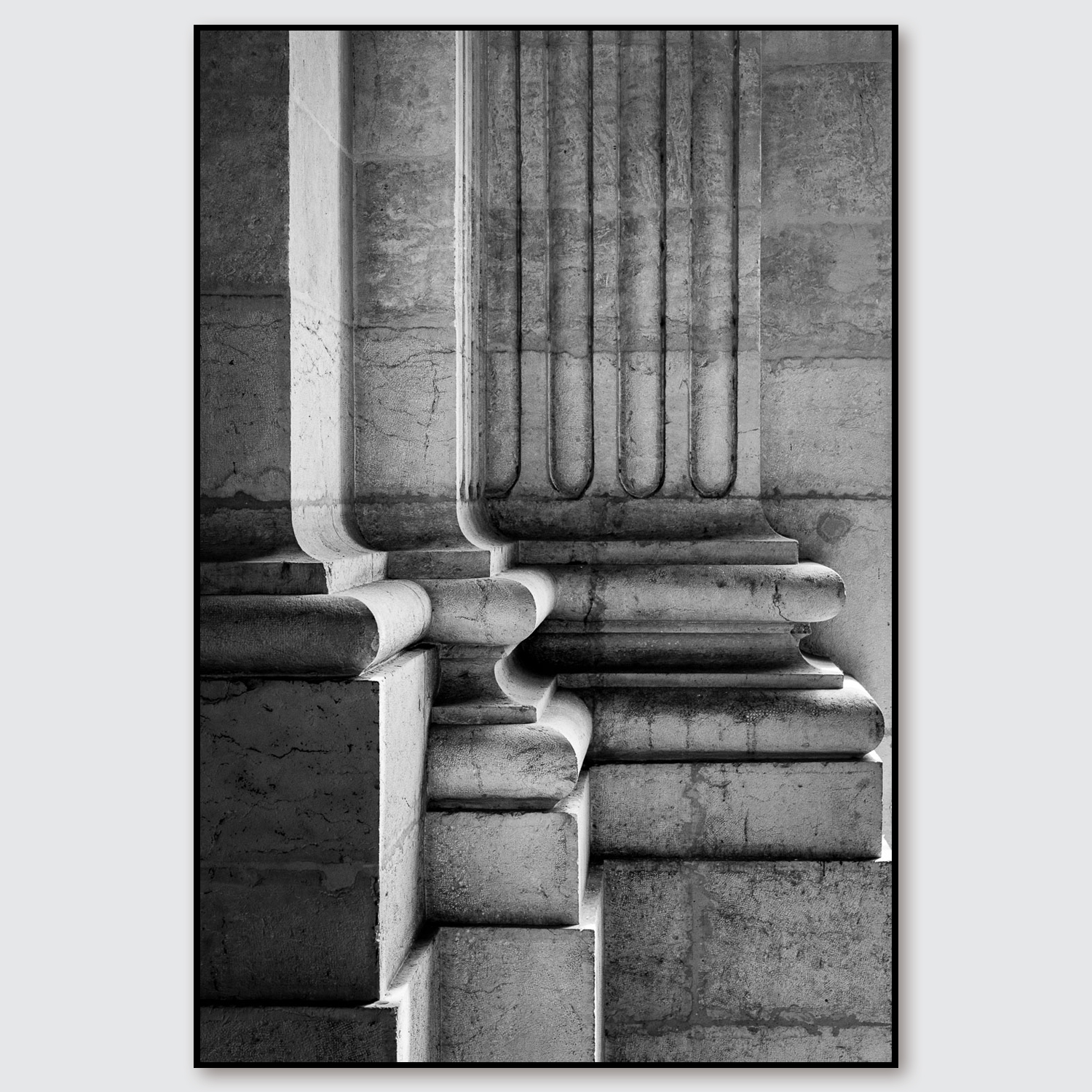
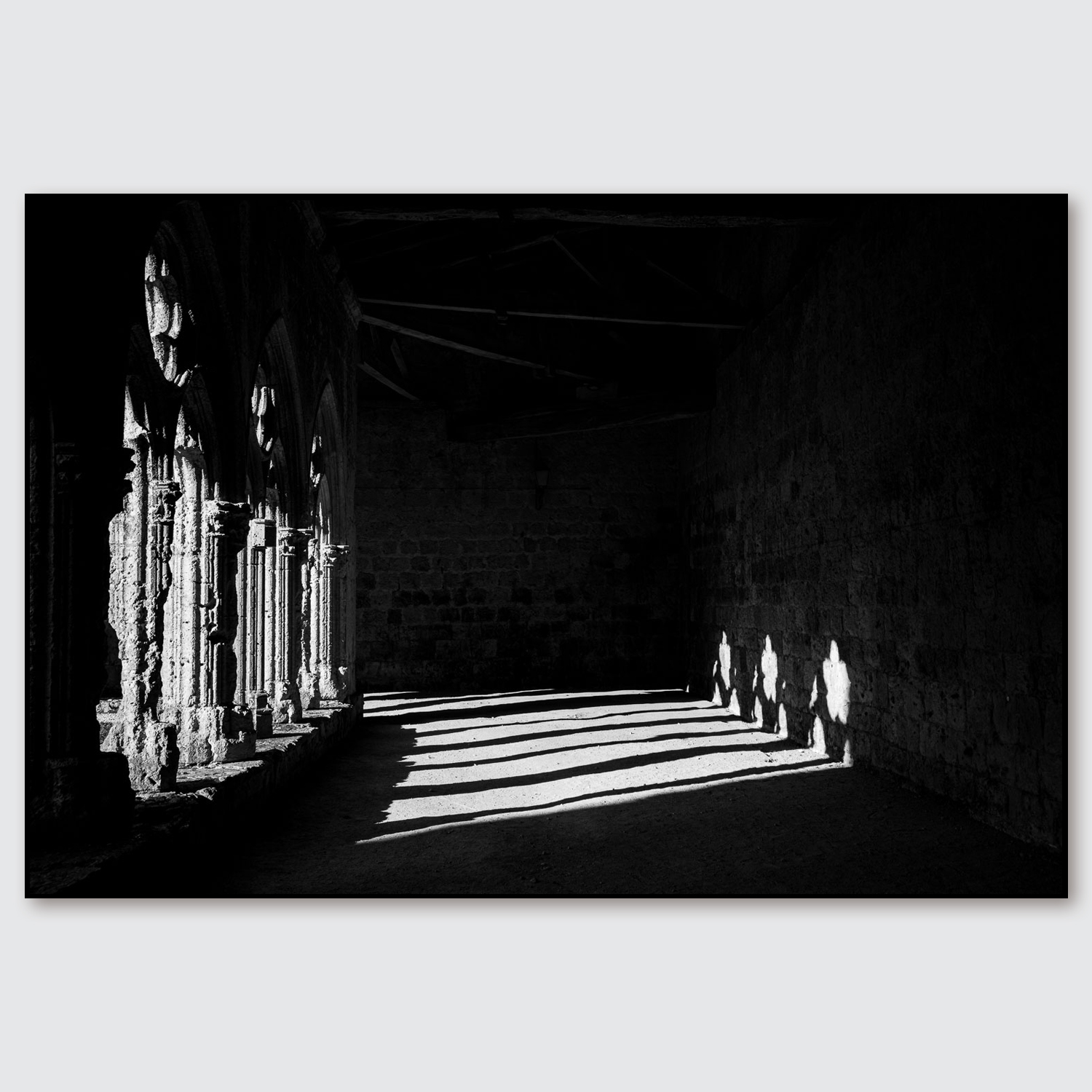
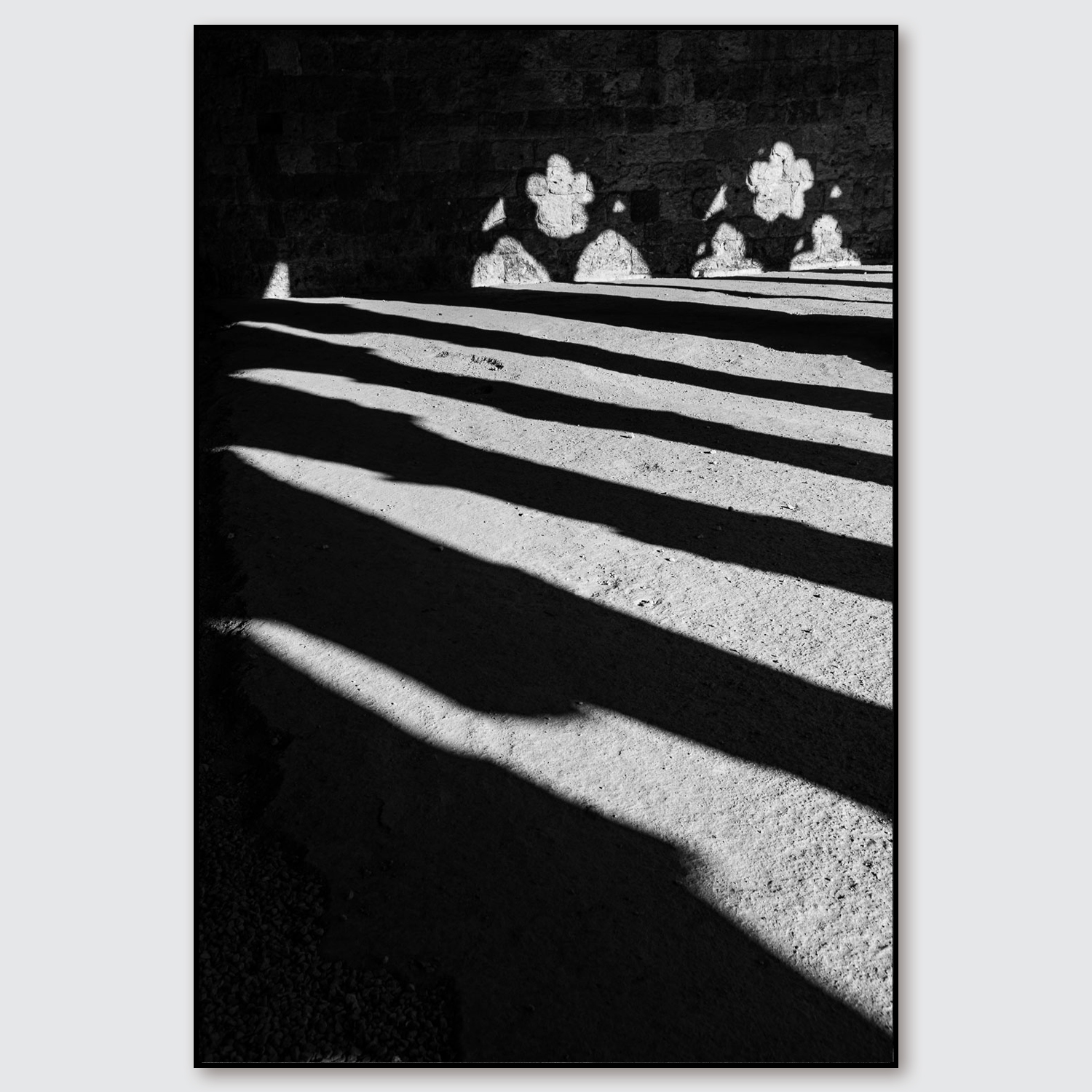
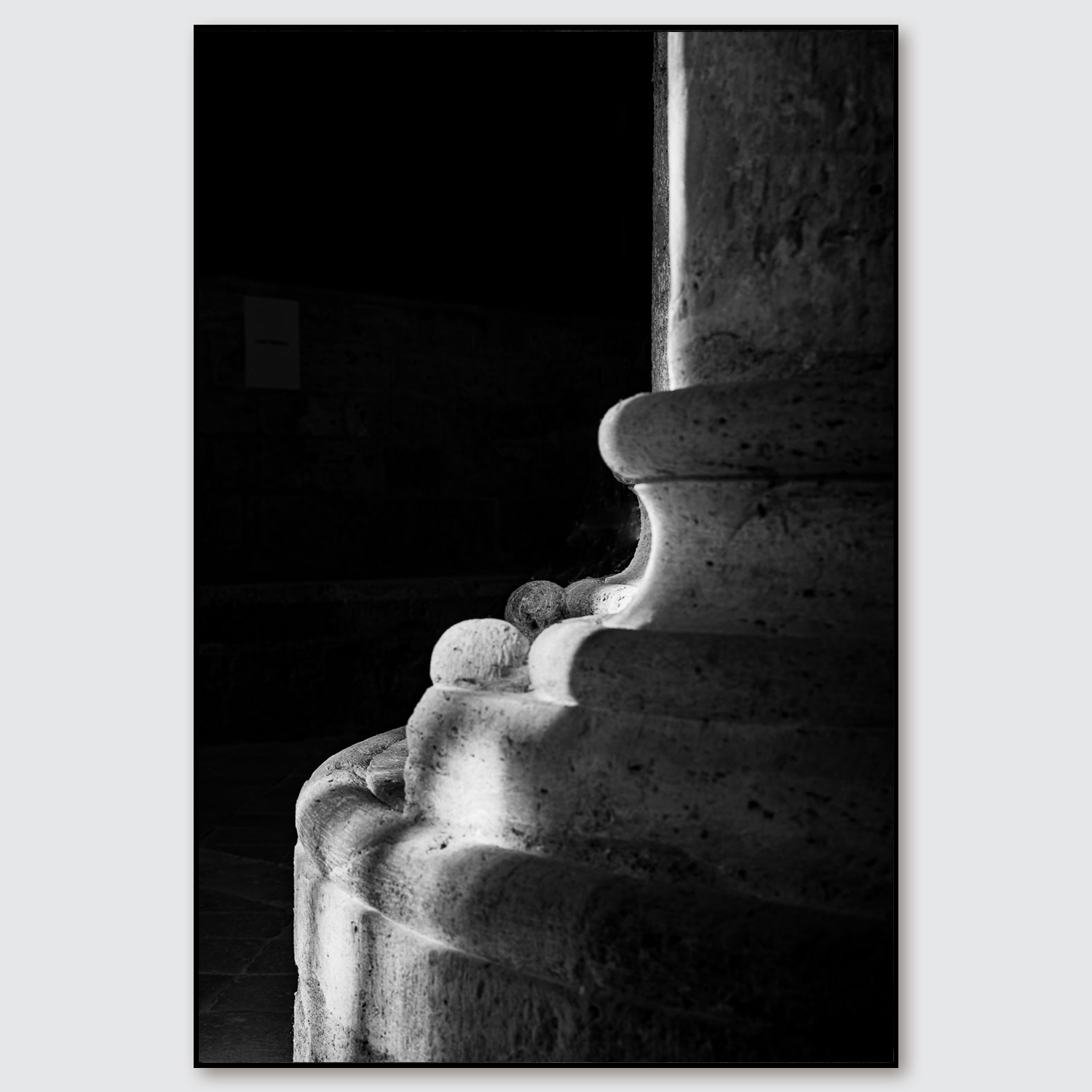
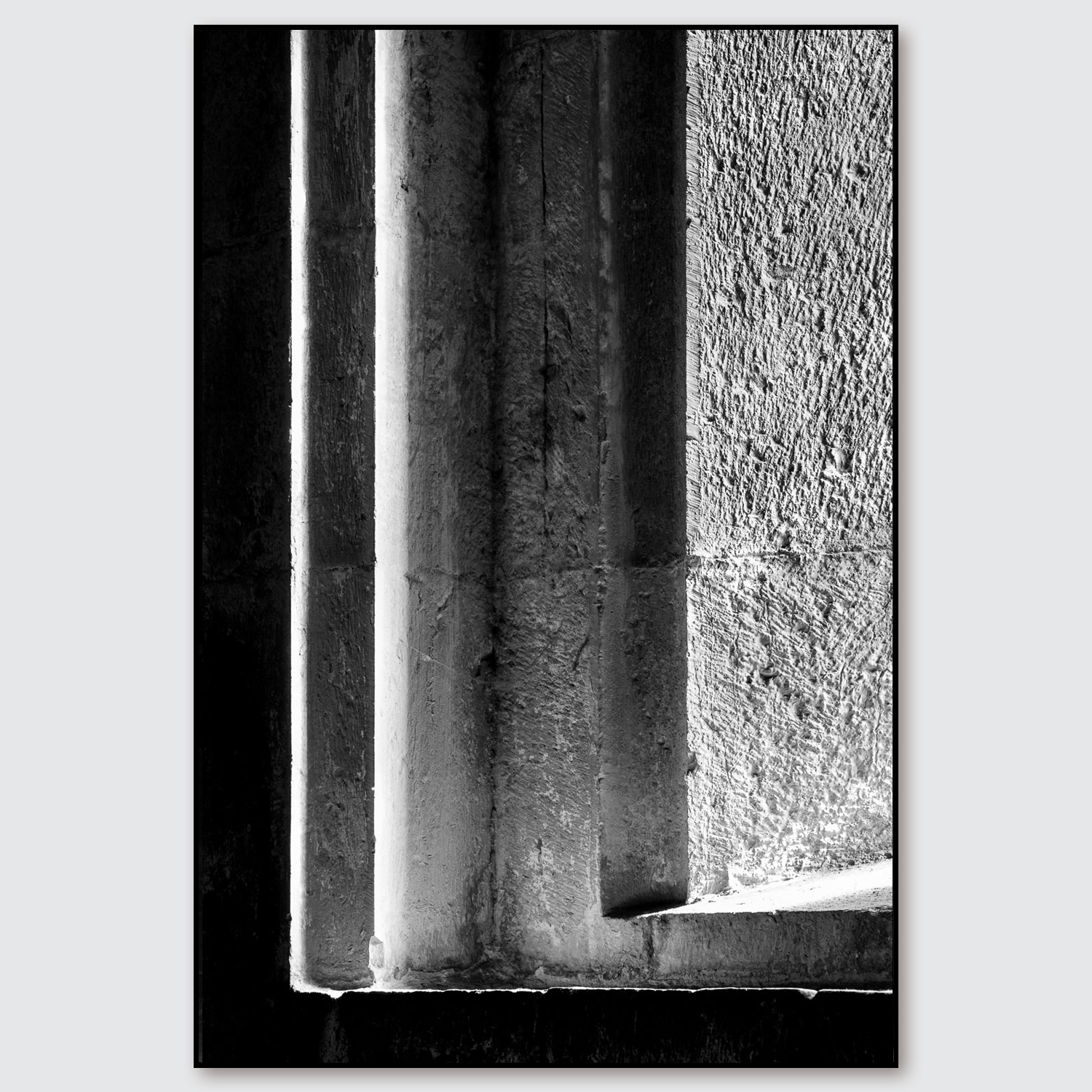
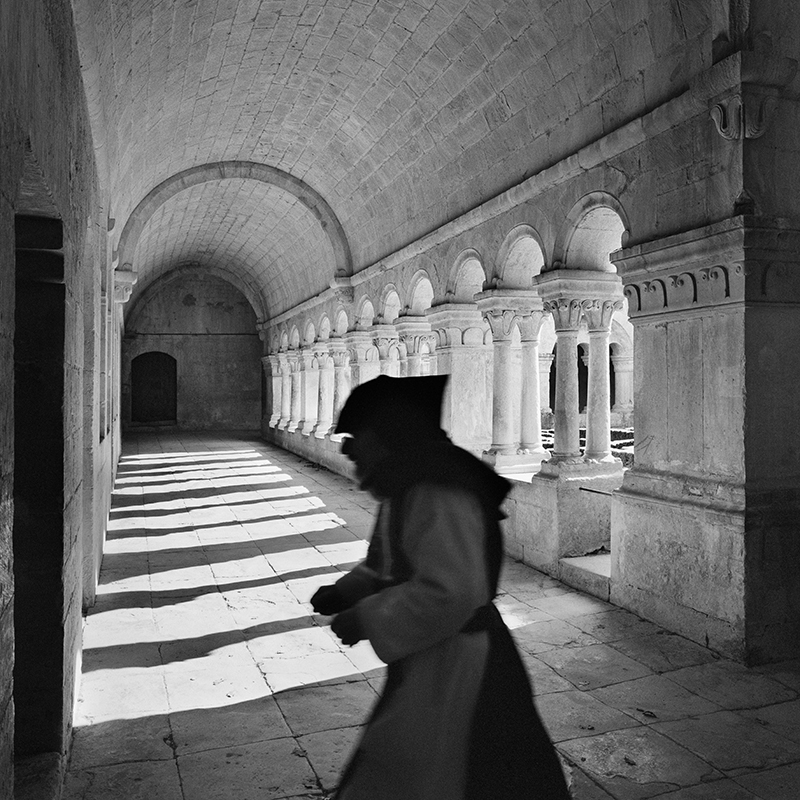
Black and white photograph of Diocletian’s Palace by Ferrante Ferranti. The artist explores the vestiges of the past through the play of shadows and light created by the sun on the ruins. With the soul of an archaeologist, this architect by training combines his photographic work with his passion for antiquity and the Baroque.
Length : 0.39 in / 1 cm
Height : 27.56 in / 70 cm
Width : 19.69 in / 50 cm
Weigth : 2.2 lb / 1 kg
Artist : Ferrante Ferranti
Technique: Digital photography
Support: Barium print on Fine Art pearl paper.
Supervision: Beveled passepartout and black lacquered frame under anti-glare glass.
Dimensions: 70 x 50 cm (frame) – 53 x 36 (print)
Number of copies: 21, signed and numbered
Year: 1995
Inspiration: Built in the early fourth century as Diocletian’s residence and imperial retreat, this vast Roman palace is now one of the best-preserved architectural ensembles of Late Antiquity and a place to live integrated into the urban fabric of Split.
In this image, Ferranti explores the striking dialogue between sunlight, mineral surfaces, and ancient structures. By reducing the scene to its most basic expression—stone, shadow, rhythm—he reveals the textural power of architecture and its imprint of time. Photography is not content with documenting: it captures the inner resonance of the place, this moment when history becomes present, when the past meets the gaze.
Through its sensitive treatment of contrast and lines, the work offers a visual meditation on the permanence of form, the memory of walls and the intrinsic beauty of remains.
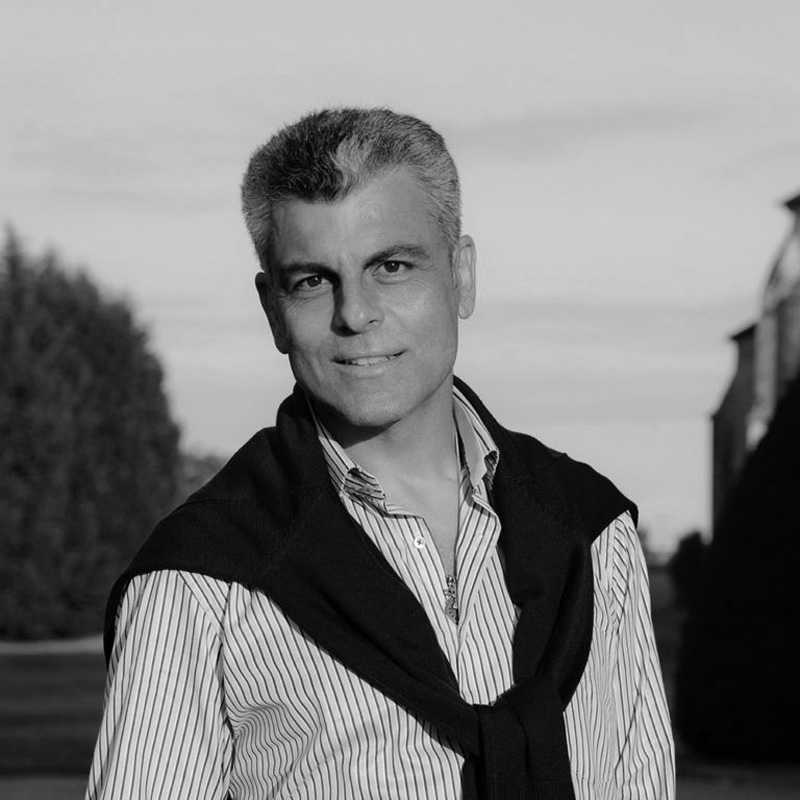
Ferrante Ferranti
FRANCE
Born January 13, 1960 in Algeria, of a Sardinian mother and a Sicilian father. He took his first photograph at the age of eighteen, a wave in Belle-Île-en-Mer. Passionate about Fernand Pouillon’s book, Les Pierres Sauvages, he began training as an architect in Toulouse, which he completed at Paris-UP6 in 1985 with a diploma in Theaters and scenography in the Baroque era. Traveling photographer, he has been involved for thirty years with Dominique Fernandez in a joint exploration of the Baroque and the different layers of civilizations, from Syria to Bolivia via Sicily and Saint Petersburg. His photographs dialogue with the texts of the writer, who defines him in the album Itinerrances (Actes Sud, 2013) as “the inventor of a language which links the sun to the ruins, in search of the meaning hidden in the forms” .
Collection

Customizable
Customizable
Customizable
Customizable
Customizable
Customizable
Customizable
Customizable
Customizable
Customizable
Customizable
Customizable

Customizable

Customizable
Customizable
Customizable
Customizable
Customizable
Customizable
Customizable
Customizable
Customizable
Customizable
Customizable
Customizable
Customizable
Customizable
Customizable
Customizable
Customizable
Customizable
Customizable