Customizable

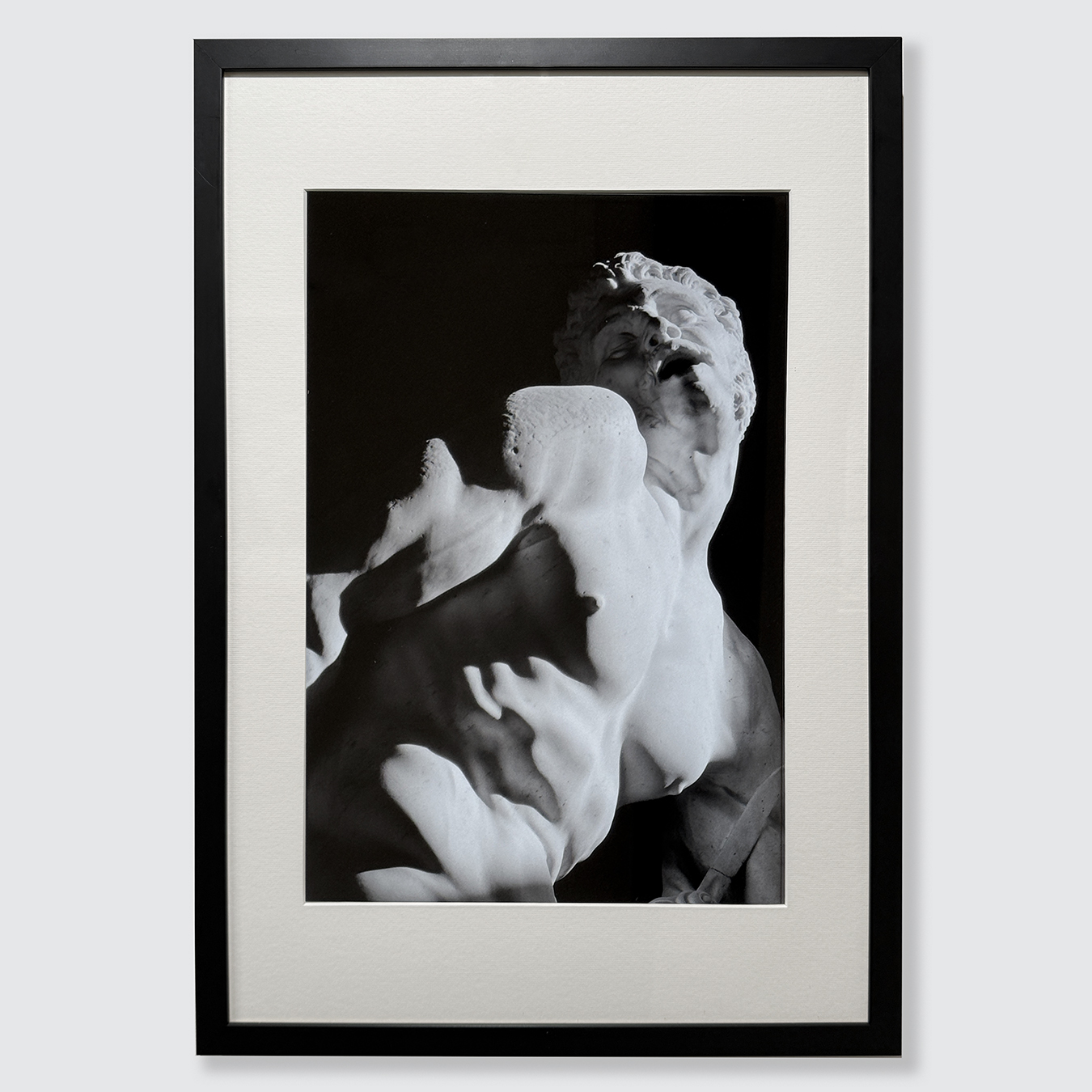
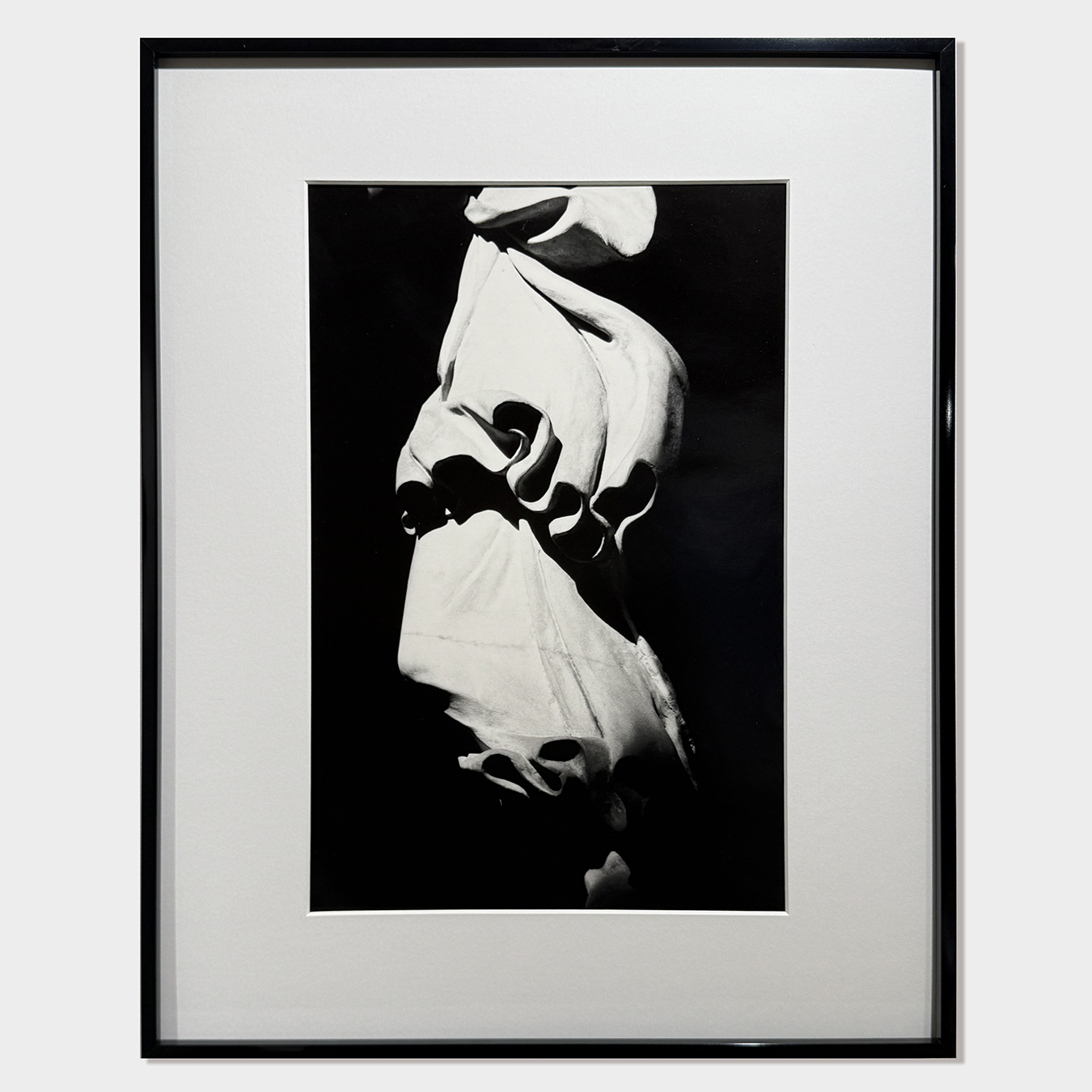
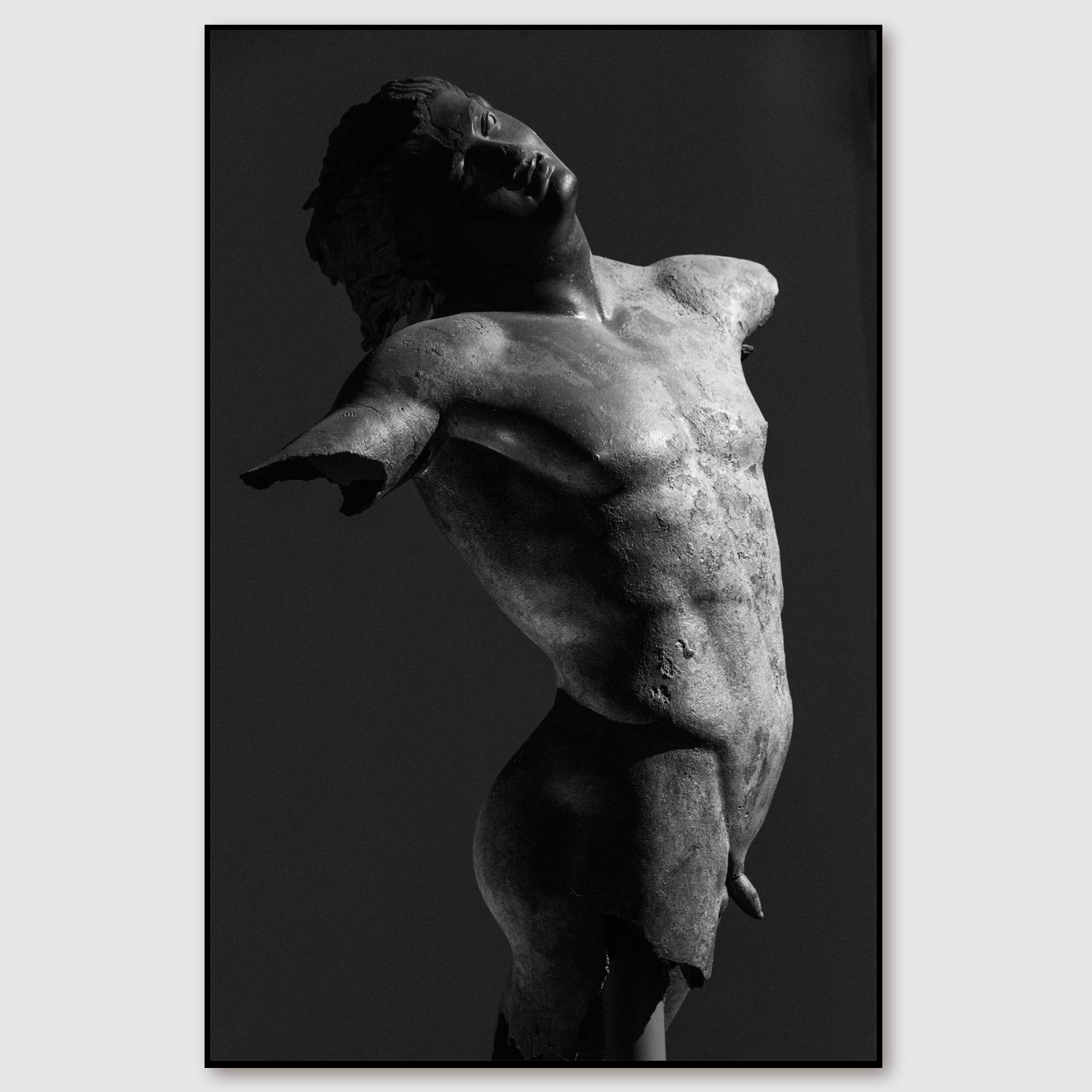
DEITY OF MOZIA, SICILY, ITALY (11/21)
Référence :
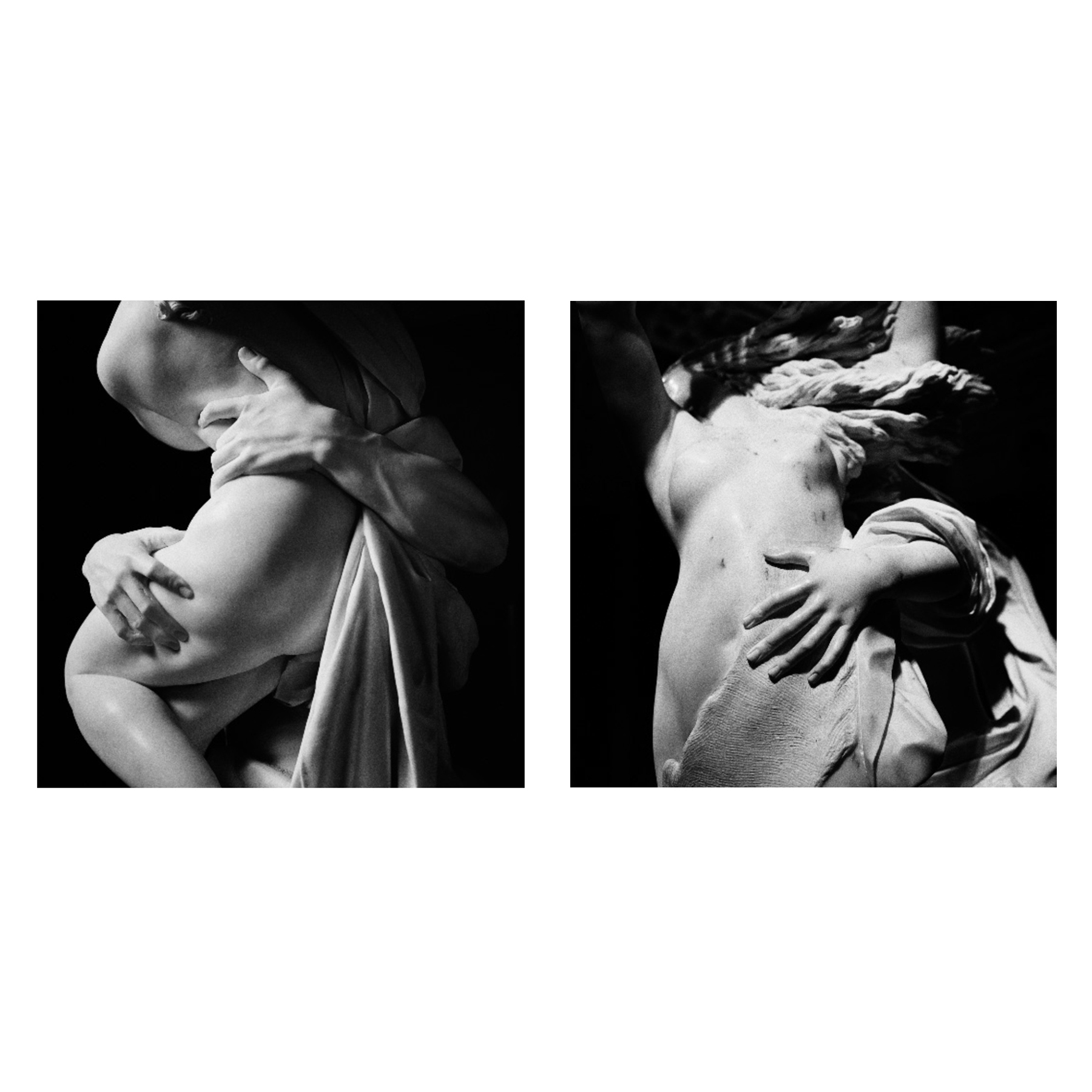
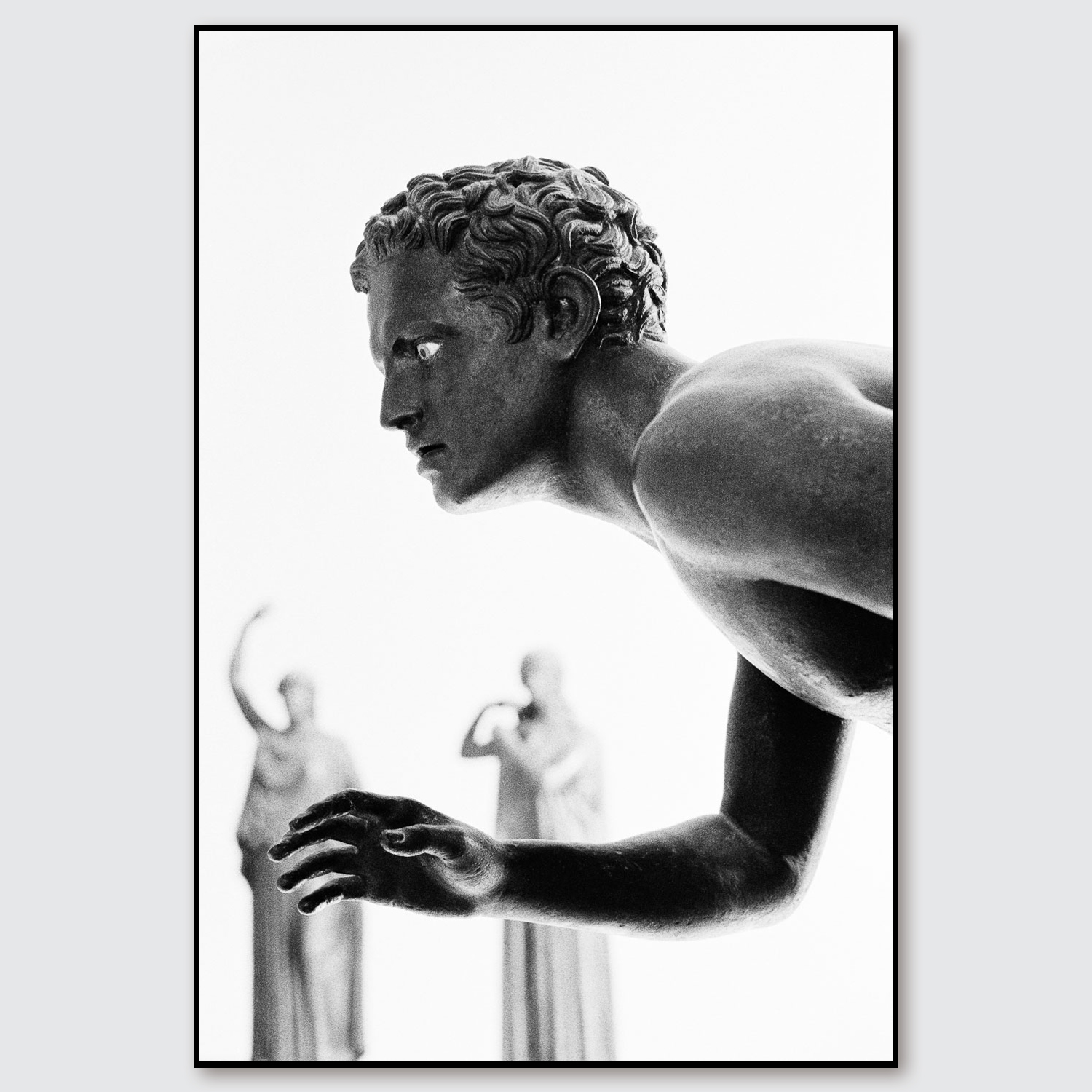
Black and white photograph of a Phoenician deity on the island of Mozia in Sicily, by Ferrante Ferranti. The charioteer of Mozia is a marble statue from the 5th century BC. Her posture, arched and even sensual, and her outfit make this work atypical and give it over to many and varied interpretations.
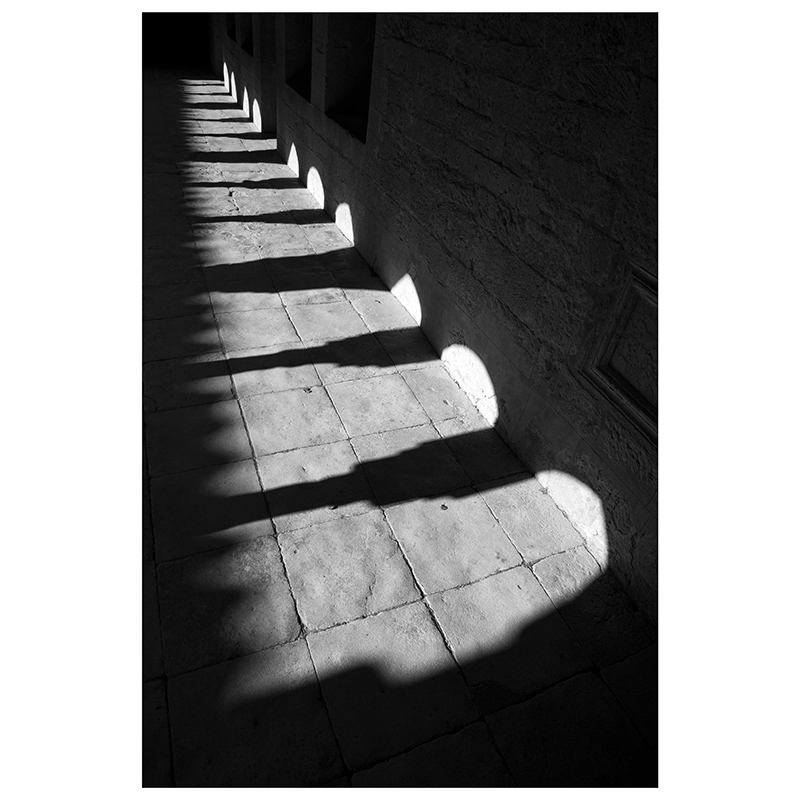
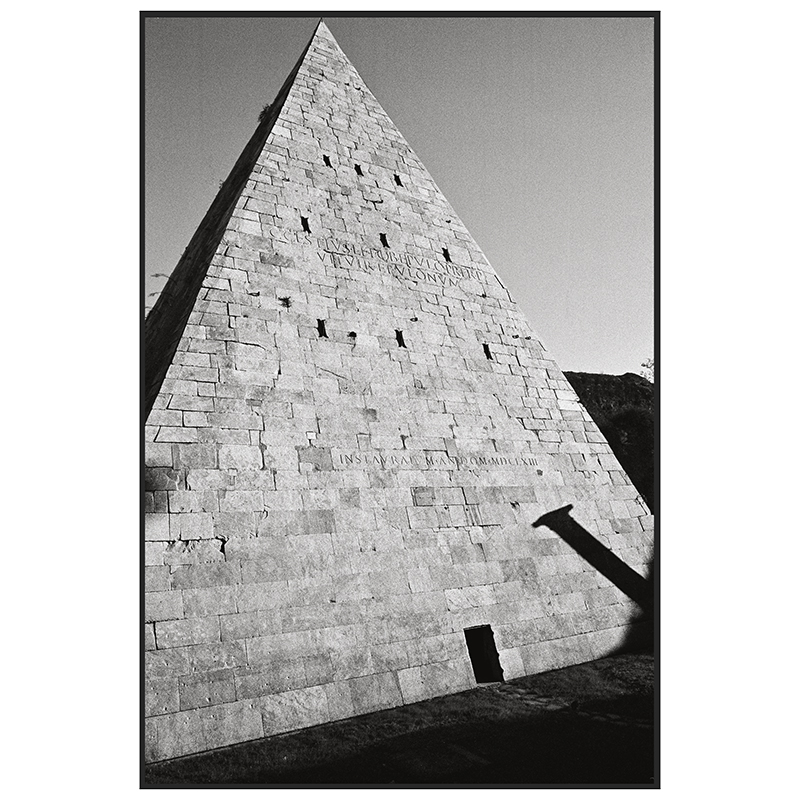
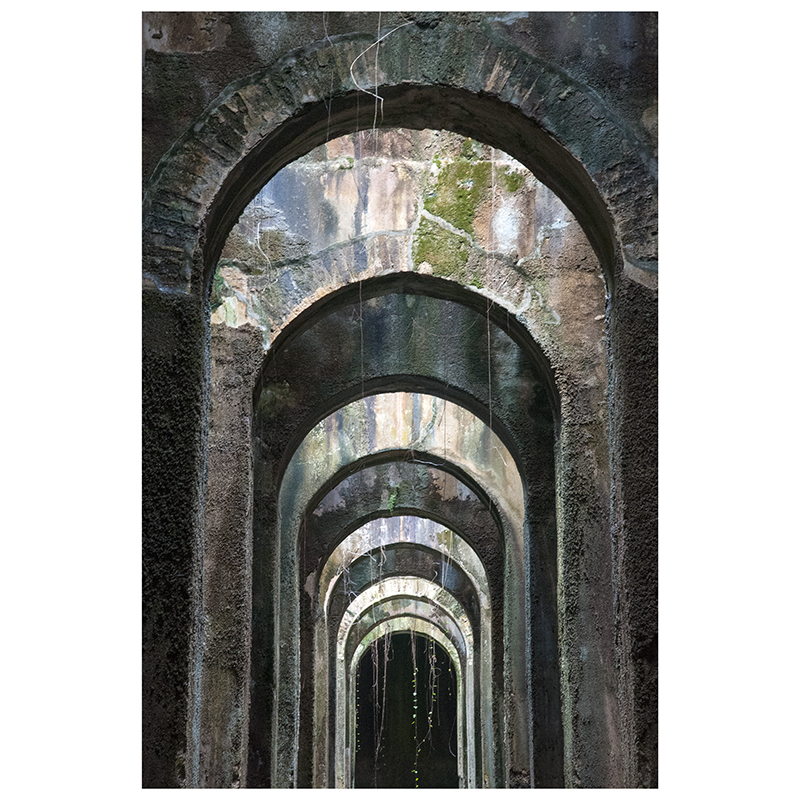
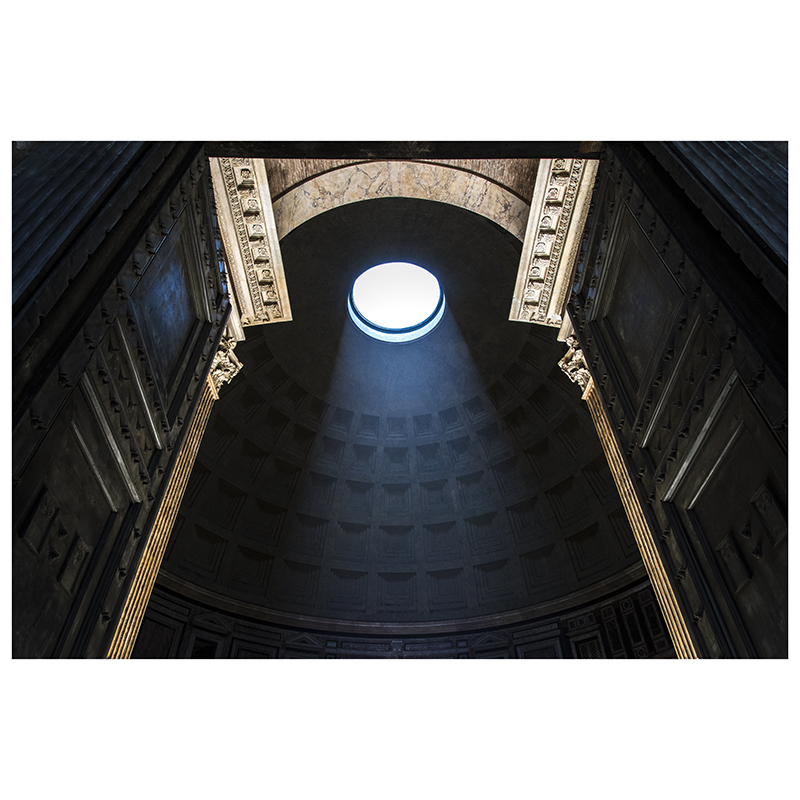
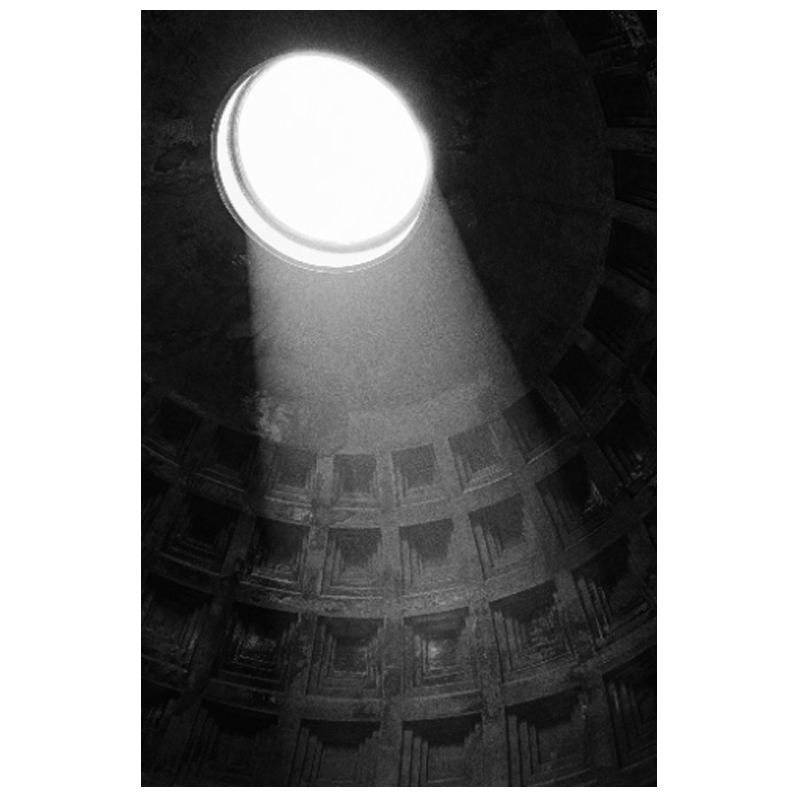
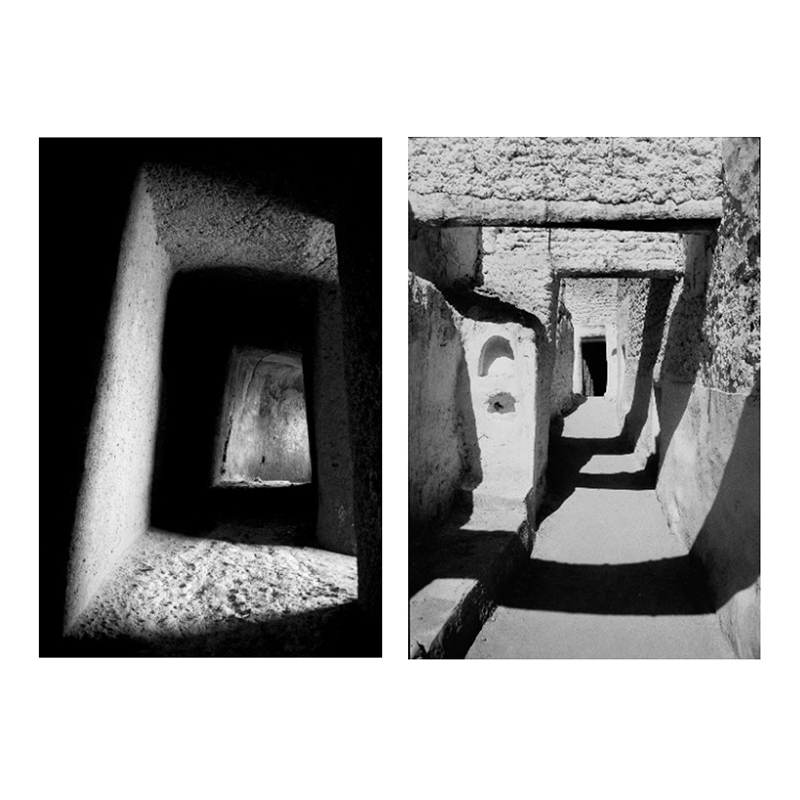
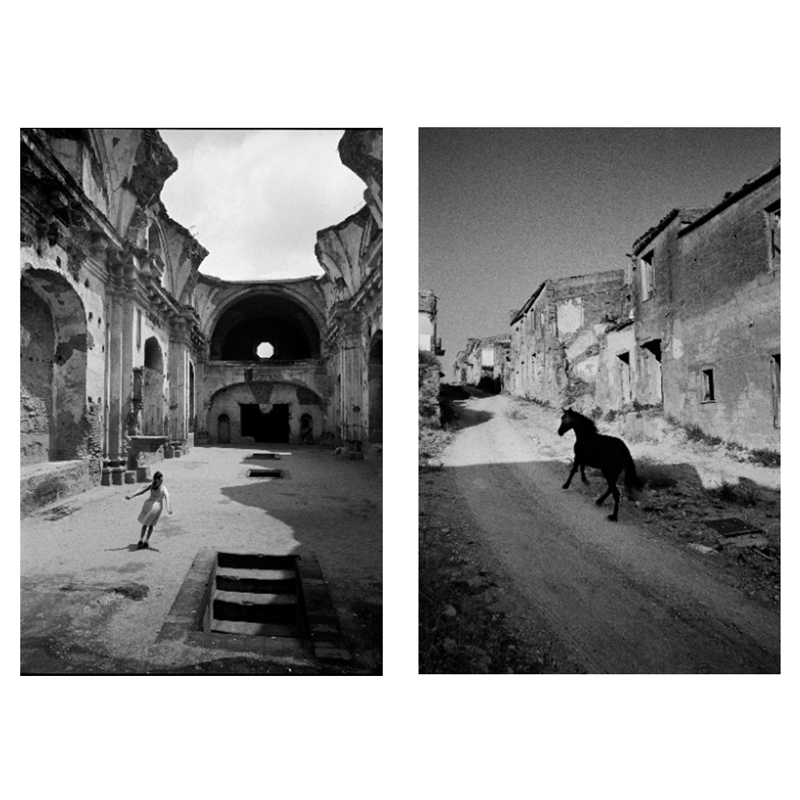
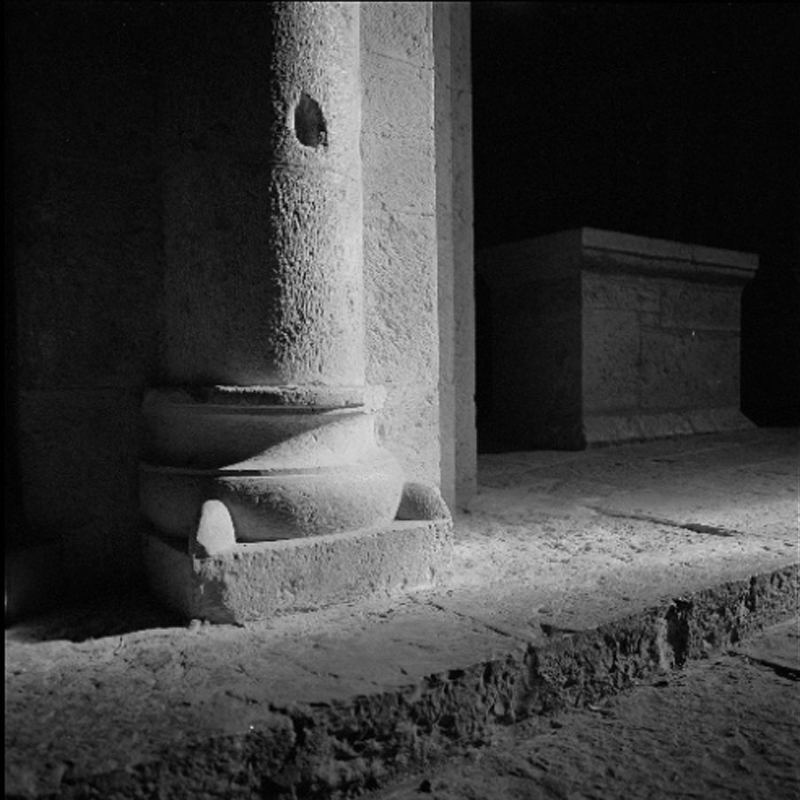
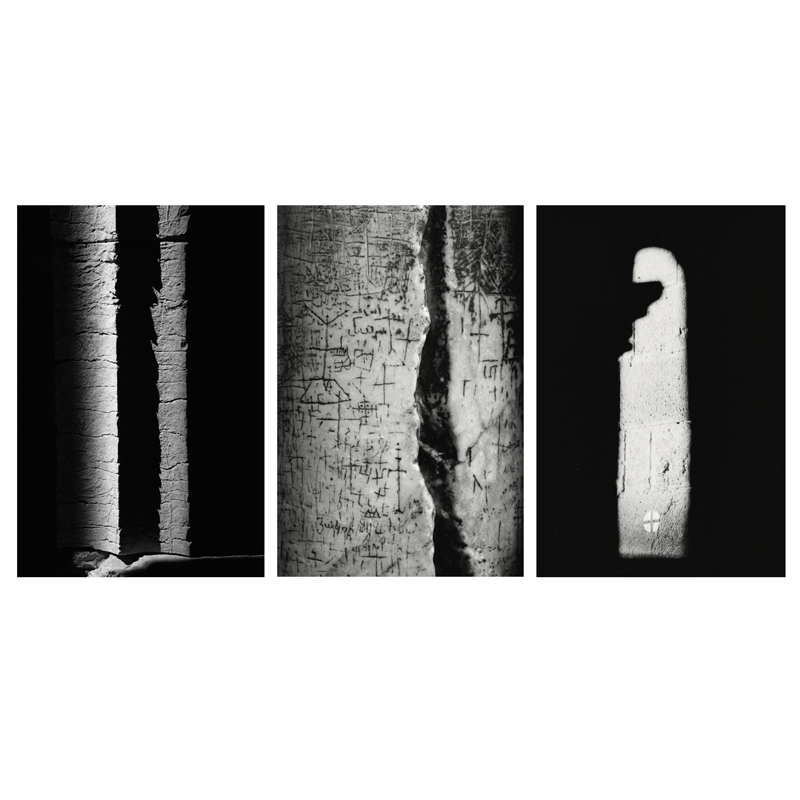
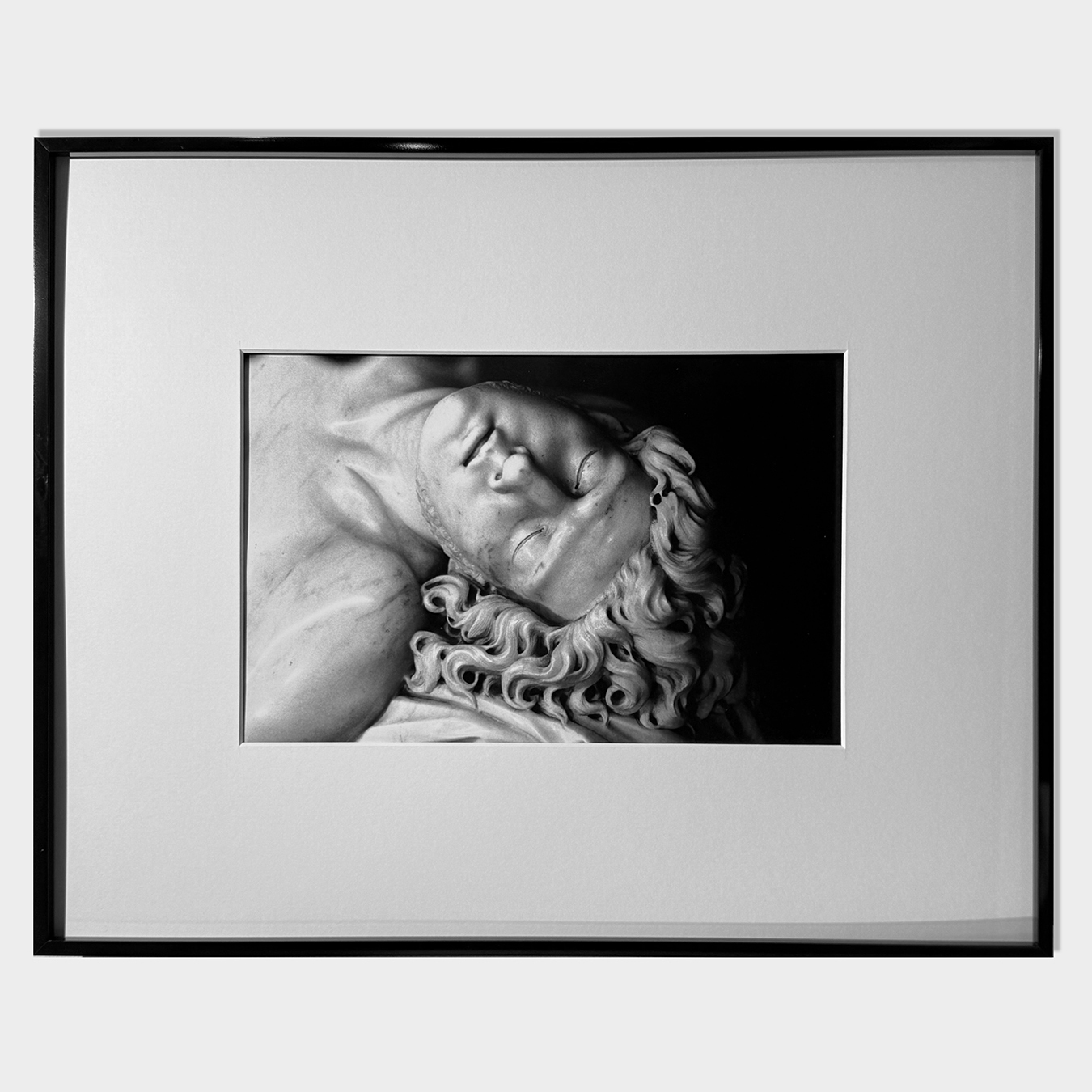
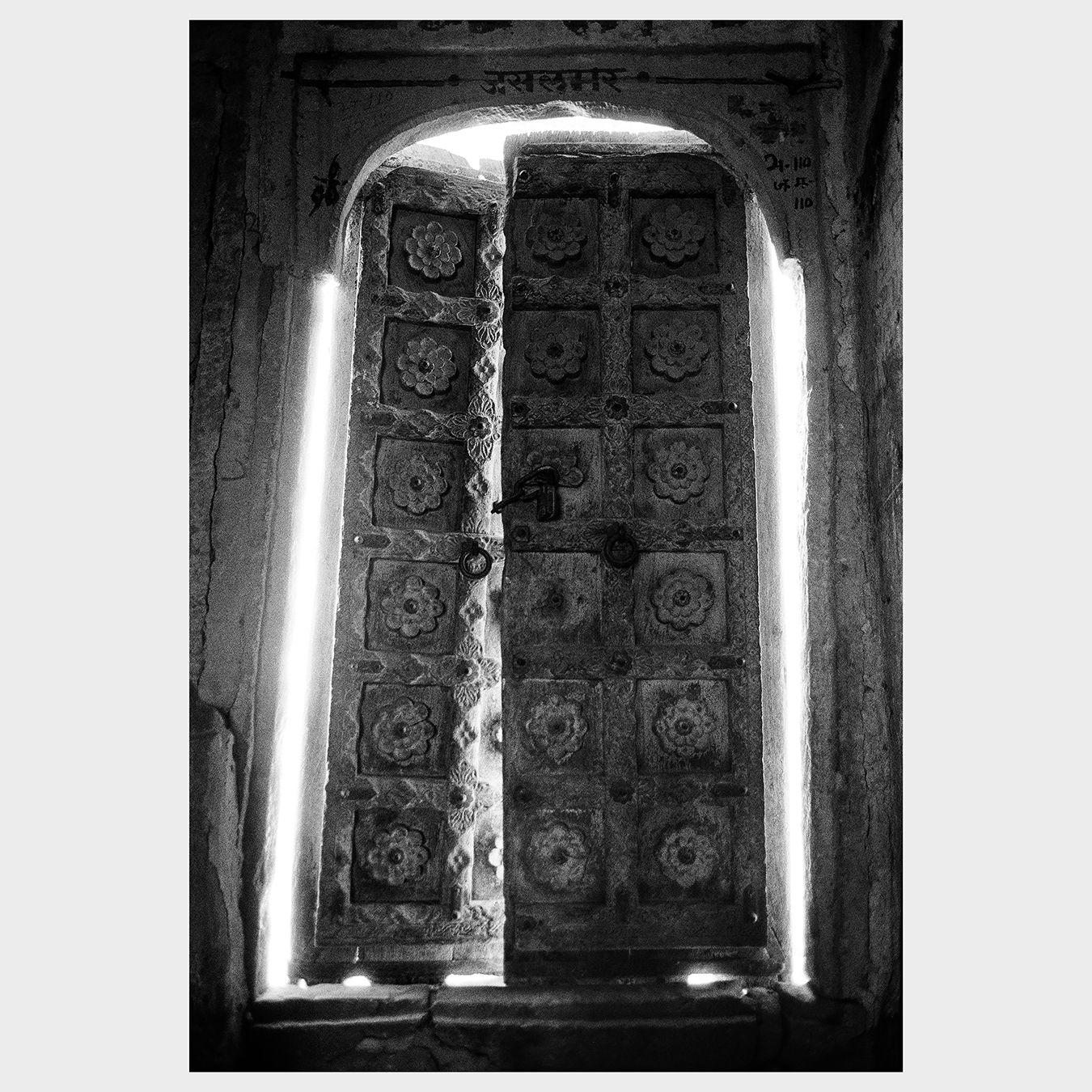
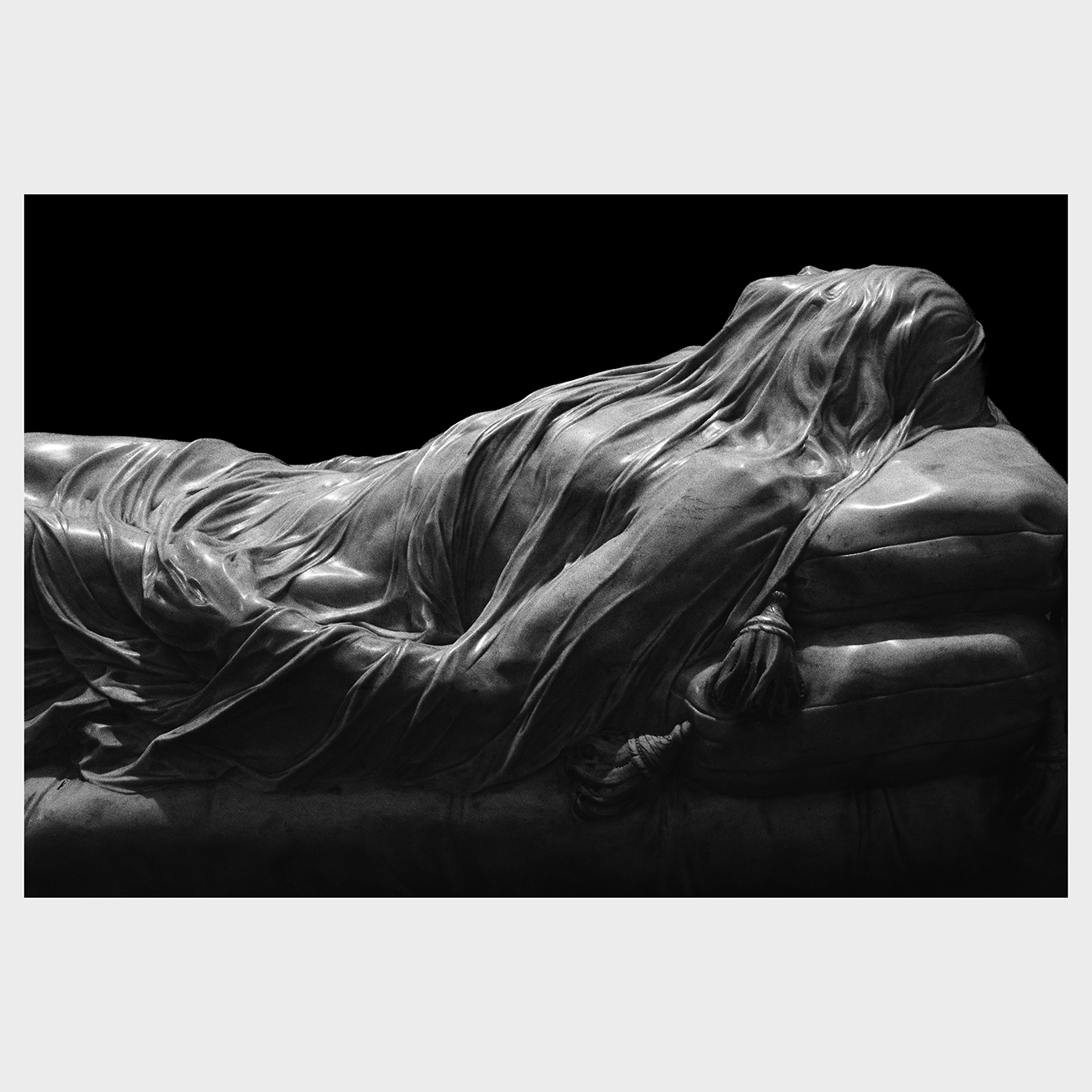
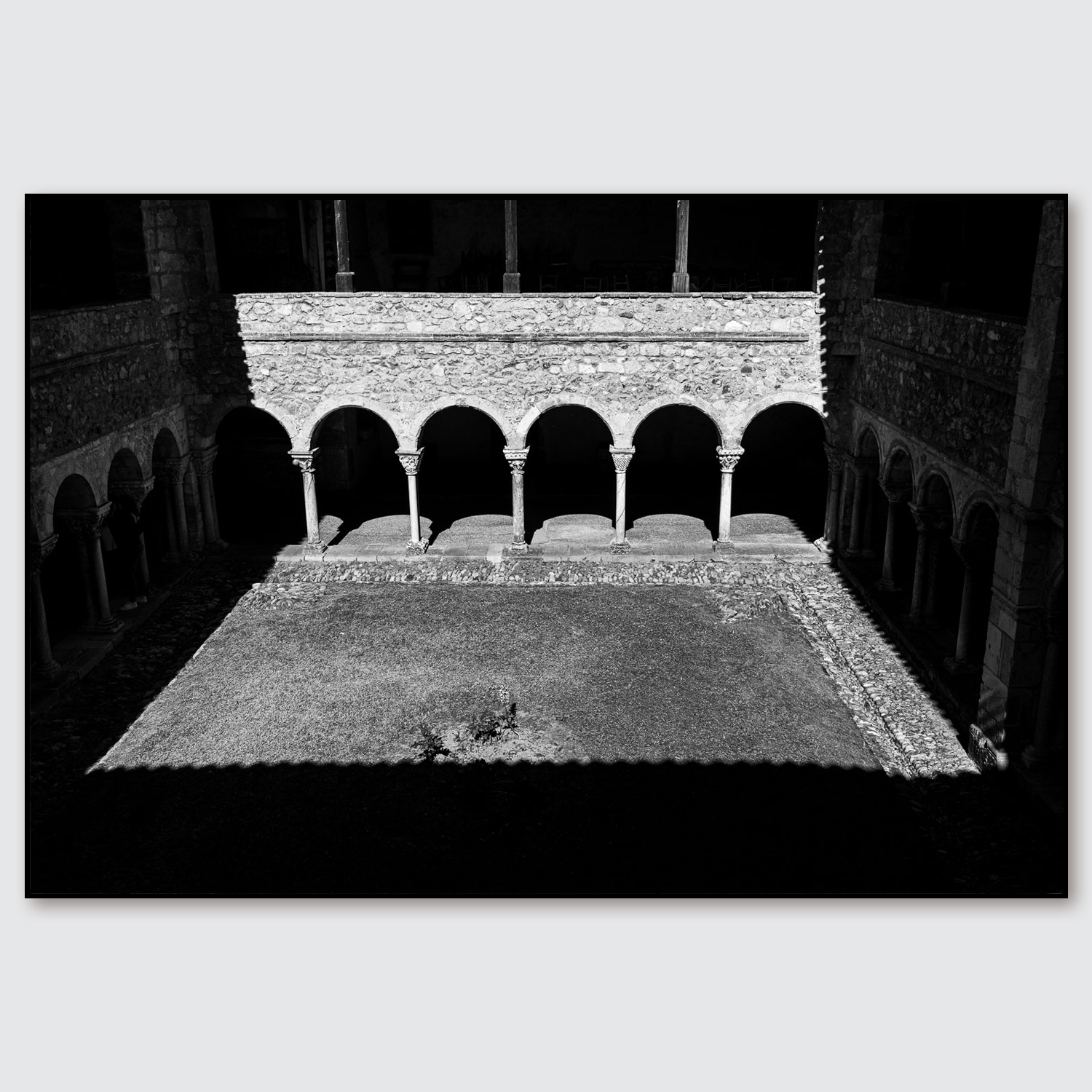
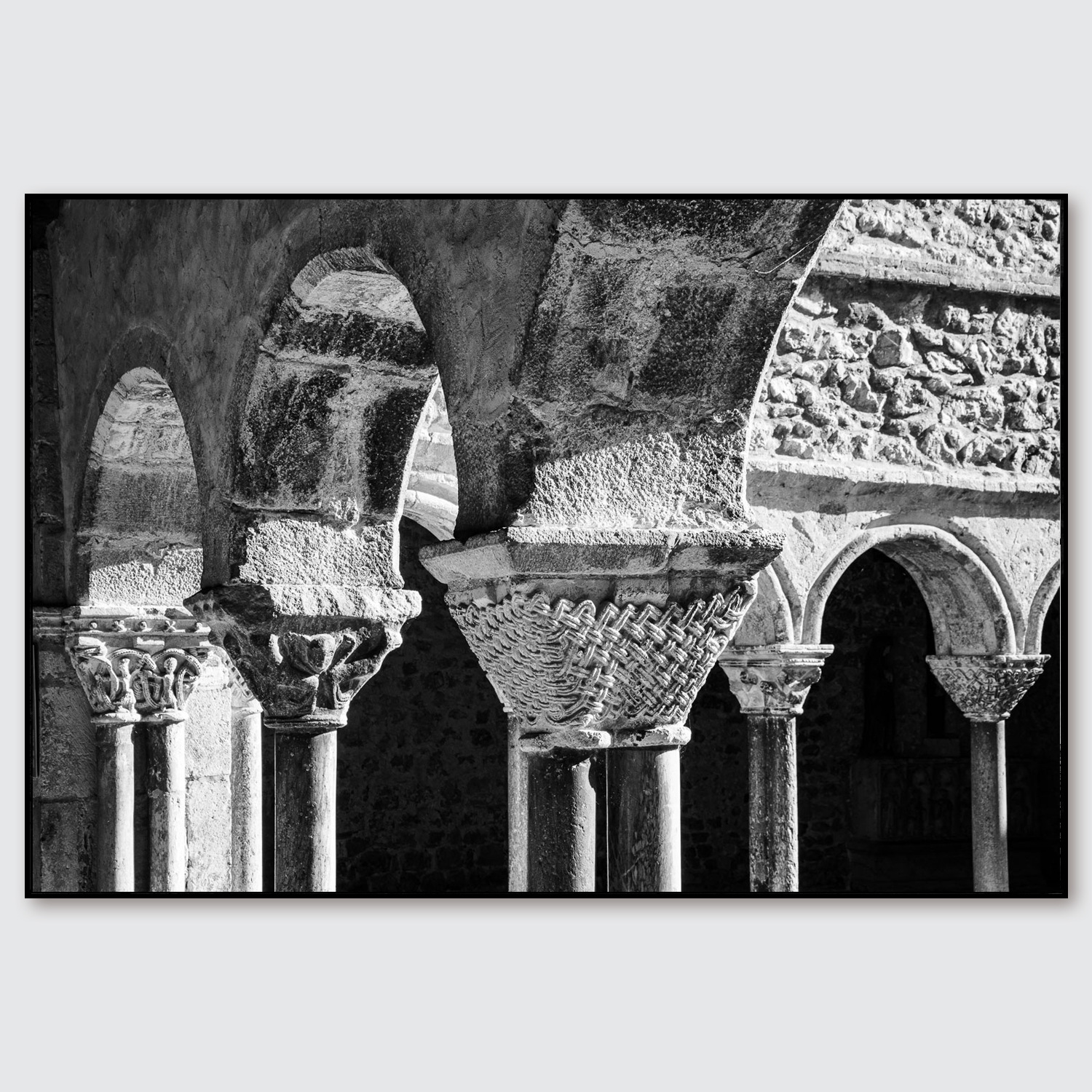
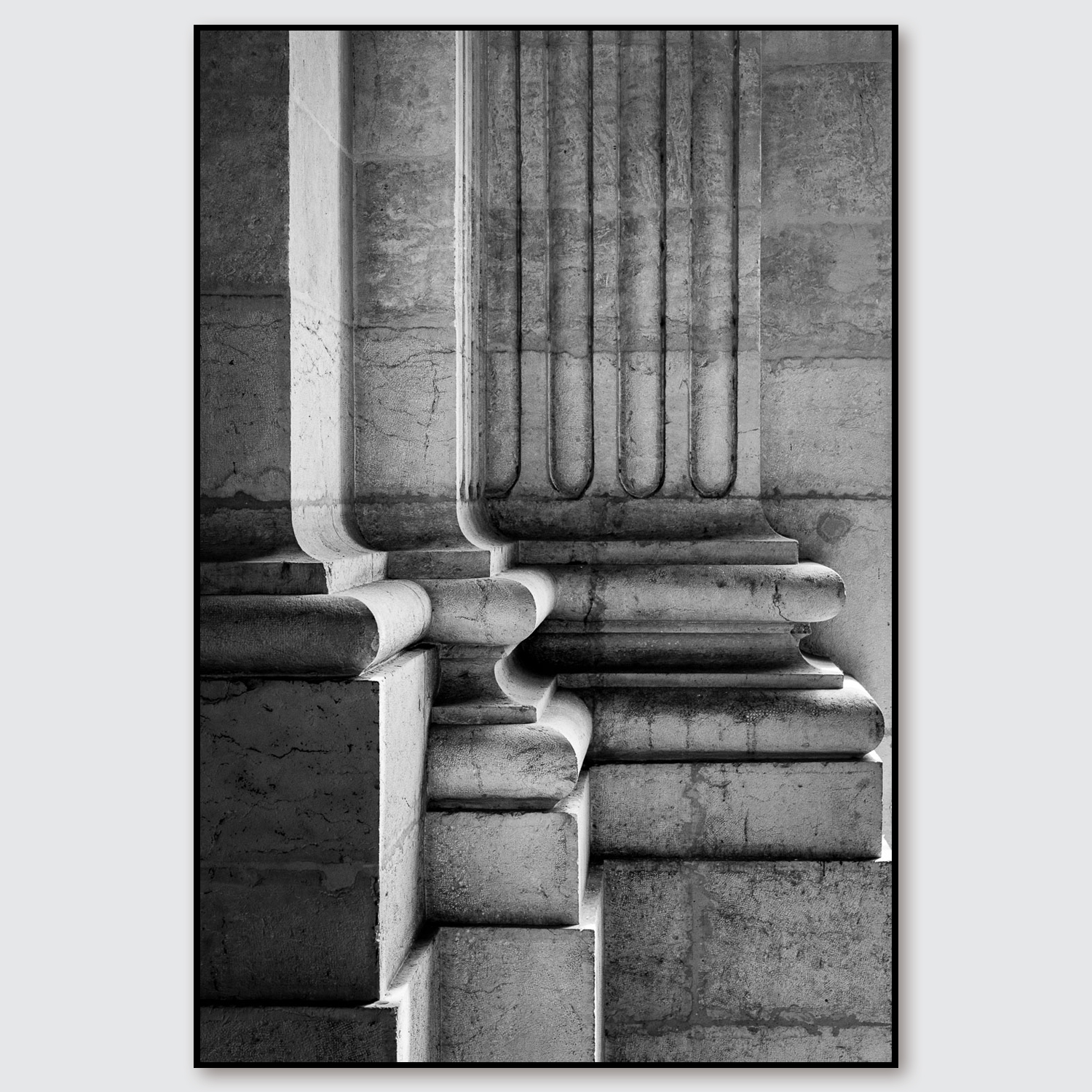
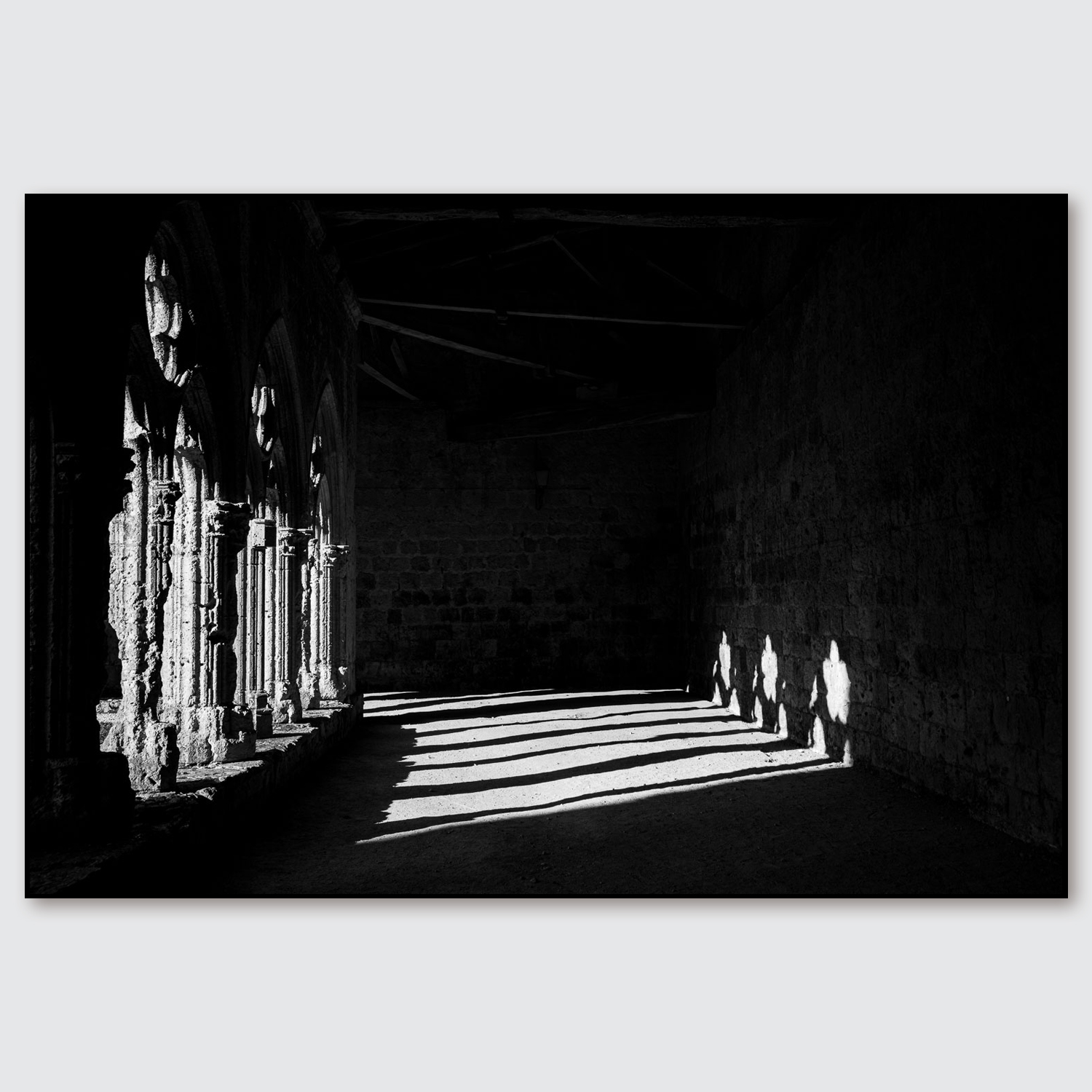
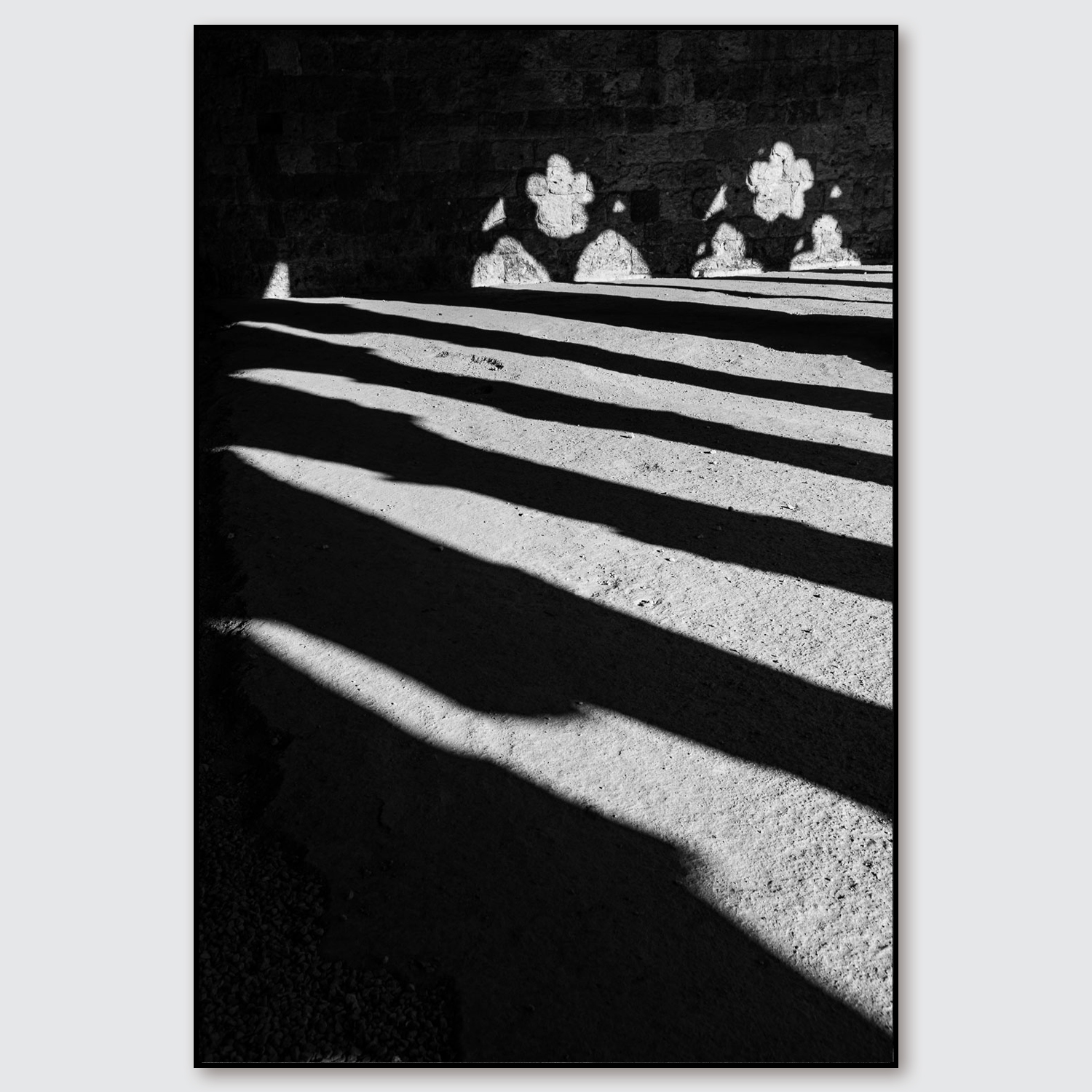
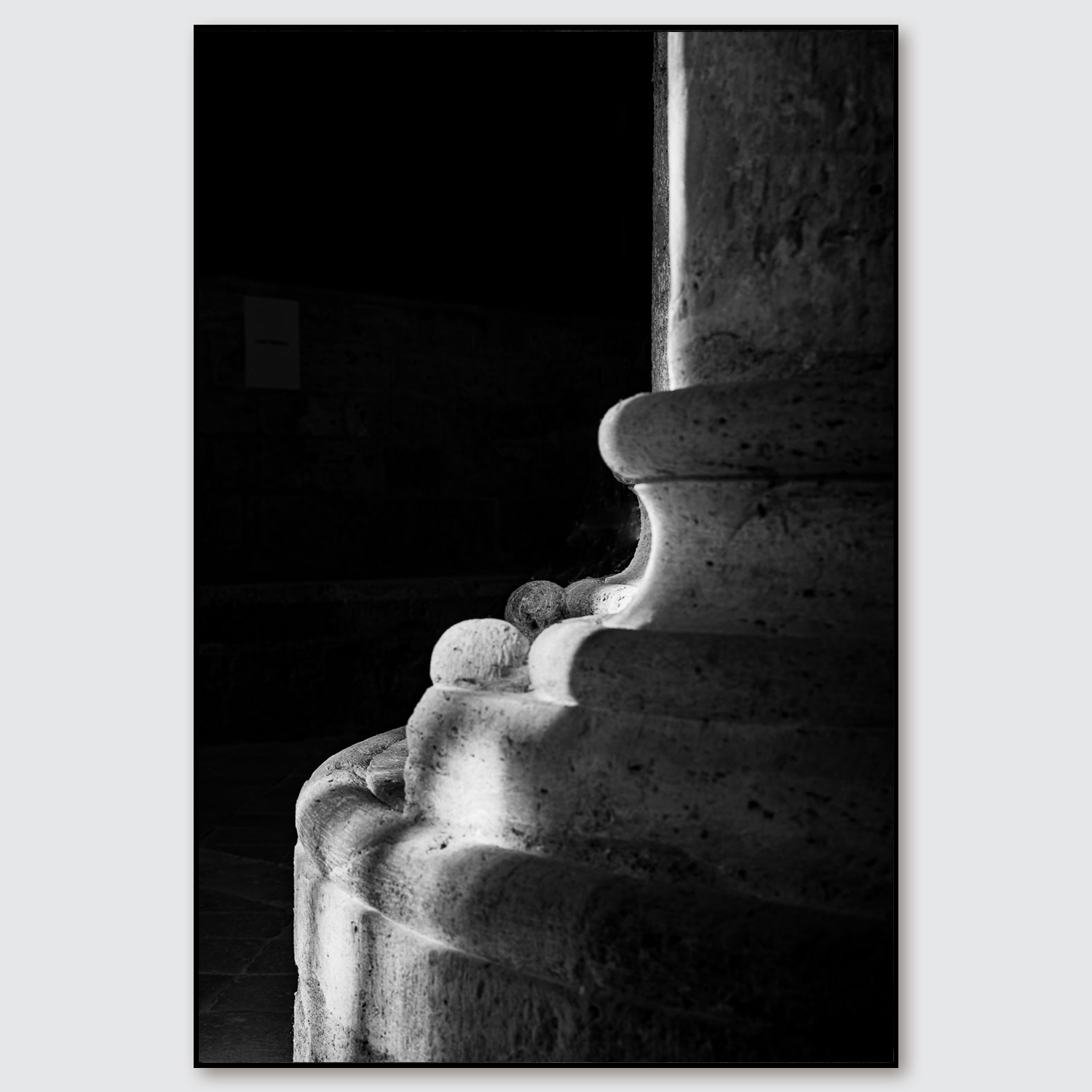
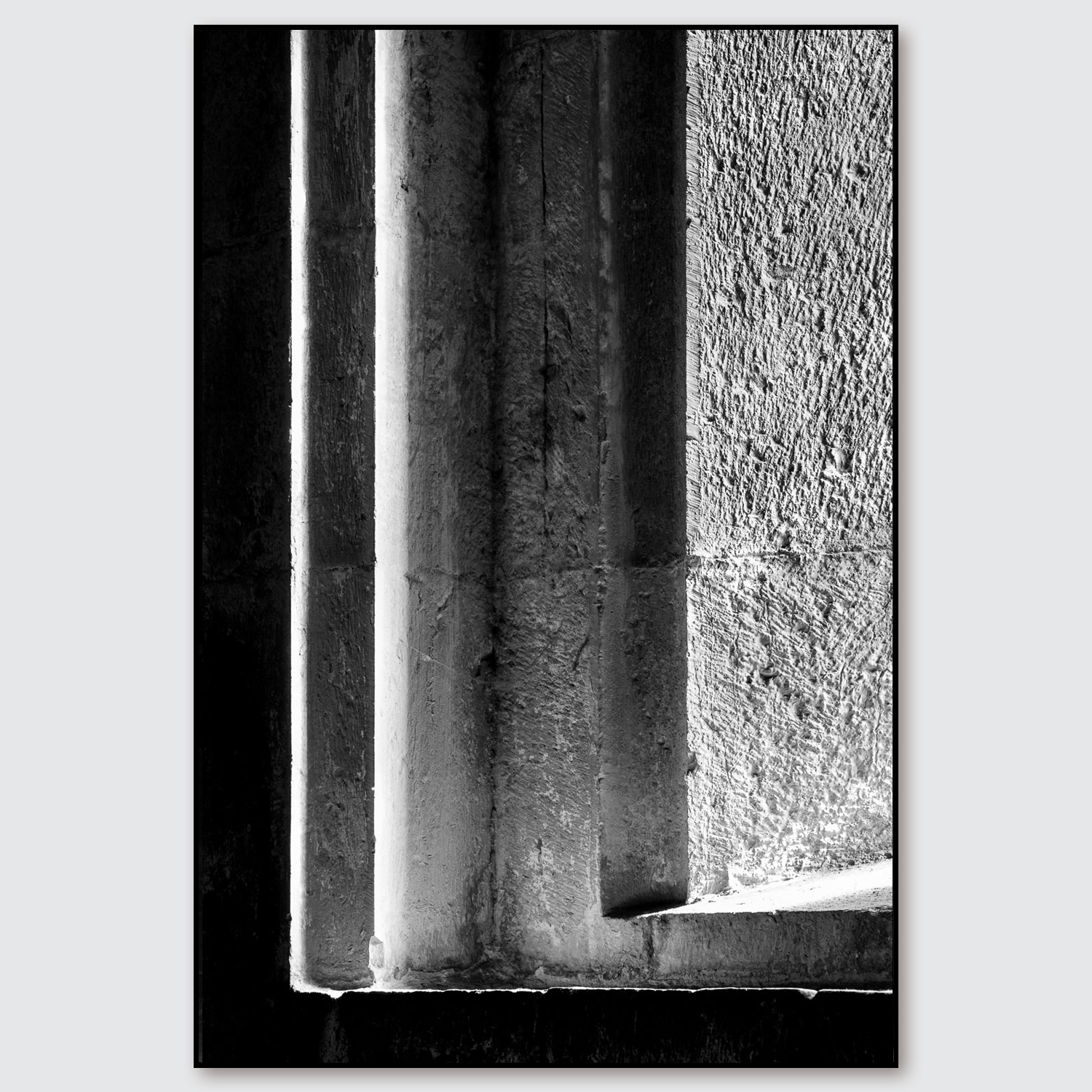
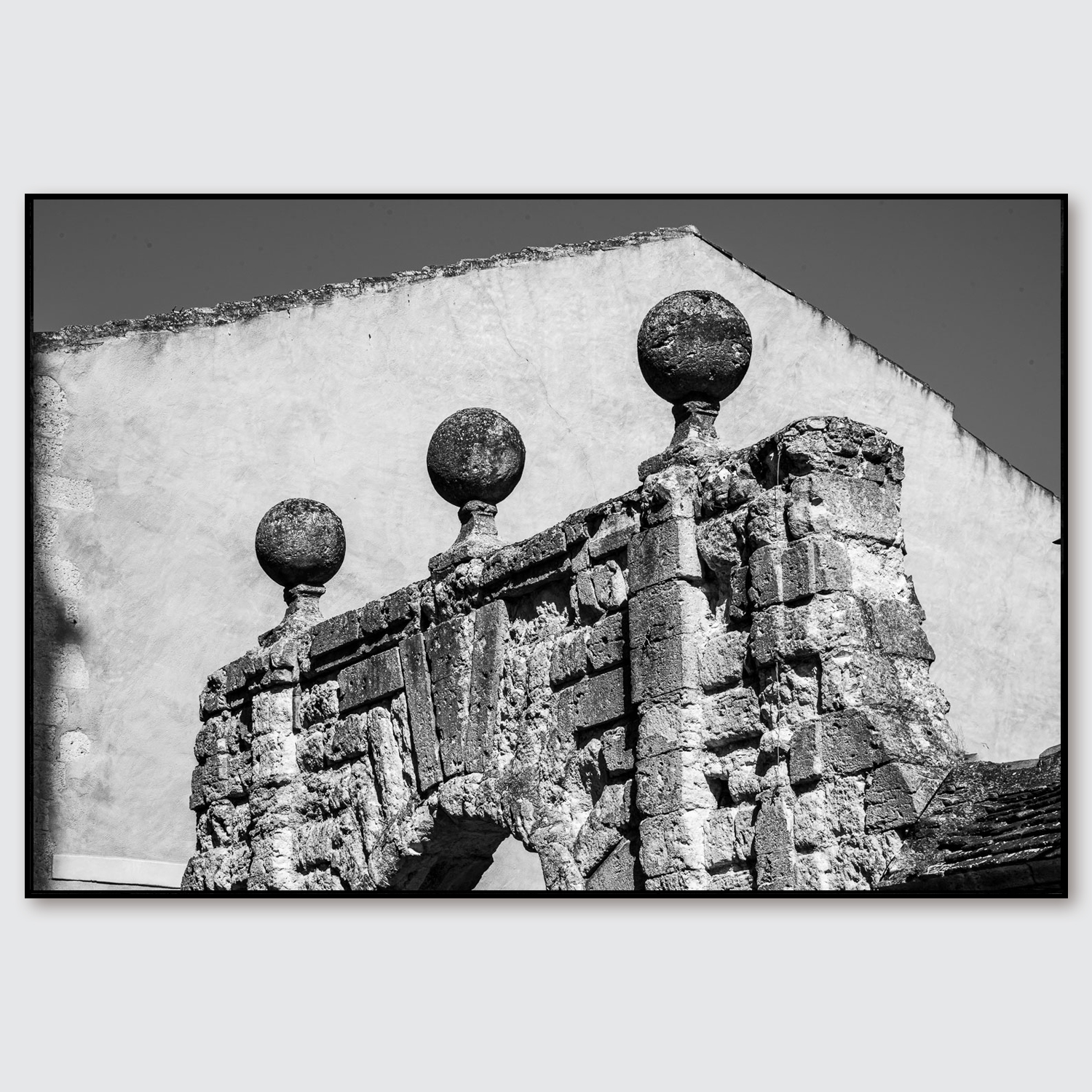
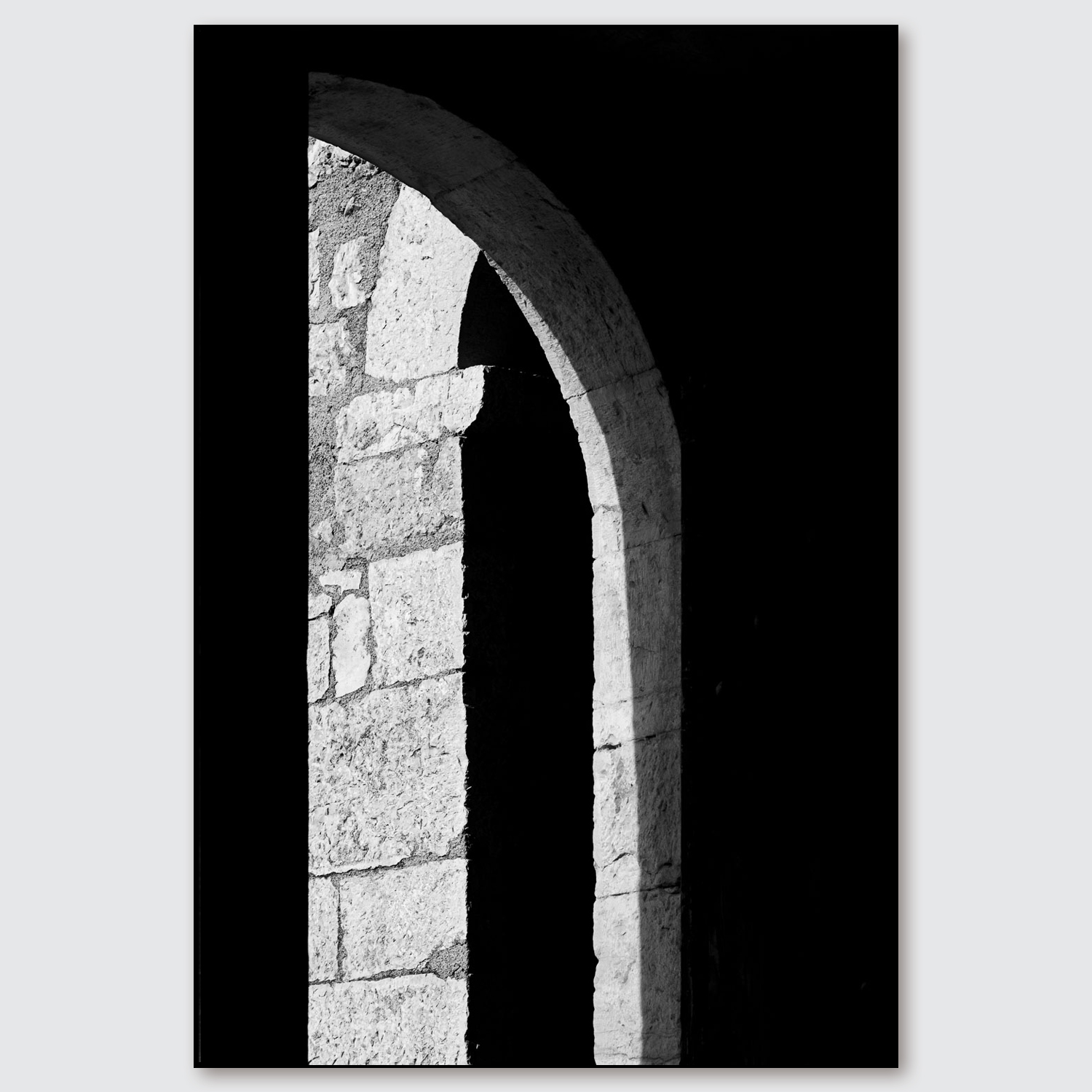
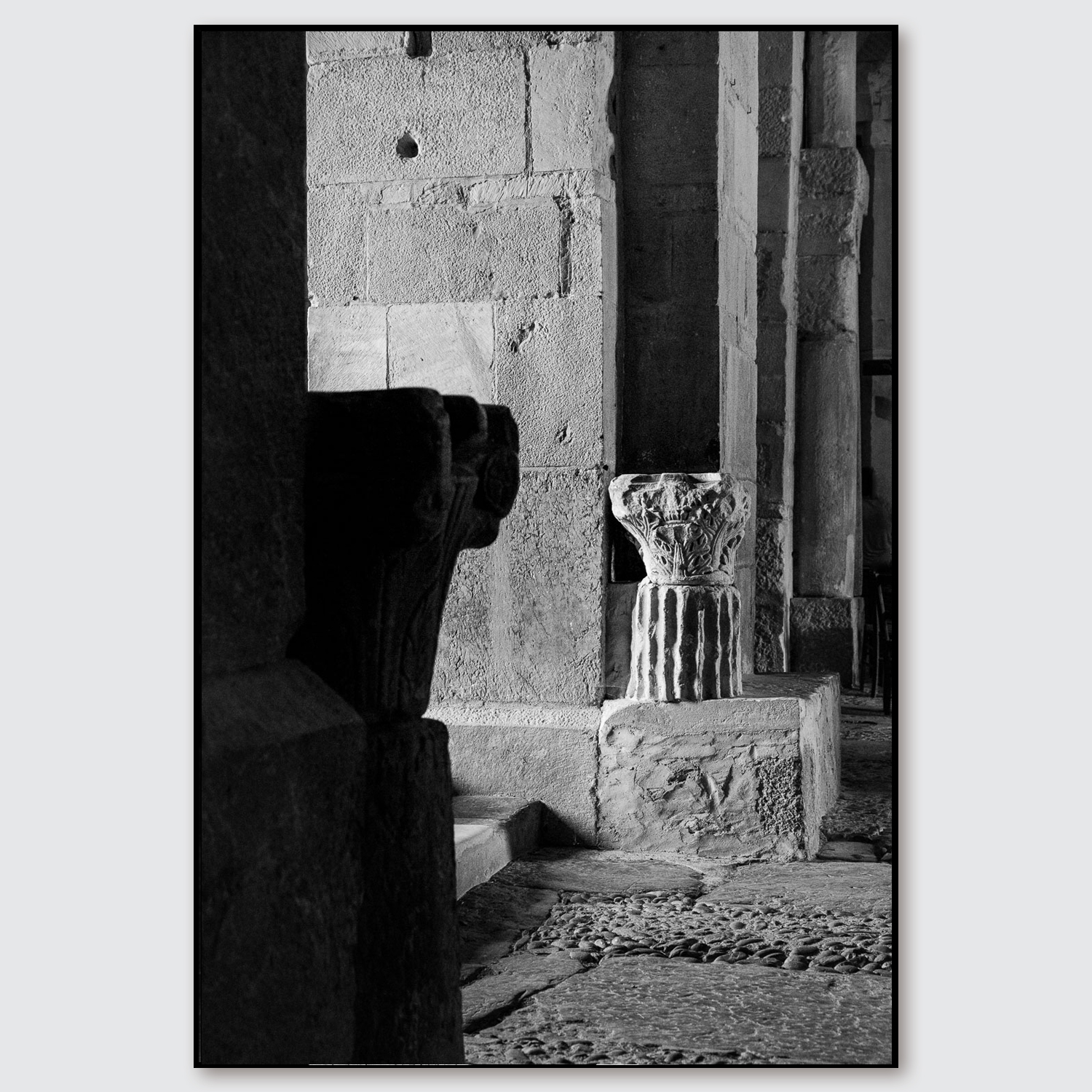
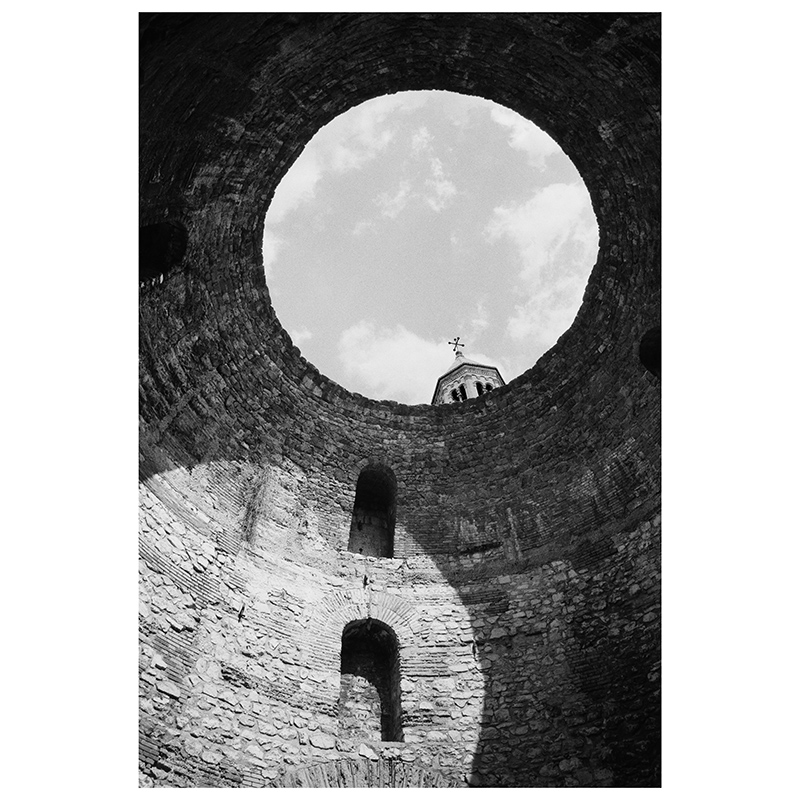
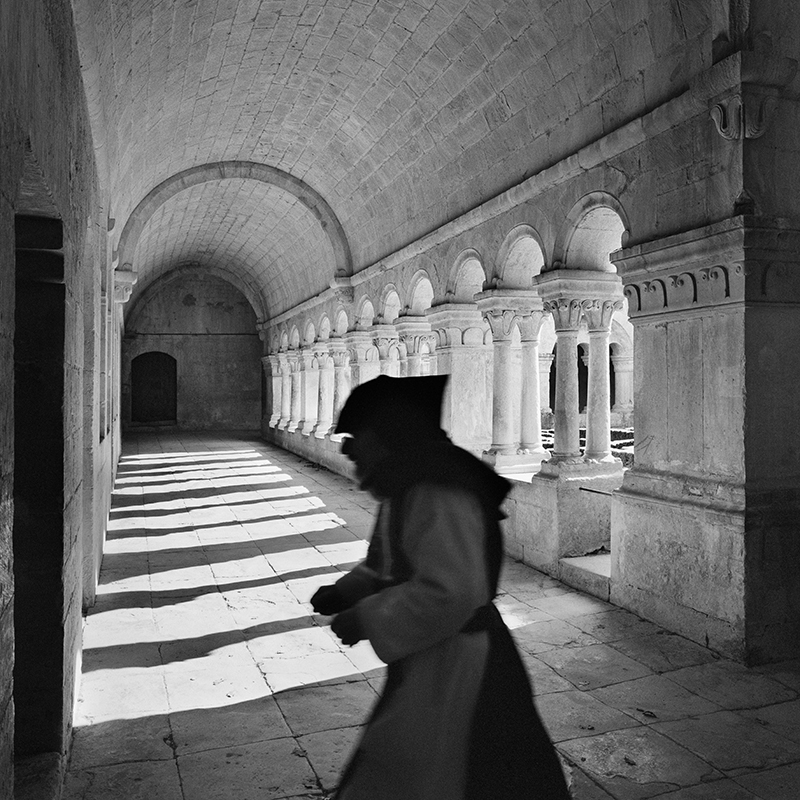
The artist explores the vestiges of the past through the play of shadows and light created by the sun on the ruins. With the soul of an archaeologist, this architect by training combines his photographic work with his passion for antiquity and the Baroque.
Length : 0.39 in / 1 cm
Height : 35.43 in / 90 cm
Width : 23.62 in / 60 cm
Weigth : 2.2 lb / 1 kg
Artist : Ferrante Ferranti
Technique: Digital photography
Support: Pigment print on baryta paper (Canson Fine Art Baritta), laminated on Dibond
Dimensions: 90 x 60 cm
Number of copies: 21 signed and numbered prints
Year: 1987
Inspiration: Black and white photograph of a Phoenician deity captured by Ferrante Ferranti. The work depicted is the Ephebe — a marble statue from the fifth century BC, discovered on the island of Mozia during the excavations carried out between the sanctuary of Cappiddazzu and the fortifications of the city. This figure, with its arched posture and almost sensual attitude, is distinguished by its unusual hold in classical Greek sculpture, which opens up multiple interpretations and gives the work a plastic and narrative singularity.
Ferranti approaches this sculpture with the sensitivity of an architect and the eye of an archaeologist: using only light and shadow as instruments, he reveals the lines, volumes and tonal transitions of the marble. The composition highlights the dialogue between the sculpted form and the natural light, highlighting the inner tension of the figure. Through this play of contrasts, photography does not content itself with reproducing the surface of marble — it restores its living, almost vibrant presence as a vestige of a past that has become a visual experience.
Ferrante Ferranti
FRANCE
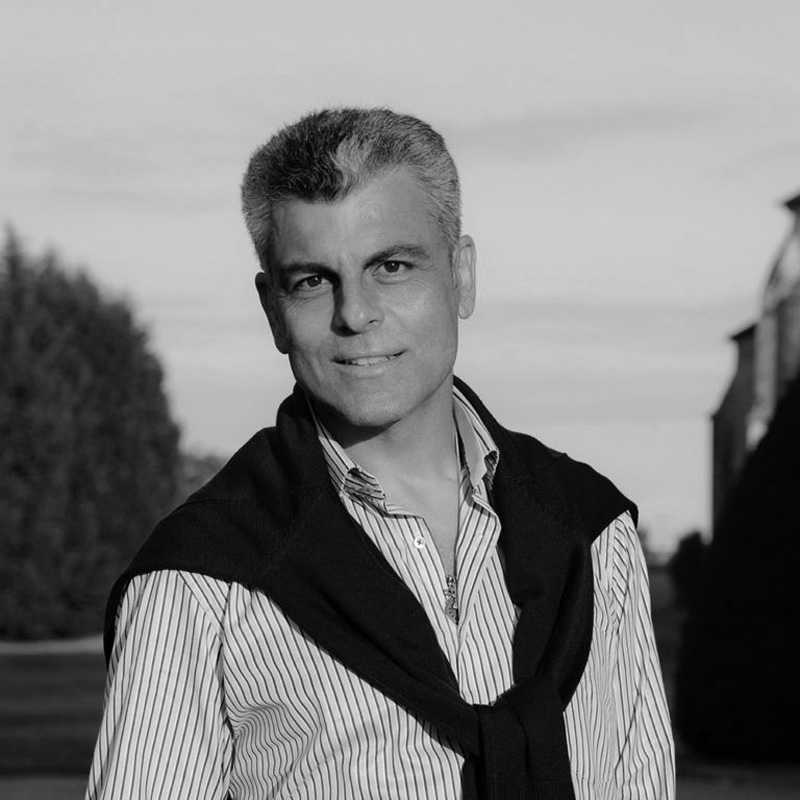
Born January 13, 1960 in Algeria, of a Sardinian mother and a Sicilian father. He took his first photograph at the age of eighteen, a wave in Belle-Île-en-Mer. Passionate about Fernand Pouillon’s book, Les Pierres Sauvages, he began training as an architect in Toulouse, which he completed at Paris-UP6 in 1985 with a diploma in Theaters and scenography in the Baroque era. Traveling photographer, he has been involved for thirty years with Dominique Fernandez in a joint exploration of the Baroque and the different layers of civilizations, from Syria to Bolivia via Sicily and Saint Petersburg. His photographs dialogue with the texts of the writer, who defines him in the album Itinerrances (Actes Sud, 2013) as “the inventor of a language which links the sun to the ruins, in search of the meaning hidden in the forms” .
Collection

Customizable
Customizable
Customizable
Customizable
Customizable
Customizable
Customizable
Customizable
Customizable
Customizable
Customizable
Customizable

Customizable
Customizable
Customizable
Customizable
Customizable
Customizable
Customizable
Customizable
Customizable
Customizable
Customizable
Customizable
Customizable
Customizable
Customizable
Customizable
Customizable
Customizable
Customizable
Customizable