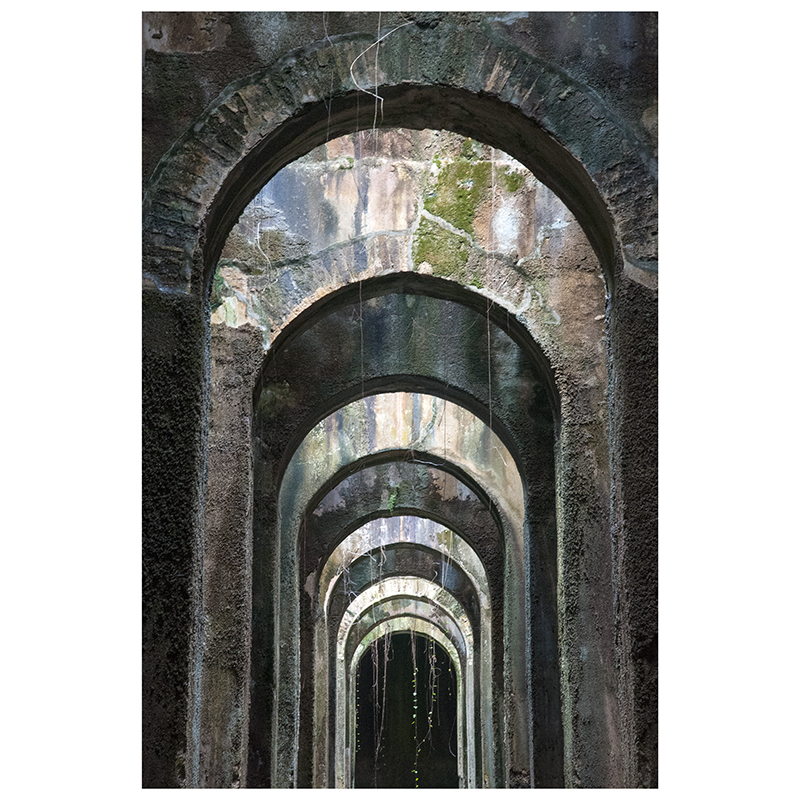
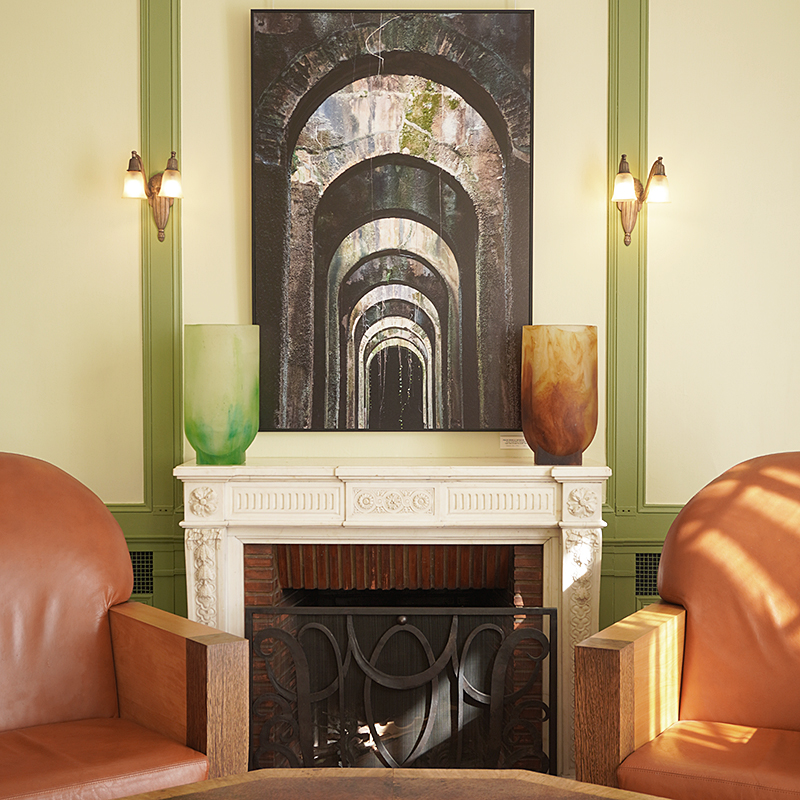
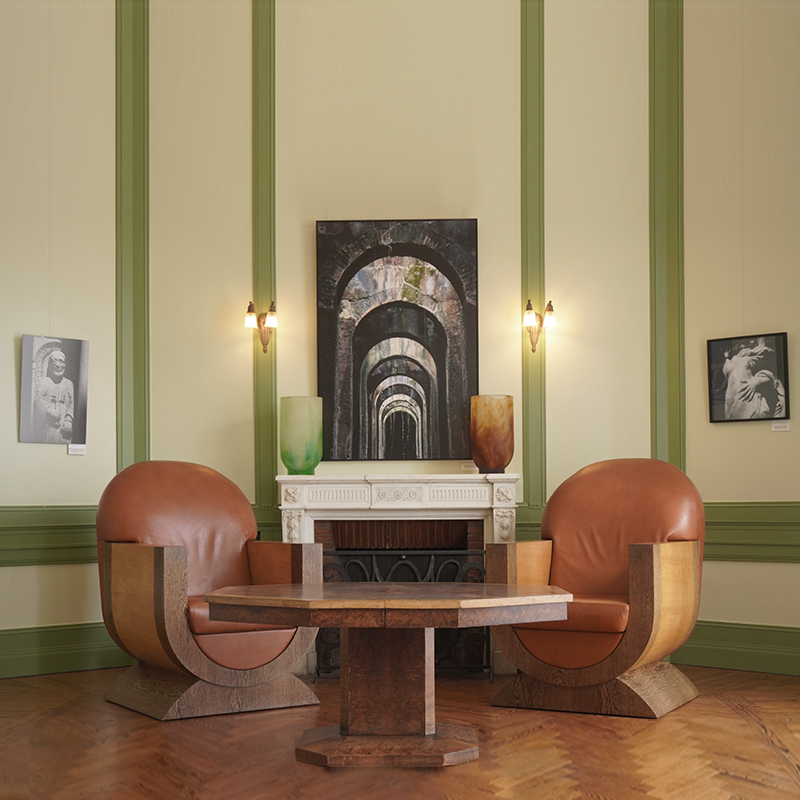
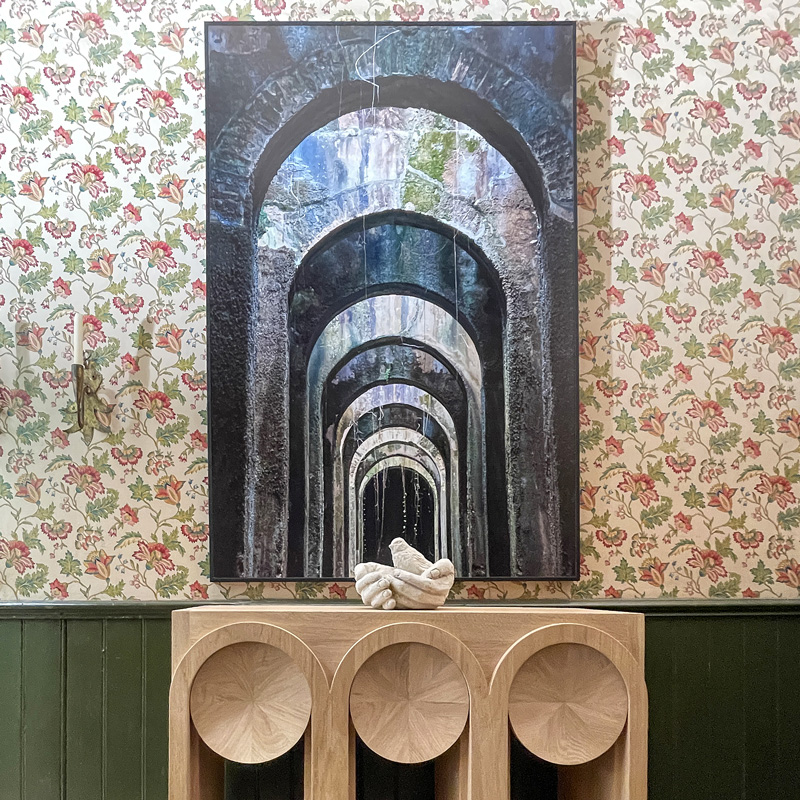
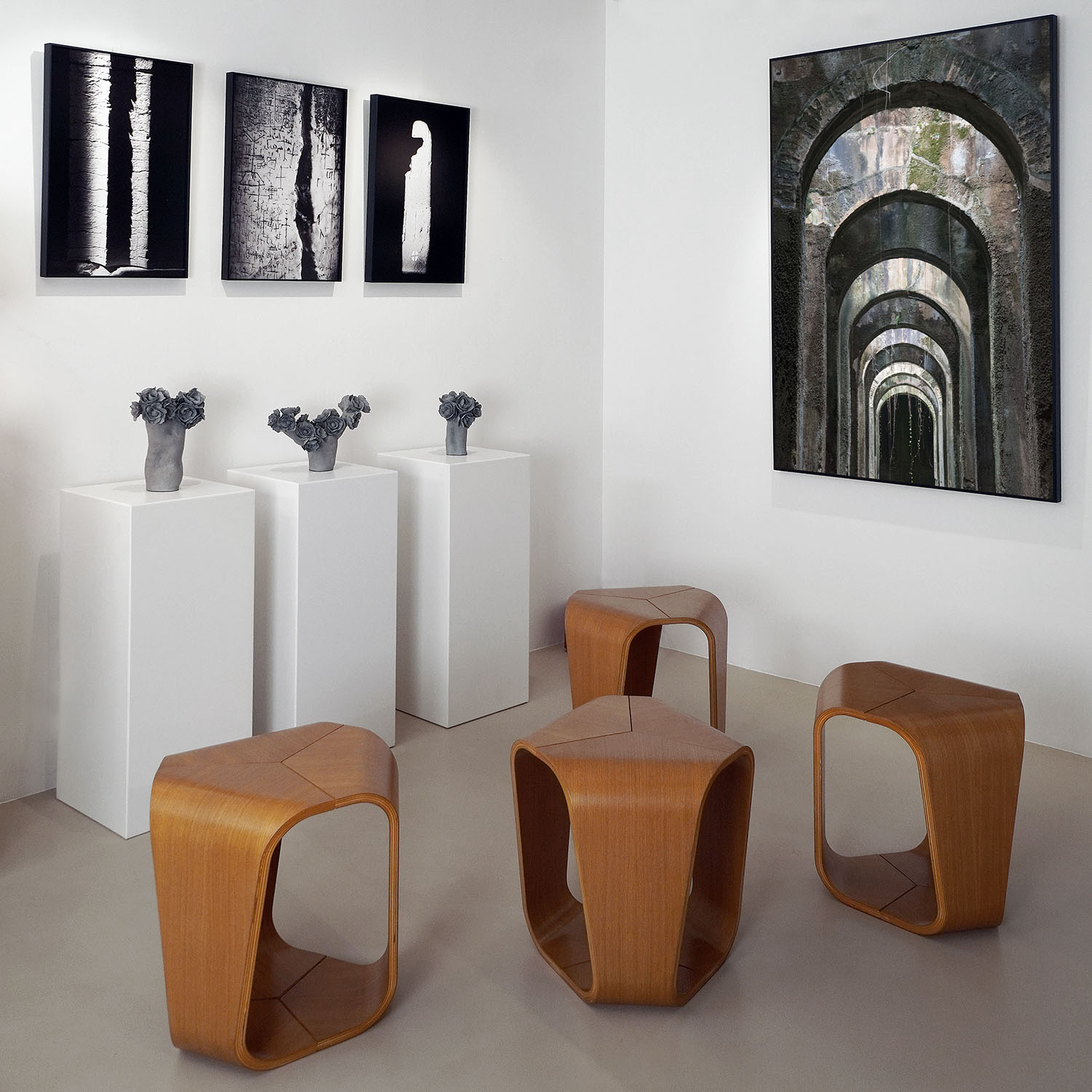
PISCINA MIRABILIS, CAPE MISENE, ITALY (2010)
Référence :
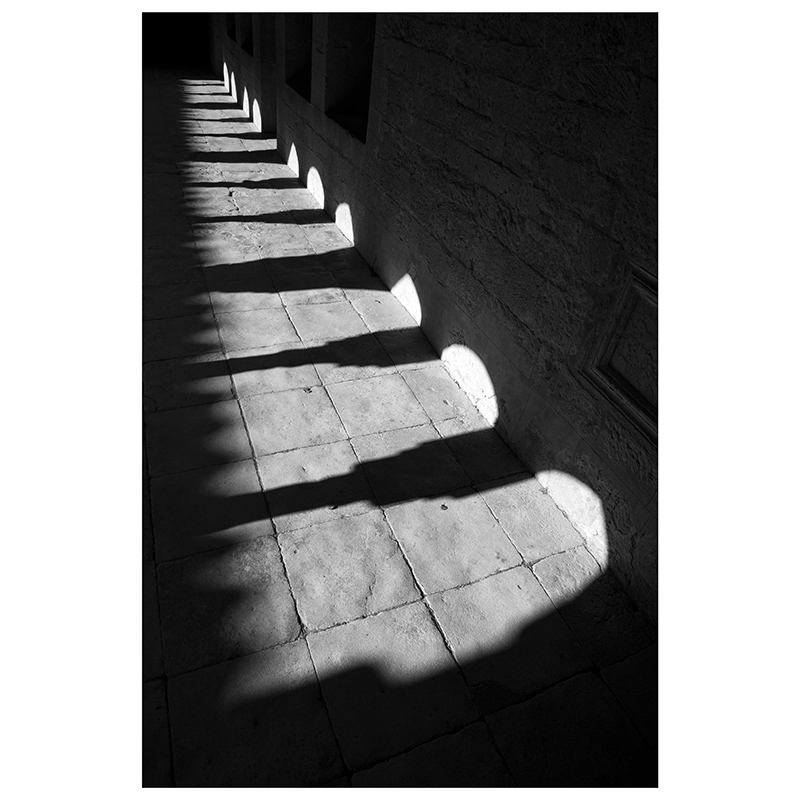
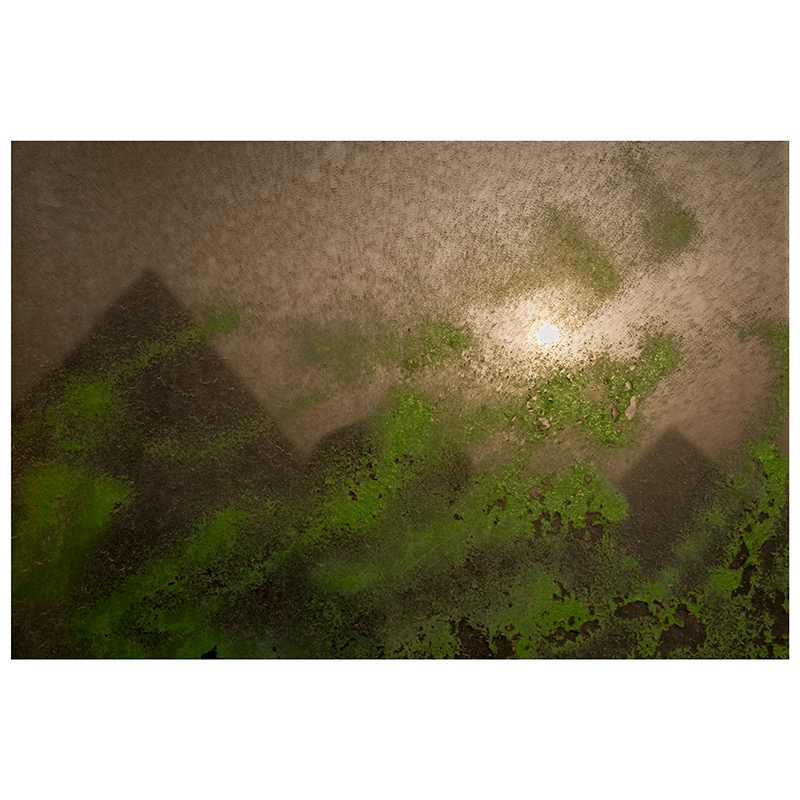
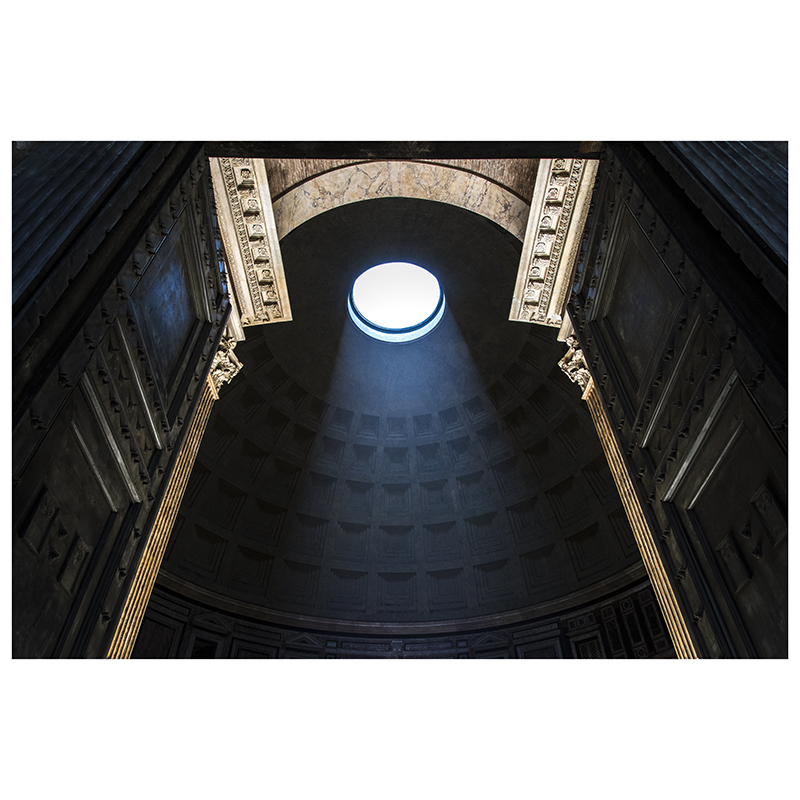
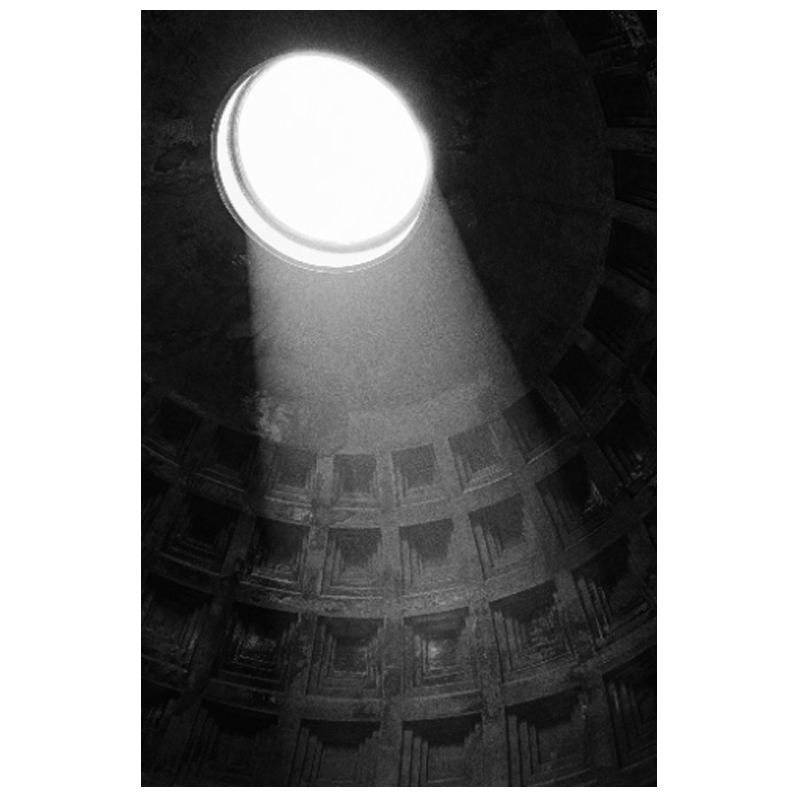
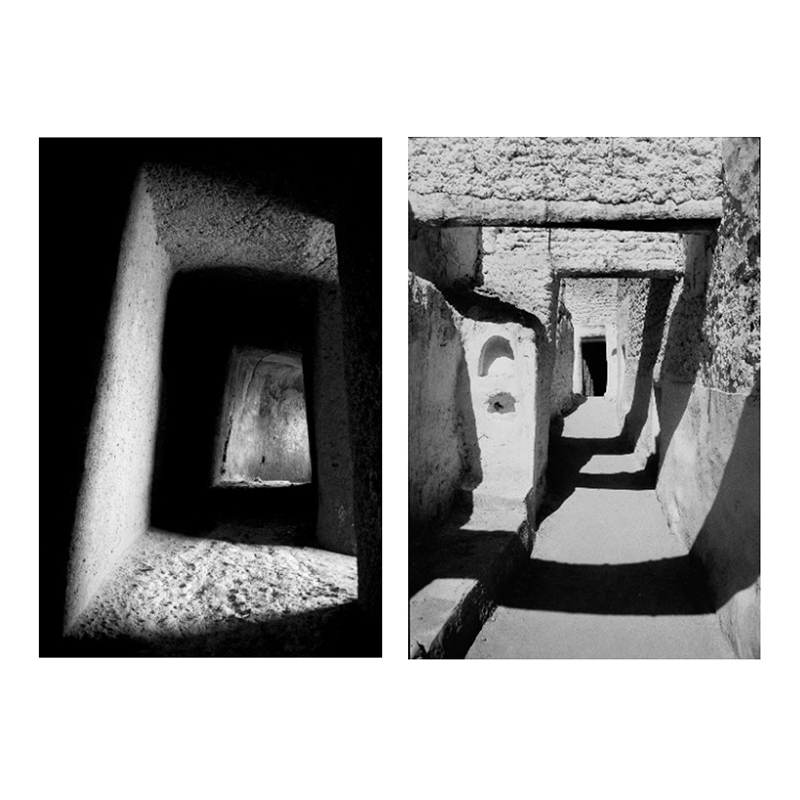
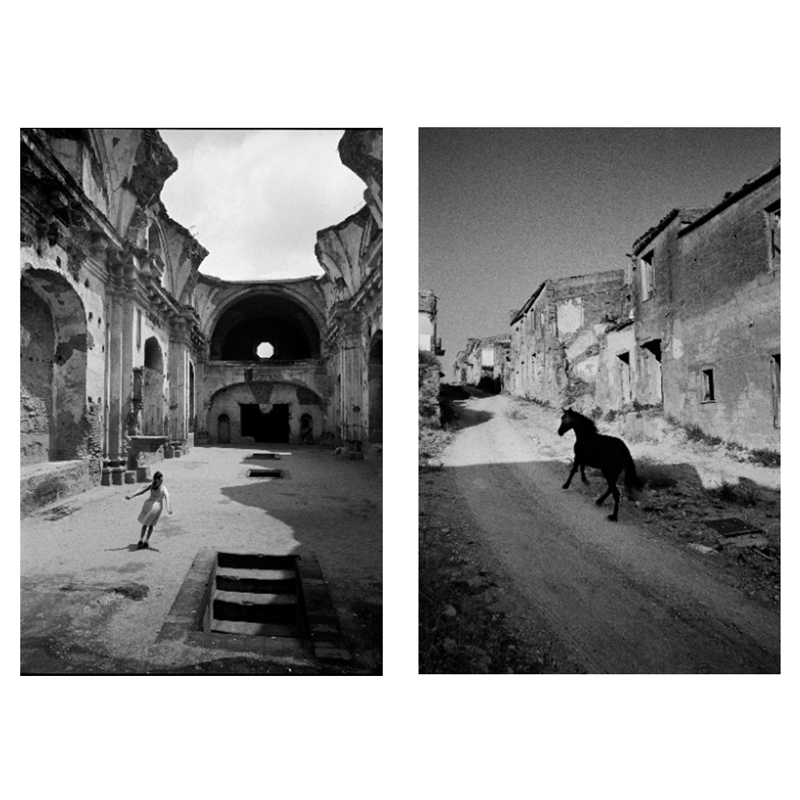
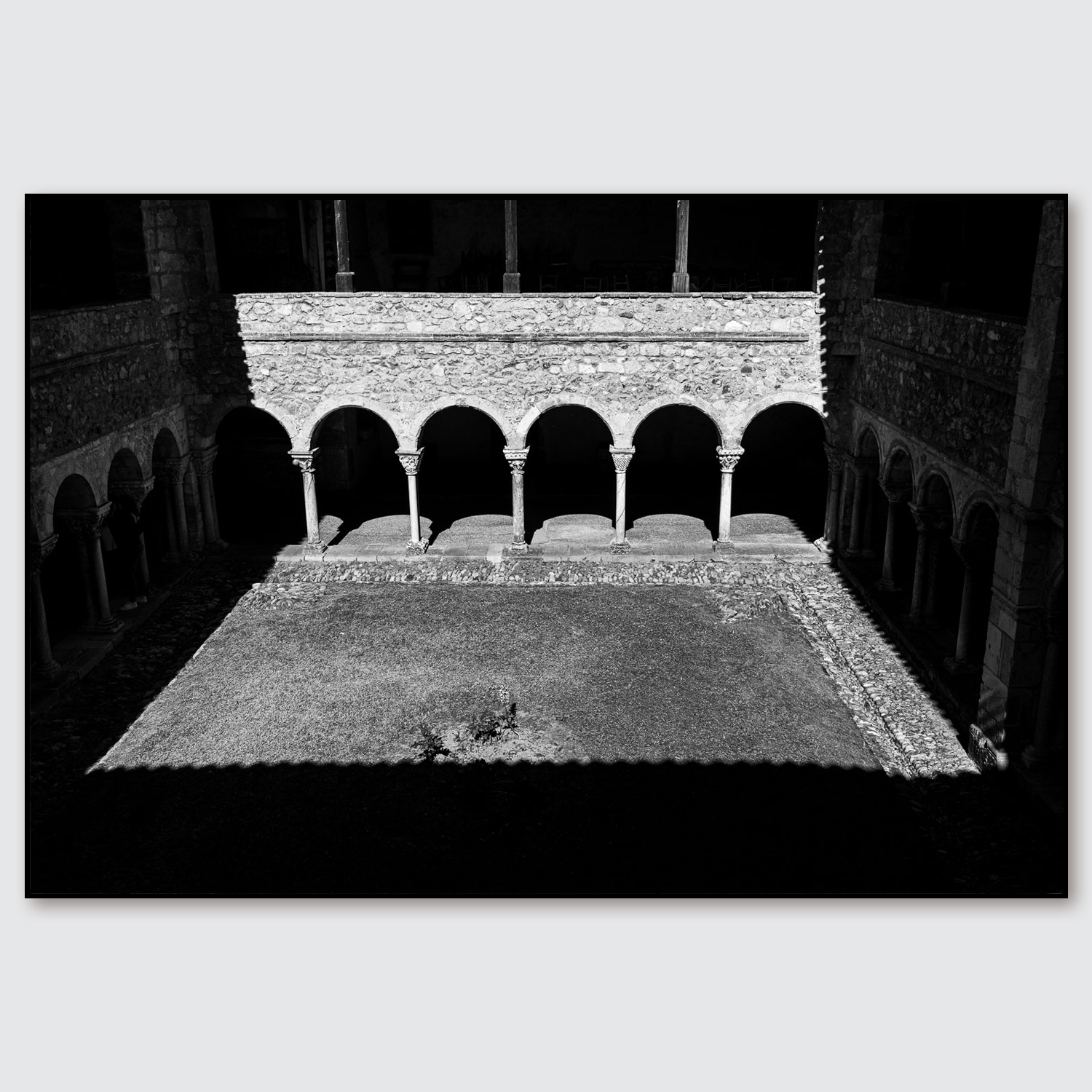
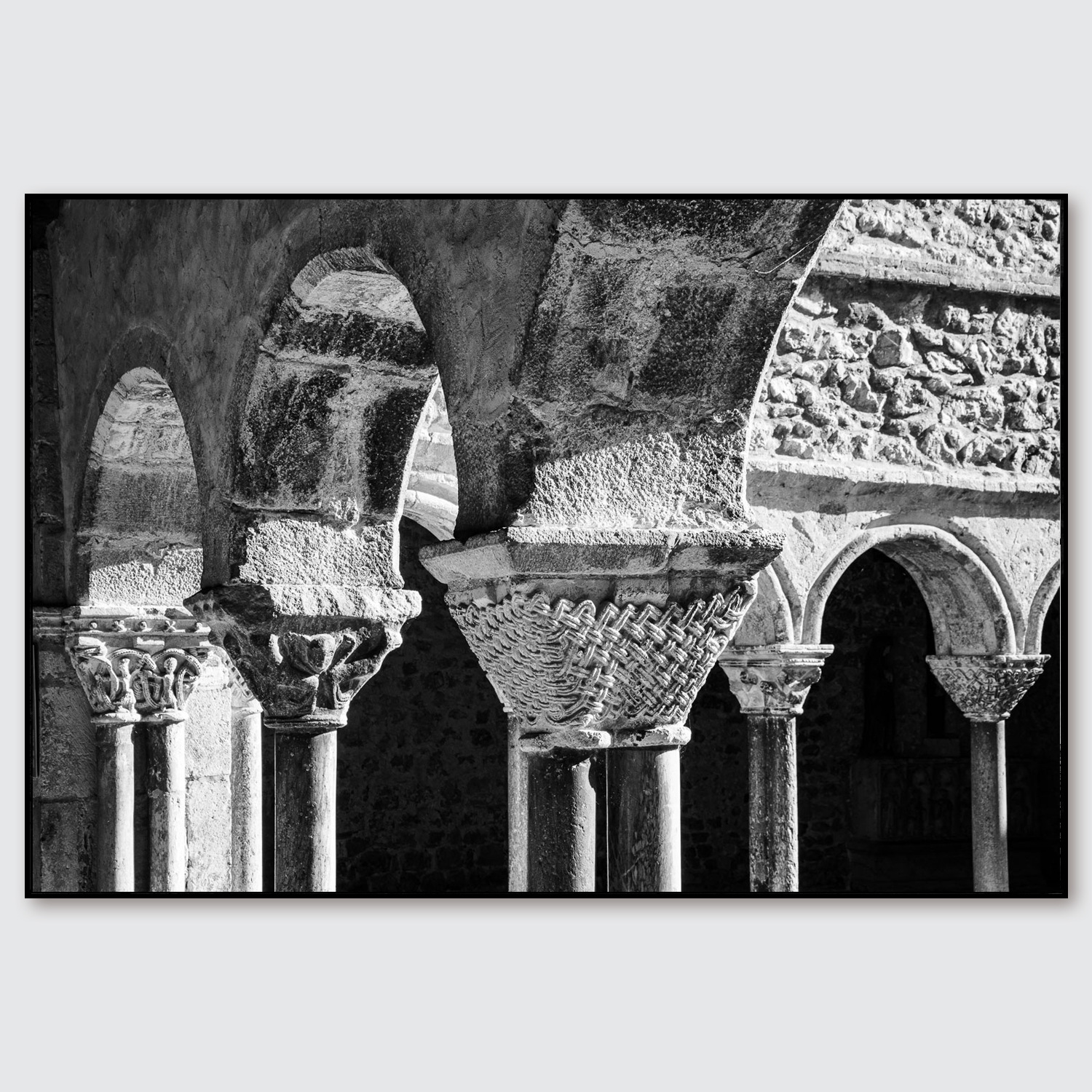
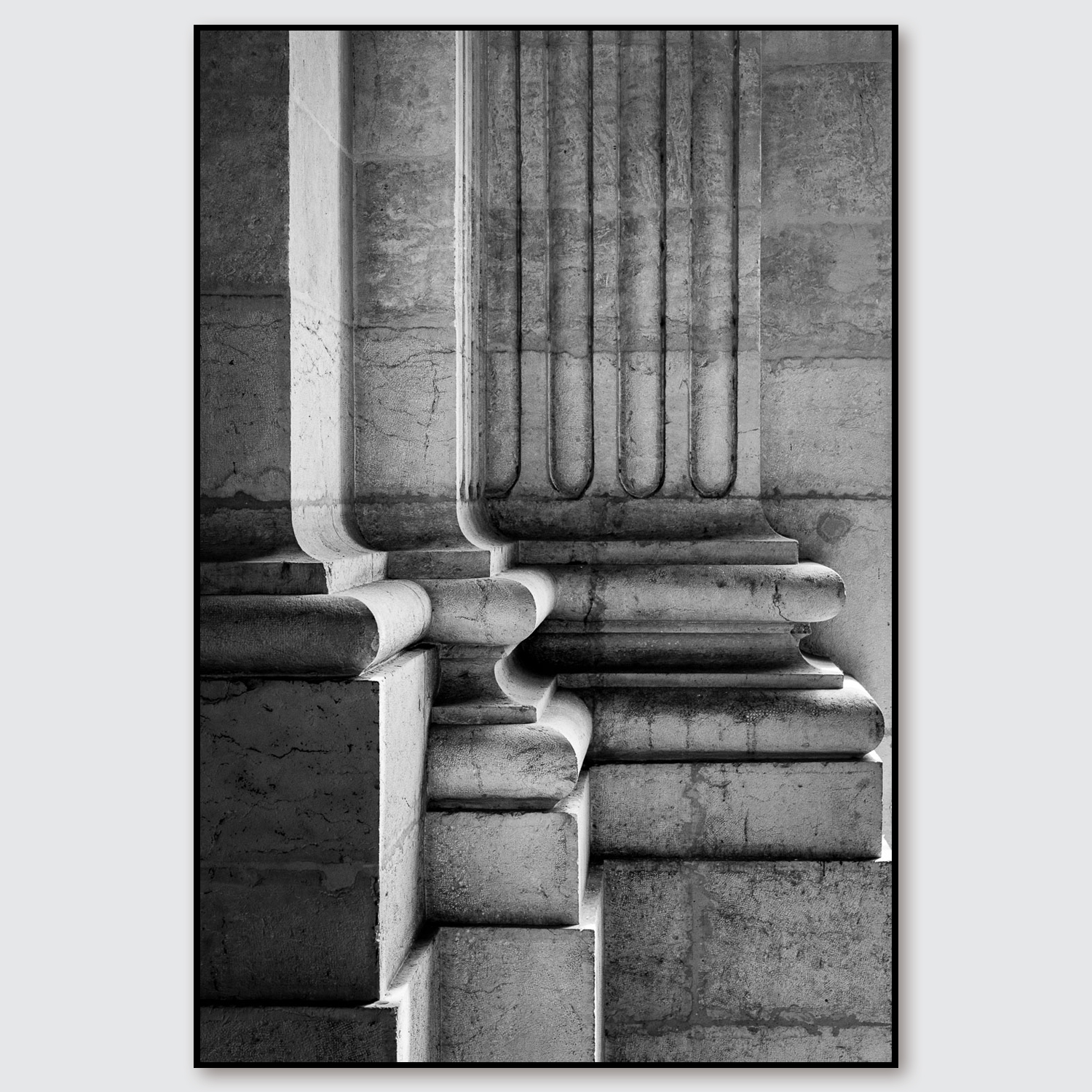
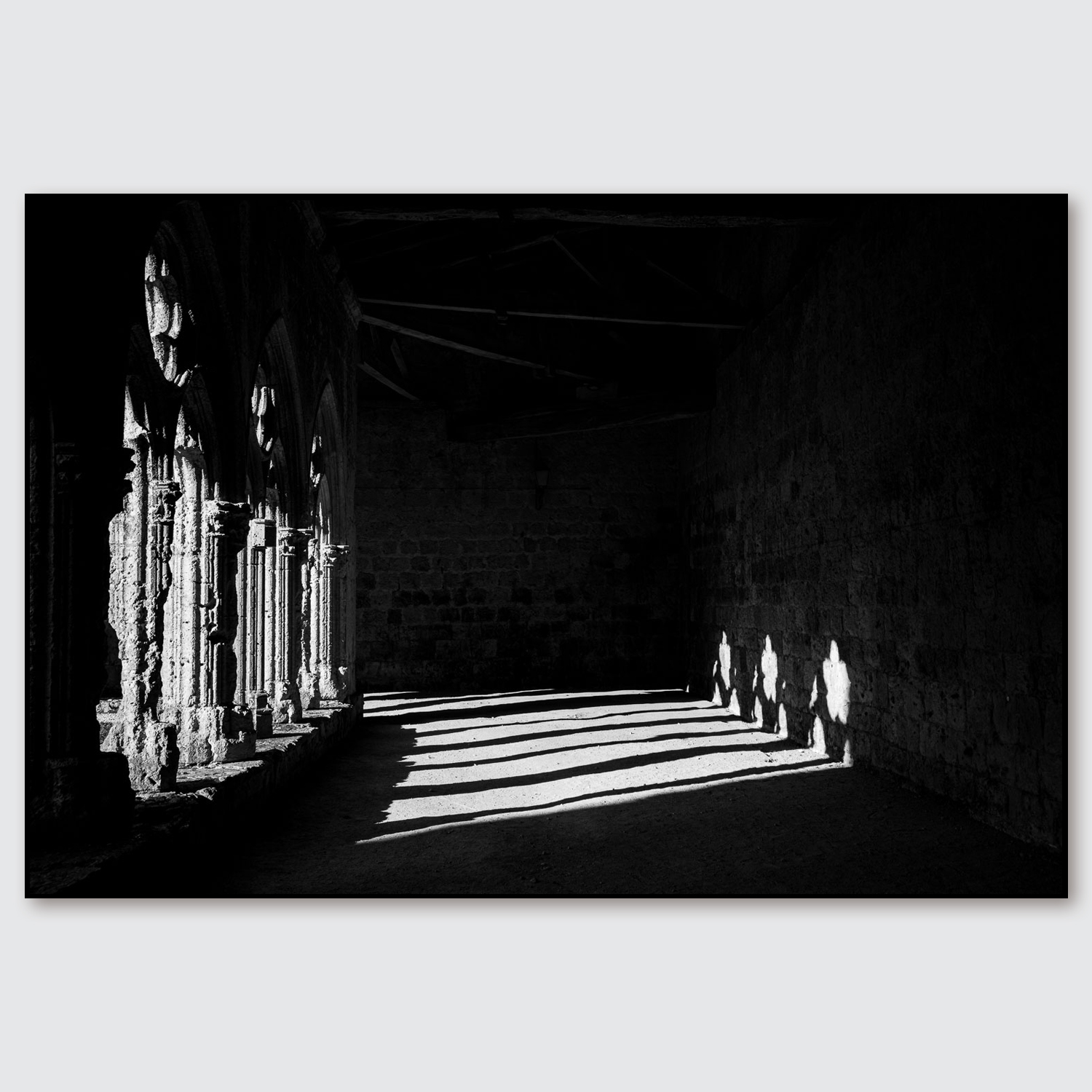
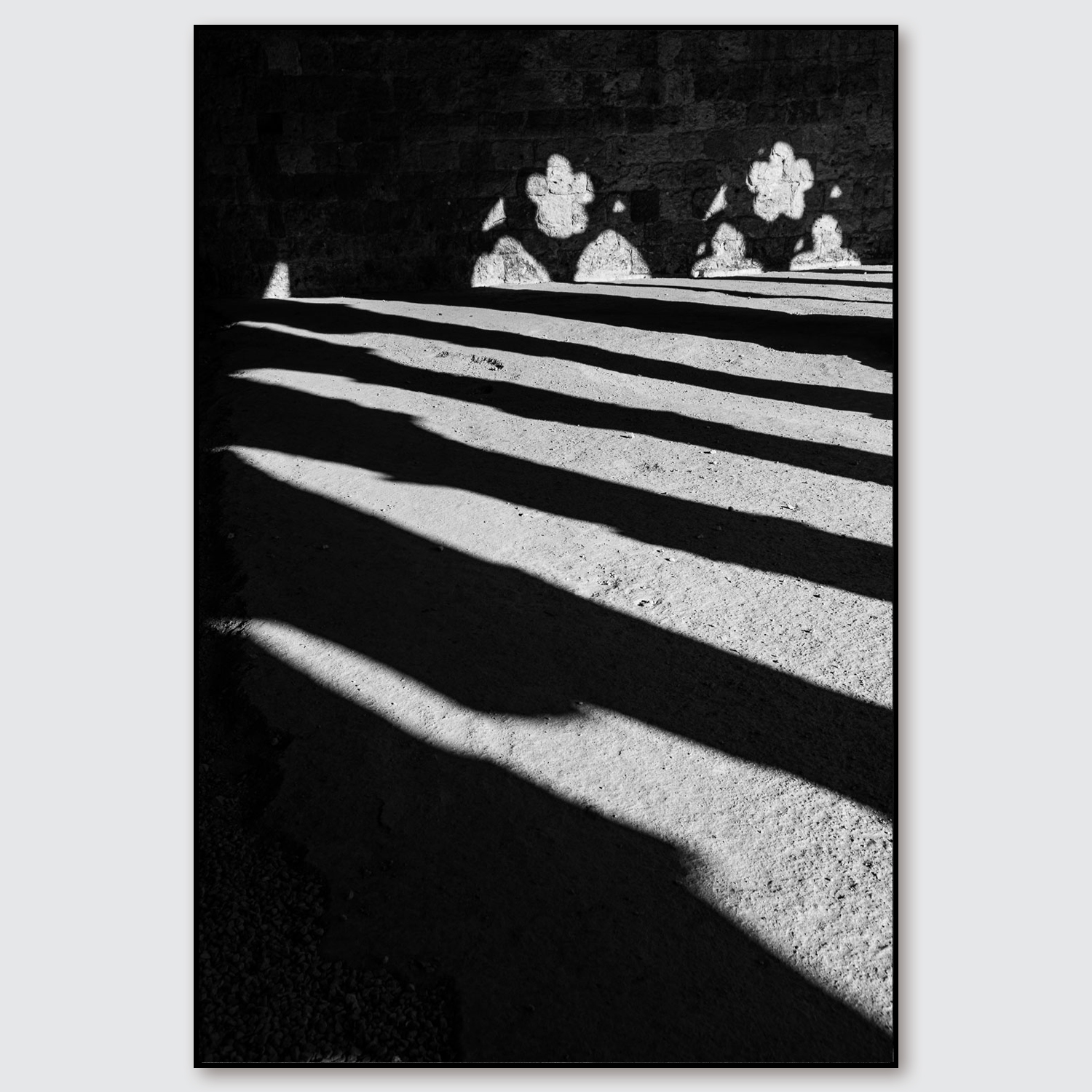
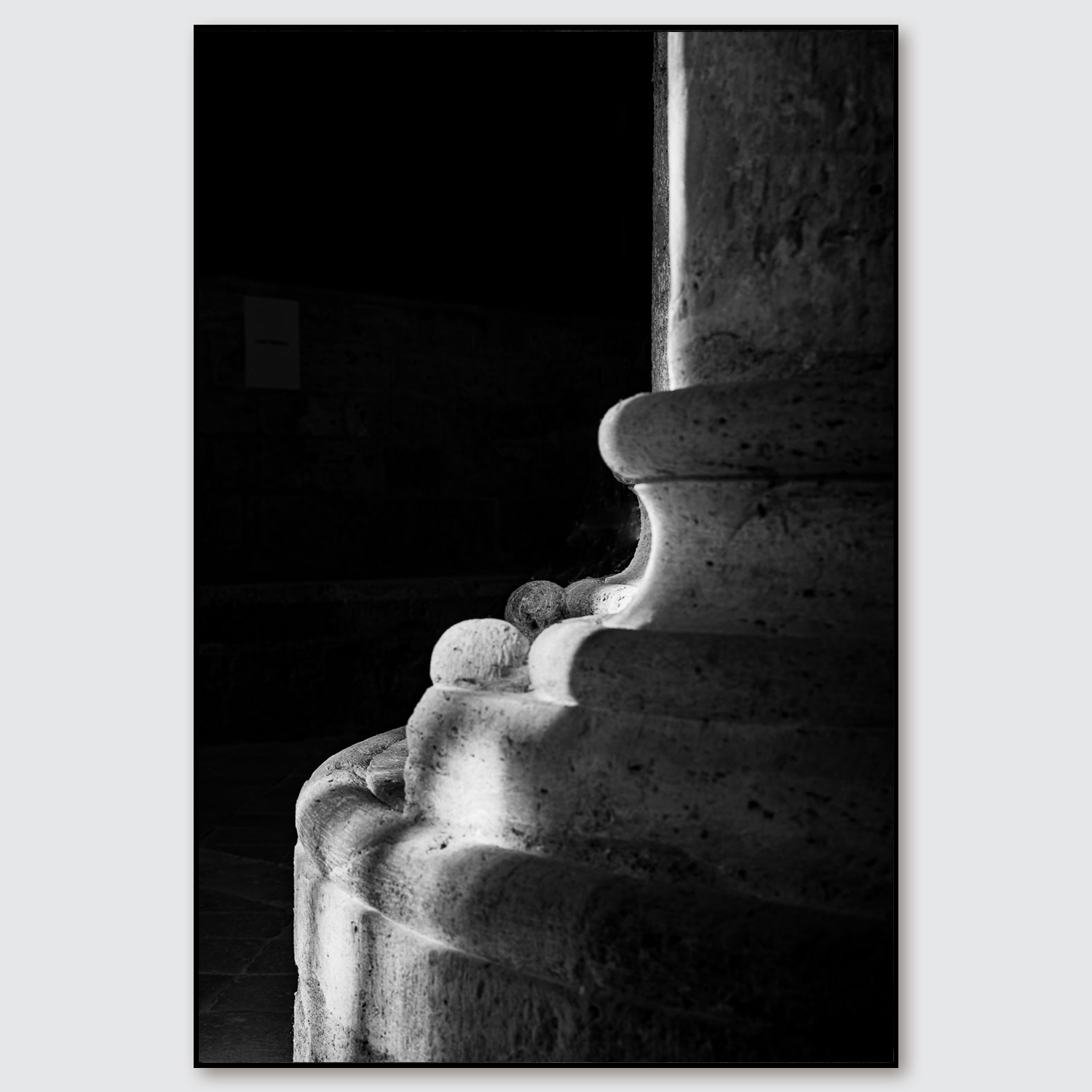
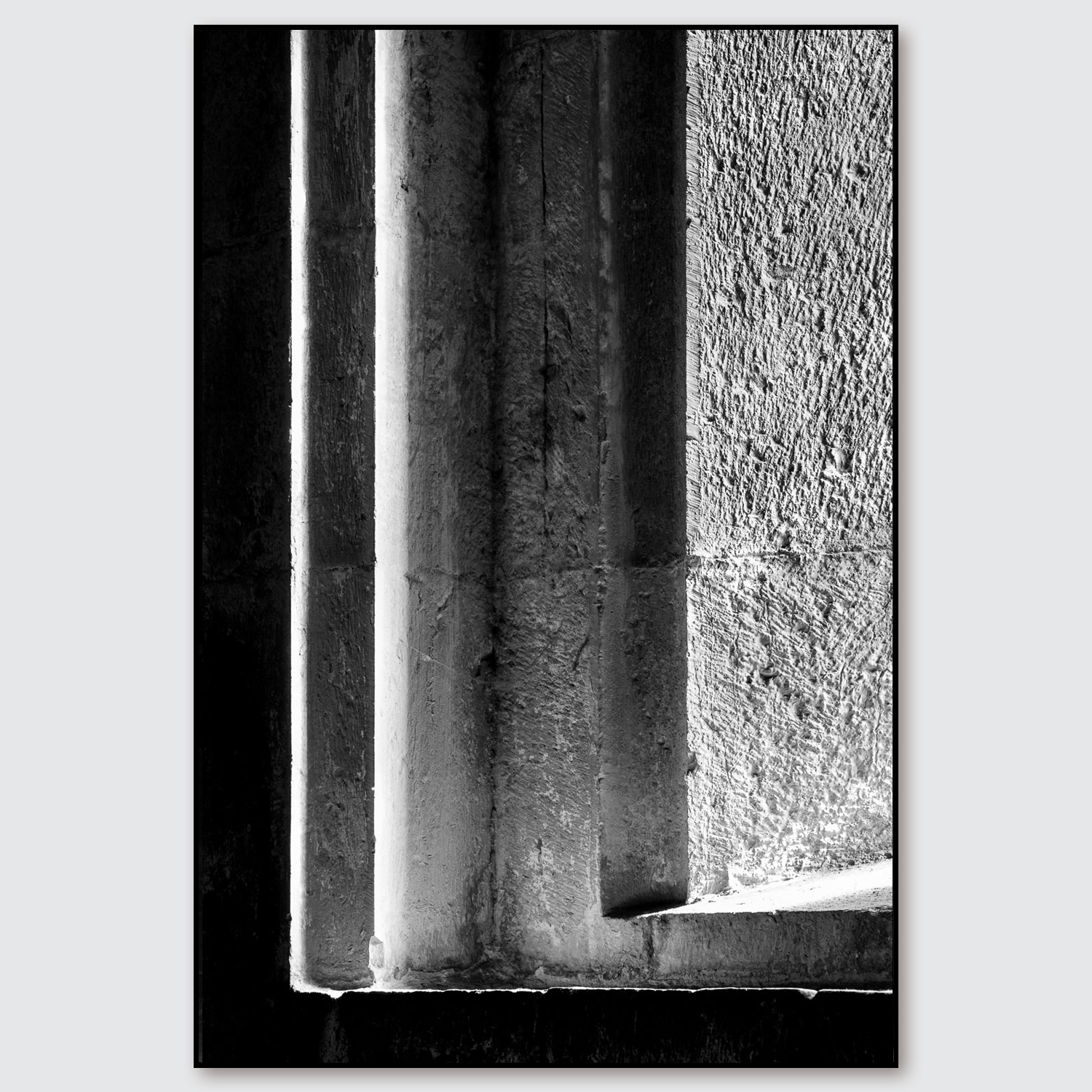
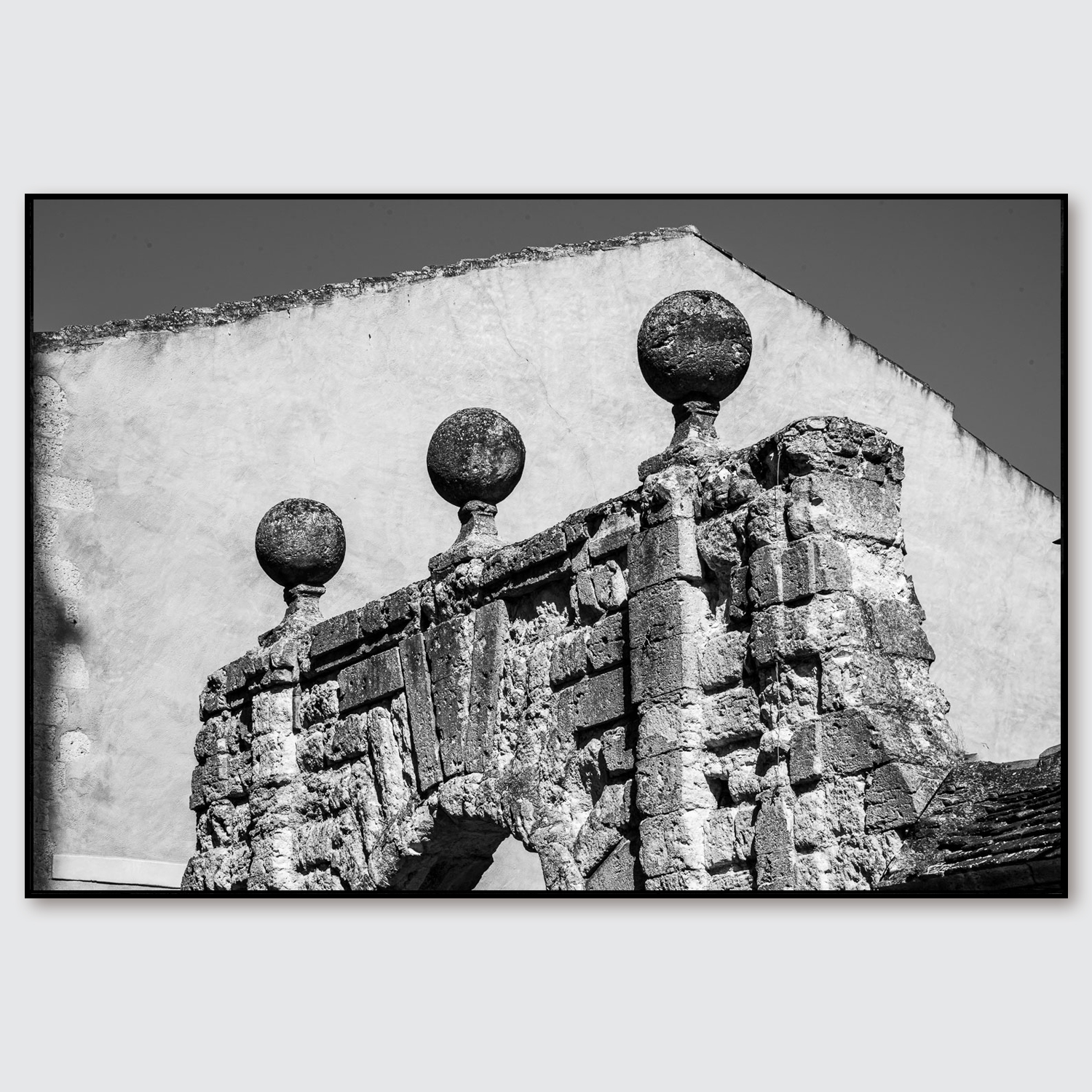
Photograph of the Piscina Mirabilis by Ferrante Ferranti. The artist explores the vestiges of the past through the play of shadows and light created by the sun on the ruins. With the soul of an archaeologist, this architect by training combines his photographic work with his passion for antiquity and the Baroque.
Length : 0.39 in / 1 cm
Height : 55.12 in / 140 cm
Width : 36.61 in / 93 cm
Weigth : 2.2 lb / 1 kg
Artist : Ferrante Ferranti
Technique: Digital color photography
Support: Fine Art Pearl paper laminated on dibond, black oak artbox mounting
Dimensions: 140 x 93 cm
Number of copies: 21 signed and numbered prints
Year: 2010
Inspiration: Created in 2010, this monumental image captures the Piscina Mirabilis, a huge Roman cistern dug into the hill of Bacoli, on the edge of the Gulf of Naples: a masterpiece of imperial engineering whose underground architecture evokes a “cathedral of water”.
In this large colour format, Ferranti captures the essence of the place through the subtle play of natural light and deep shadows that structure the vaulted space. The massive columns, which support the vault like so many arches of a forgotten temple, compose a powerful visual rhythm; The light becomes sculptural material, revealing the textures of the stone and the geometry of the void.
True to his eye as an architect and photographer, the artist transforms an ancient hydraulic monument into a contemplative scene where time and memory merge. Photography does not simply reproduce a vestige: it explores the tensions between shadow and light, structure and silence, offering a visual experience analogous to an immersion in the architecture itself.
This work translates Ferranti’s quest to create a dialogue between the past and the present, revealing how the act of photography can make the invisible perceptible through ancient forms and the light that passes through them.
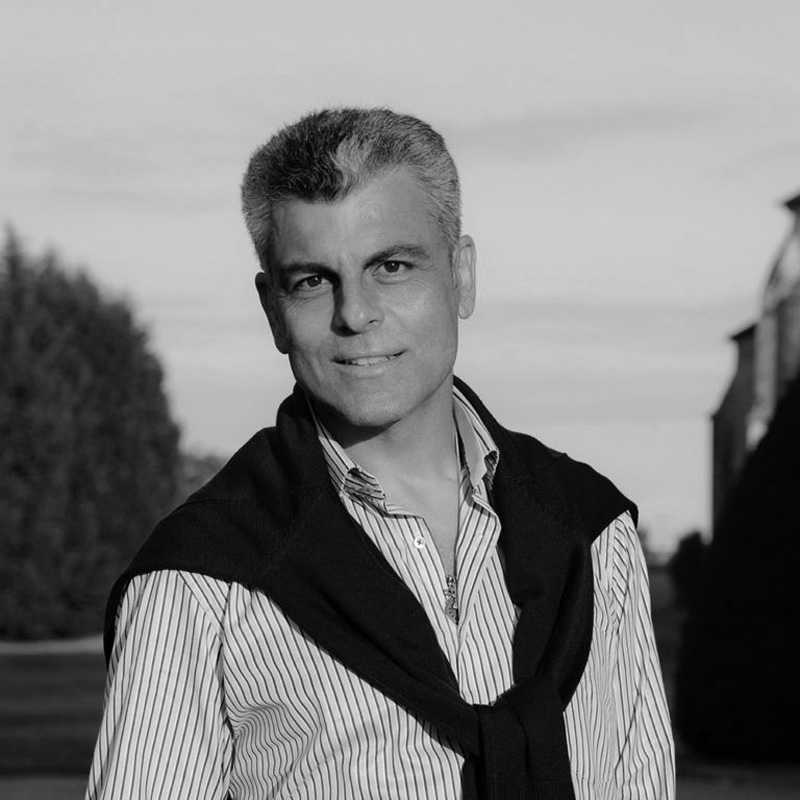
Ferrante Ferranti
FRANCE
Born January 13, 1960 in Algeria, of a Sardinian mother and a Sicilian father. He took his first photograph at the age of eighteen, a wave in Belle-Île-en-Mer. Passionate about Fernand Pouillon’s book, Les Pierres Sauvages, he began training as an architect in Toulouse, which he completed at Paris-UP6 in 1985 with a diploma in Theaters and scenography in the Baroque era. Traveling photographer, he has been involved for thirty years with Dominique Fernandez in a joint exploration of the Baroque and the different layers of civilizations, from Syria to Bolivia via Sicily and Saint Petersburg. His photographs dialogue with the texts of the writer, who defines him in the album Itinerrances (Actes Sud, 2013) as “the inventor of a language which links the sun to the ruins, in search of the meaning hidden in the forms” .
Collection

Customizable
Customizable
Customizable
Customizable
Customizable
Customizable
Customizable
Customizable
Customizable
Customizable
Customizable
Customizable

Customizable

Customizable
Customizable
Customizable
Customizable
Customizable
Customizable
Customizable
Customizable
Customizable
Customizable
Customizable
Customizable
Customizable
Customizable
Customizable
Customizable
Customizable
Customizable
Customizable
Customizable