Customizable
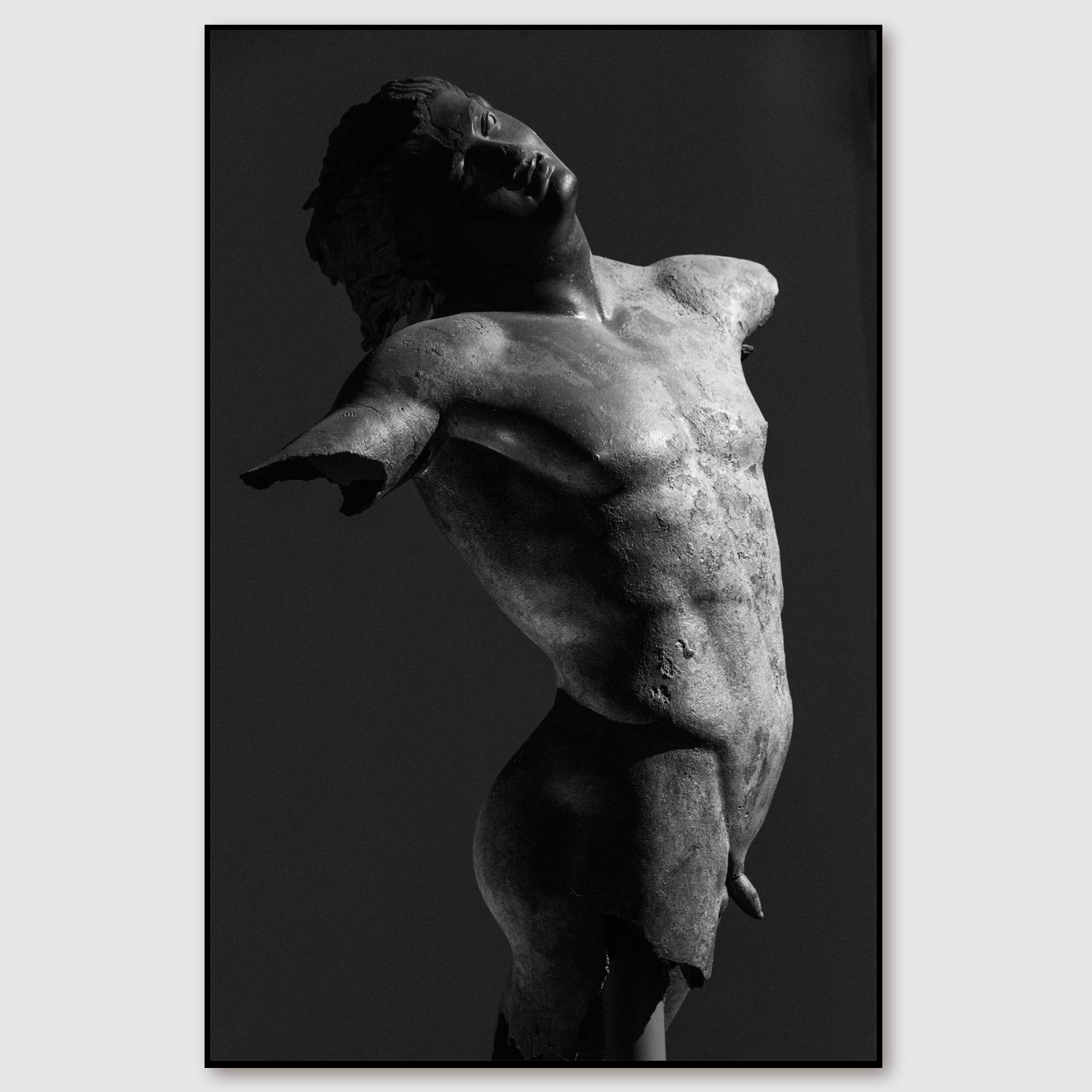
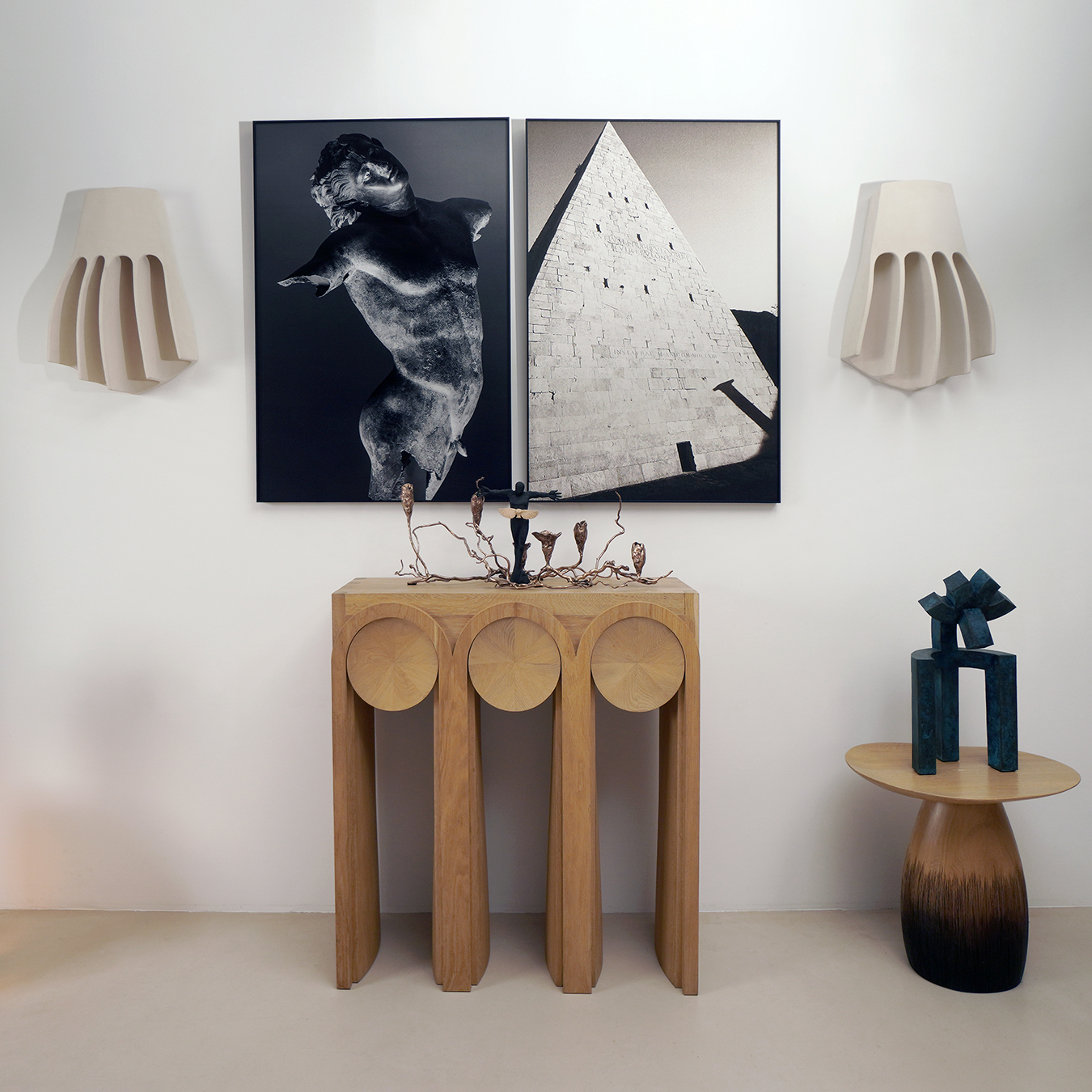
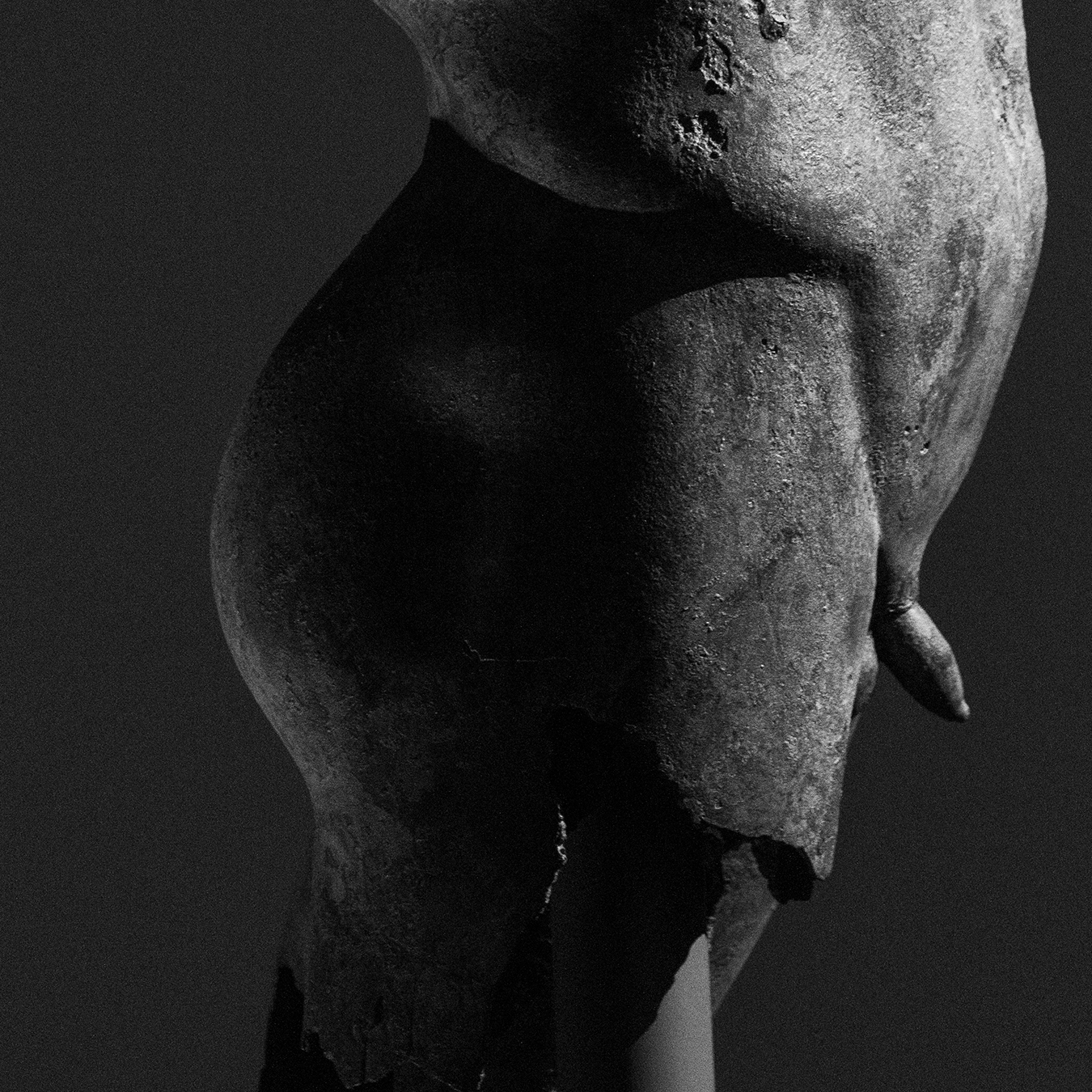
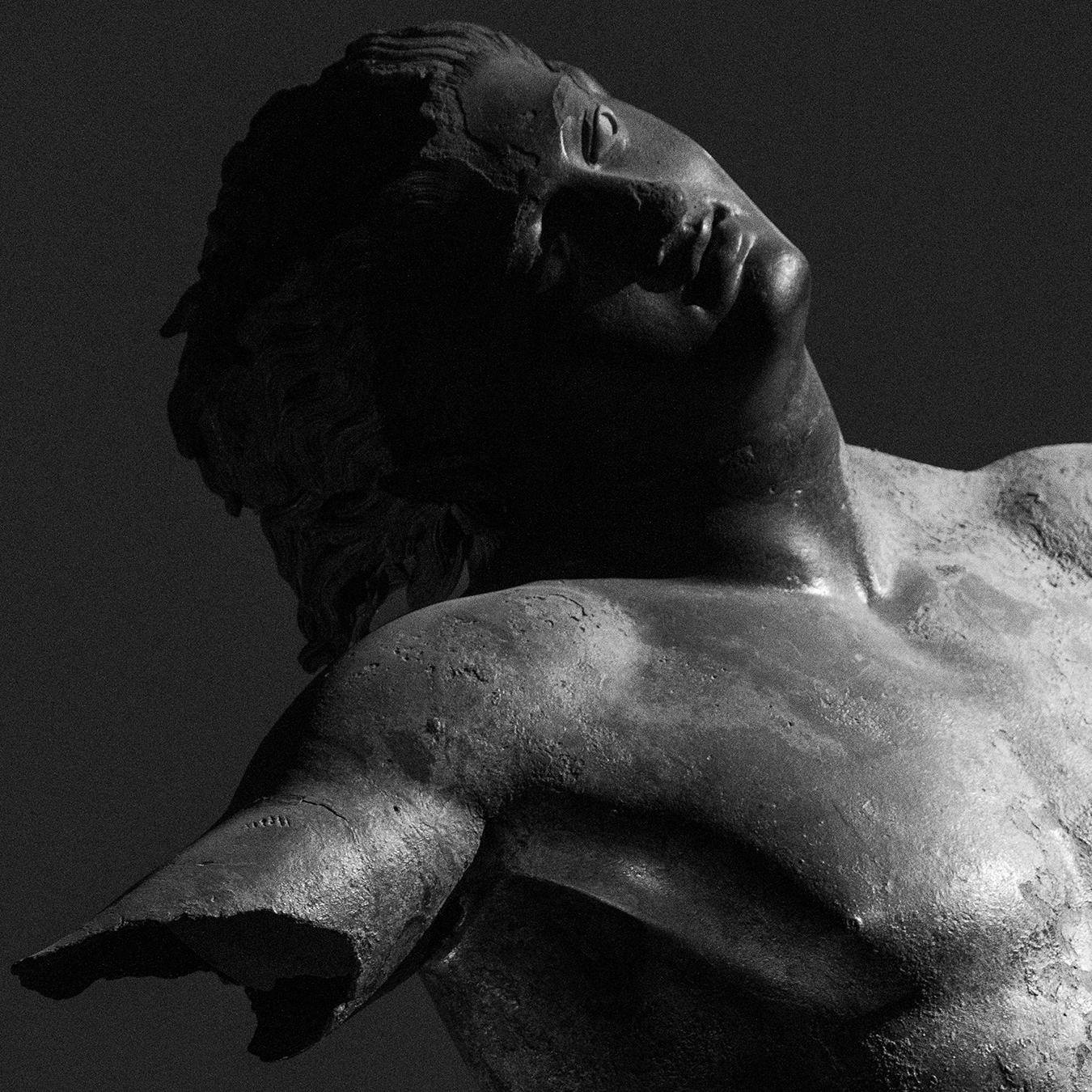
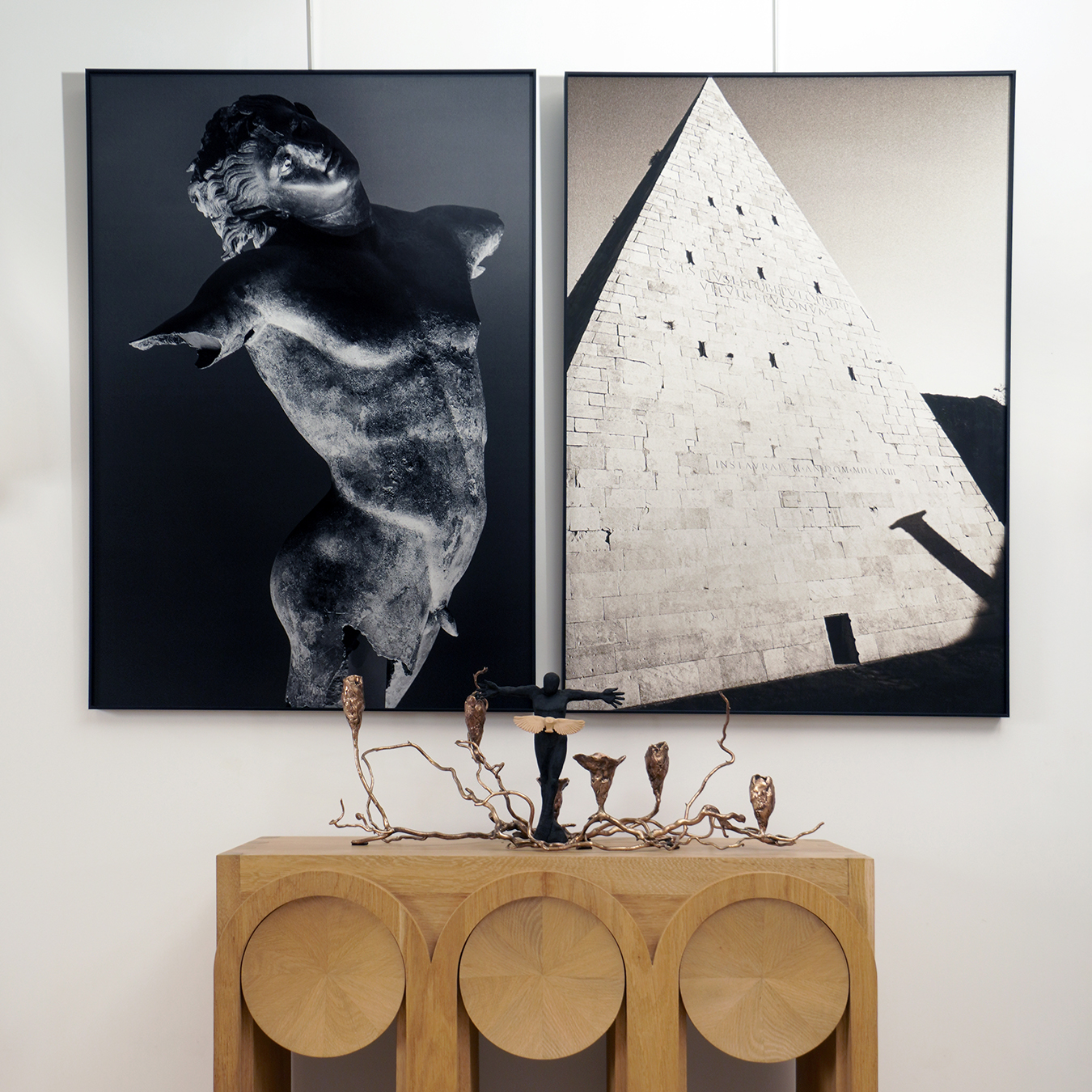
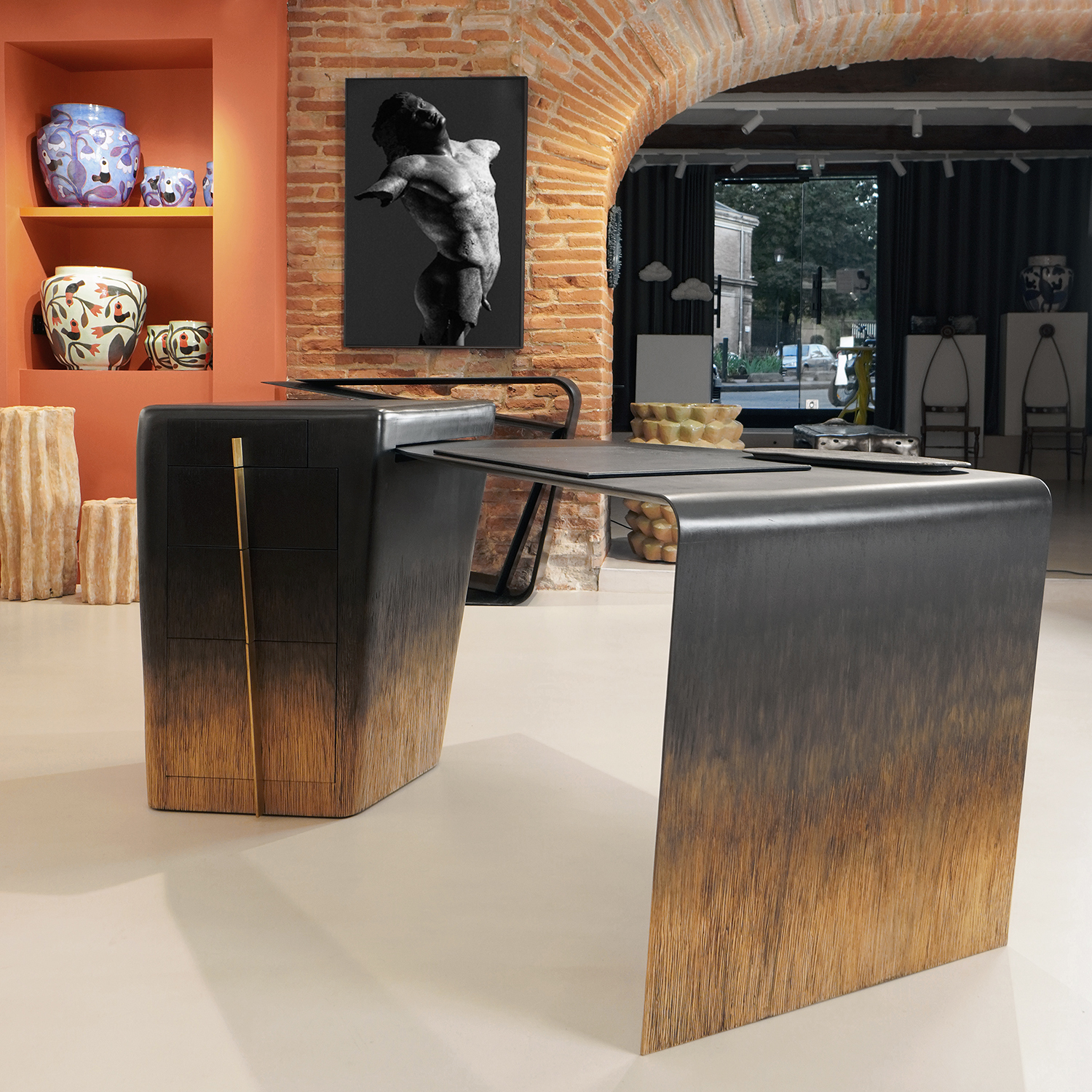
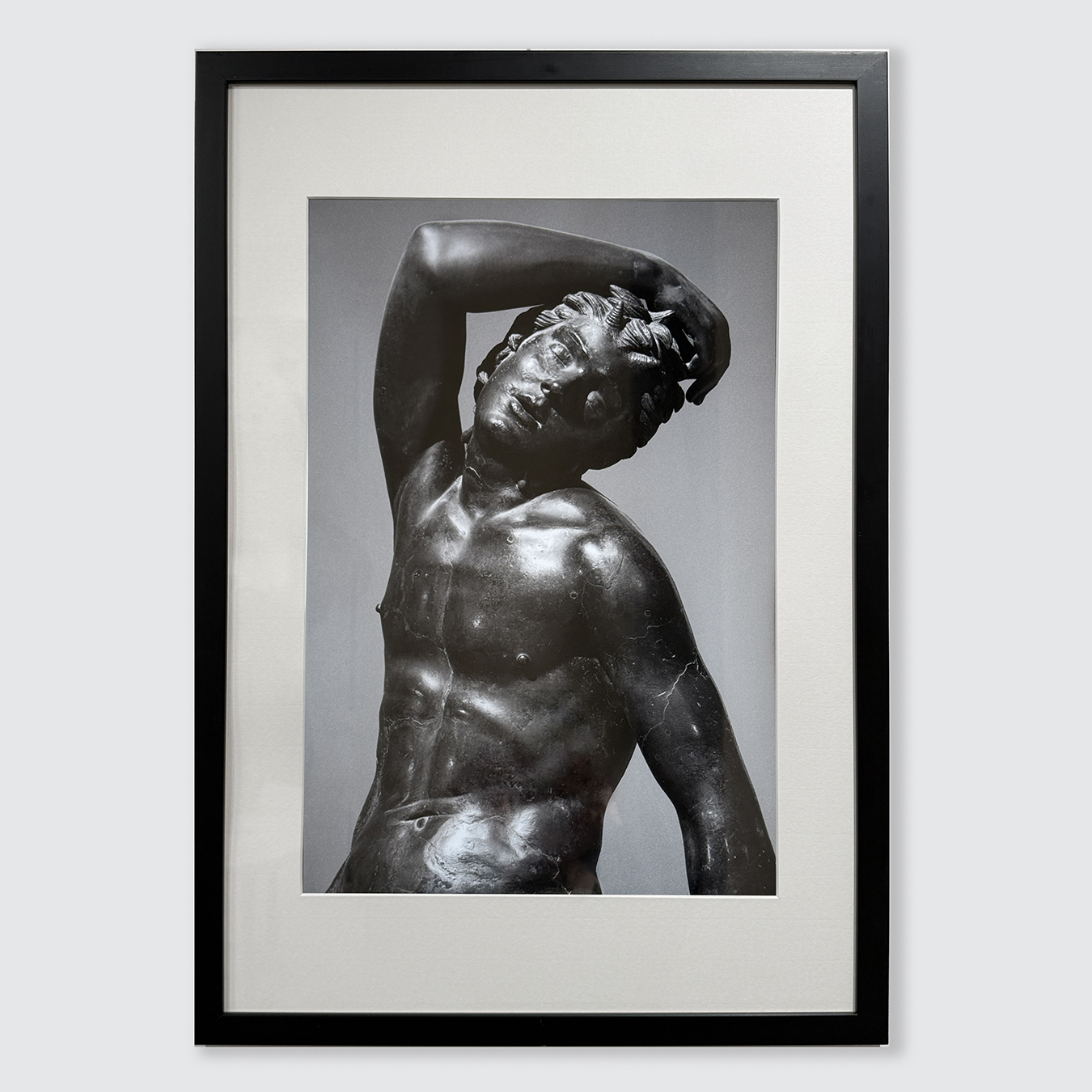
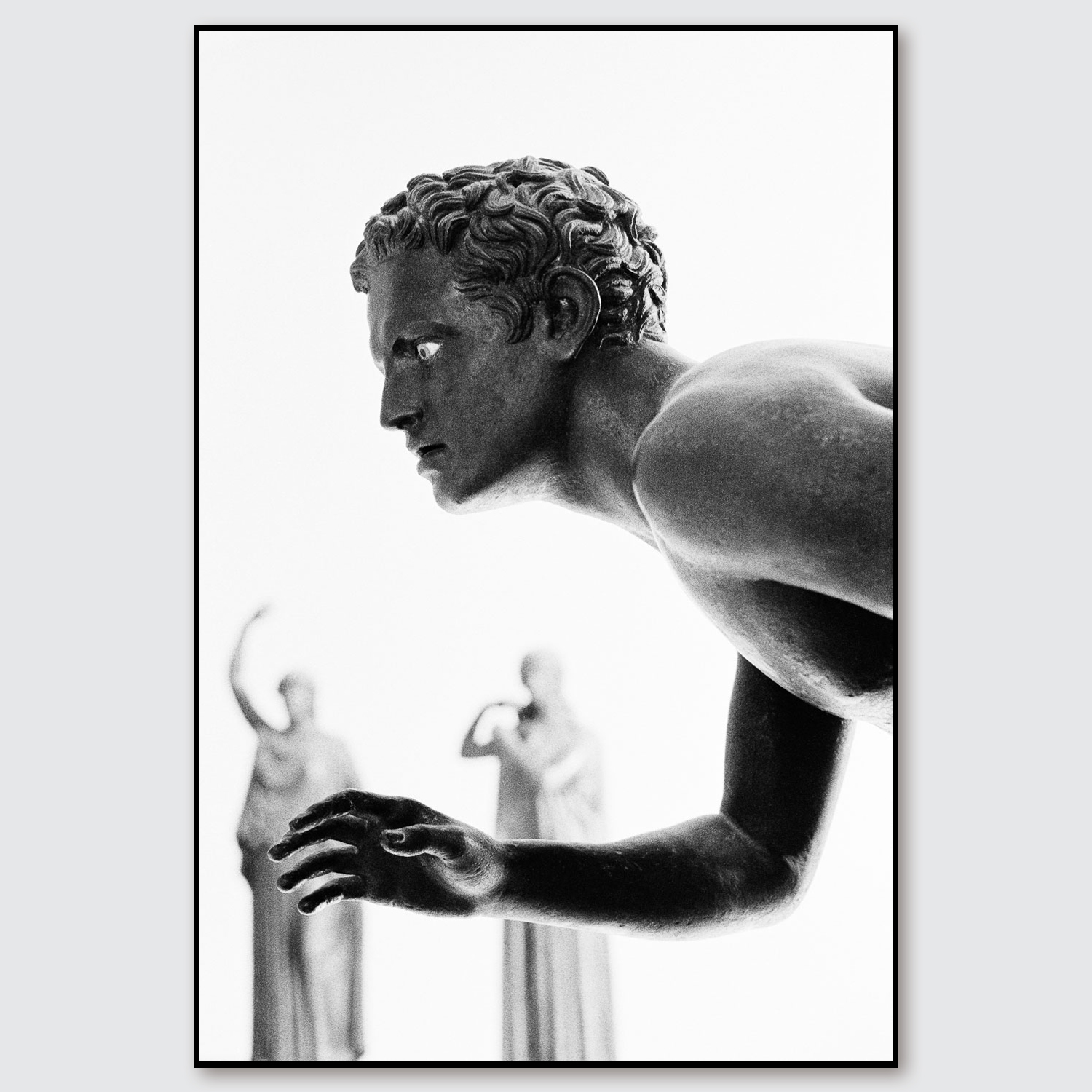
DANCING FAUNA, MAZZARA DEL VALLO (2/6)
Référence :
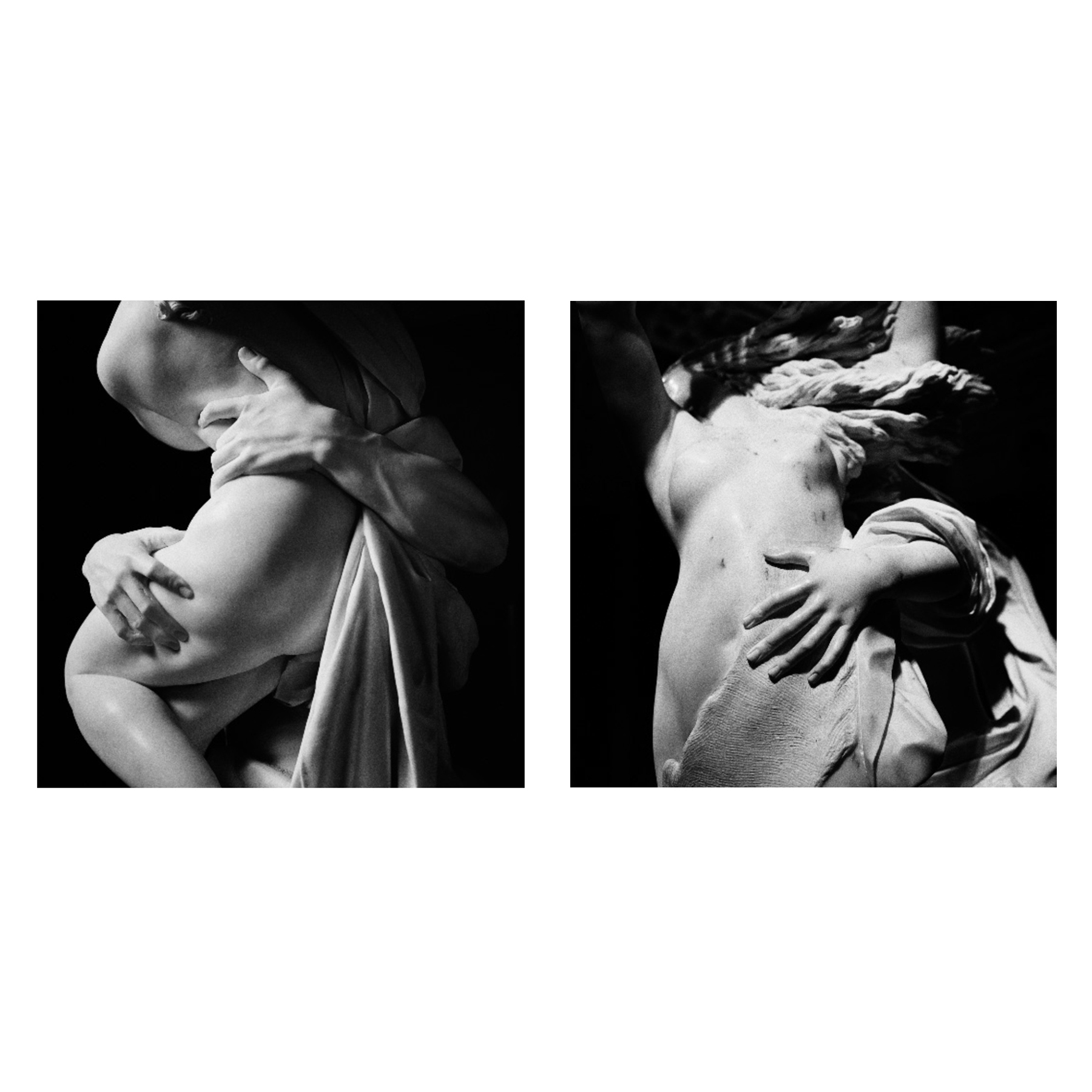
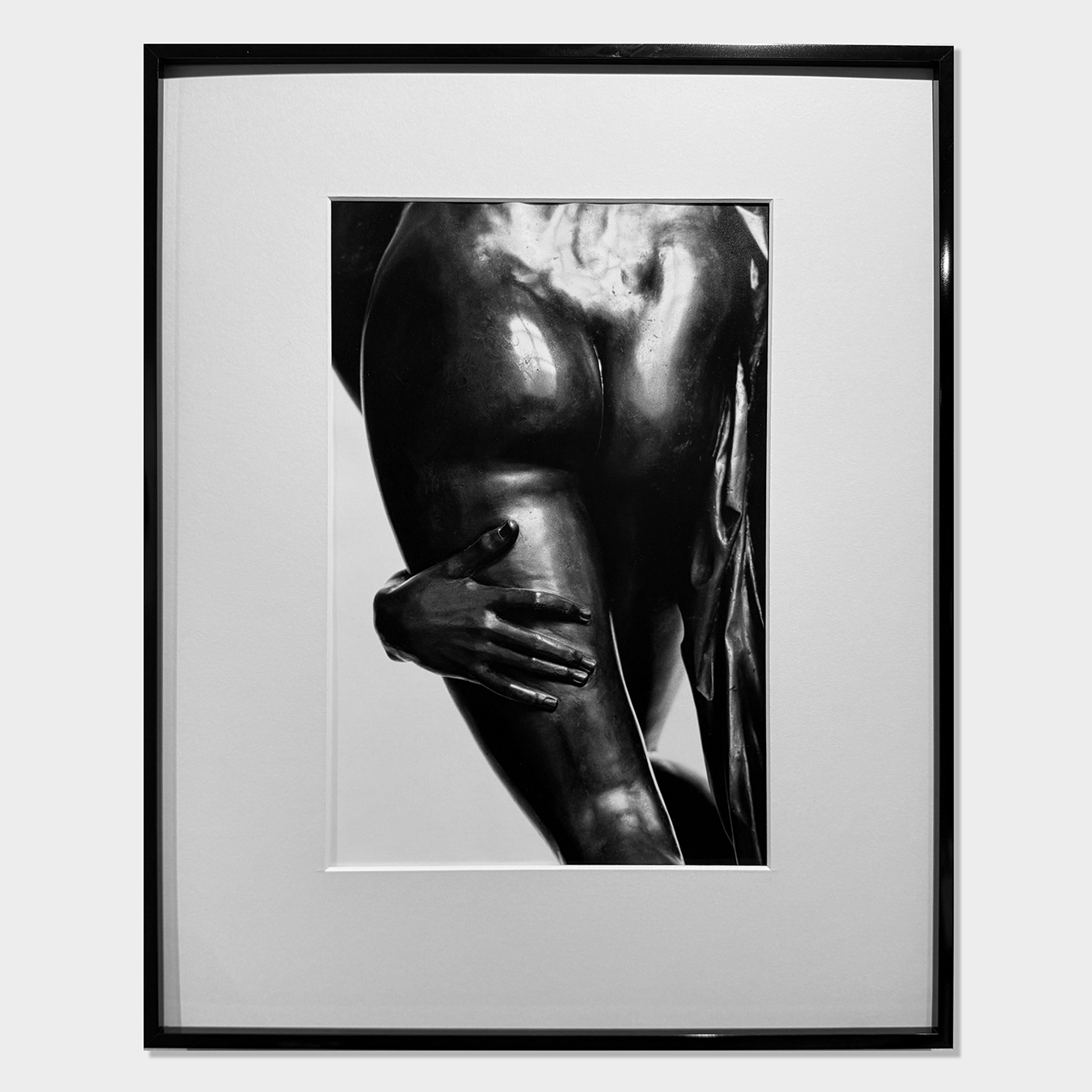
Discovered off the coast of Mazara del Vallo, the Dancing Faun emerges in a burst of intoxication and movement. Through light and framing, Ferrante Ferranti reveals the inner tension: the bronze seems to vibrate, suspended between ecstasy and silence.
An ancient presence, restored to its timeless breath.
Length : 1.18 in / 3 cm
Height : 43.31 in / 110 cm
Width : 29.53 in / 75 cm
Weigth : 2.2 lb / 1 kg
Artist : Ferrante Ferranti
Technique: Digital photography
Support: Pigment print on baryta paper (Canson Fine Art Baritta), laminated on Dibond
Dimensions: 110 x 75 cm
Number of copies: 6 signed and numbered prints
Year: 2019
Inspiration: Discovered at sea off the coast of Mazara del Vallo, the Dancing Faun is an ancient sculpture of rare intensity: a body caught in the momentum, a face crossed by the intoxication of movement, an almost living presence.
Dans cette photographie, Ferrante Ferranti ne documente pas seulement une œuvre — il en révèle l’âme. Par un jeu subtil d’ombres et de lumière, il isole la figure de son contexte muséal pour la restituer à sa dimension sacrée et intemporelle. Bronze seems to breathe, vibrate, oscillate between abandonment and ecstasy. Through his gaze, Ferranti invites us to a silent meditation on the fragmentary beauty of the ancient world, on what remains when the centuries pass: a gesture, a curve, an energy. The Faun then becomes less an archaeological vestige than a passing being, messenger of a buried memory. (Sculpture preserved in the Museo del Satiro Danzante.)
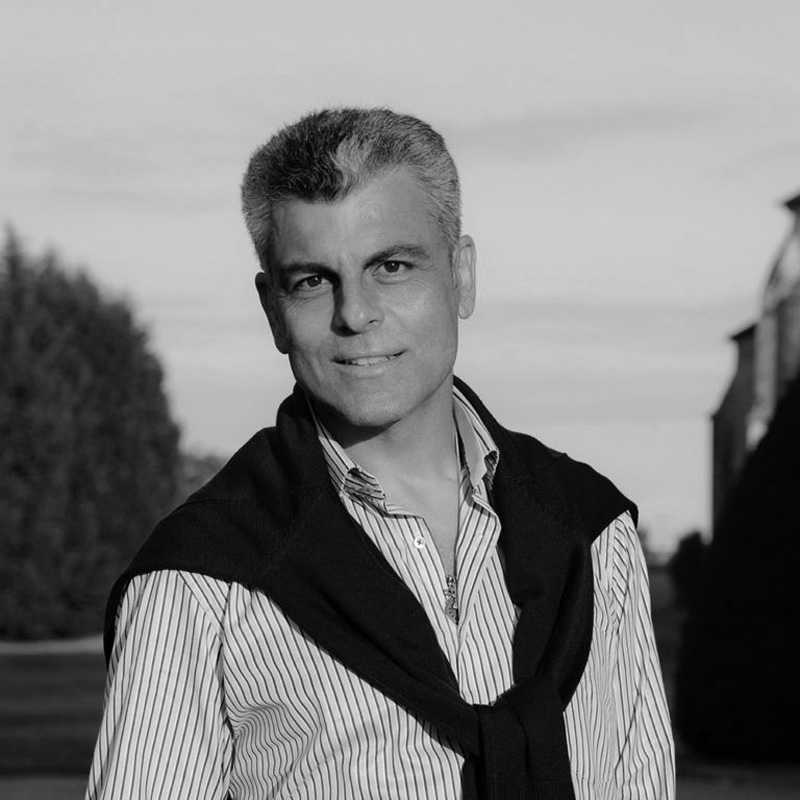
Ferrante Ferranti
FRANCE
Born January 13, 1960 in Algeria, of a Sardinian mother and a Sicilian father. He took his first photograph at the age of eighteen, a wave in Belle-Île-en-Mer. Passionate about Fernand Pouillon’s book, Les Pierres Sauvages, he began training as an architect in Toulouse, which he completed at Paris-UP6 in 1985 with a diploma in Theaters and scenography in the Baroque era. Traveling photographer, he has been involved for thirty years with Dominique Fernandez in a joint exploration of the Baroque and the different layers of civilizations, from Syria to Bolivia via Sicily and Saint Petersburg. His photographs dialogue with the texts of the writer, who defines him in the album Itinerrances (Actes Sud, 2013) as “the inventor of a language which links the sun to the ruins, in search of the meaning hidden in the forms” .
Collection

Customizable
Customizable
Customizable
Customizable
Customizable
Customizable
Customizable
Customizable
Customizable
Customizable
Customizable

Customizable

Customizable
Customizable
Customizable
Customizable
Customizable
Customizable
Customizable
Customizable
Customizable
Customizable
Customizable
Customizable
Customizable
Customizable
Customizable
Customizable
Customizable
Customizable
Customizable
Customizable