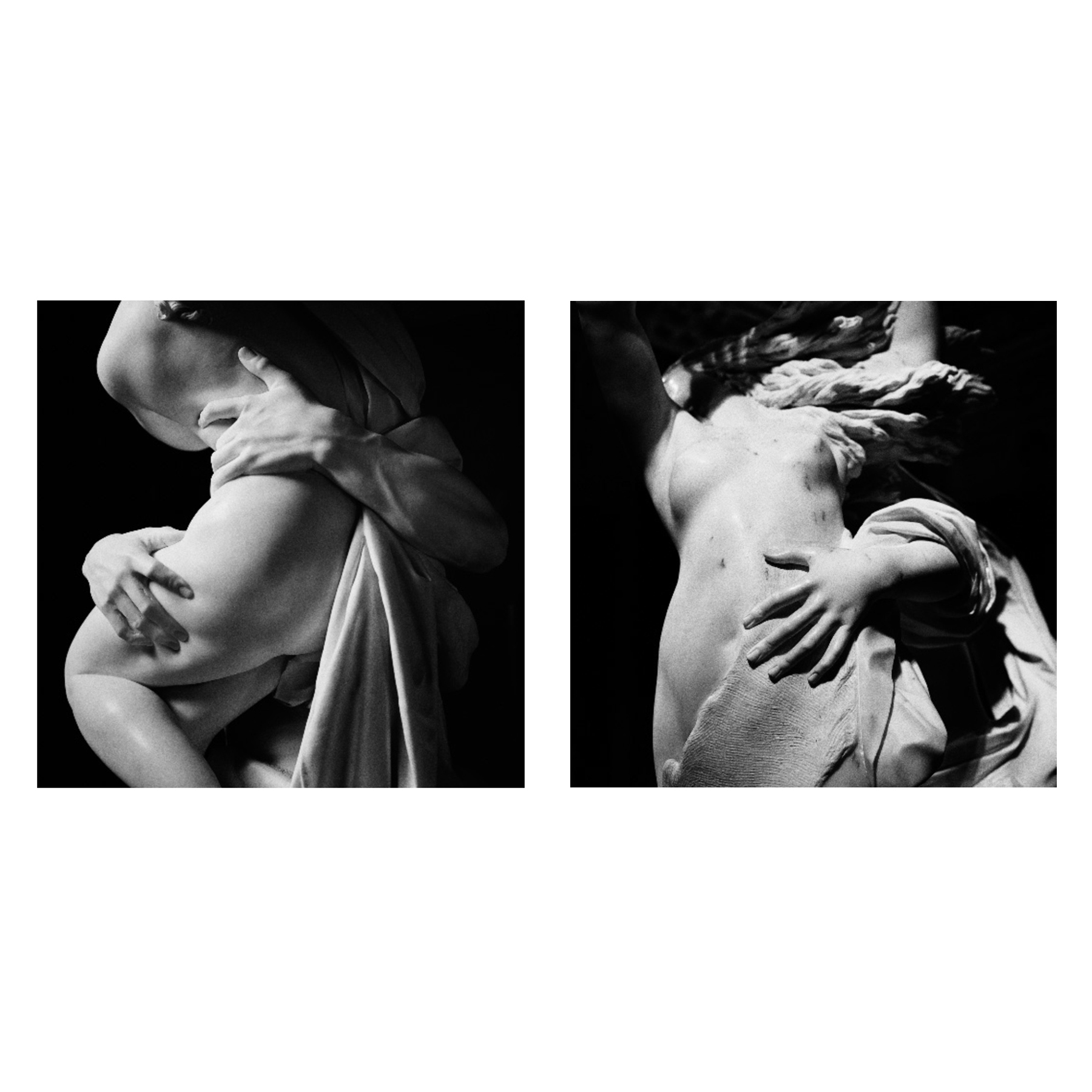
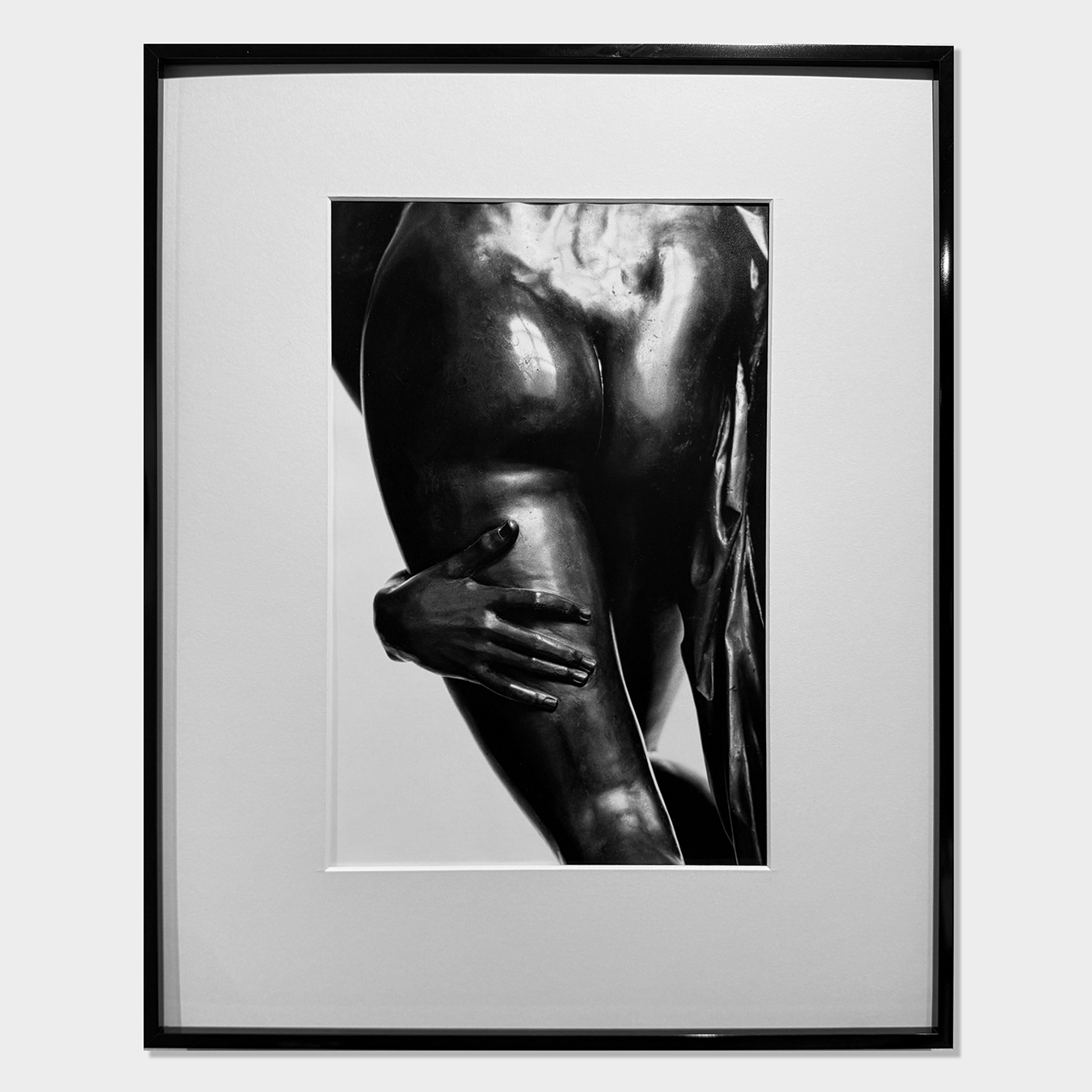
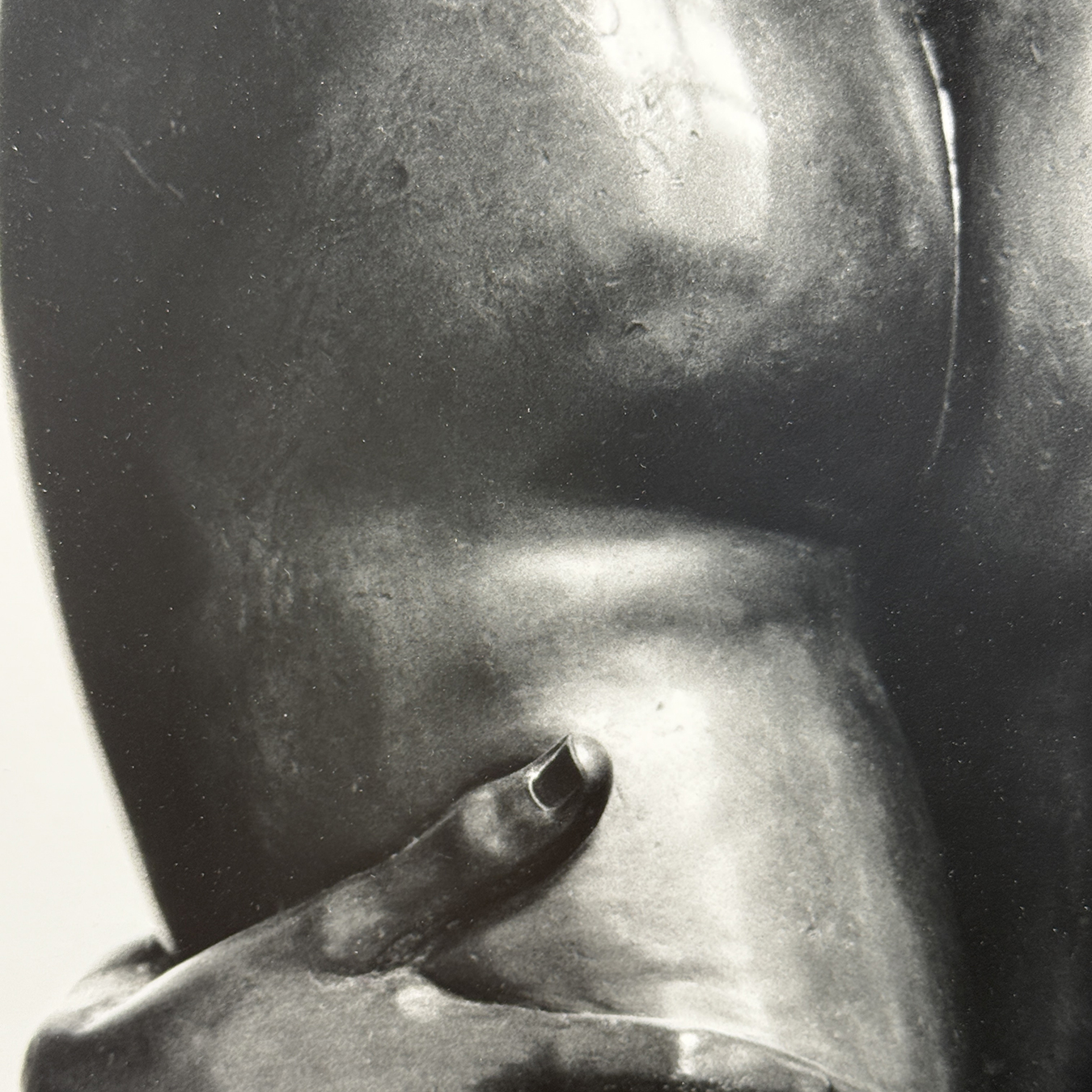
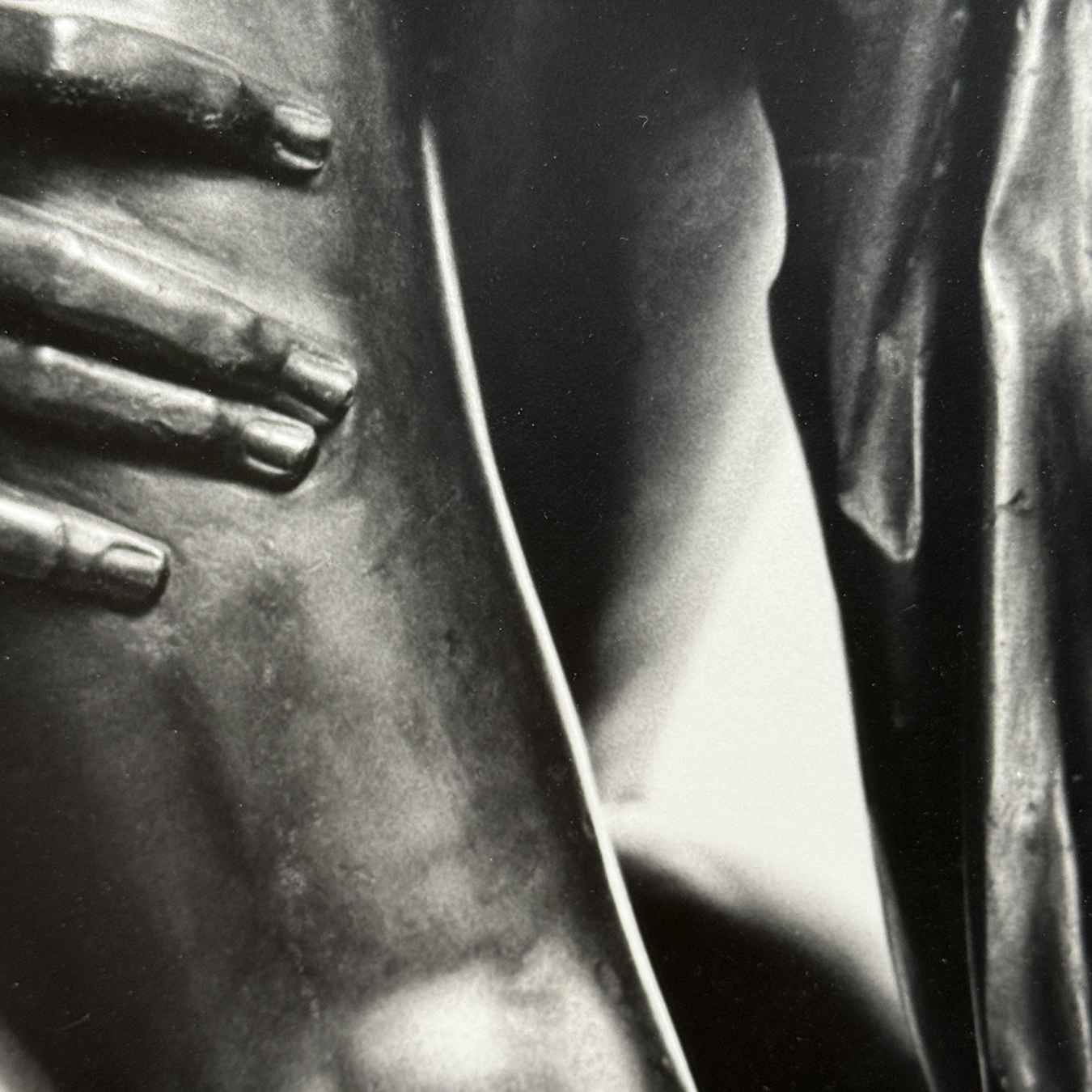
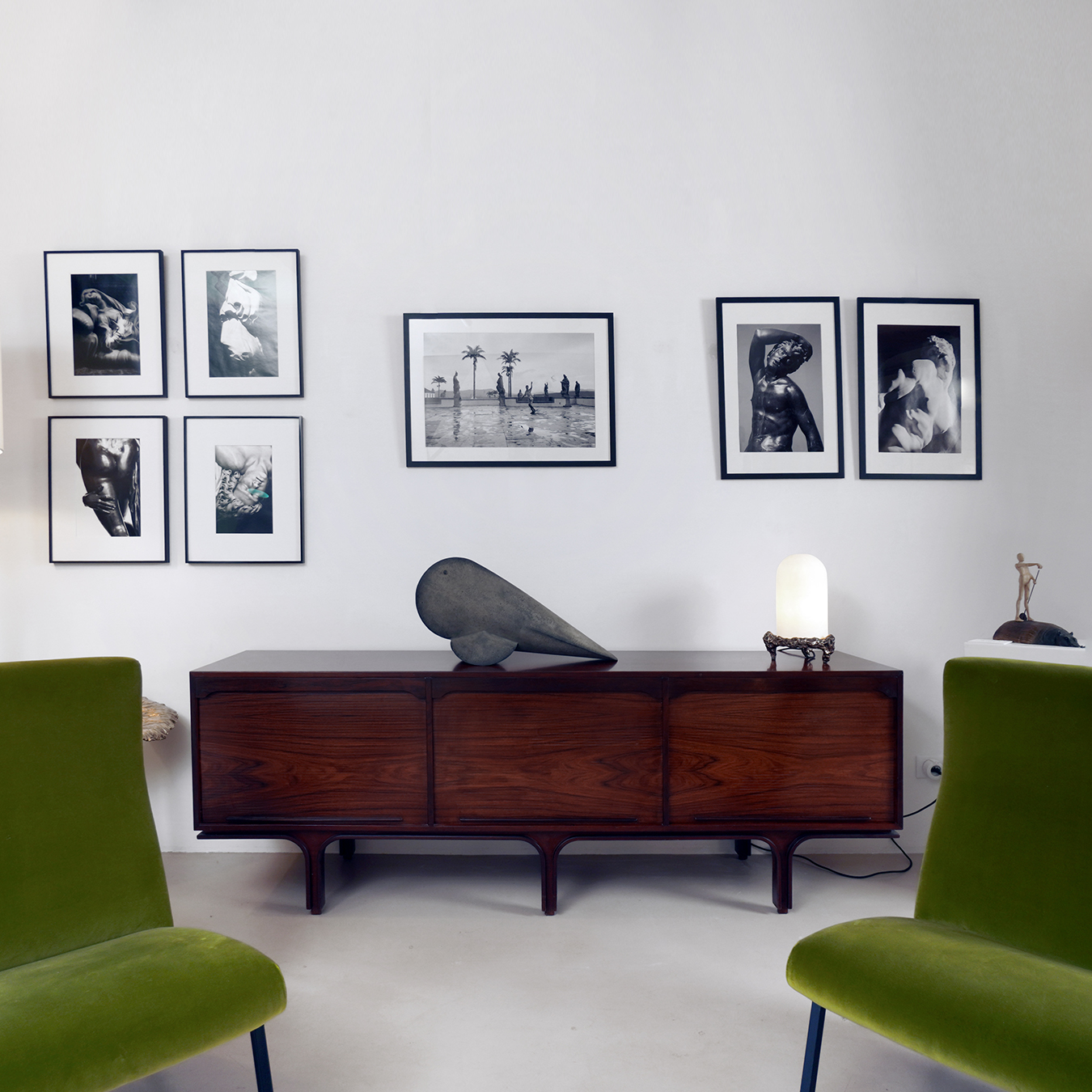
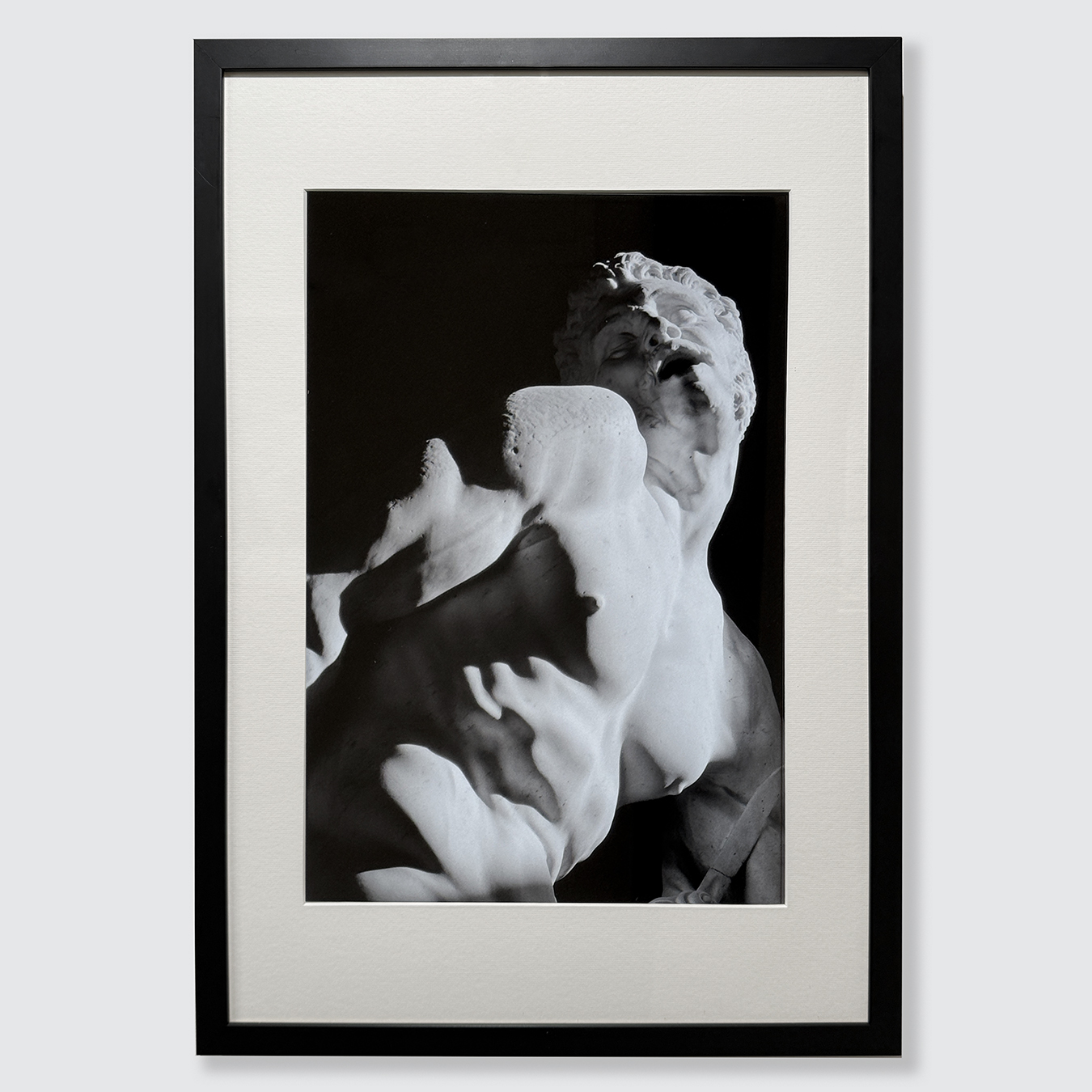
RAPT DE PERSÉPHONE, ADRIAN DE VRIES, PARIS (1988)
Référence :
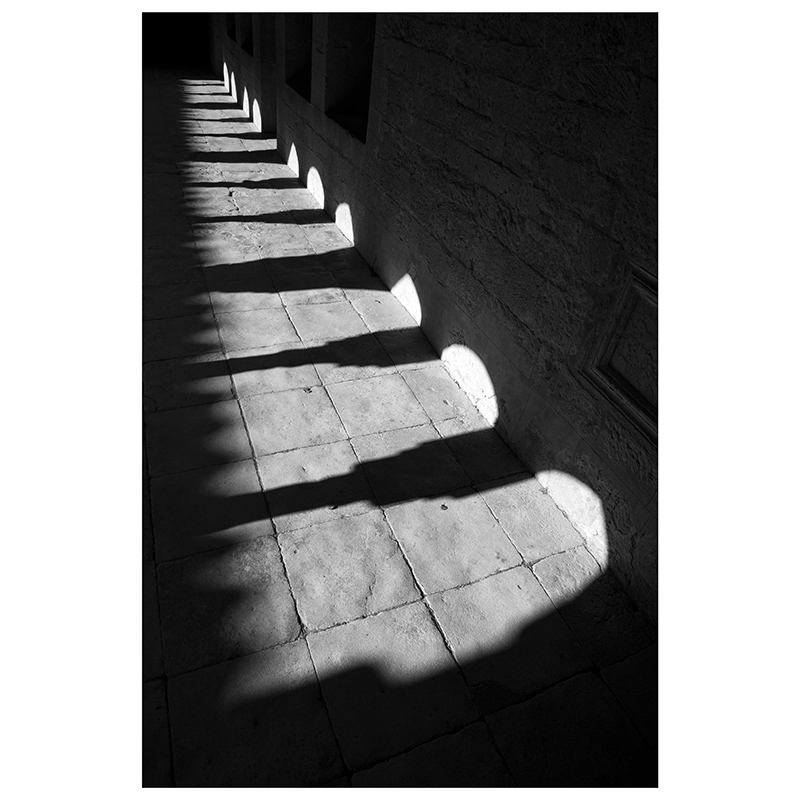
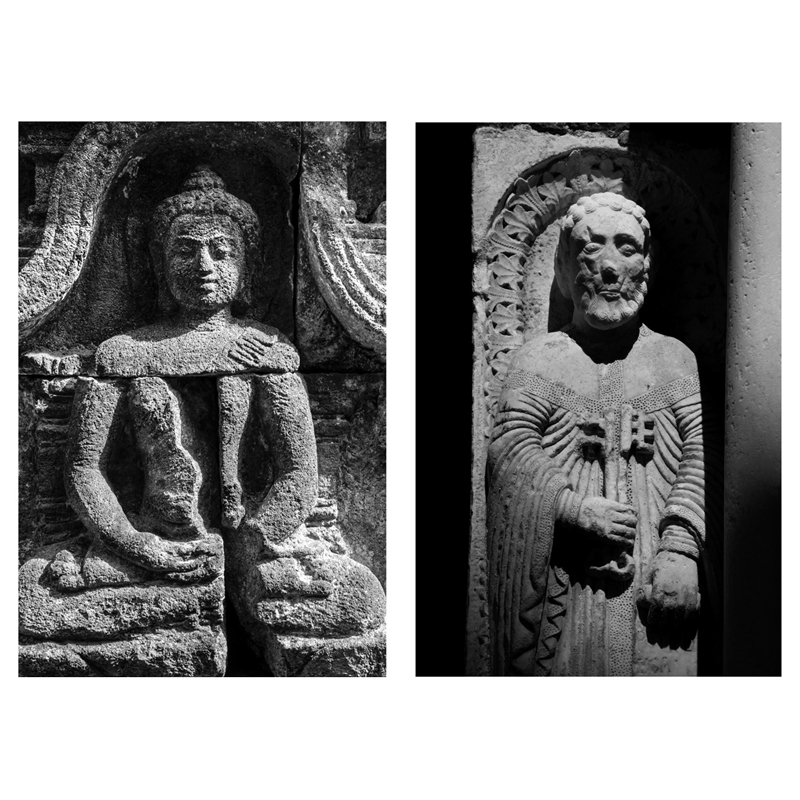
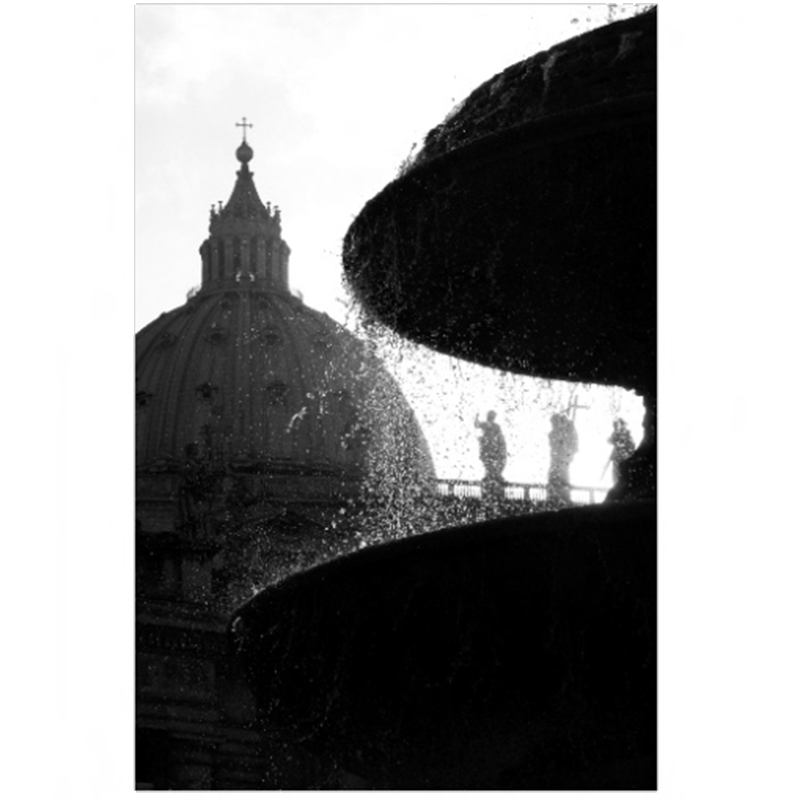
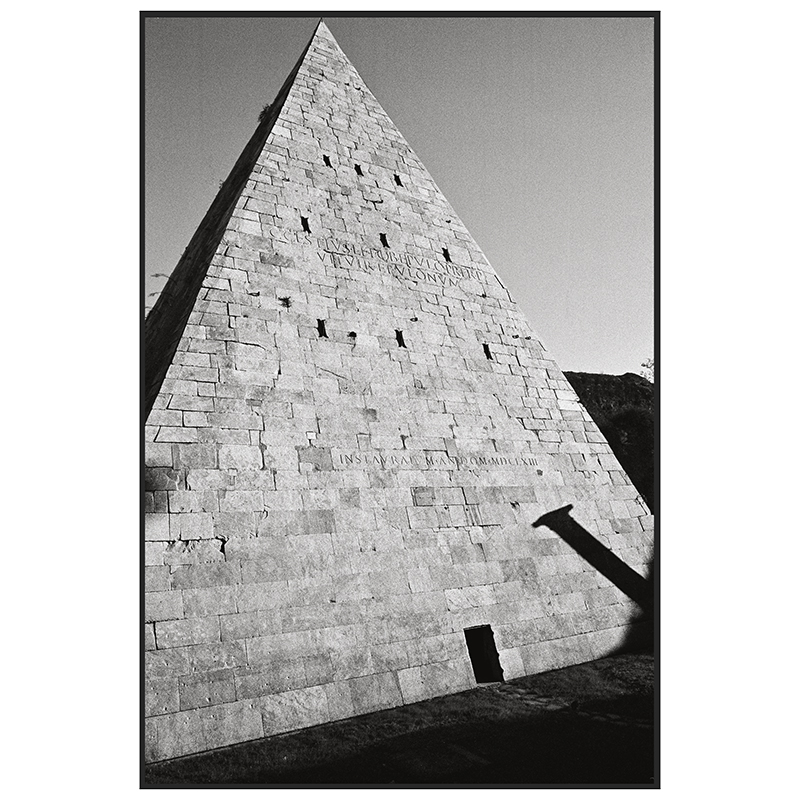
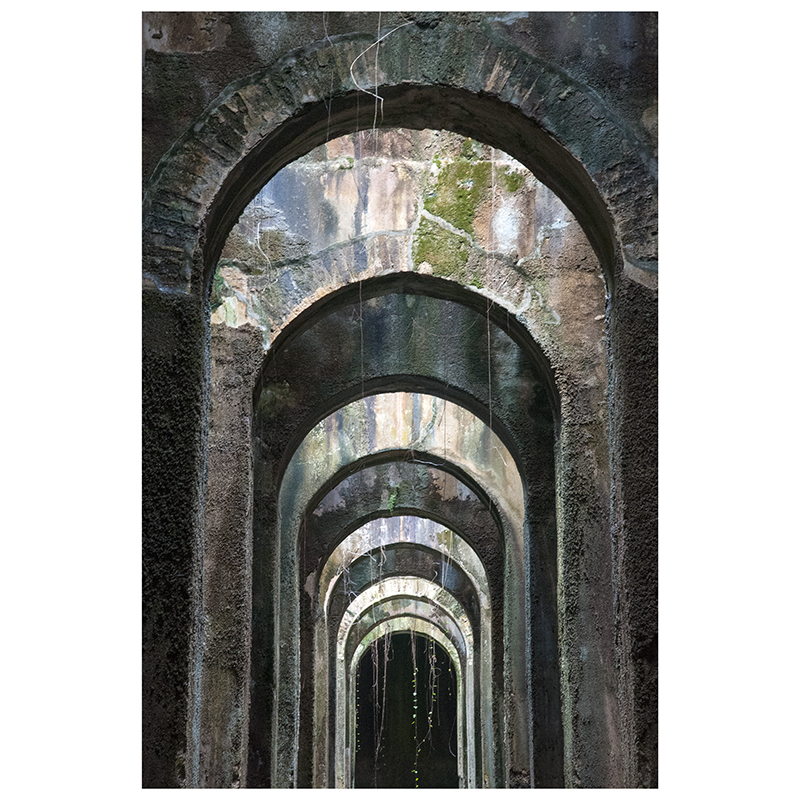
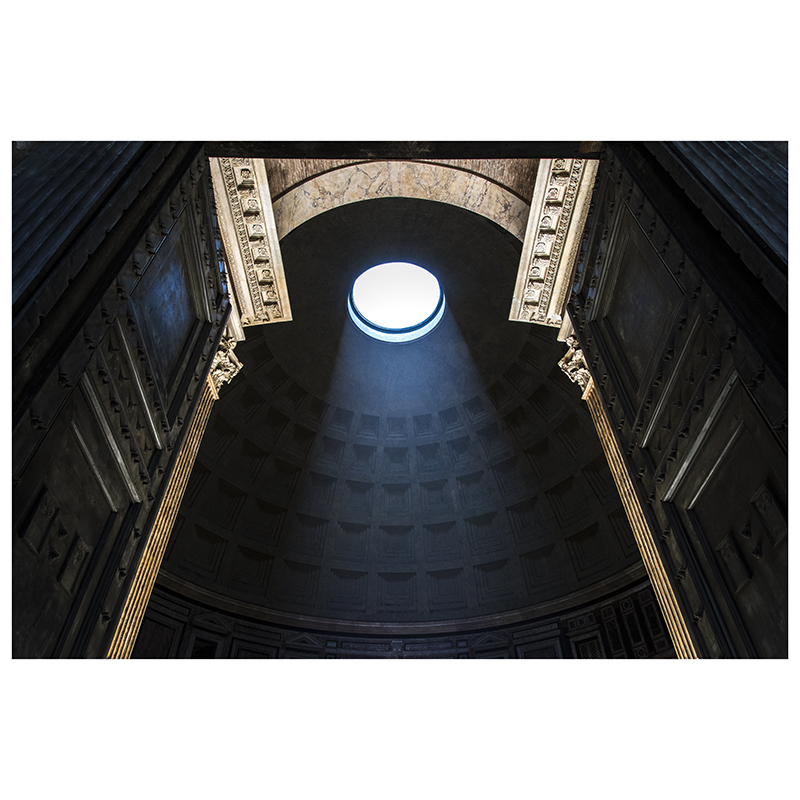
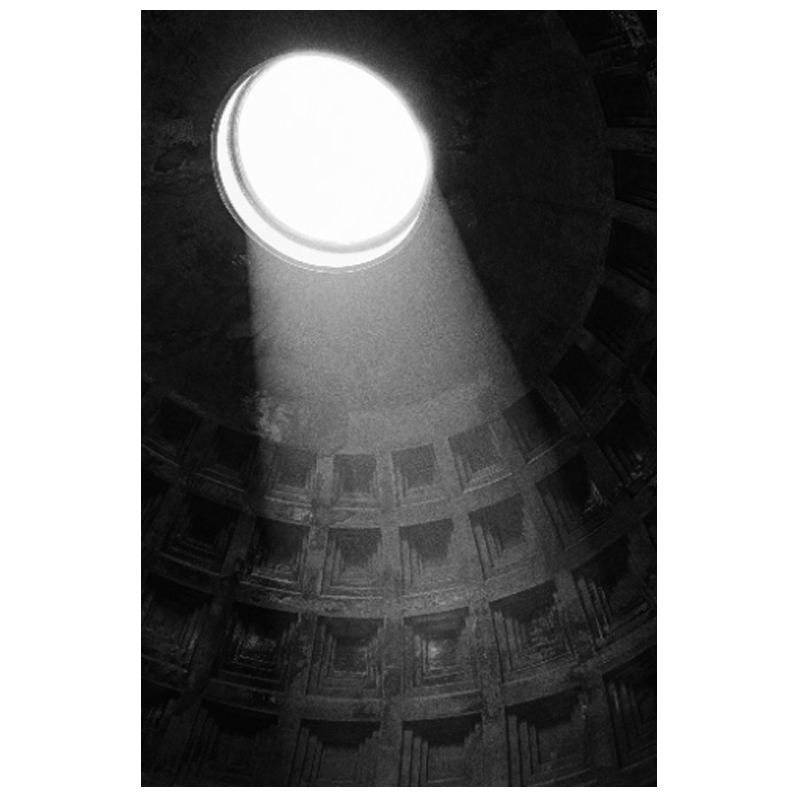
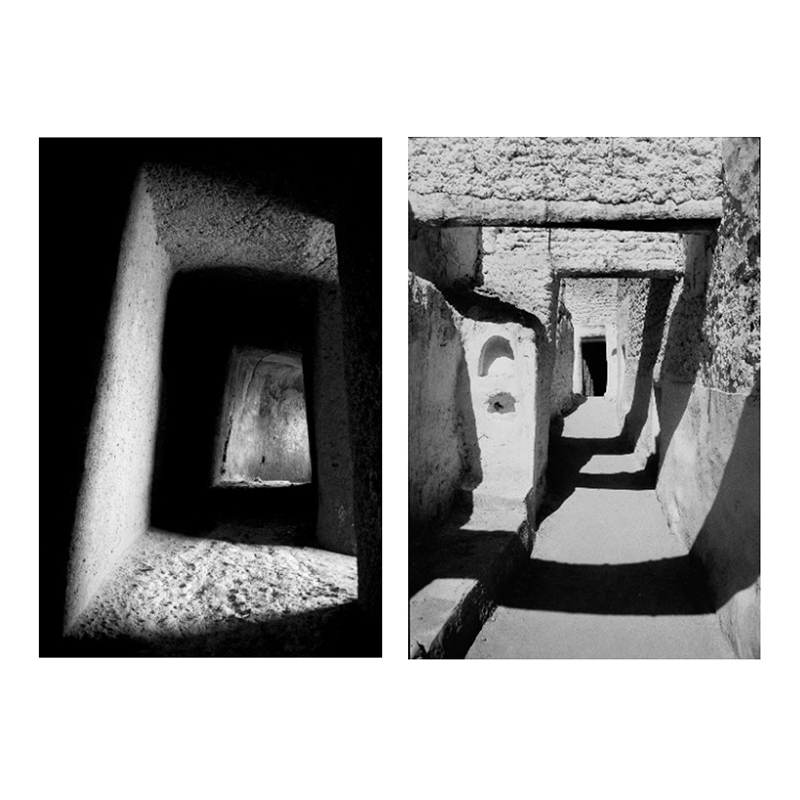
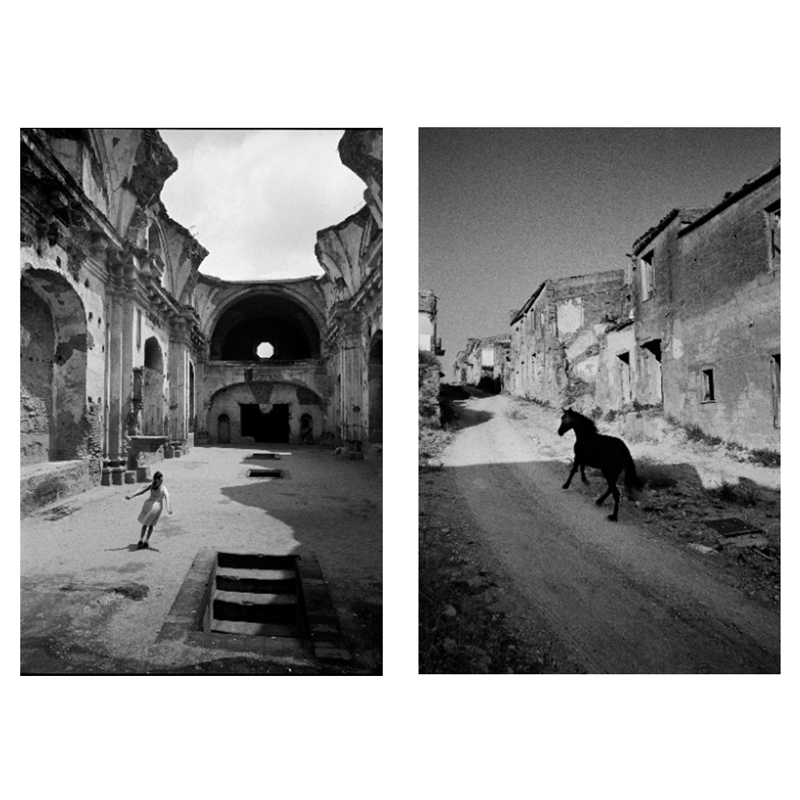
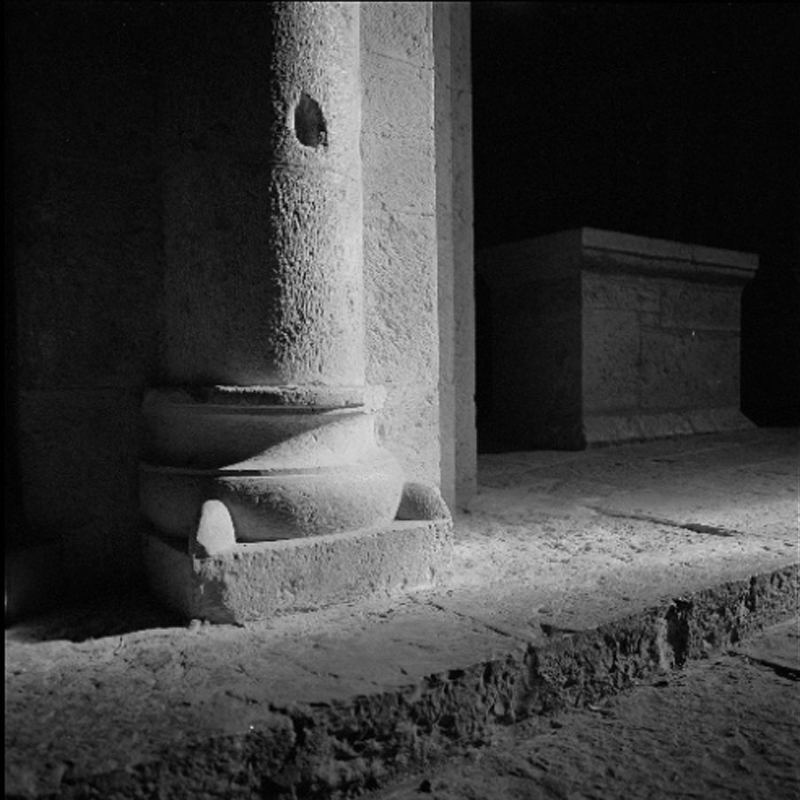
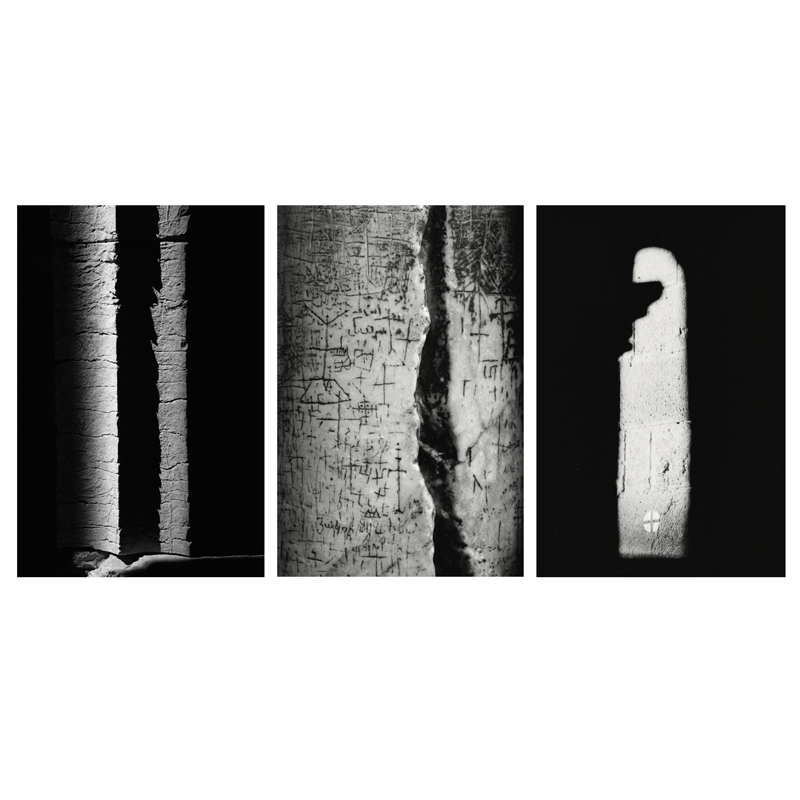
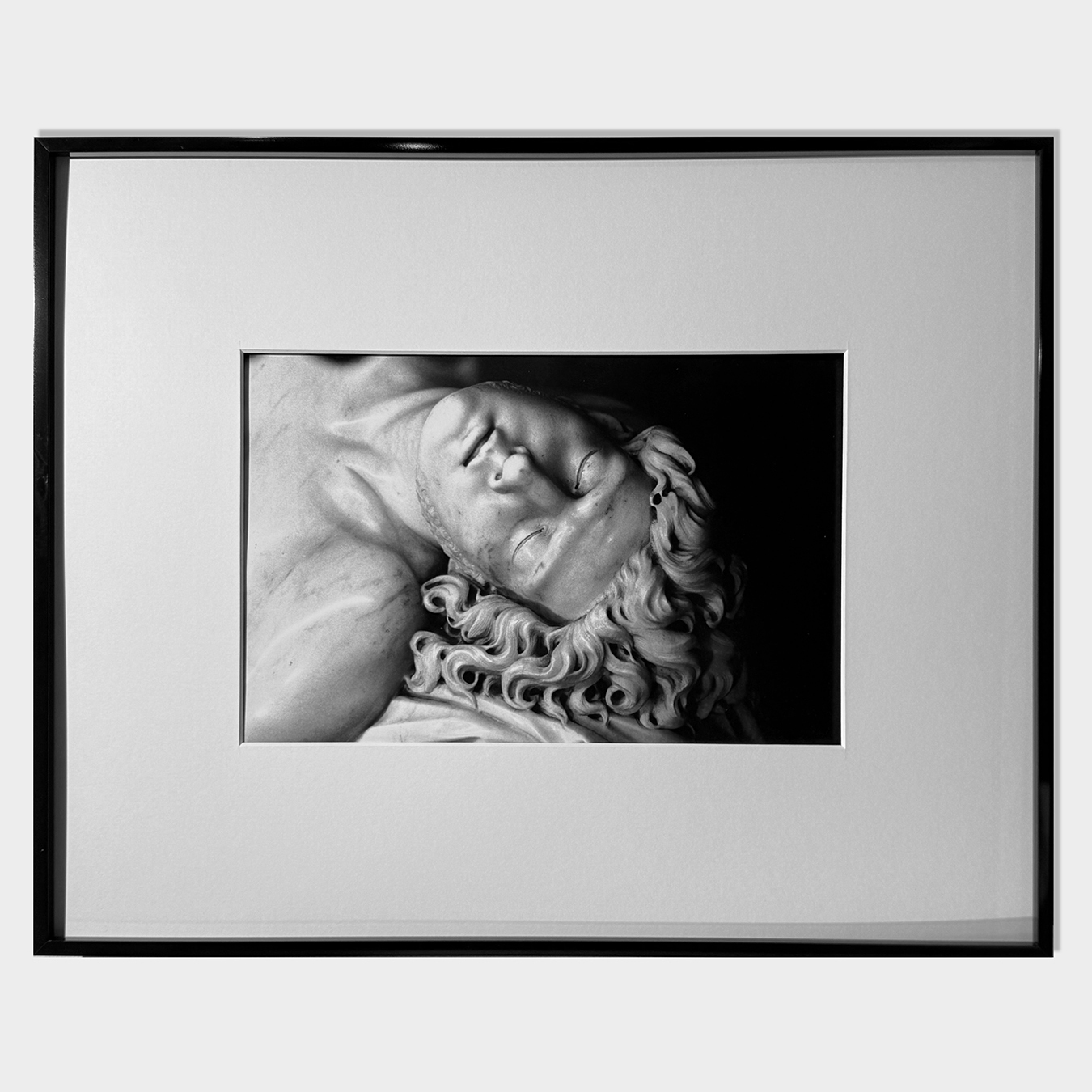
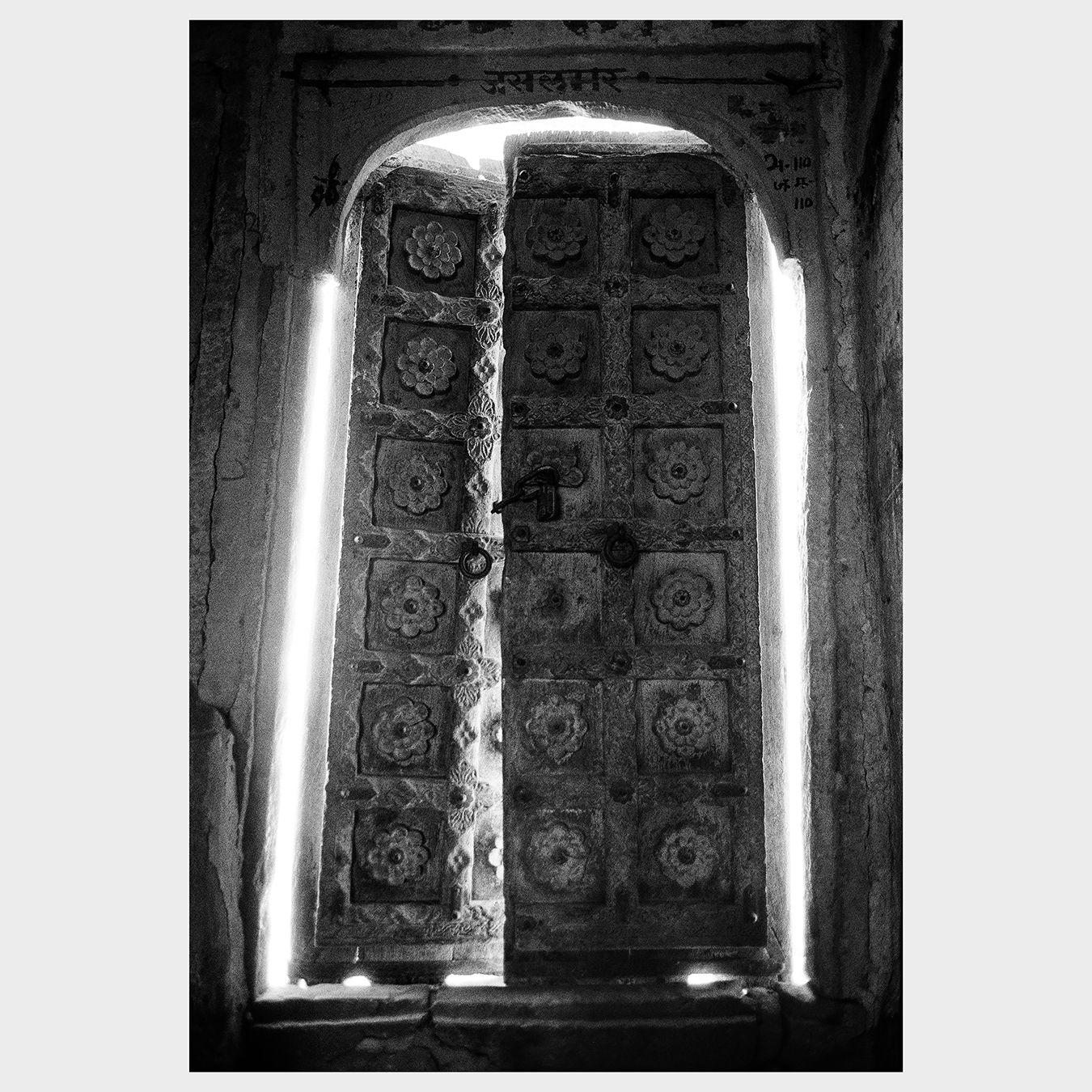
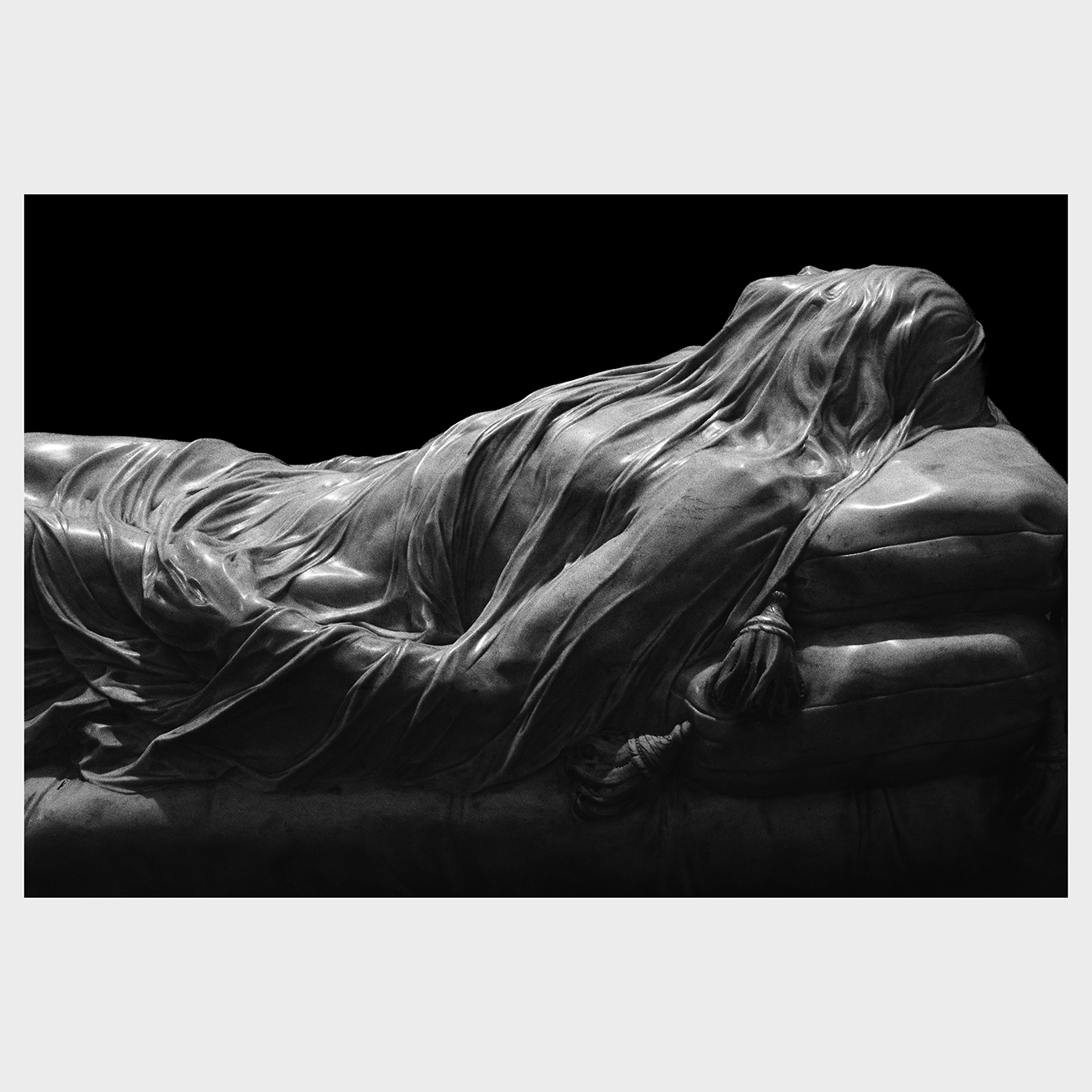
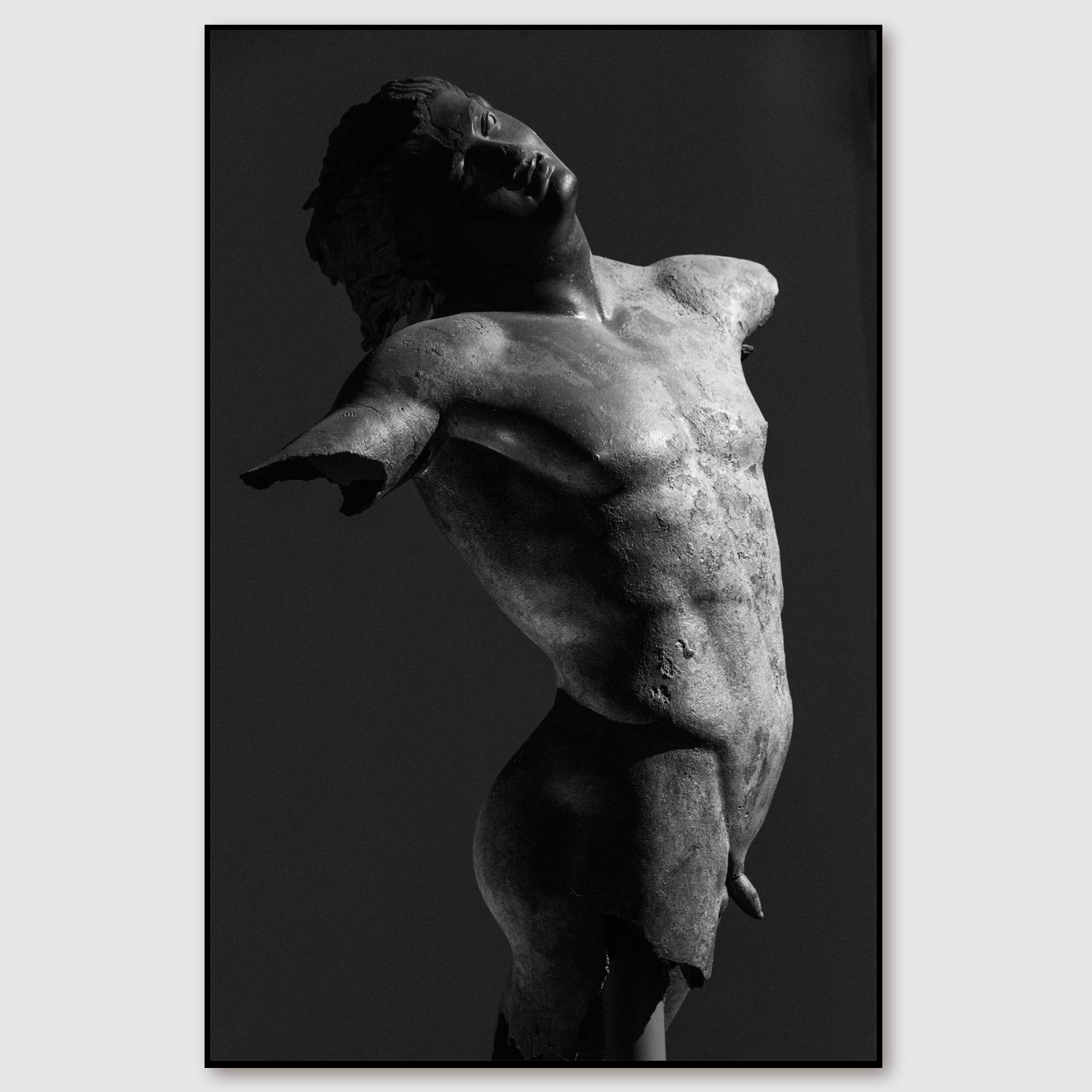
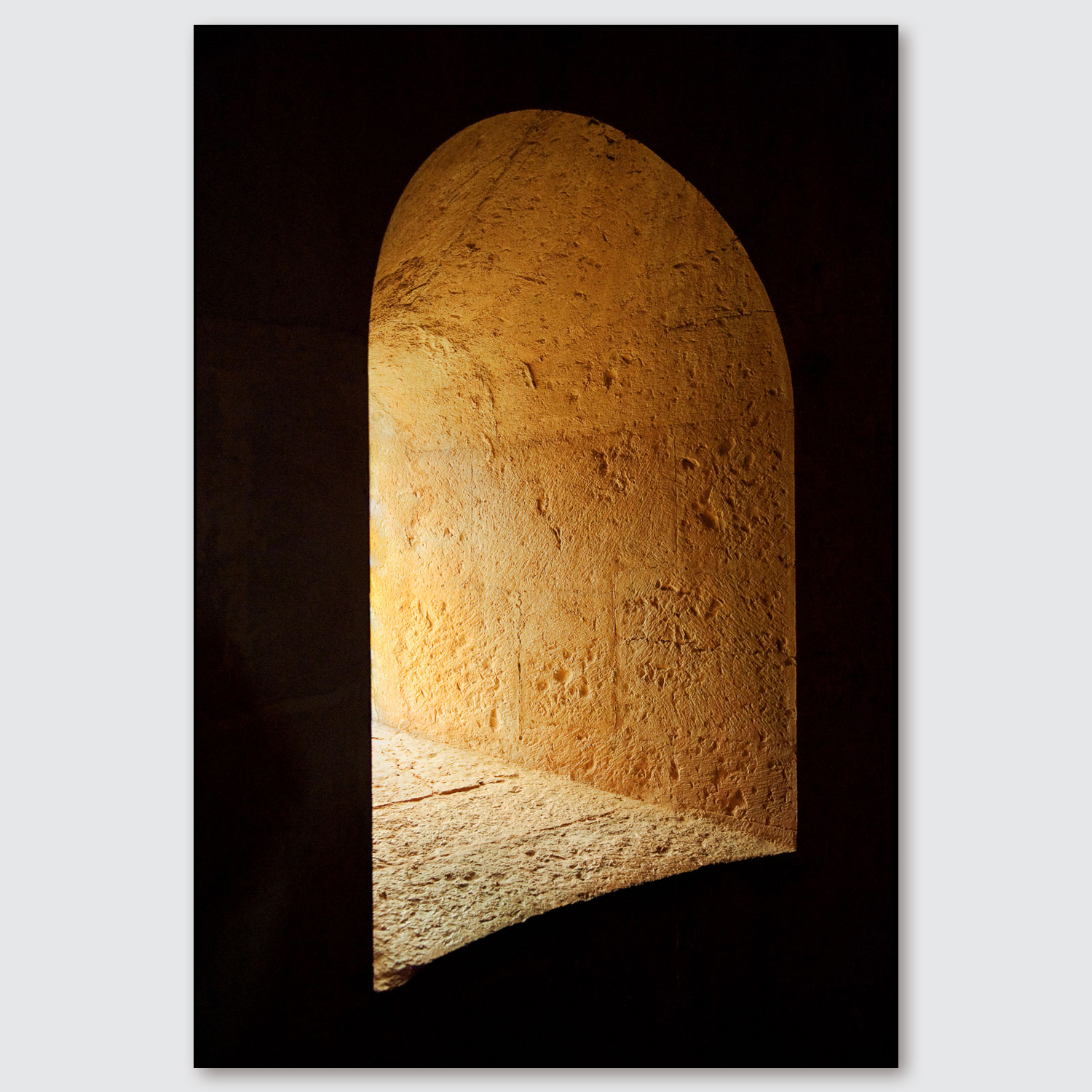
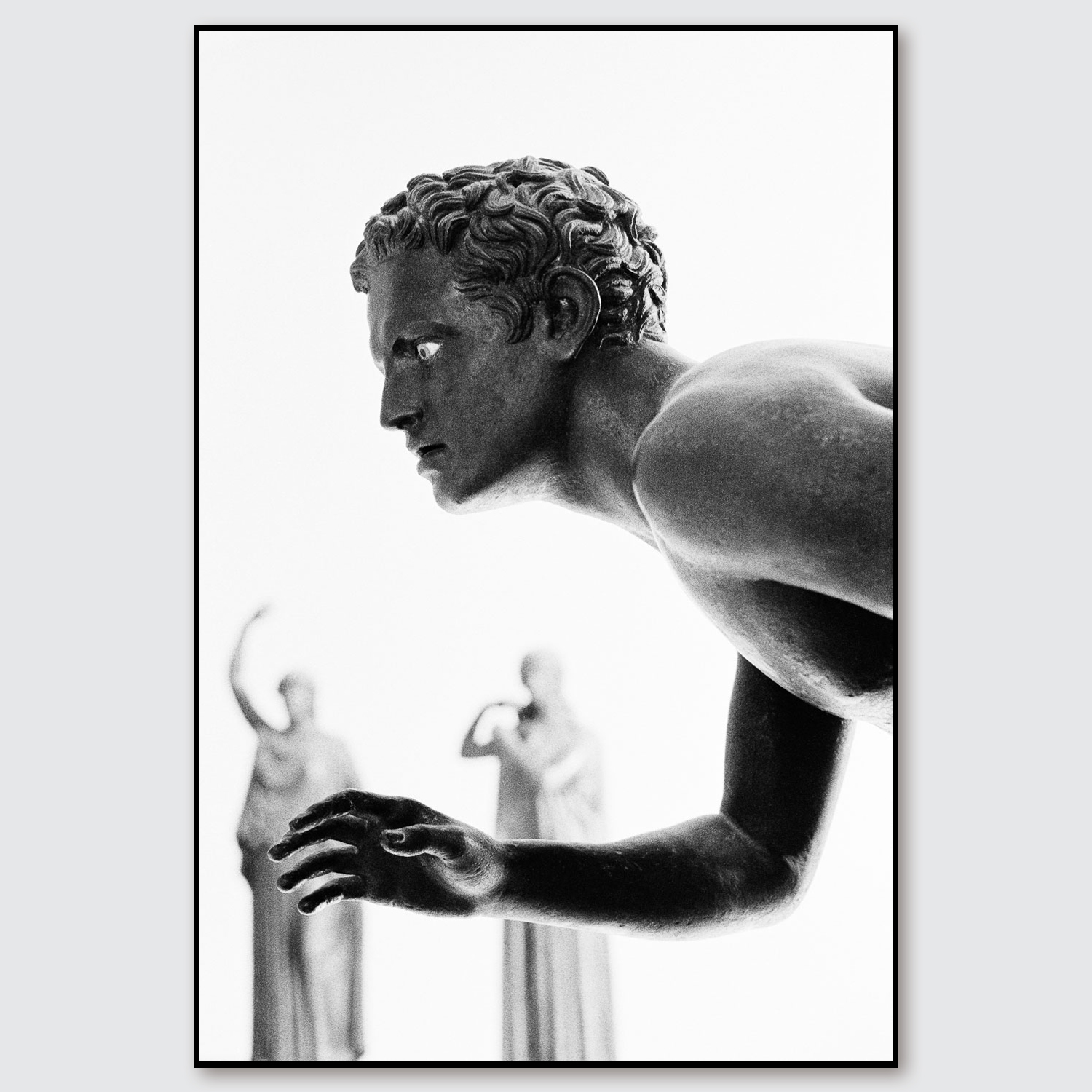
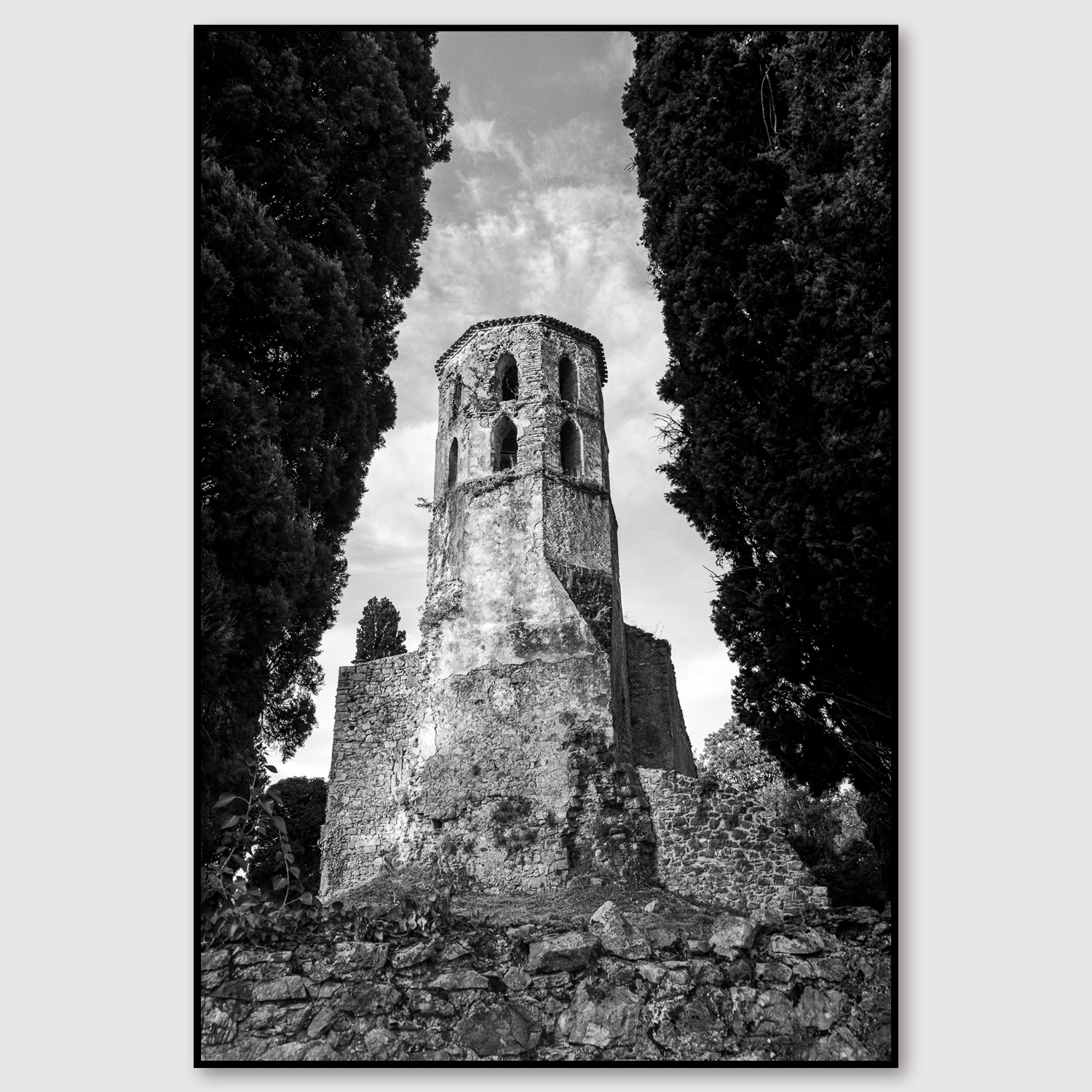
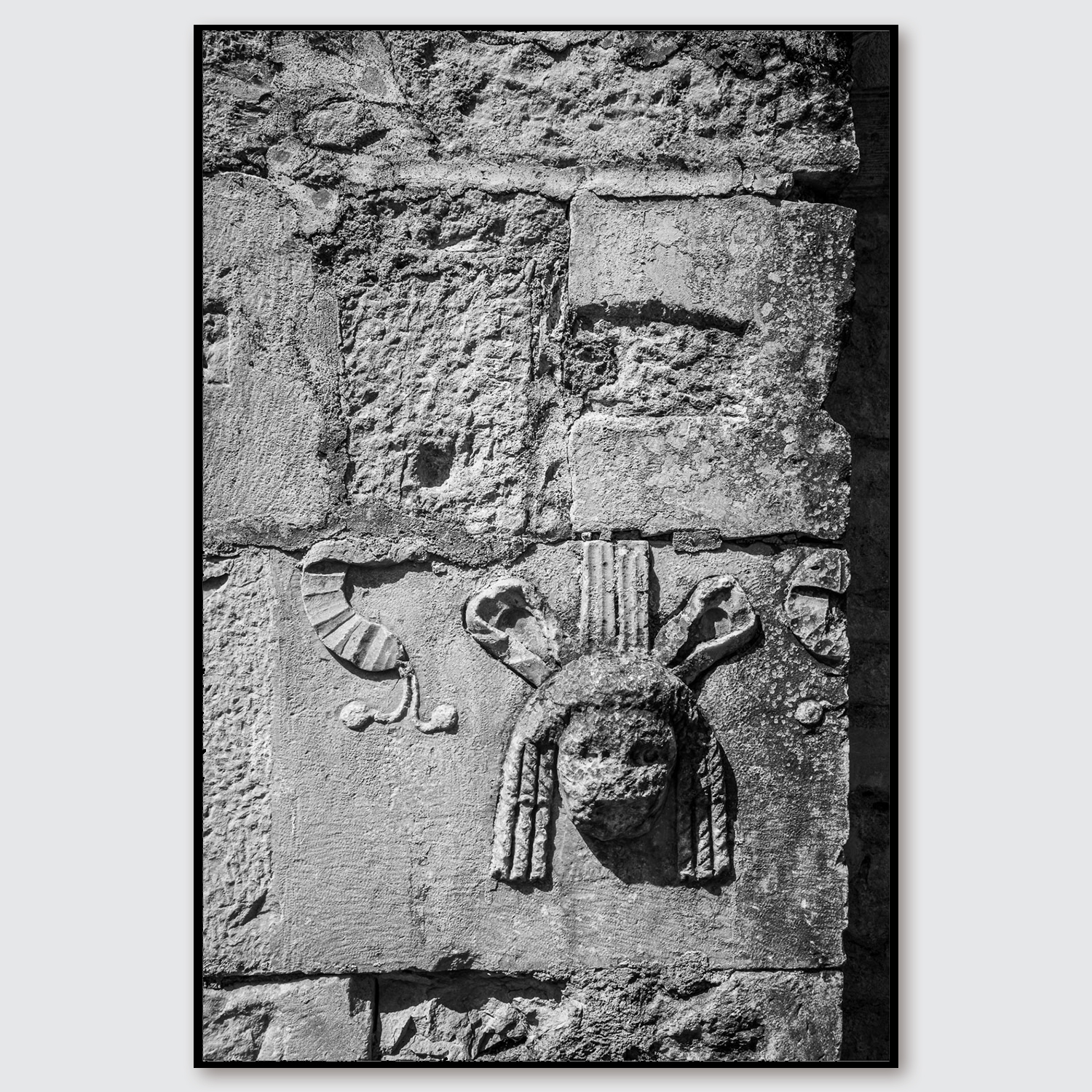
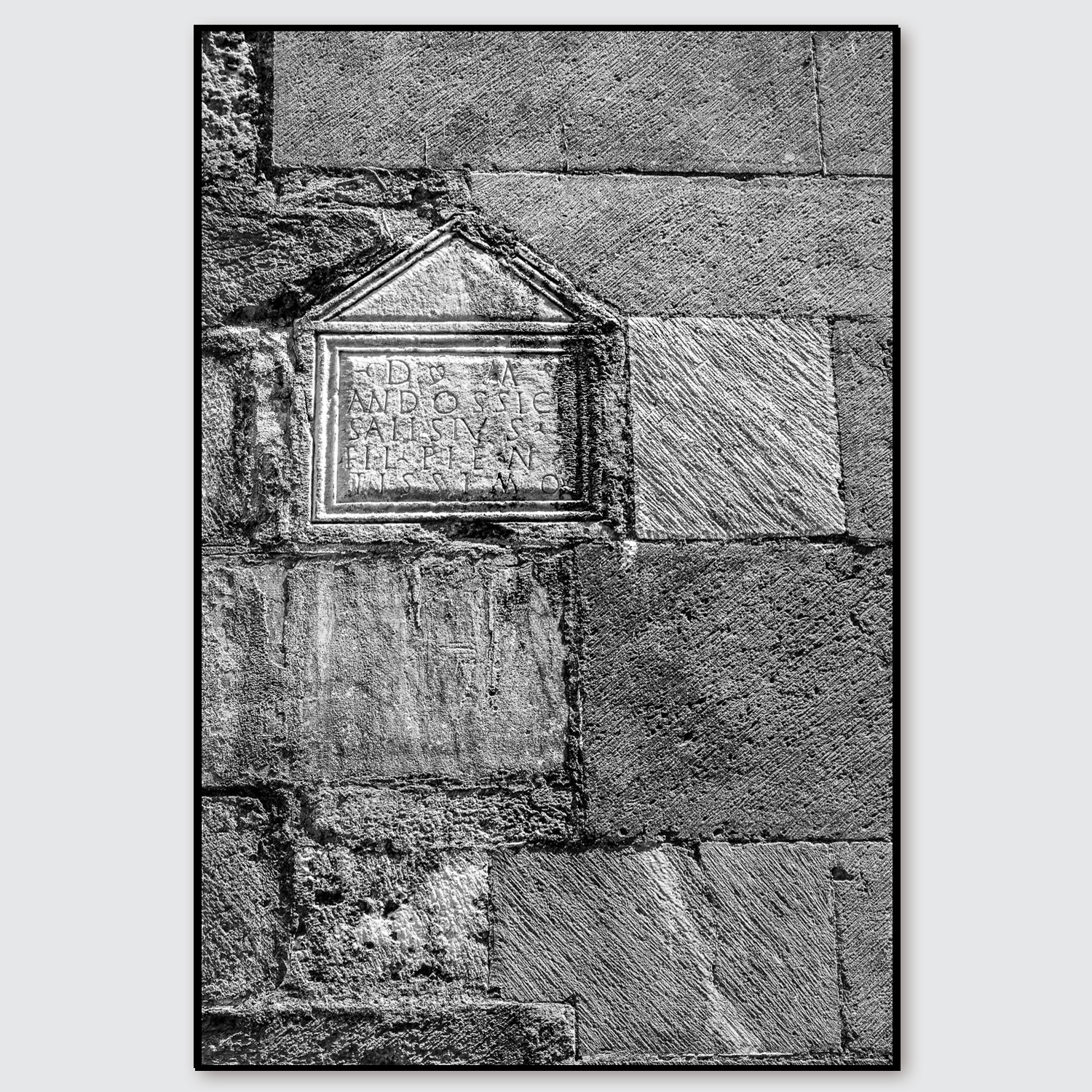
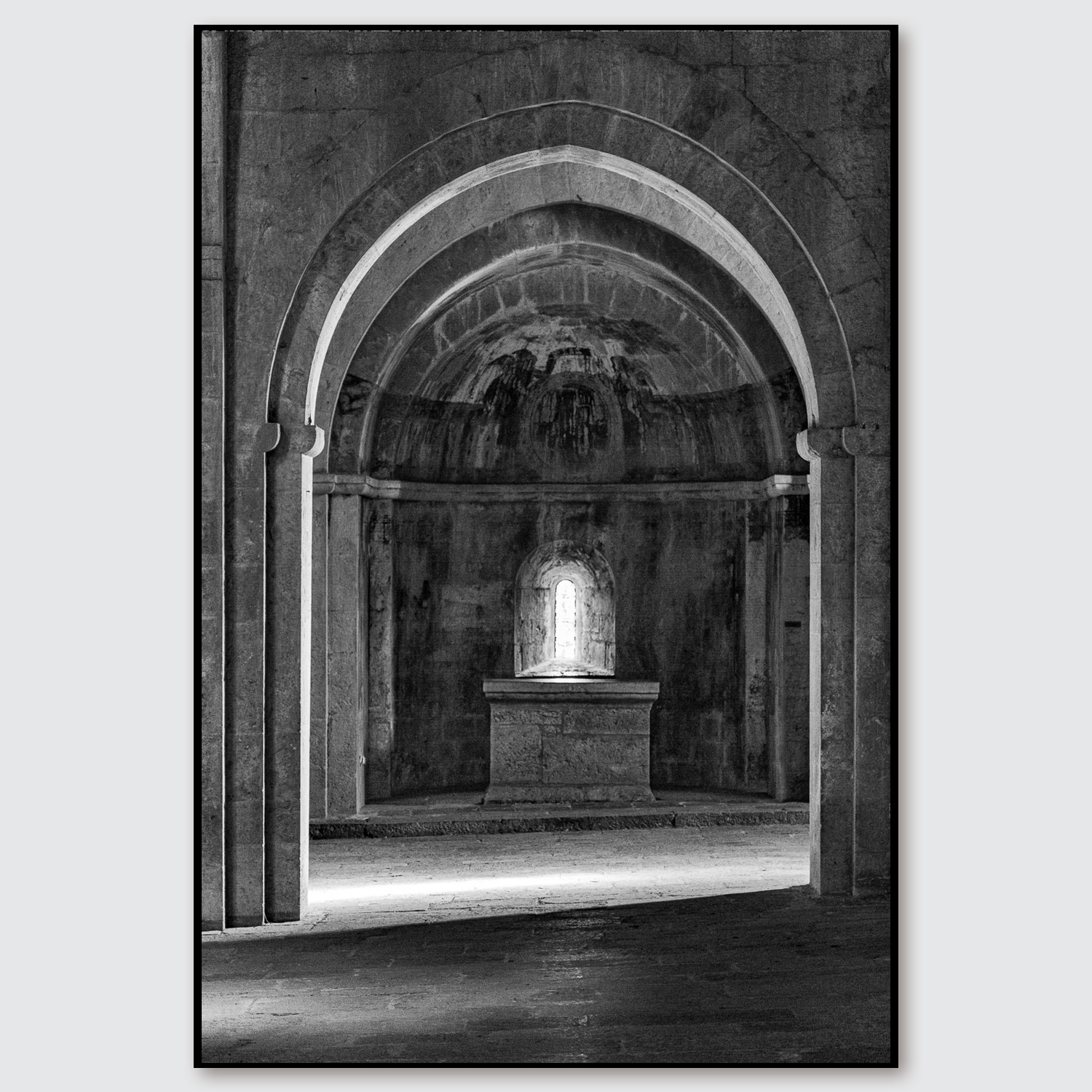
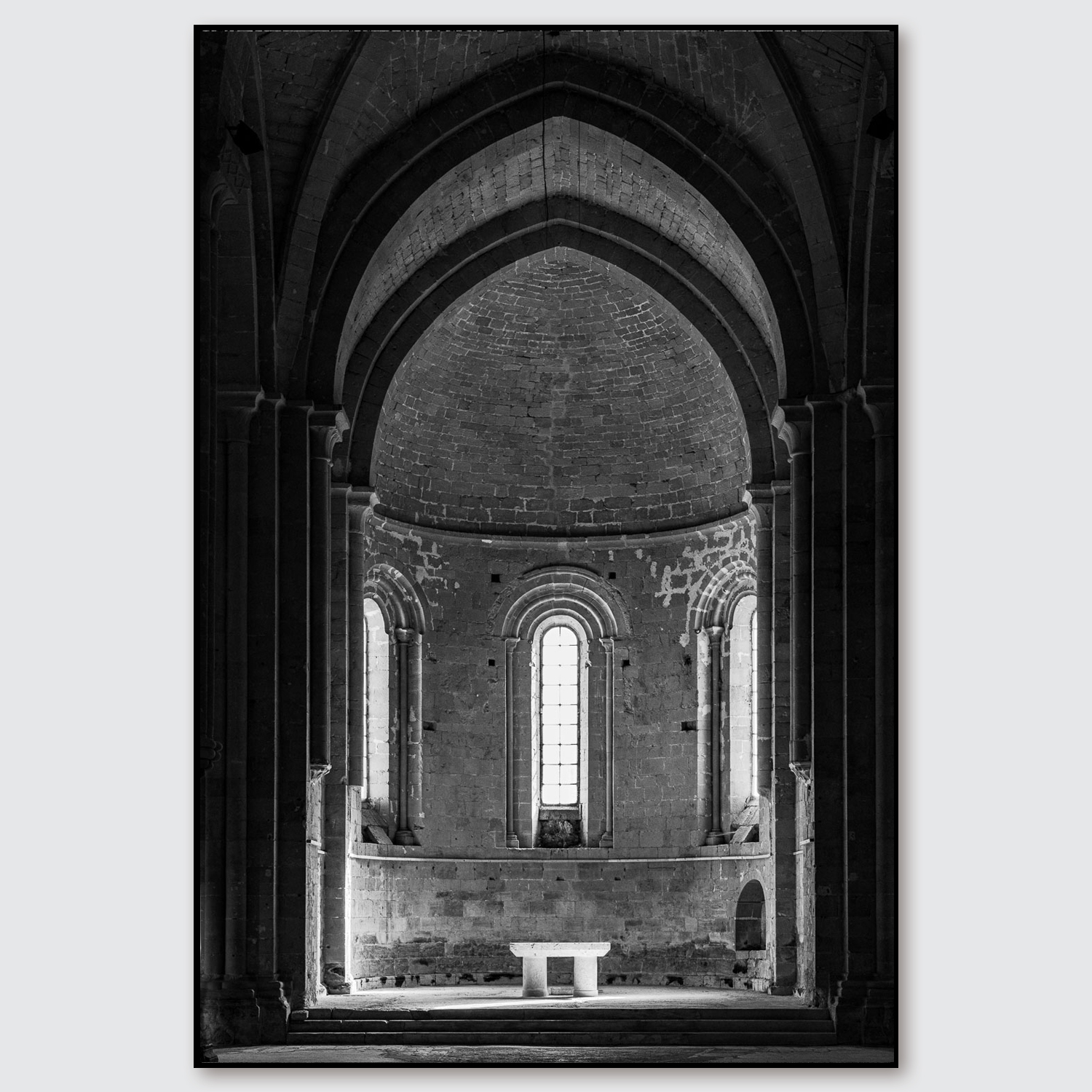
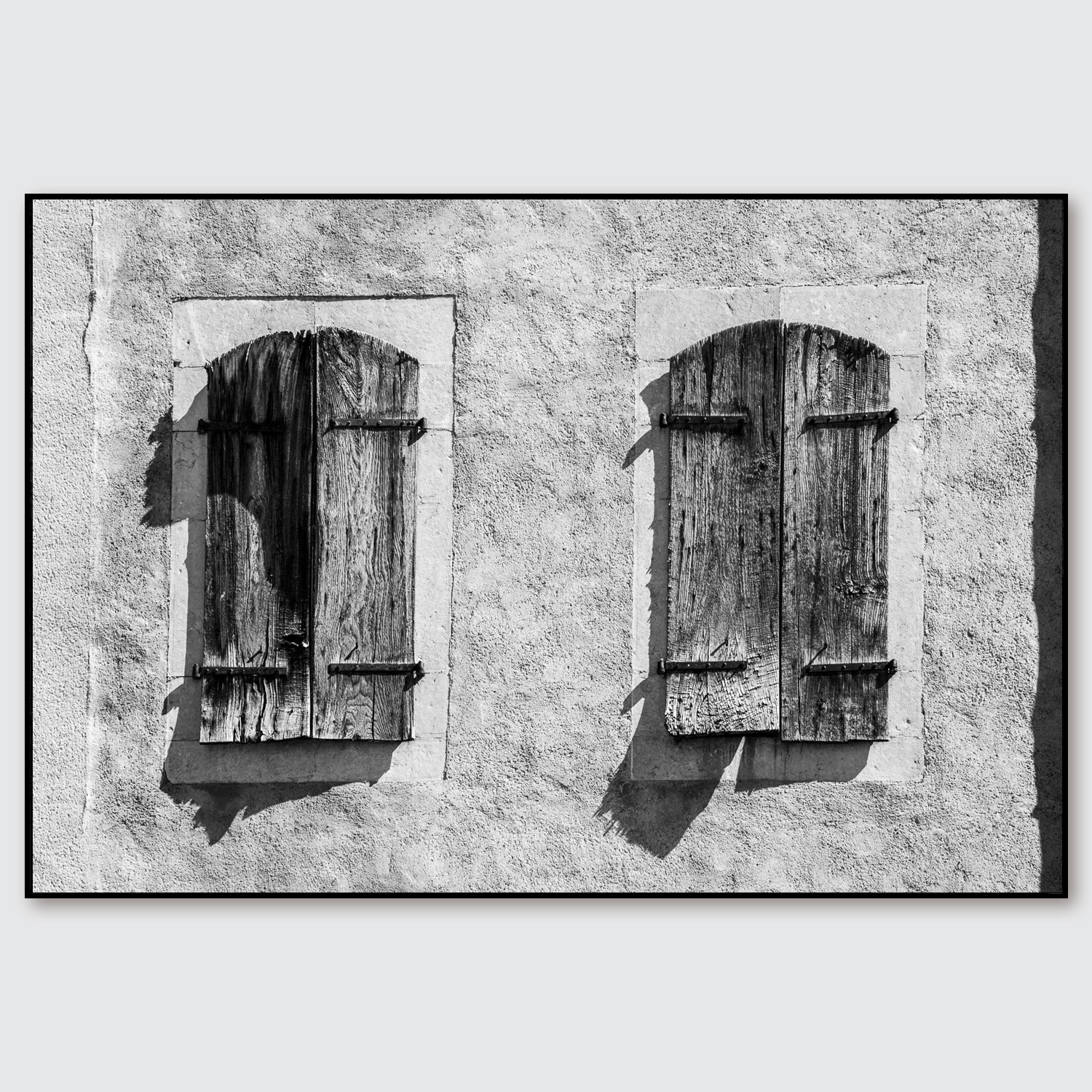
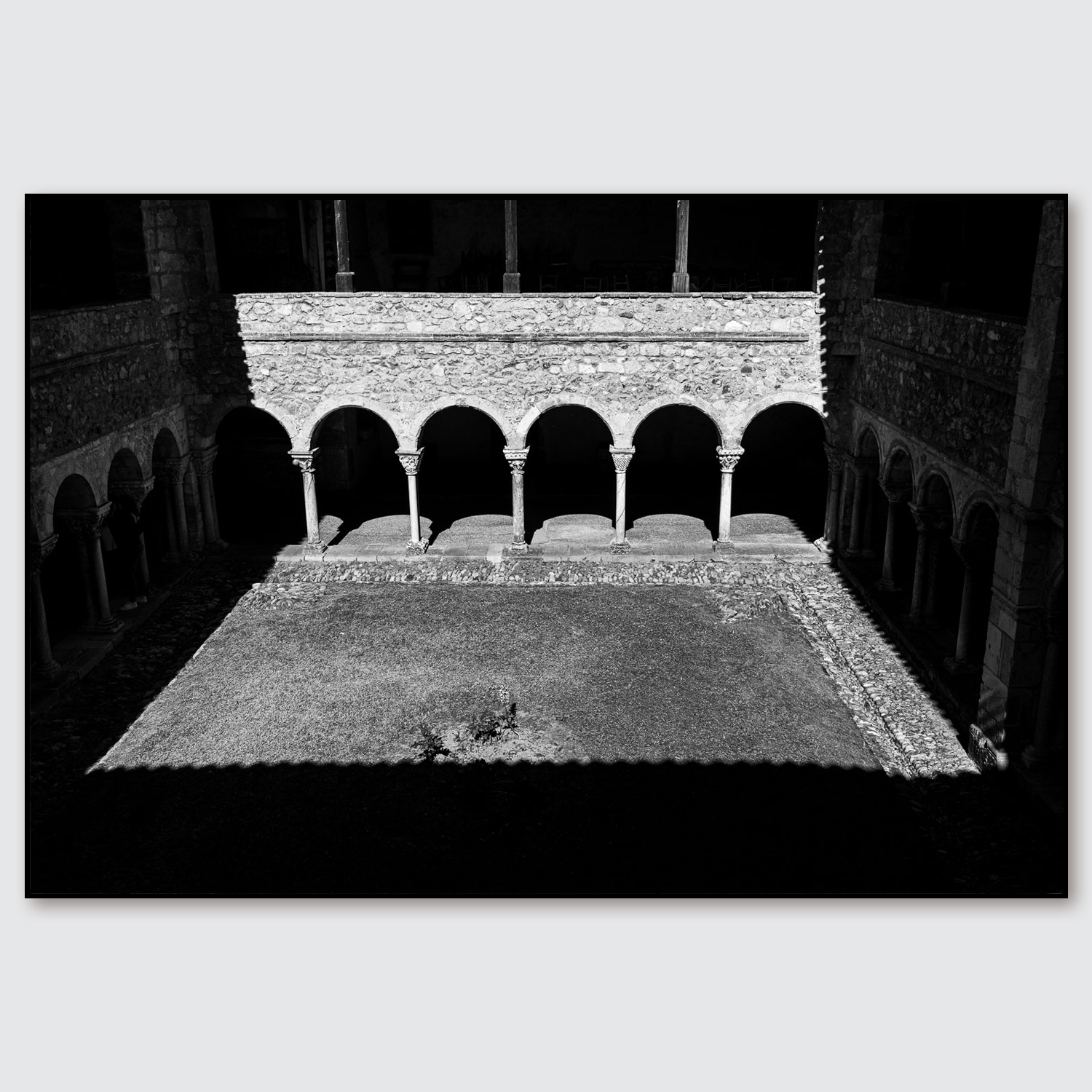
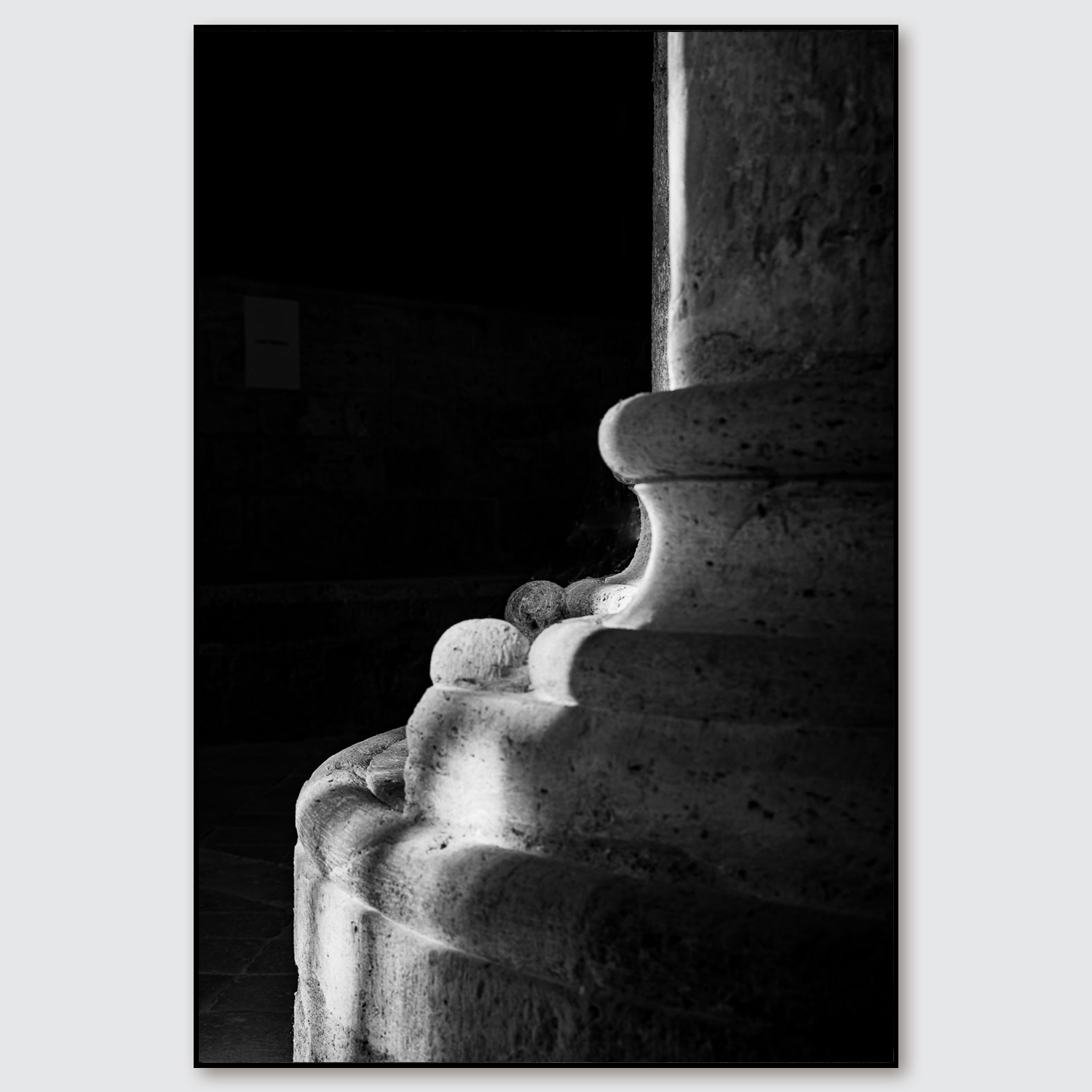
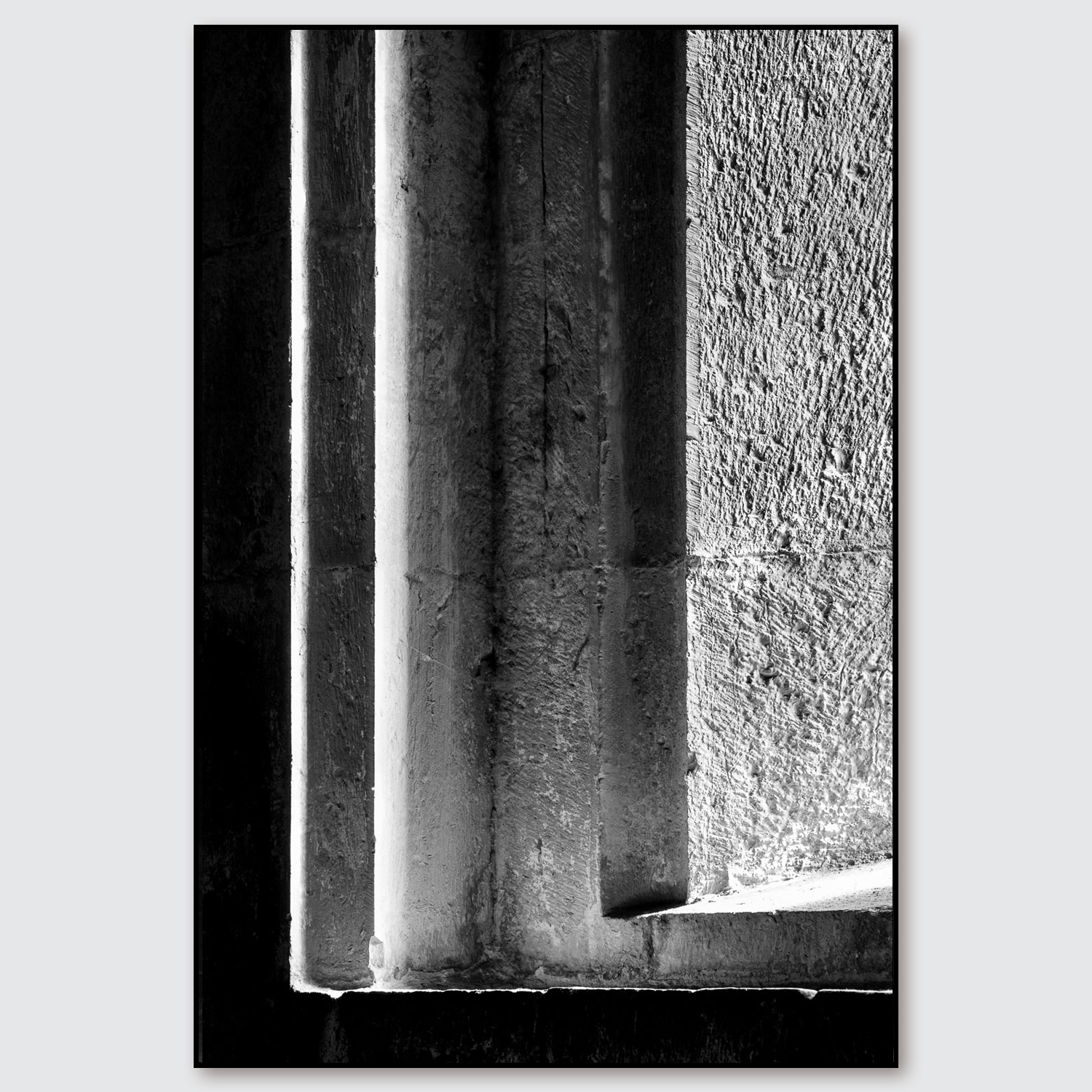
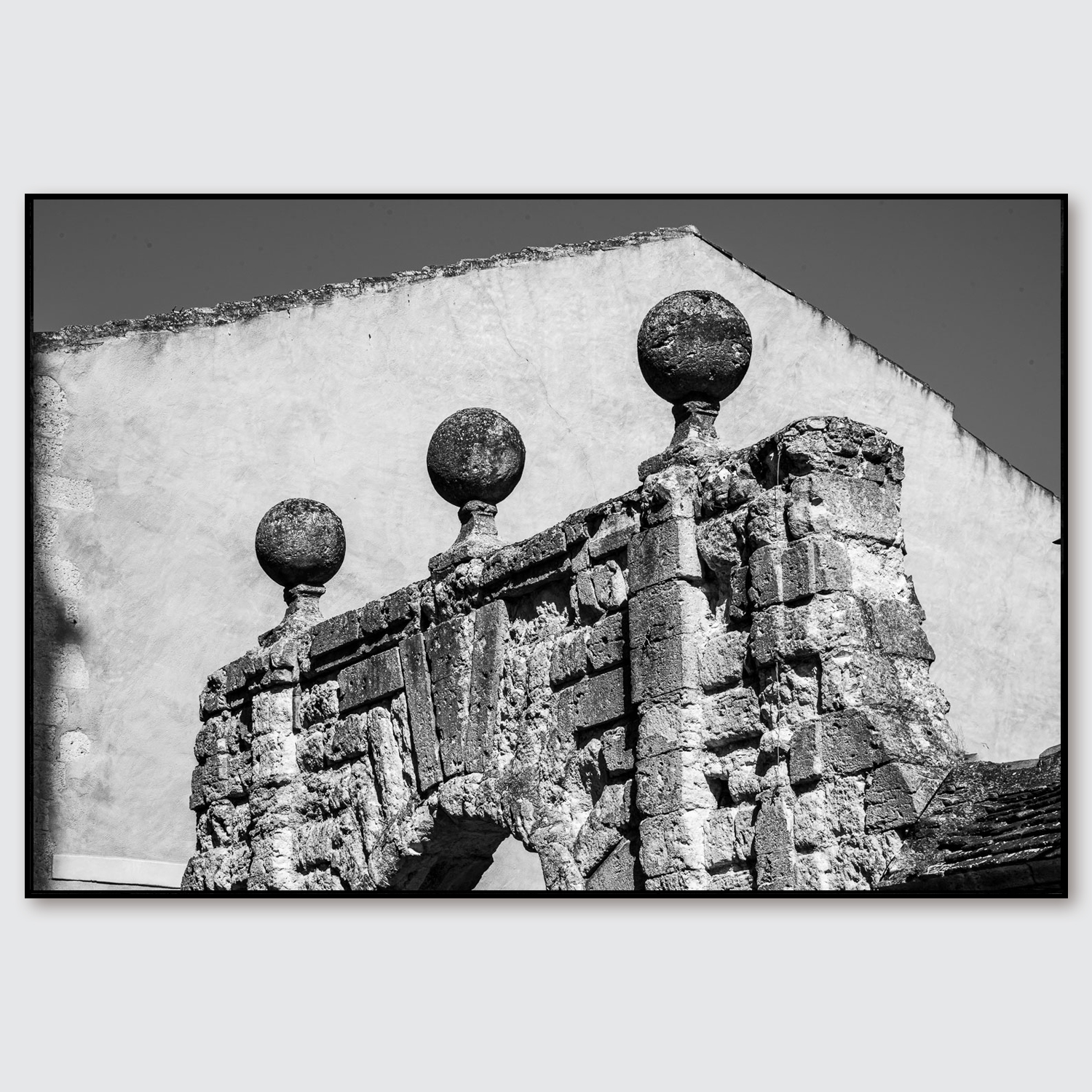
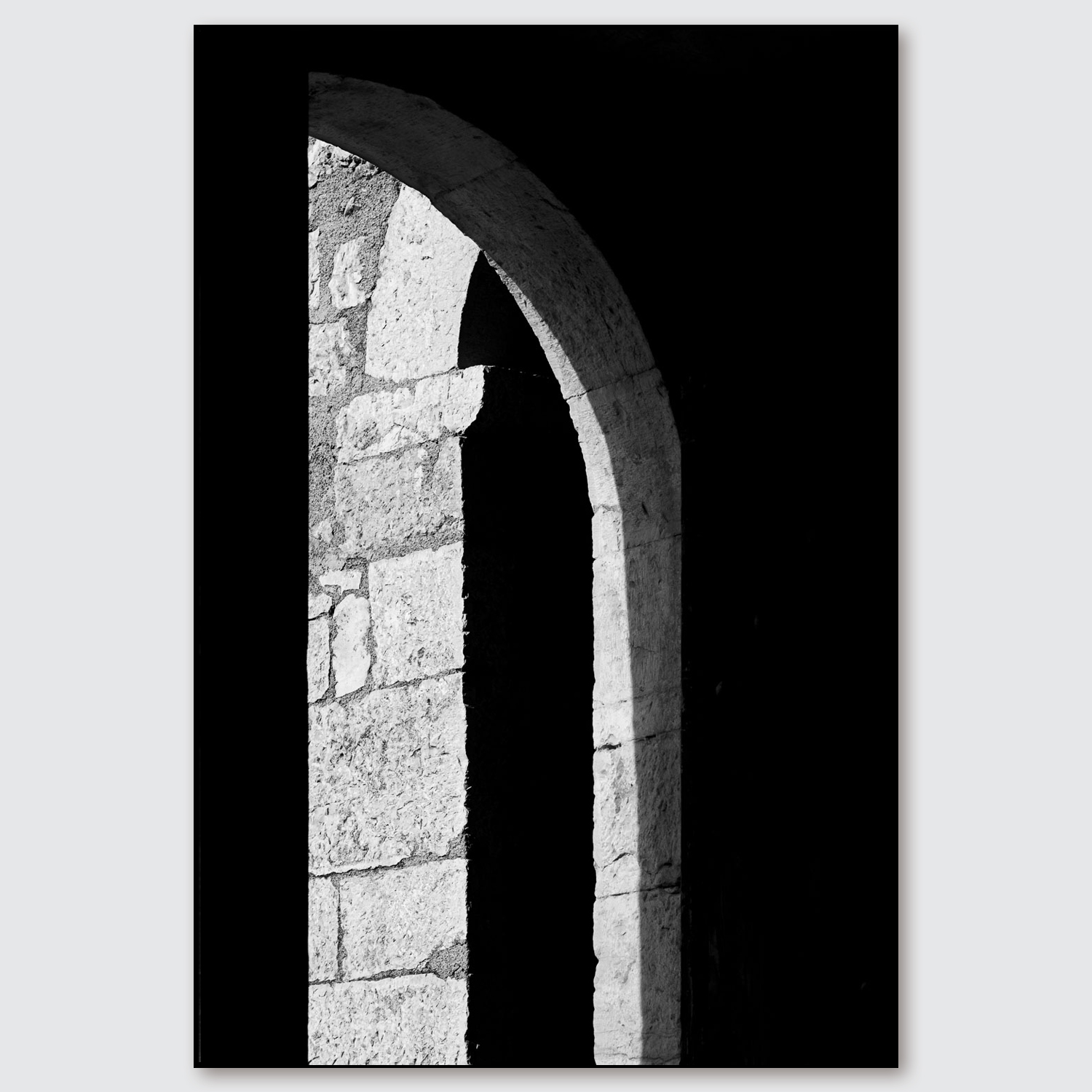
Original author print of a black and white photograph by Ferrante Ferranti. The artist explores the vestiges of the past through the play of shadows and light created by the sun on the ruins. With the soul of an archaeologist, this architect by training combines his photographic work with his passion for antiquity and the Baroque.
Length : 19.69 in / 50 cm
Height : 0.79 in / 2 cm
Width : 15.75 in / 40 cm
Weigth : 4.41 lb / 2 kg
ABDUCTION OF PERSEPHONE, ADRIAN DE VRIES, LOUVRE, PARIS, (1988)
Artist : Ferrante Ferranti
Technique : Original author print of a silver photograph on pearl baryta paper
Supervision: Under glass, black frame and white mat
Dimensions: 34 x 22 cm (frame 50 x 40 cm)
Number of copies: Single signed print.
Year: 1988
Inspiration: At the Louvre Museum in Paris, Ferrante Ferranti captures the whirling power of Adriaen de Vries‘ sculptural group The Rape of Persephone, inspired by the myth of Persephone.
The photograph reveals the dramatic momentum of the composition: the intertwined bodies unfold in a spiral movement, where the tension of the muscles and the fluidity of the bronze seem to be animated by an invisible force.
Through the play of light and shadow, Ferrante Ferranti accentuates the theatricality of the scene, transforming this Mannerist sculpture into an almost cinematographic vision, suspended between mythological violence and formal beauty.
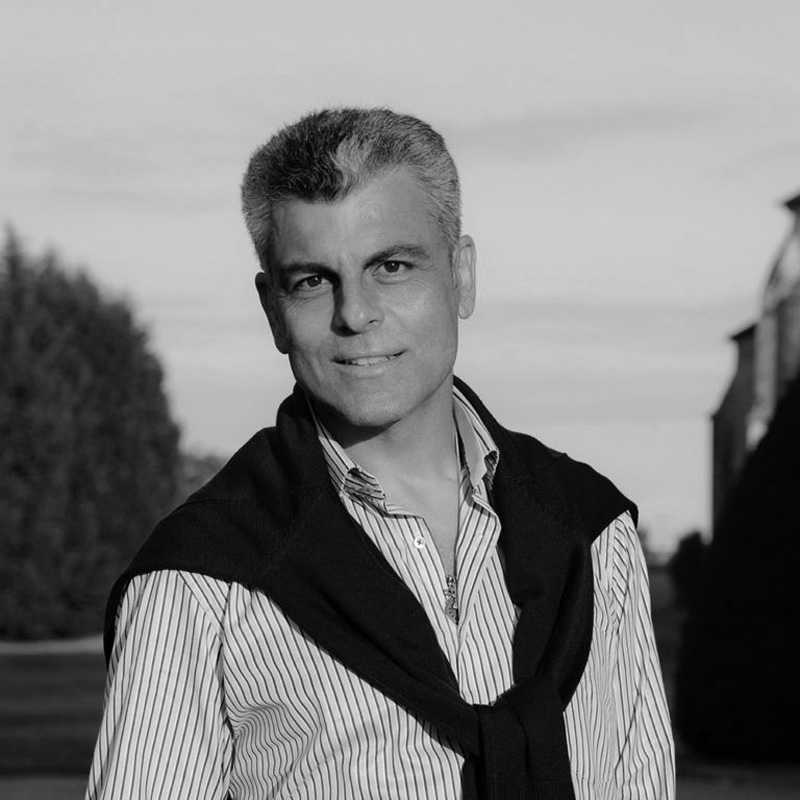
Ferrante Ferranti
FRANCE
Born January 13, 1960 in Algeria, of a Sardinian mother and a Sicilian father. He took his first photograph at the age of eighteen, a wave in Belle-Île-en-Mer. Passionate about Fernand Pouillon’s book, Les Pierres Sauvages, he began training as an architect in Toulouse, which he completed at Paris-UP6 in 1985 with a diploma in Theaters and scenography in the Baroque era. Traveling photographer, he has been involved for thirty years with Dominique Fernandez in a joint exploration of the Baroque and the different layers of civilizations, from Syria to Bolivia via Sicily and Saint Petersburg. His photographs dialogue with the texts of the writer, who defines him in the album Itinerrances (Actes Sud, 2013) as “the inventor of a language which links the sun to the ruins, in search of the meaning hidden in the forms” .
Collection

Customizable
Customizable
Customizable
Customizable
Customizable
Customizable
Customizable
Customizable
Customizable
Customizable
Customizable
Customizable

Customizable

Customizable
Customizable
Customizable
Customizable
Customizable
Customizable
Customizable
Customizable
Customizable
Customizable
Customizable
Customizable
Customizable
Customizable
Customizable
Customizable
Customizable
Customizable
Customizable
Customizable