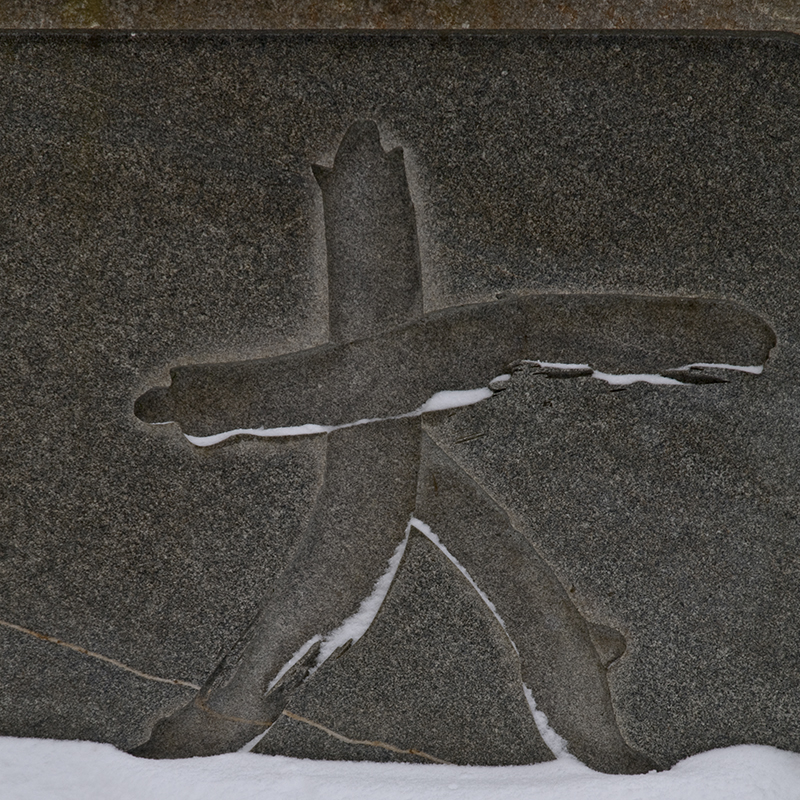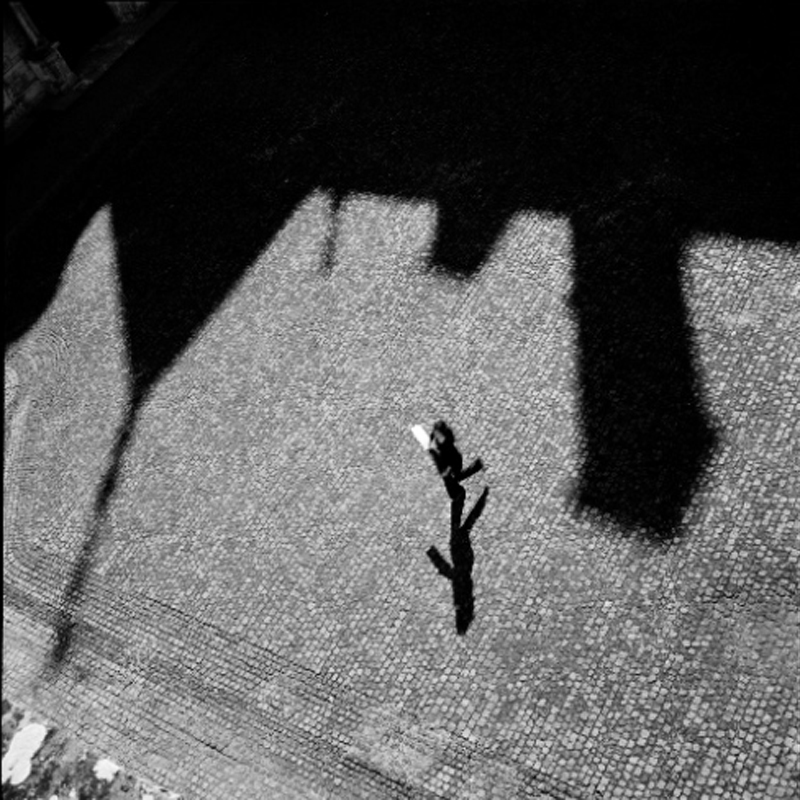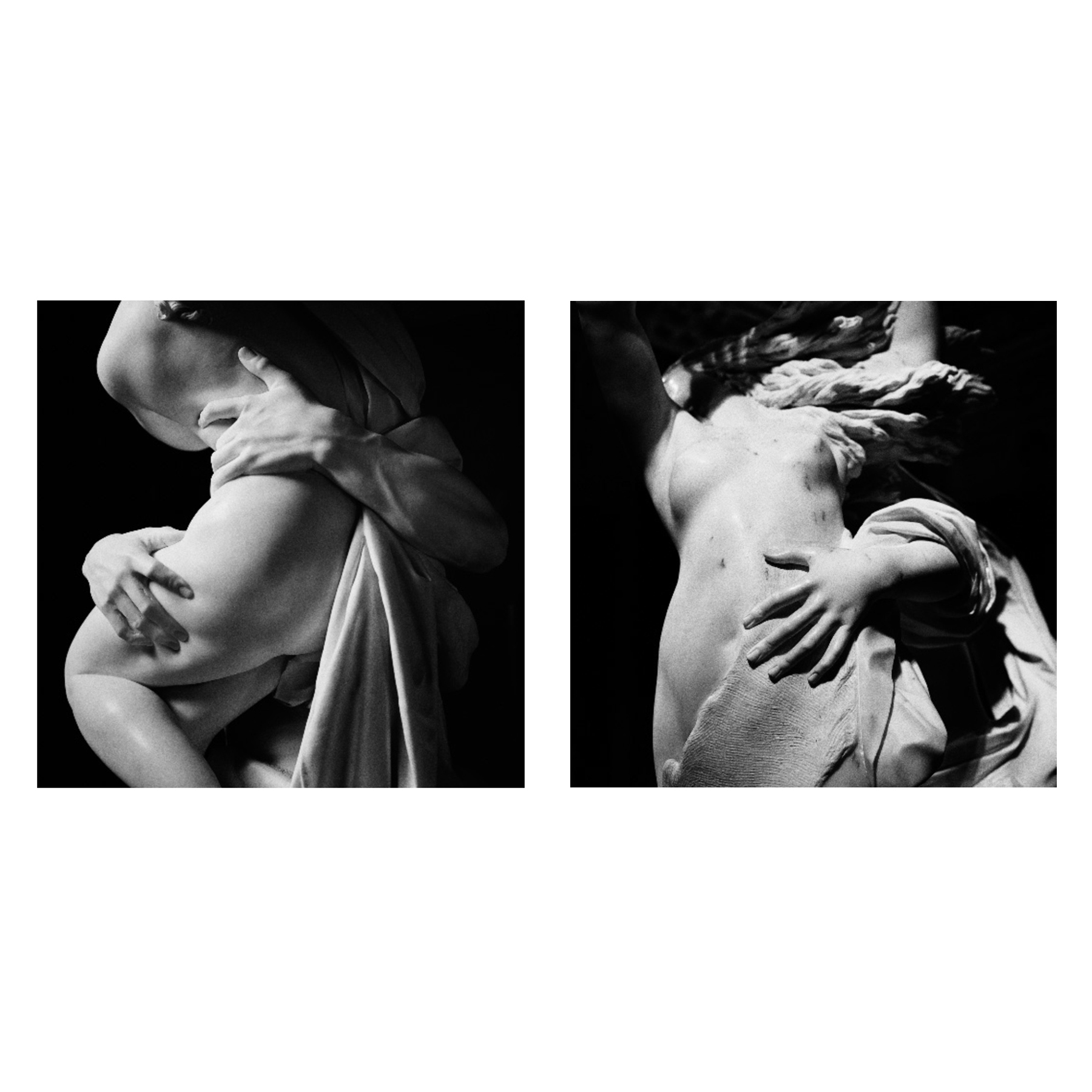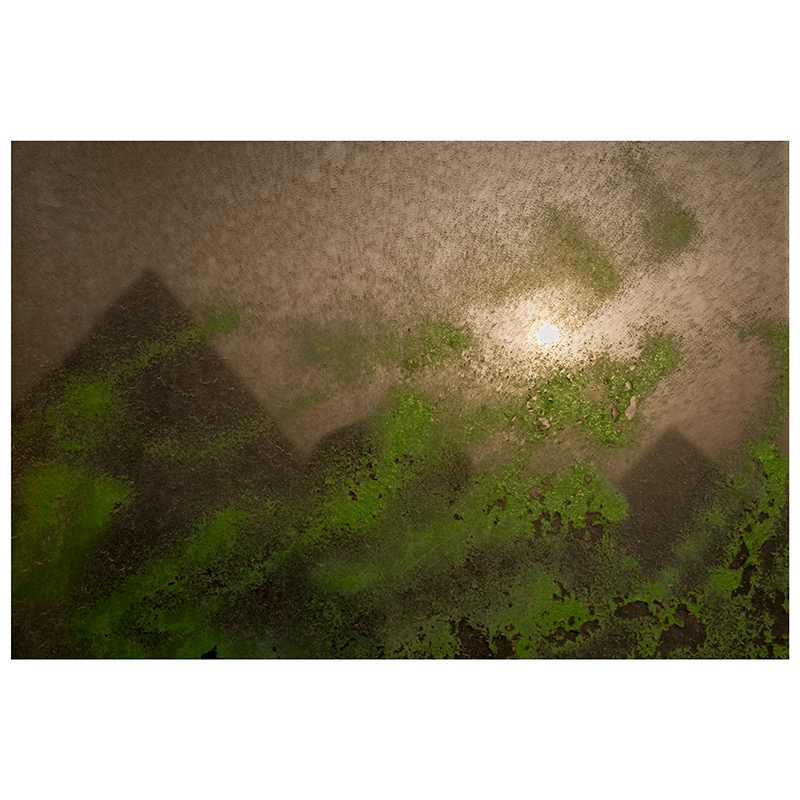
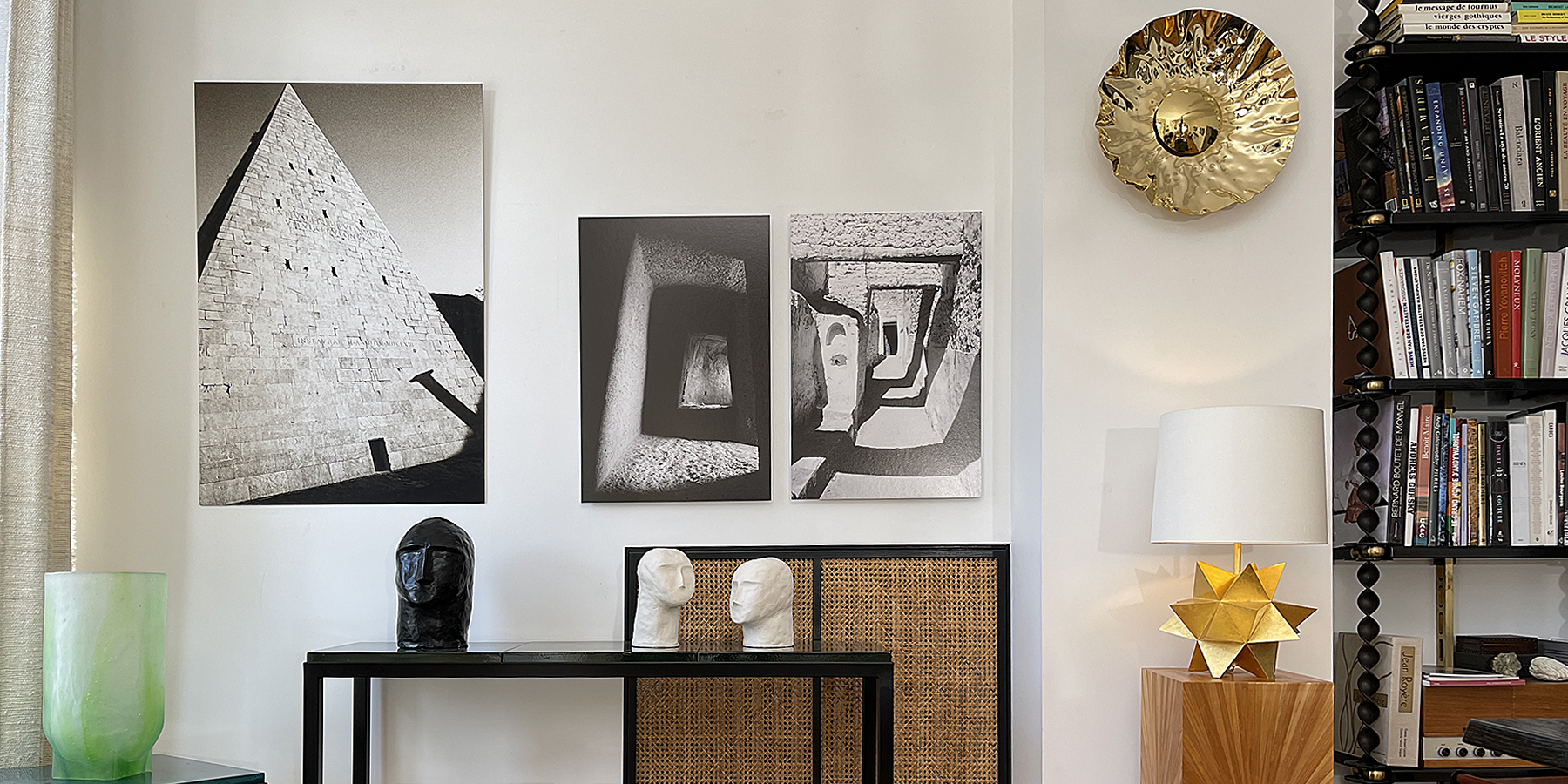
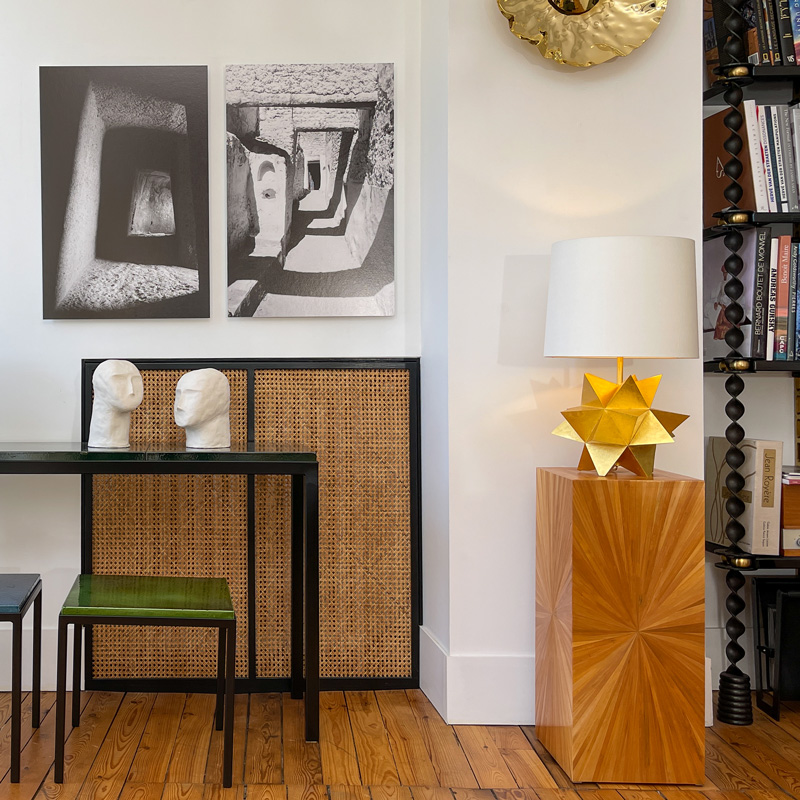
DYPTICS WILD STONES (2007 – 2010)
Référence :
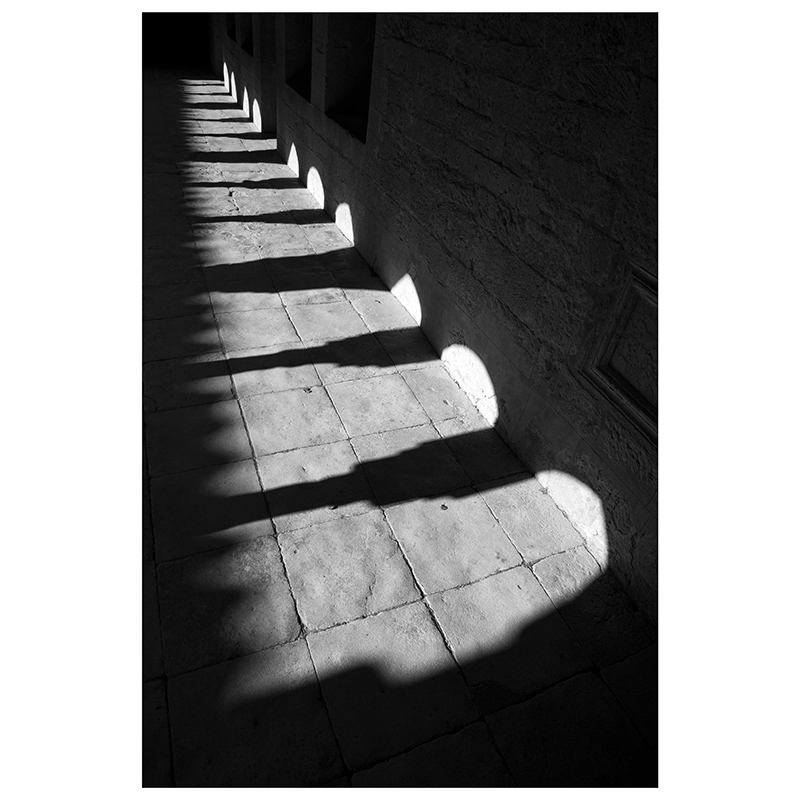
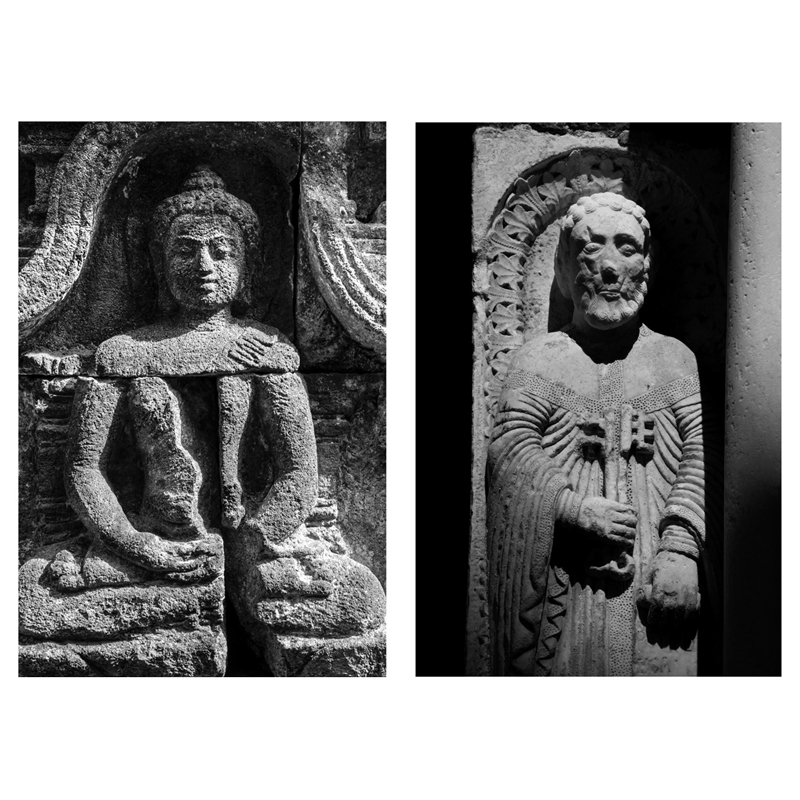
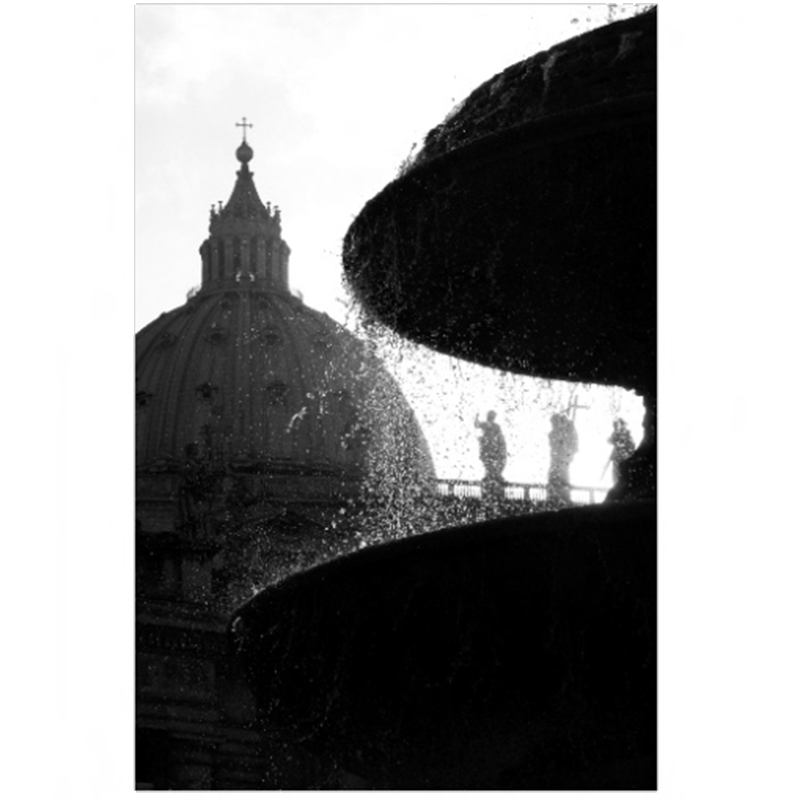
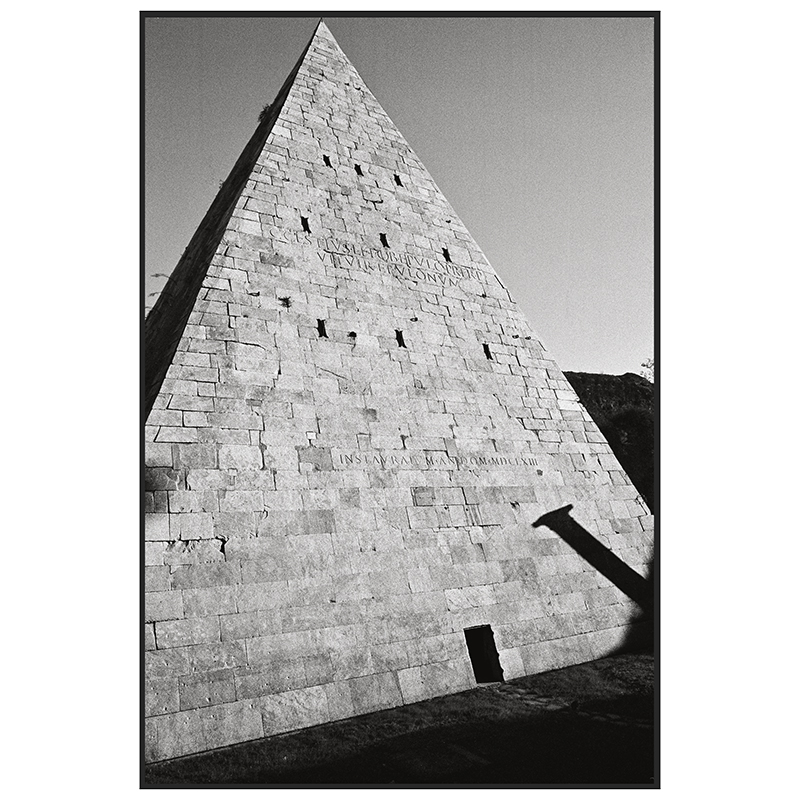
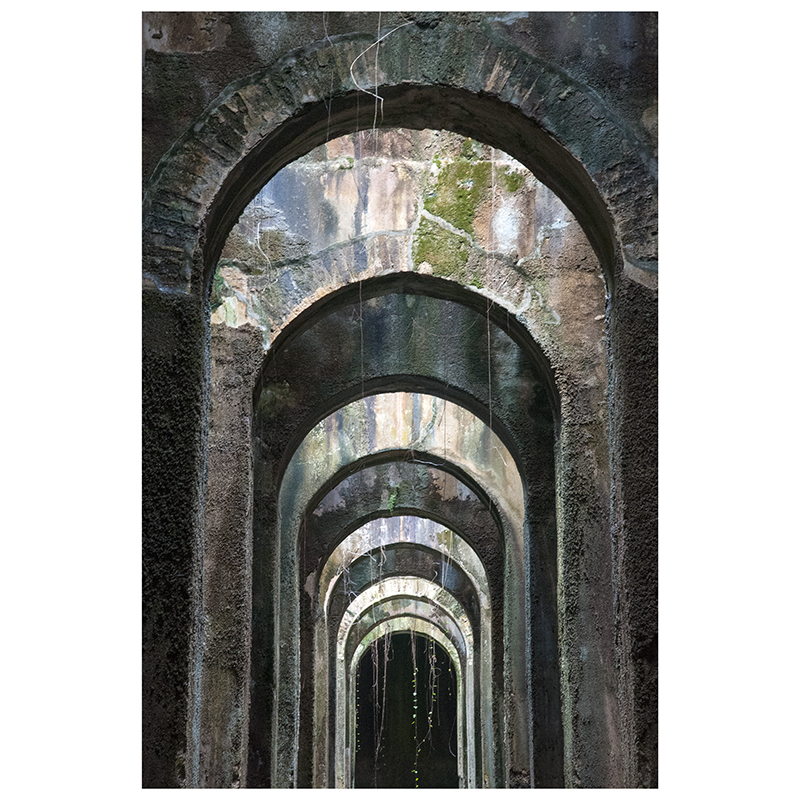
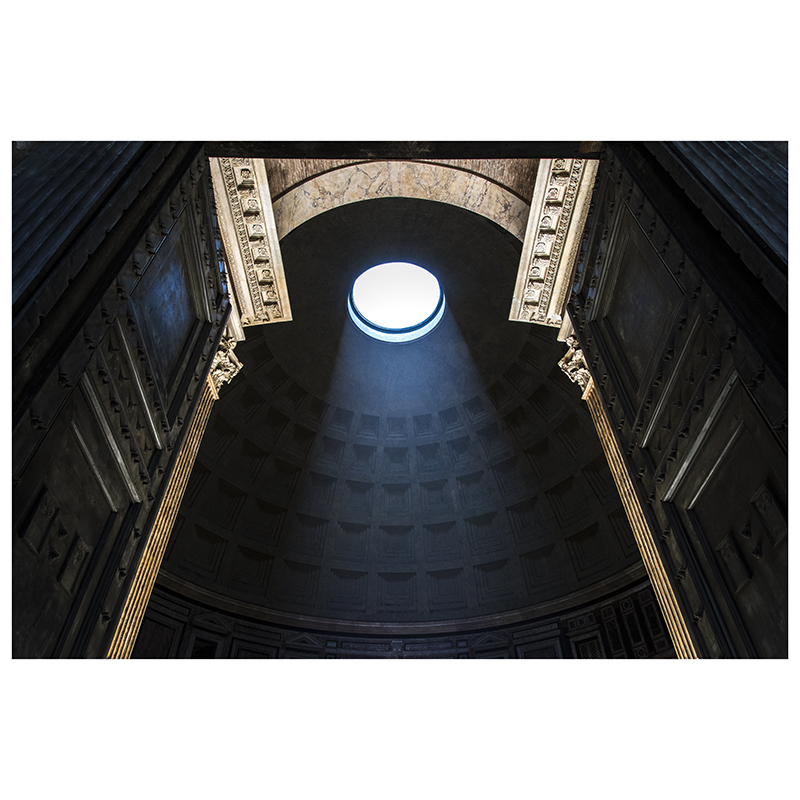
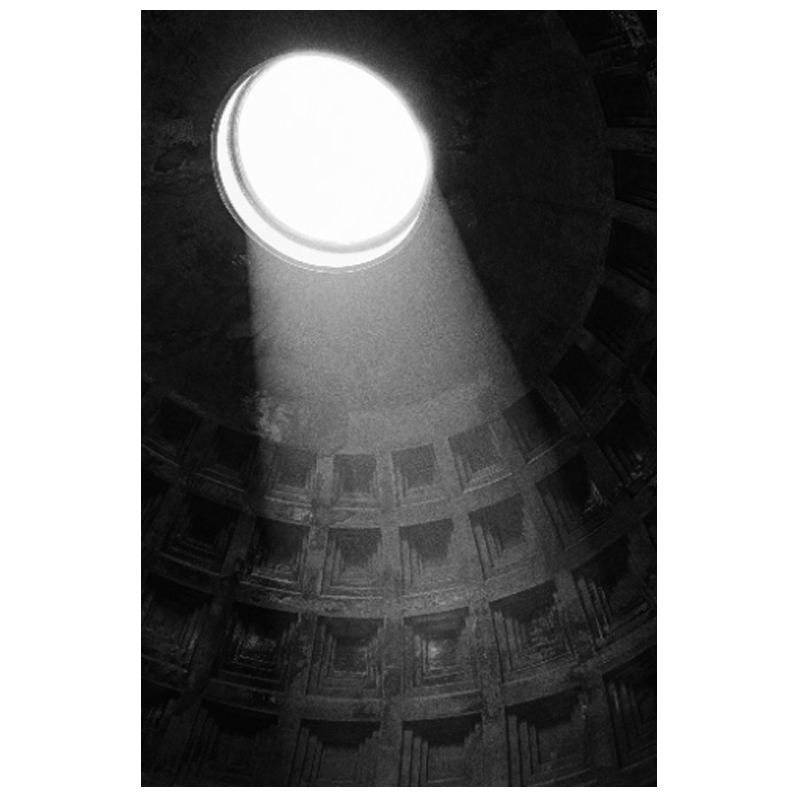
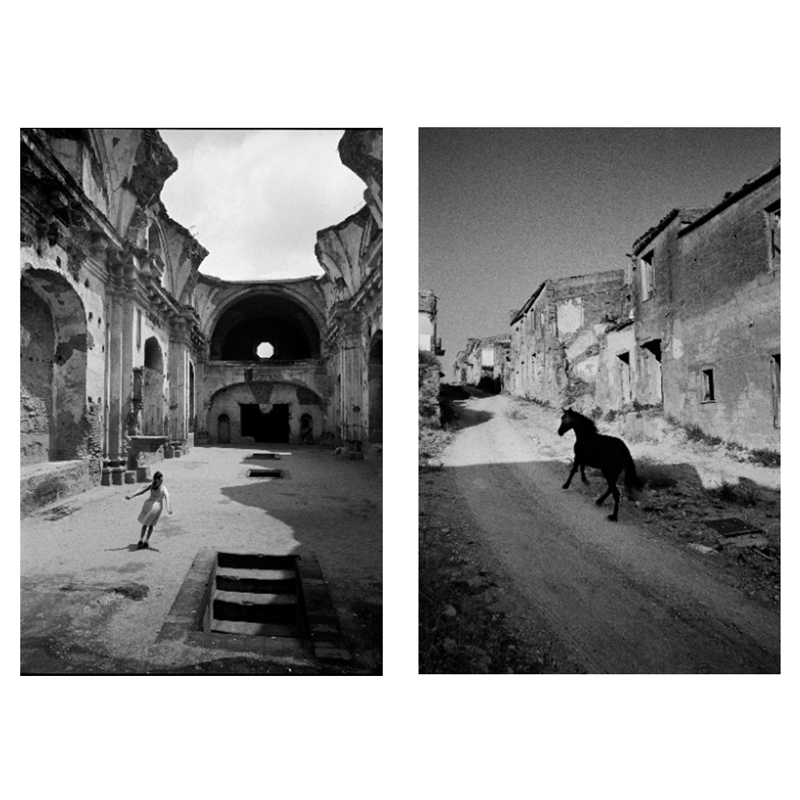
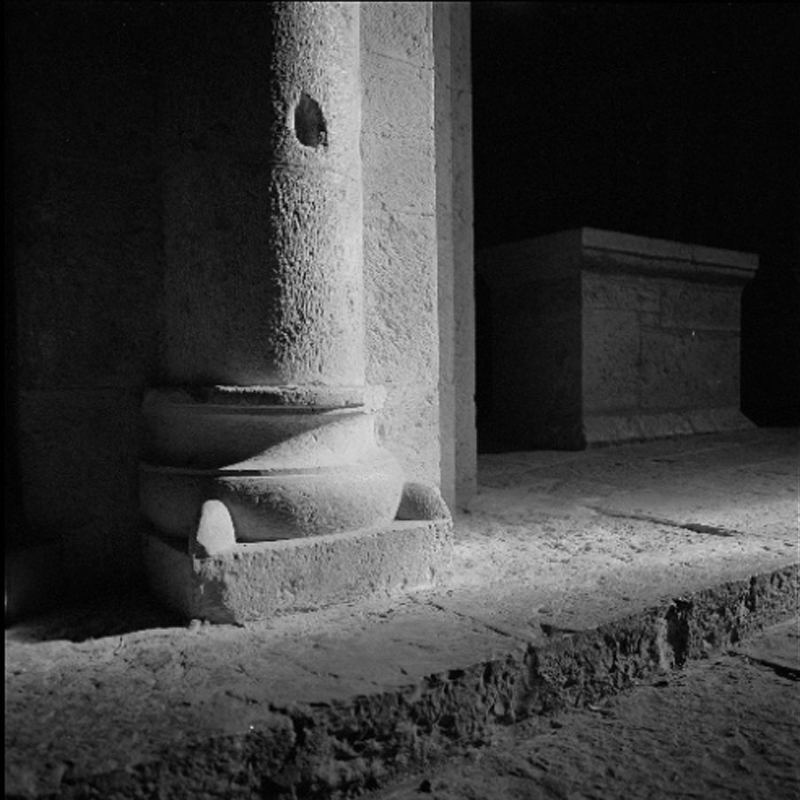
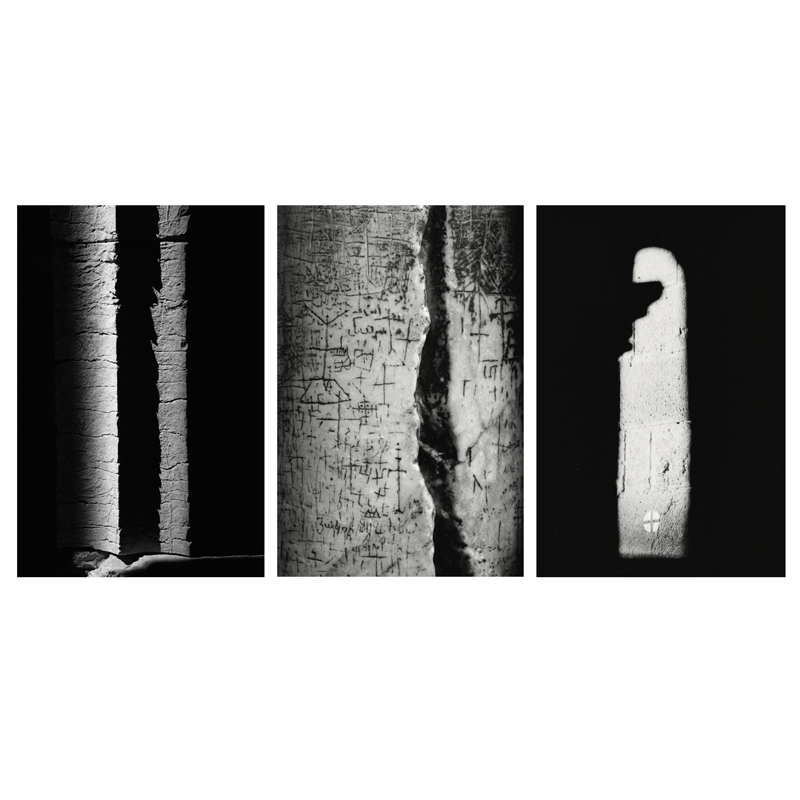
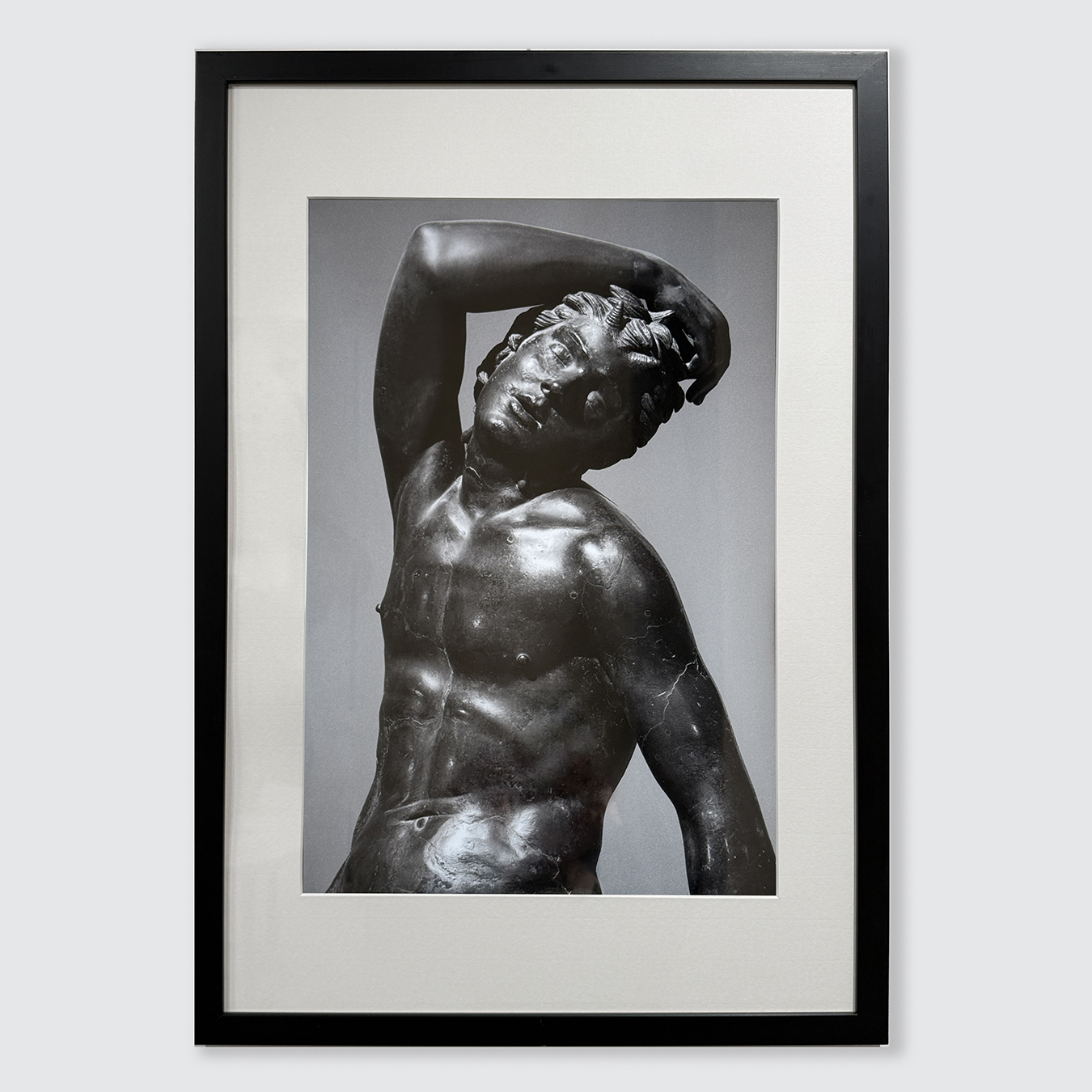
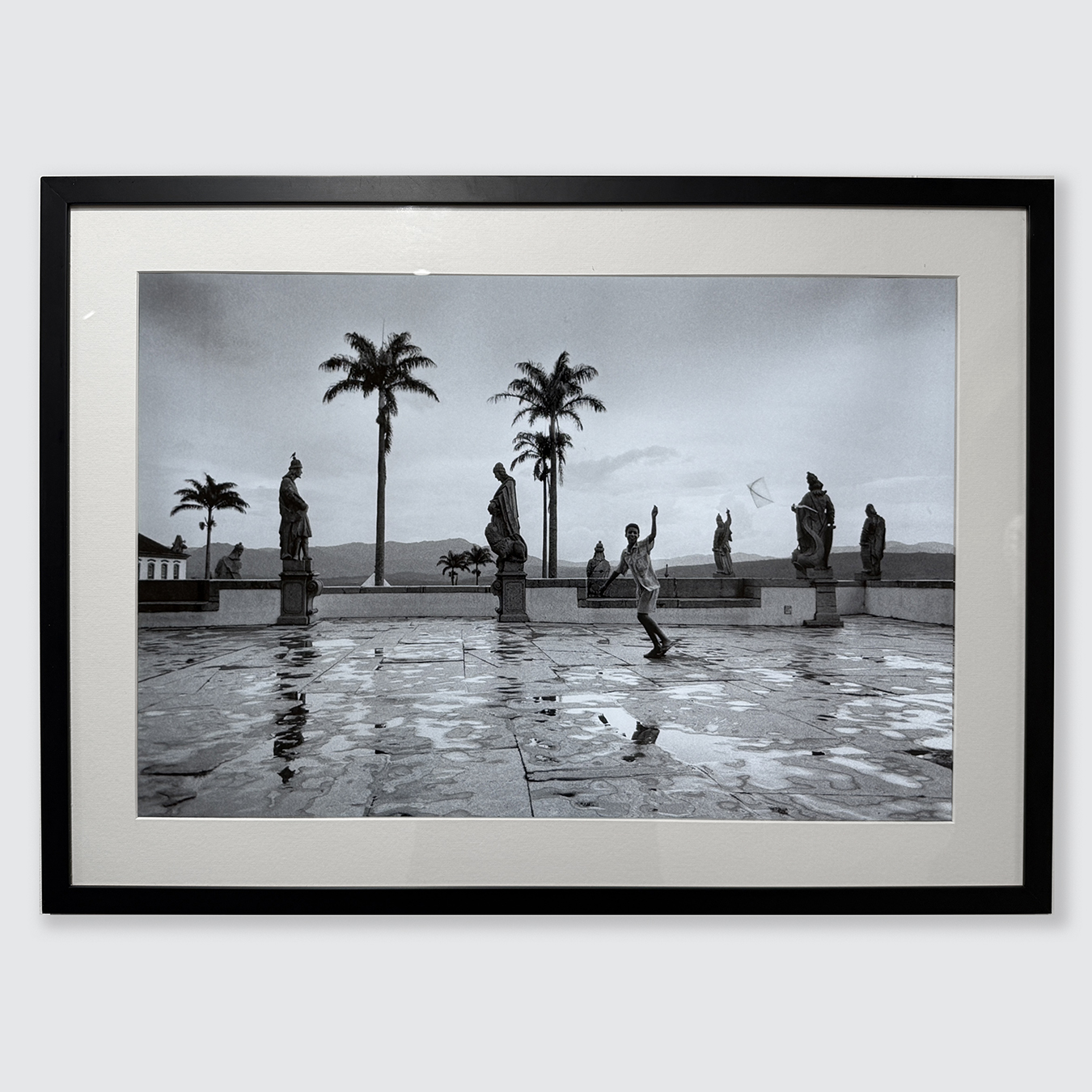
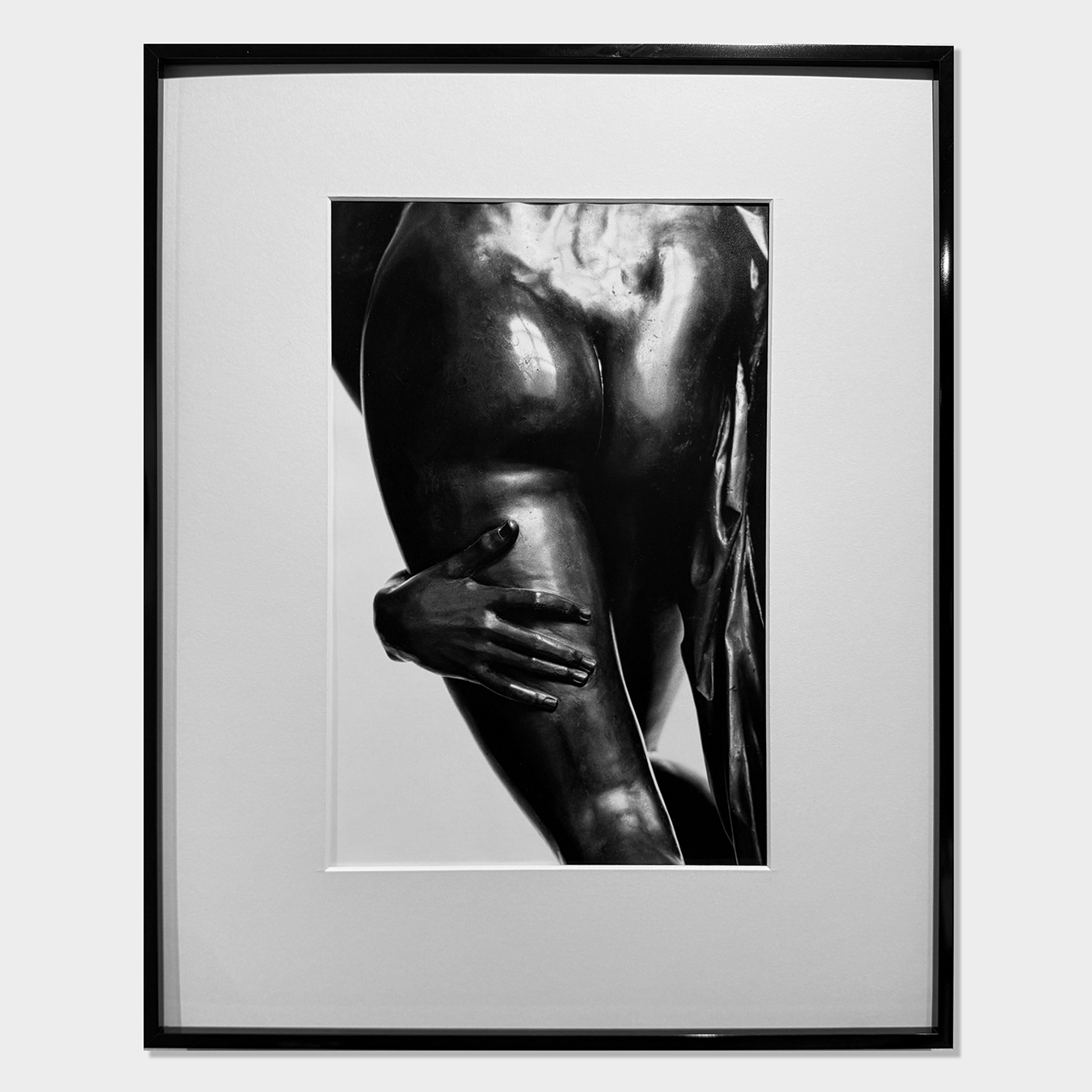
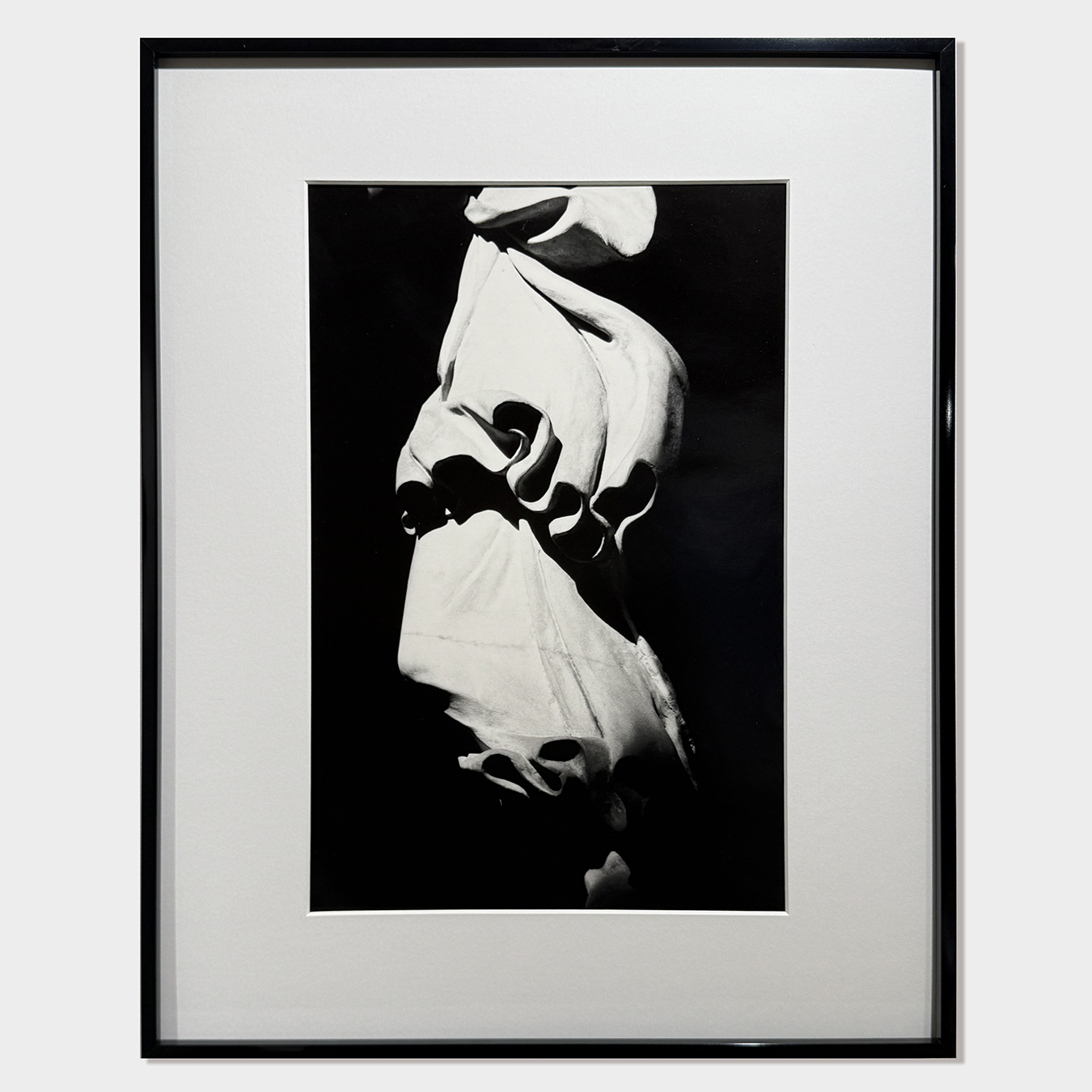
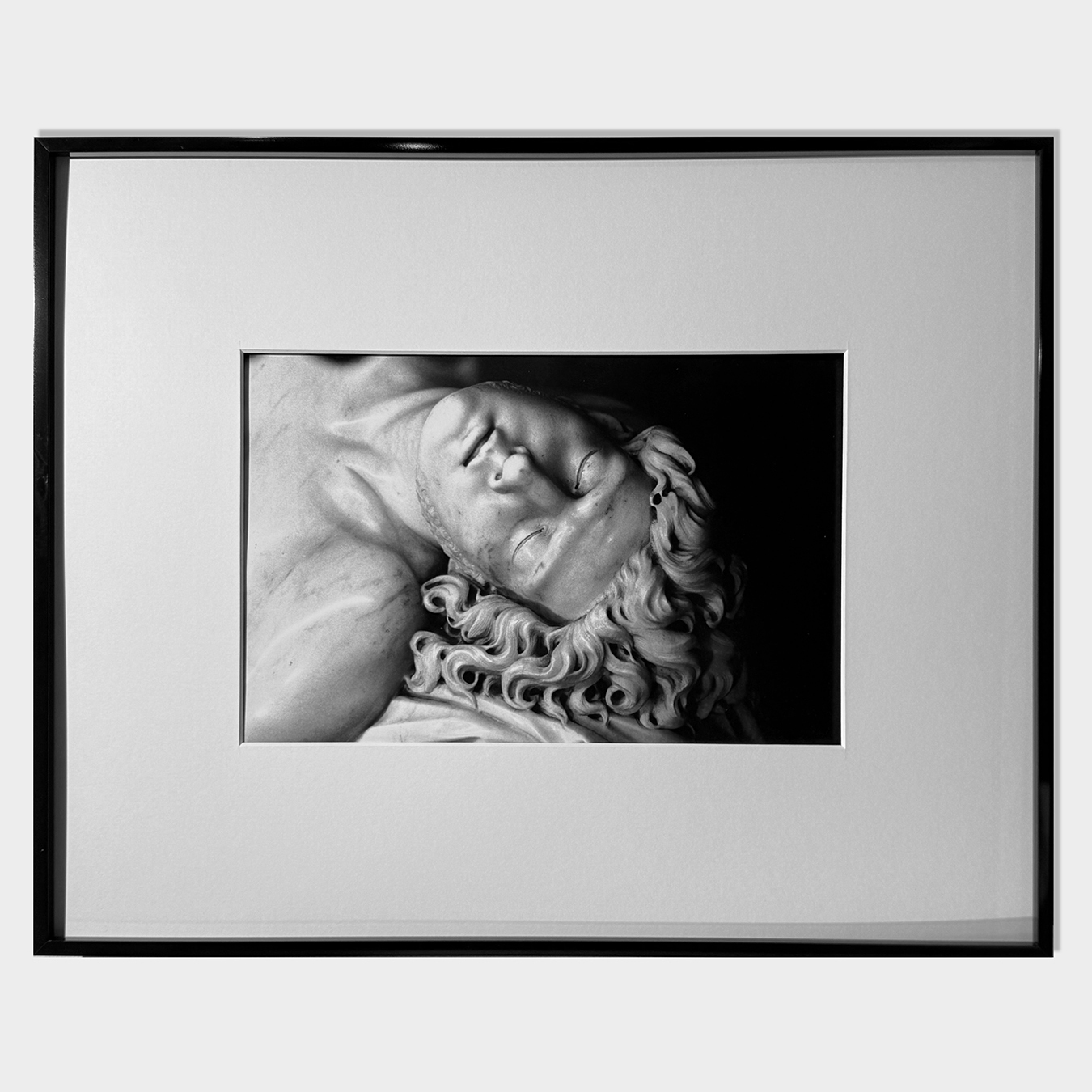
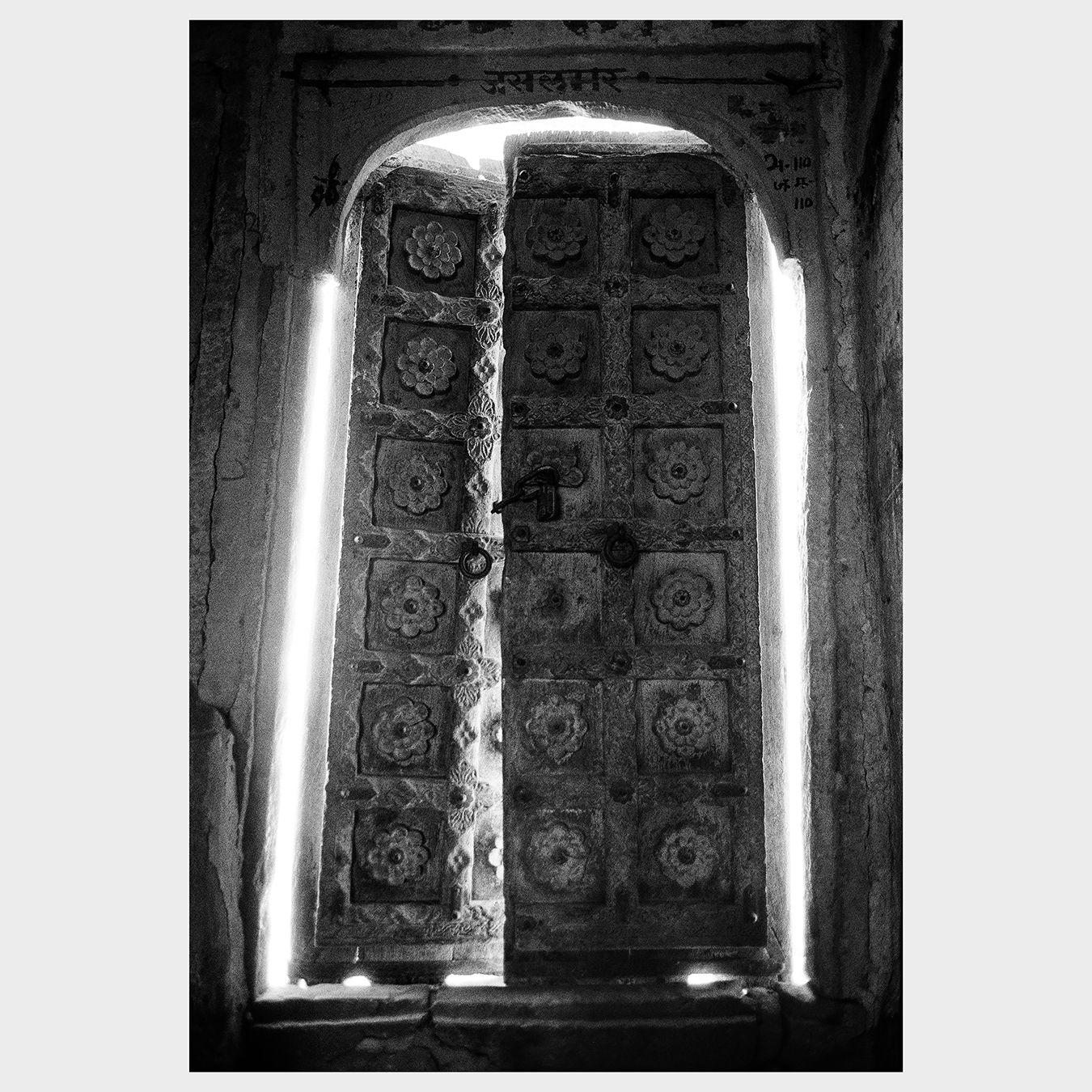
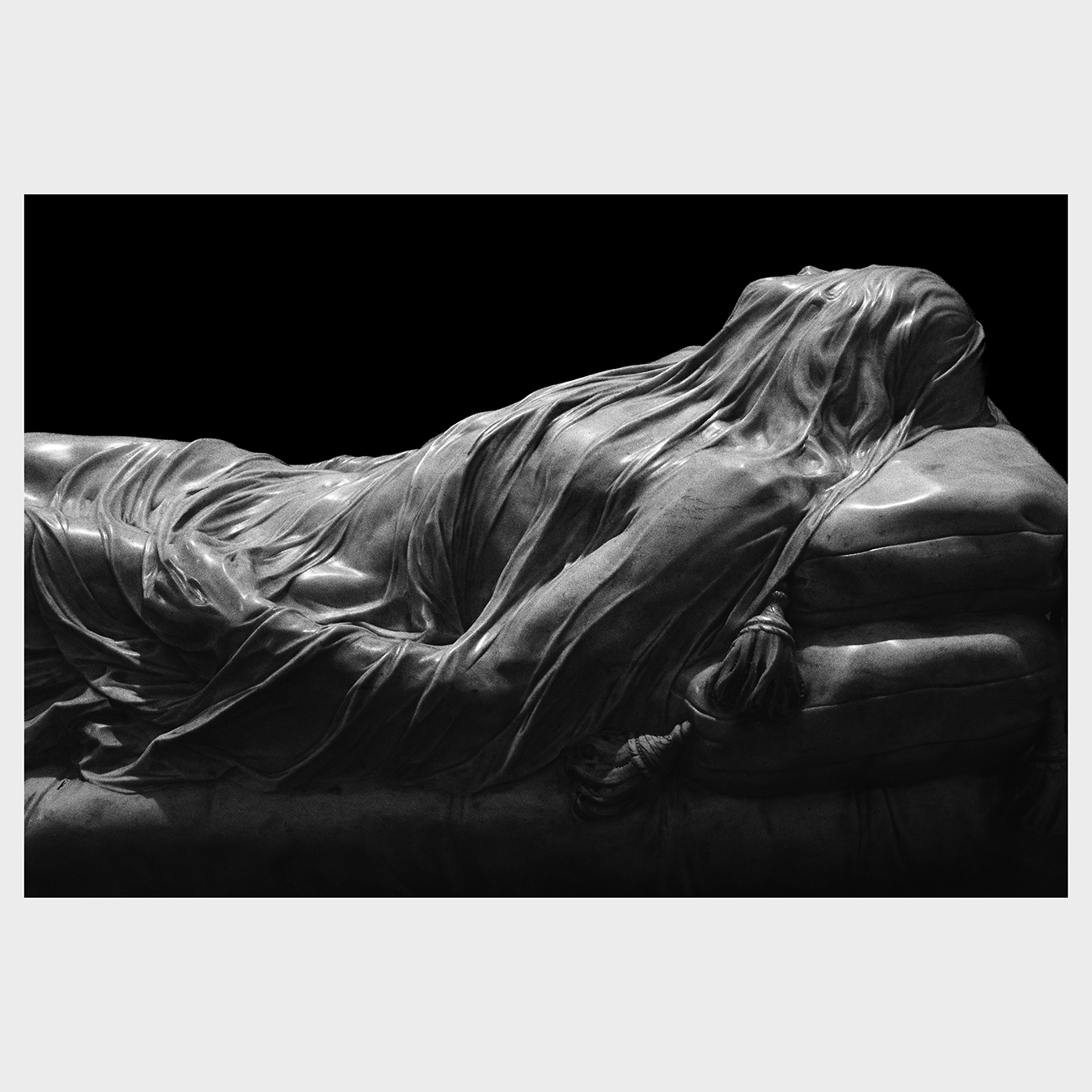
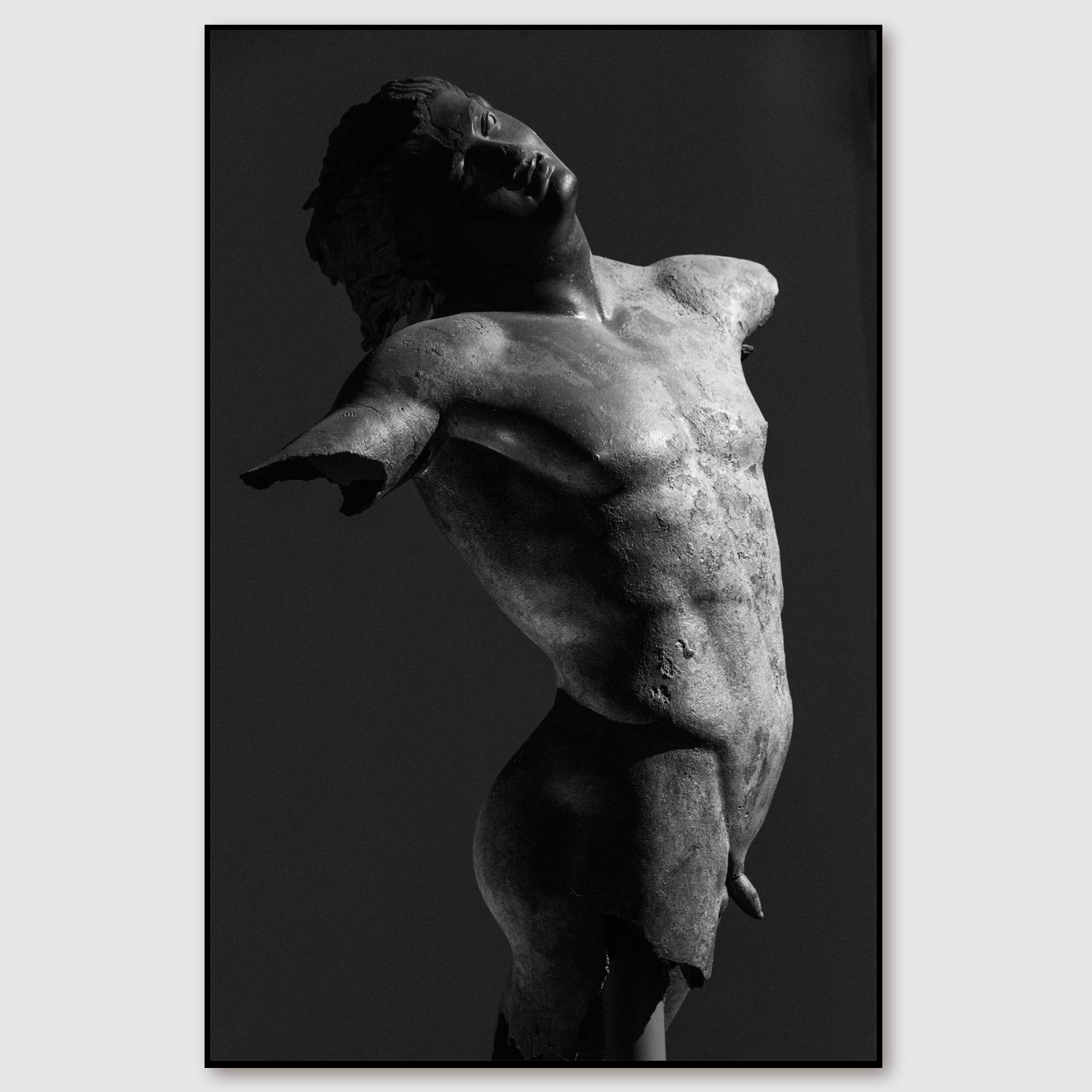
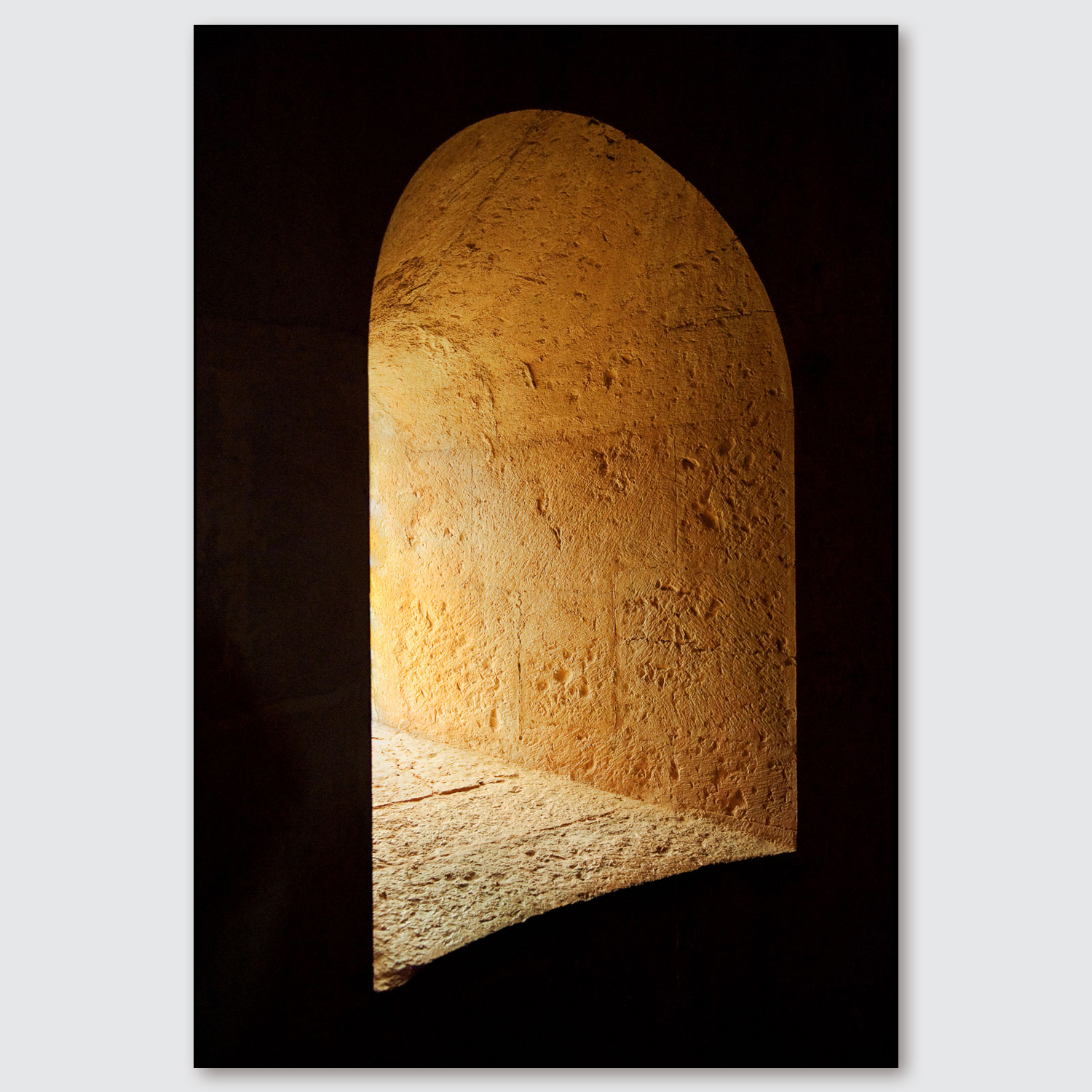
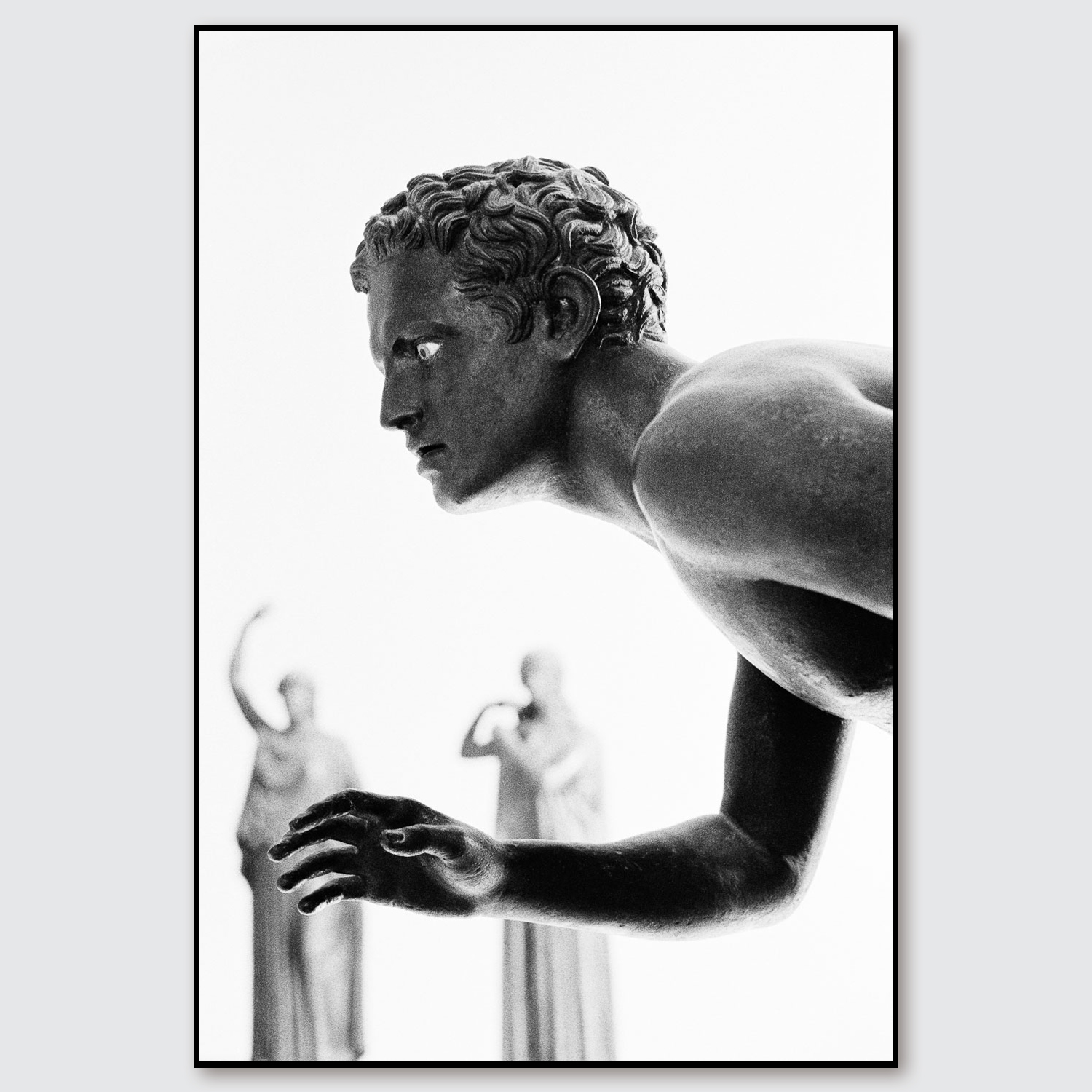
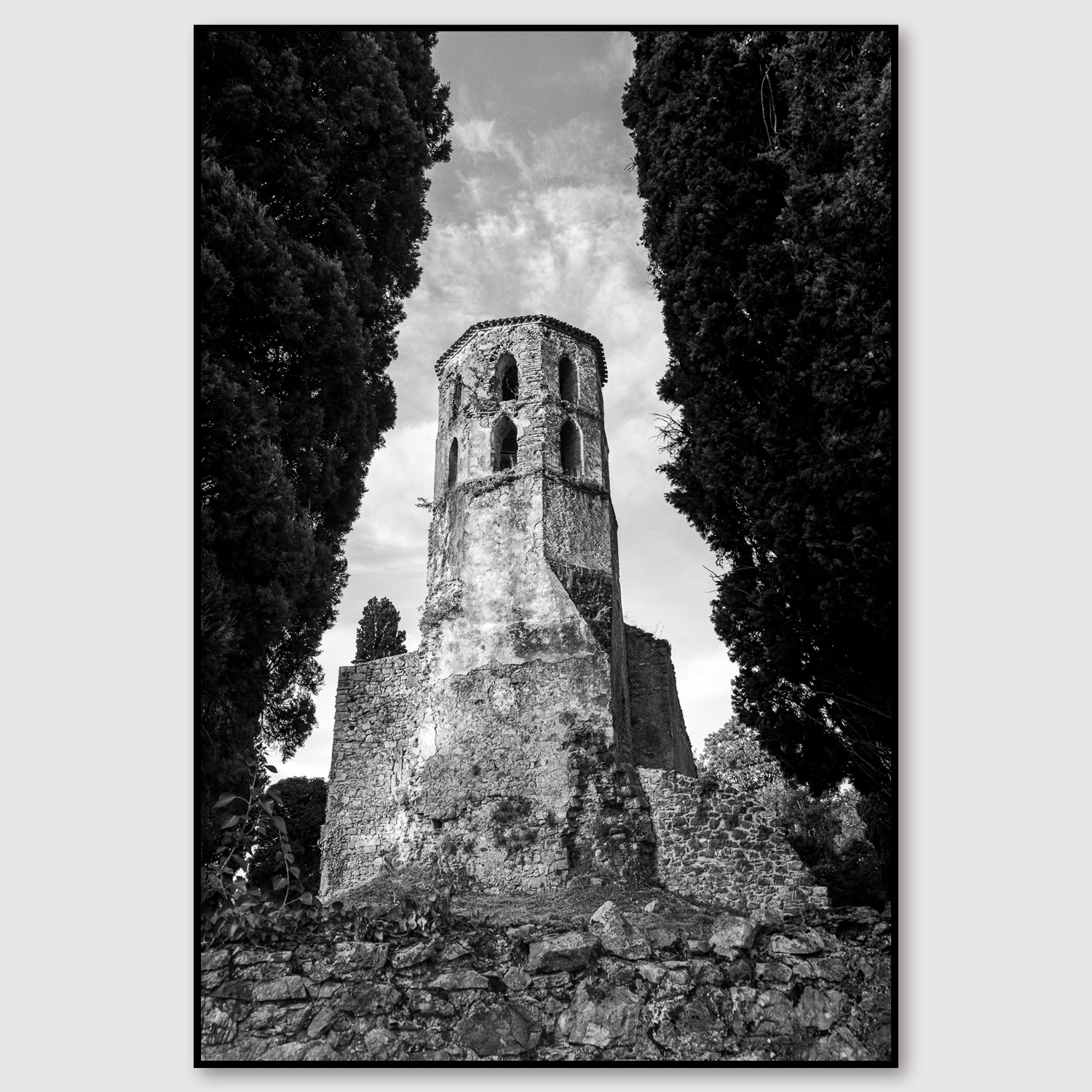
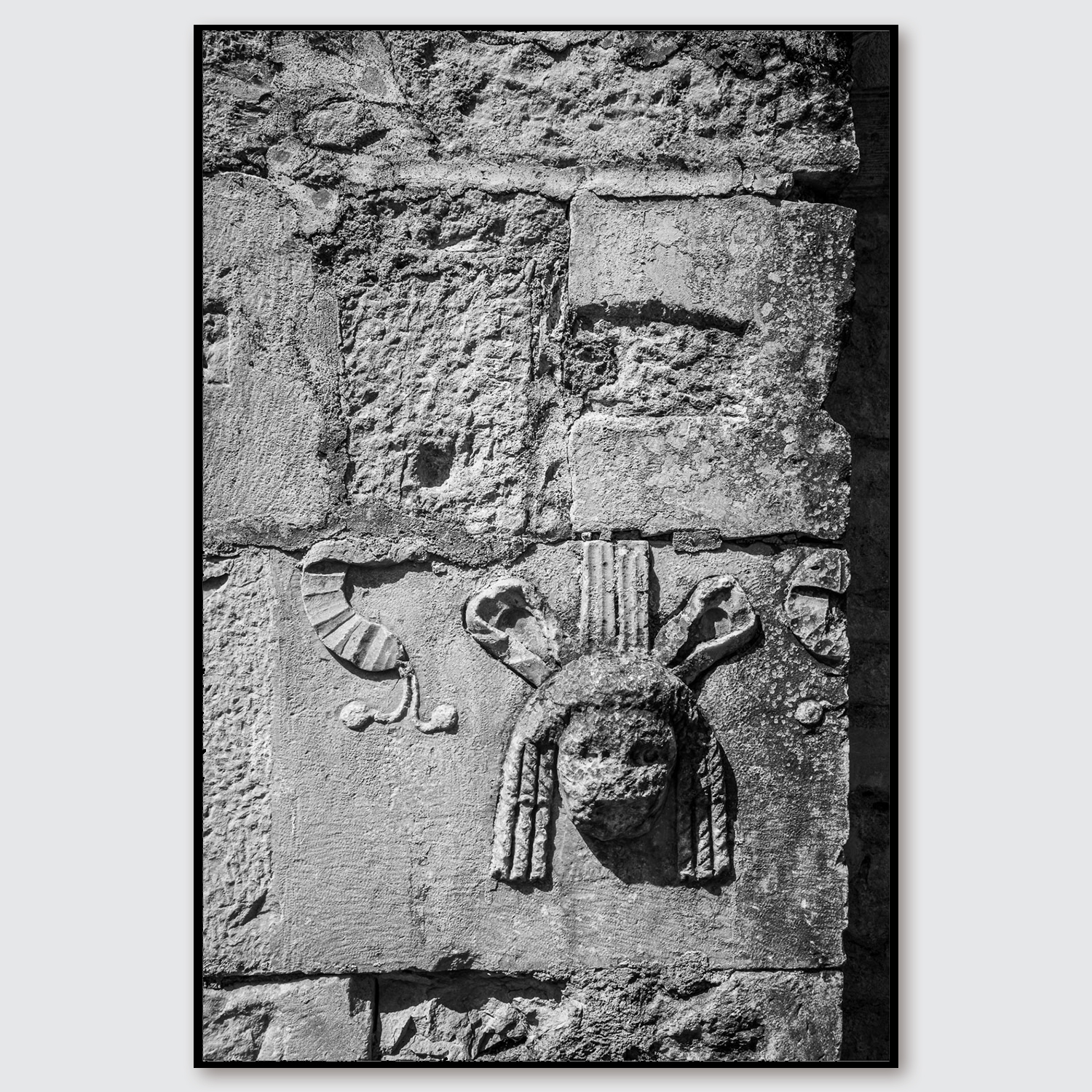
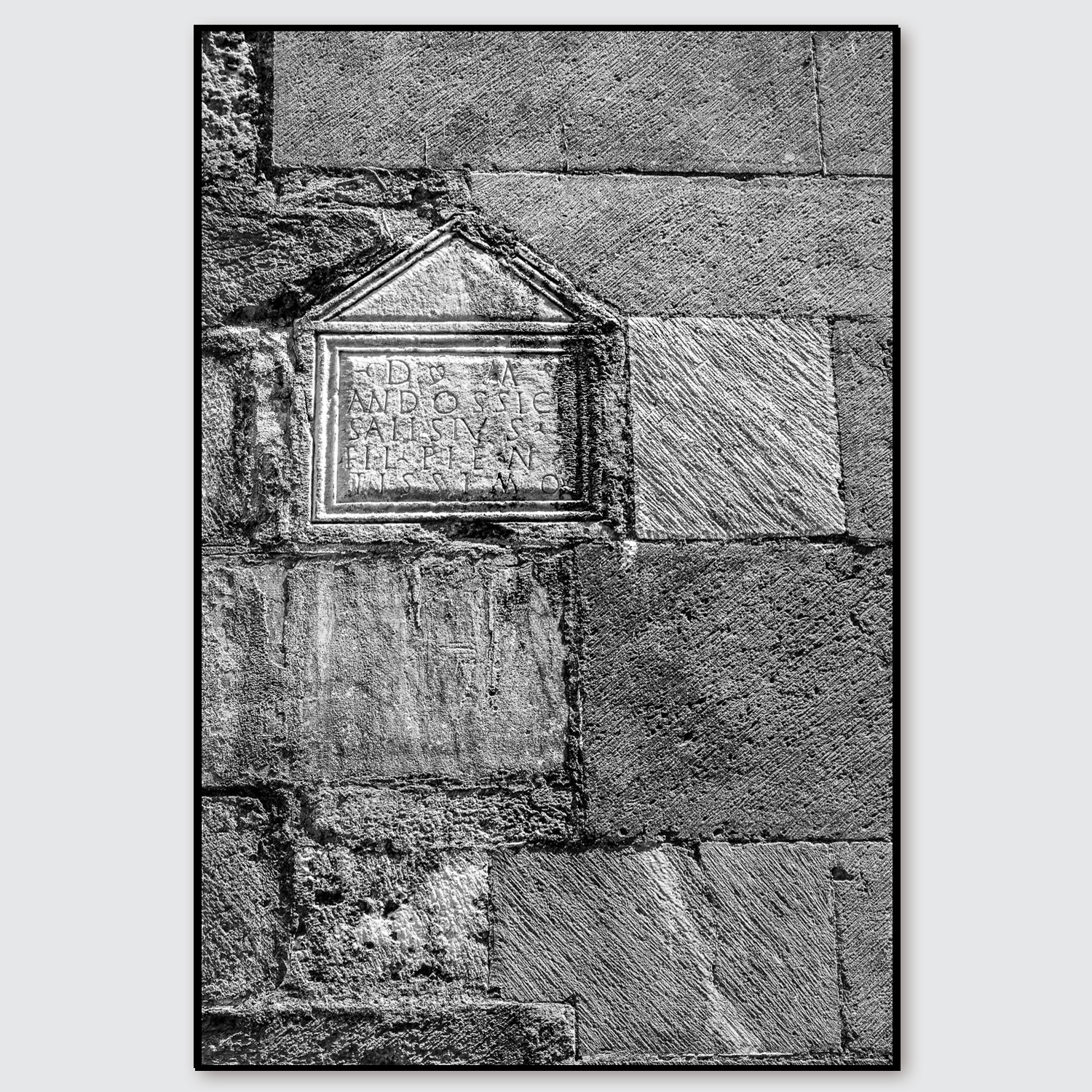
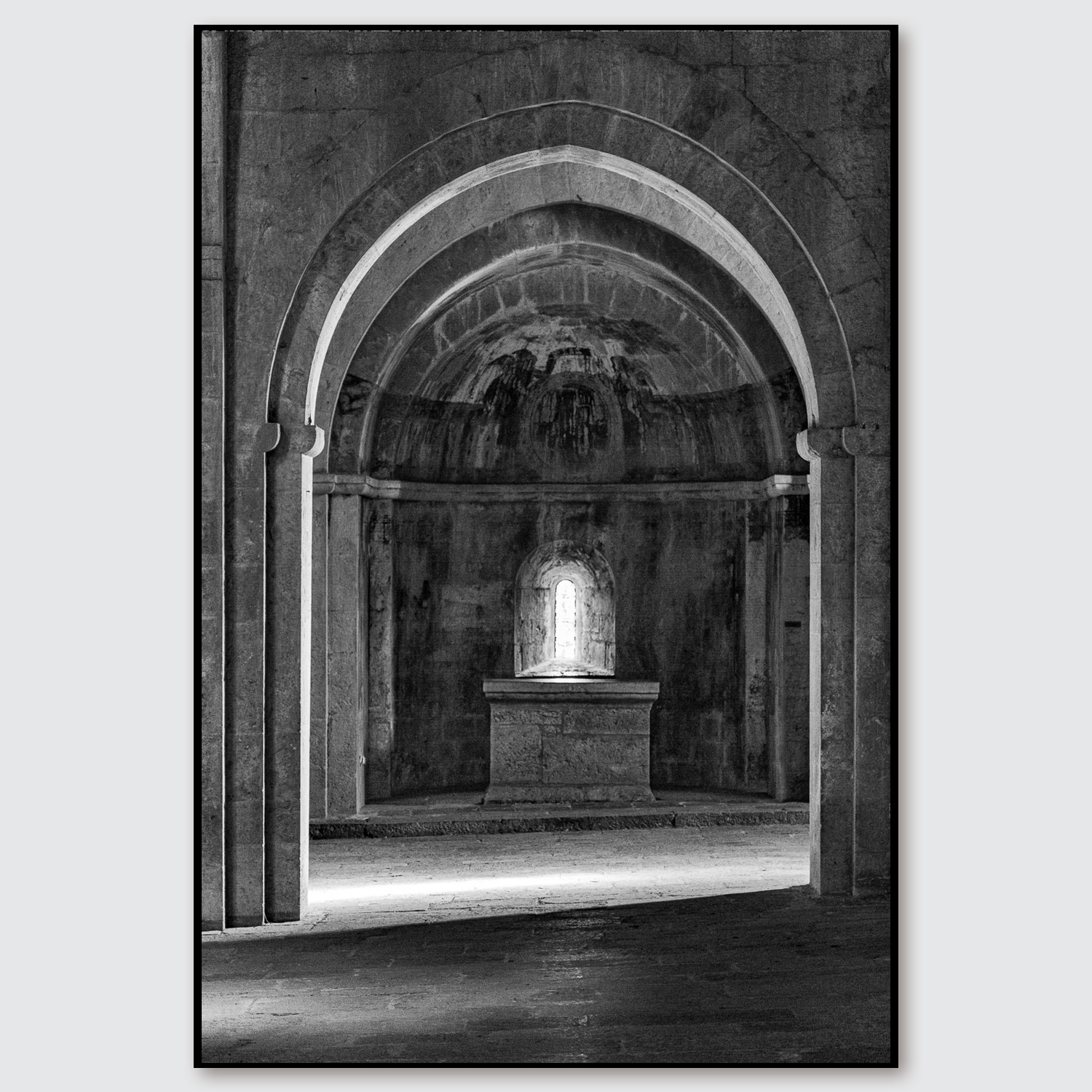
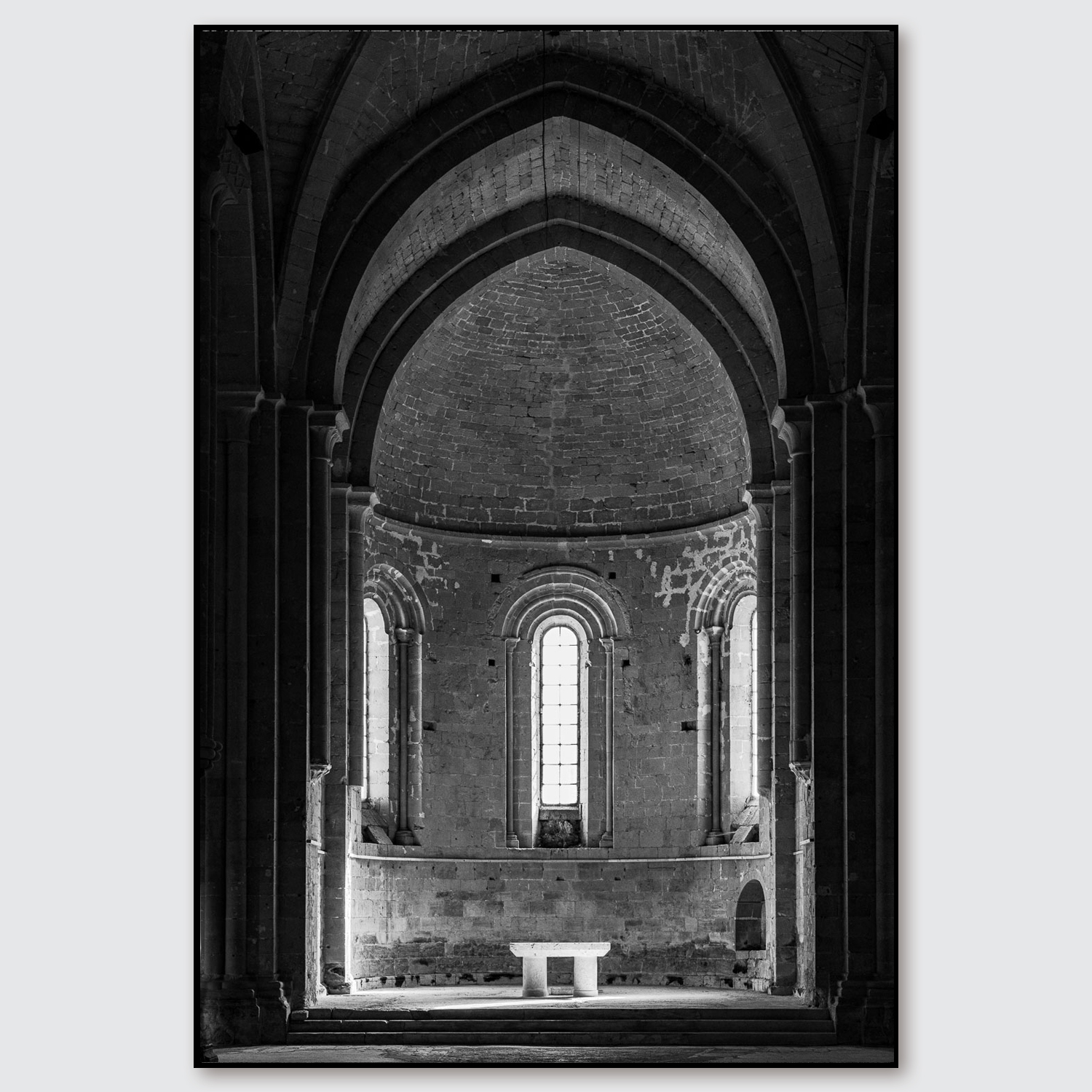
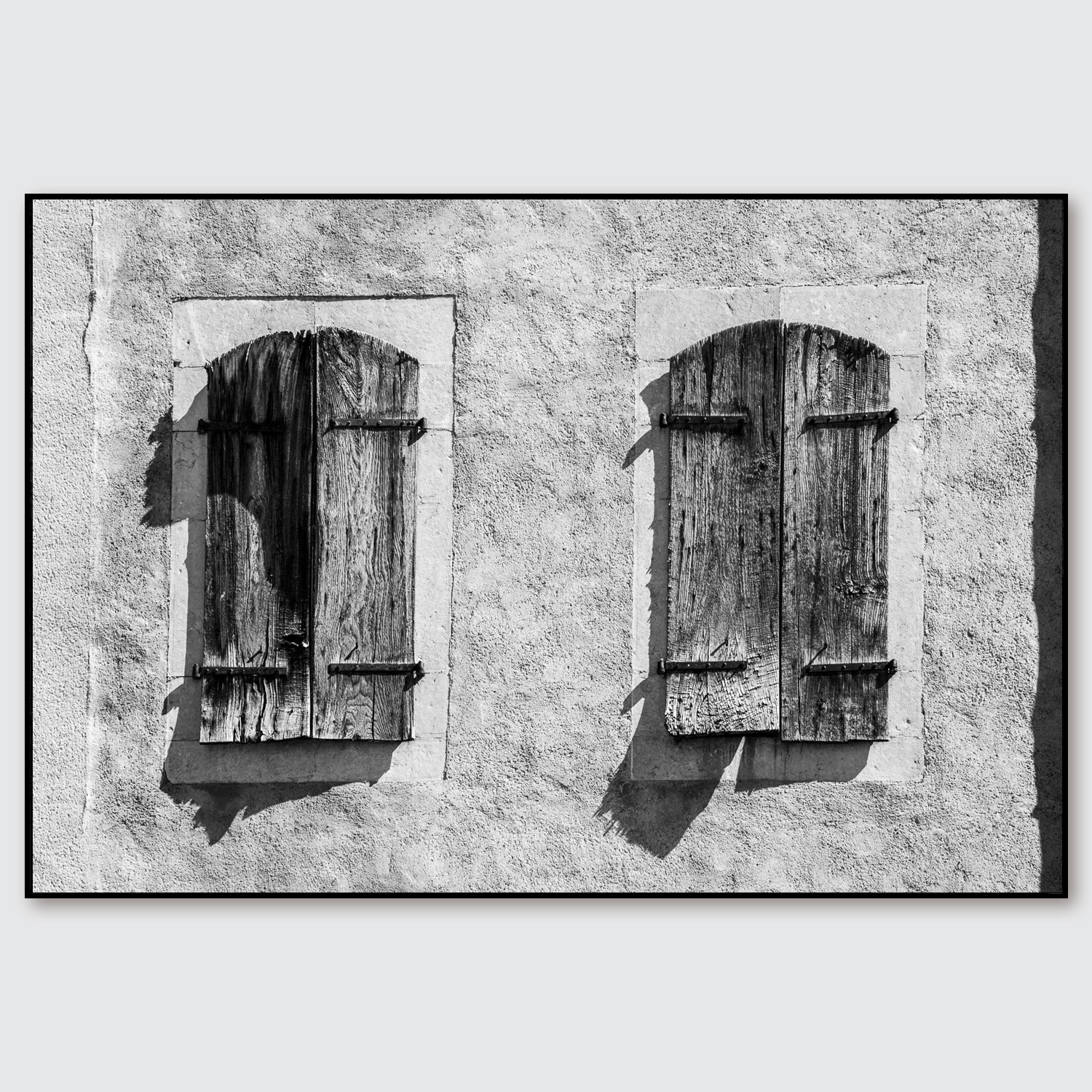
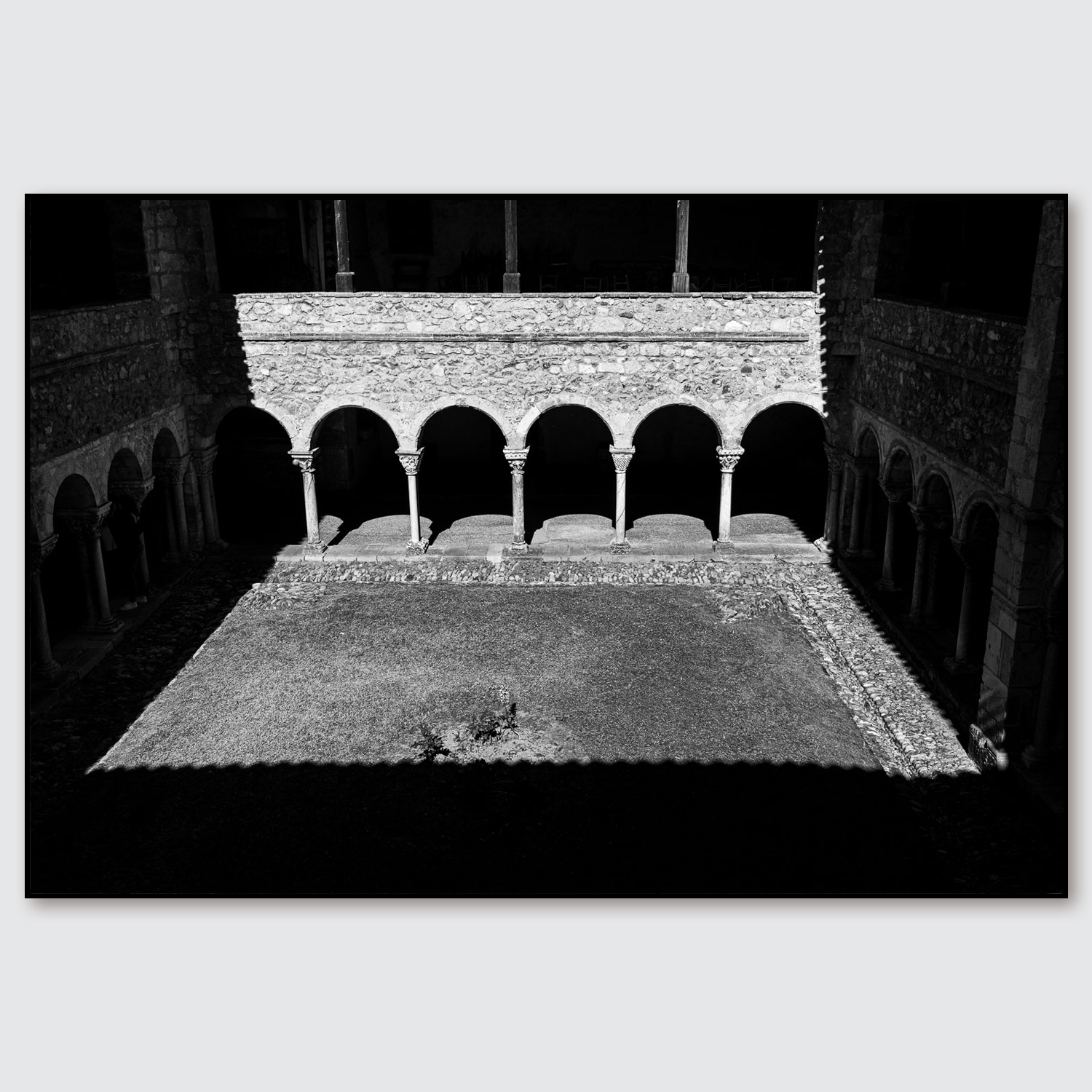
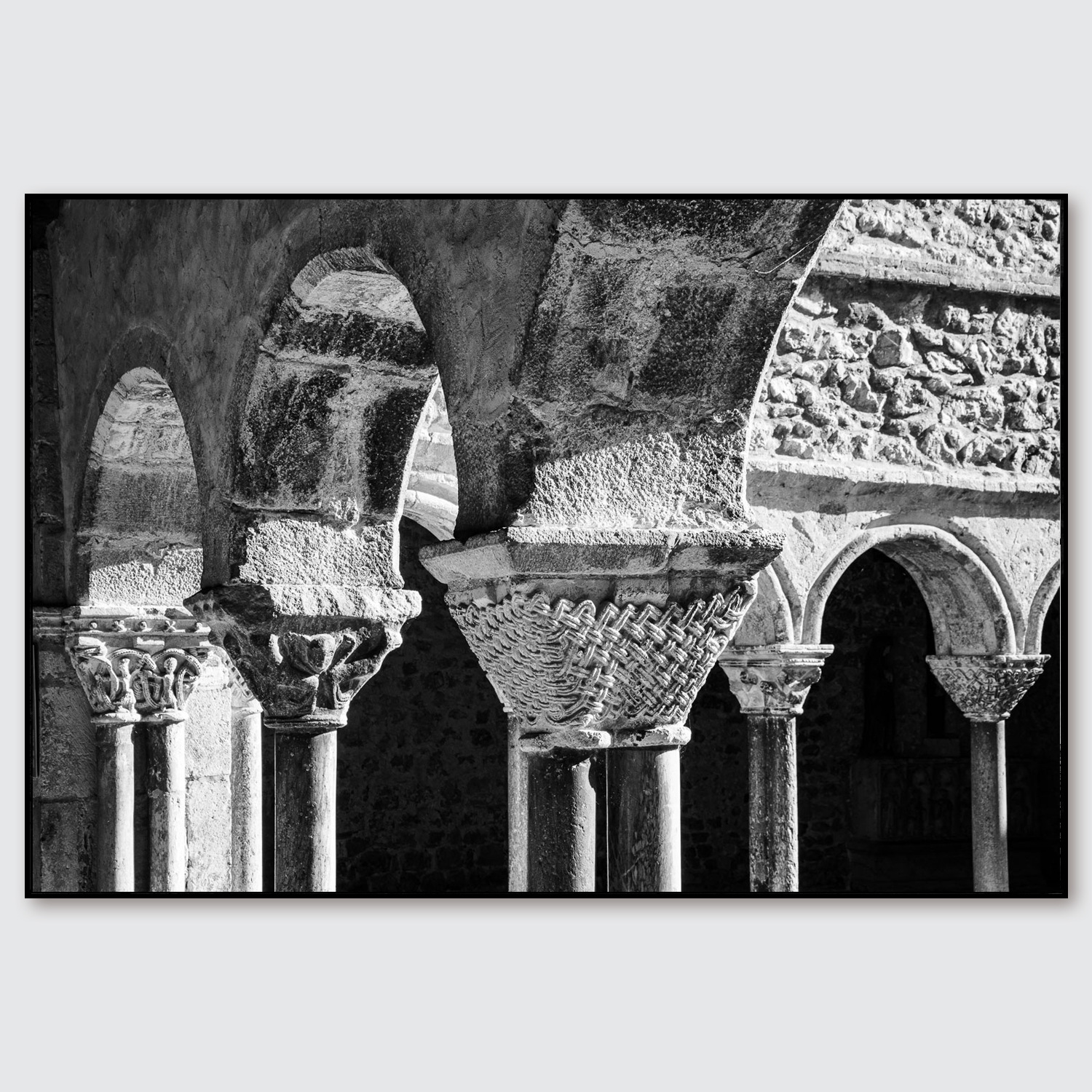
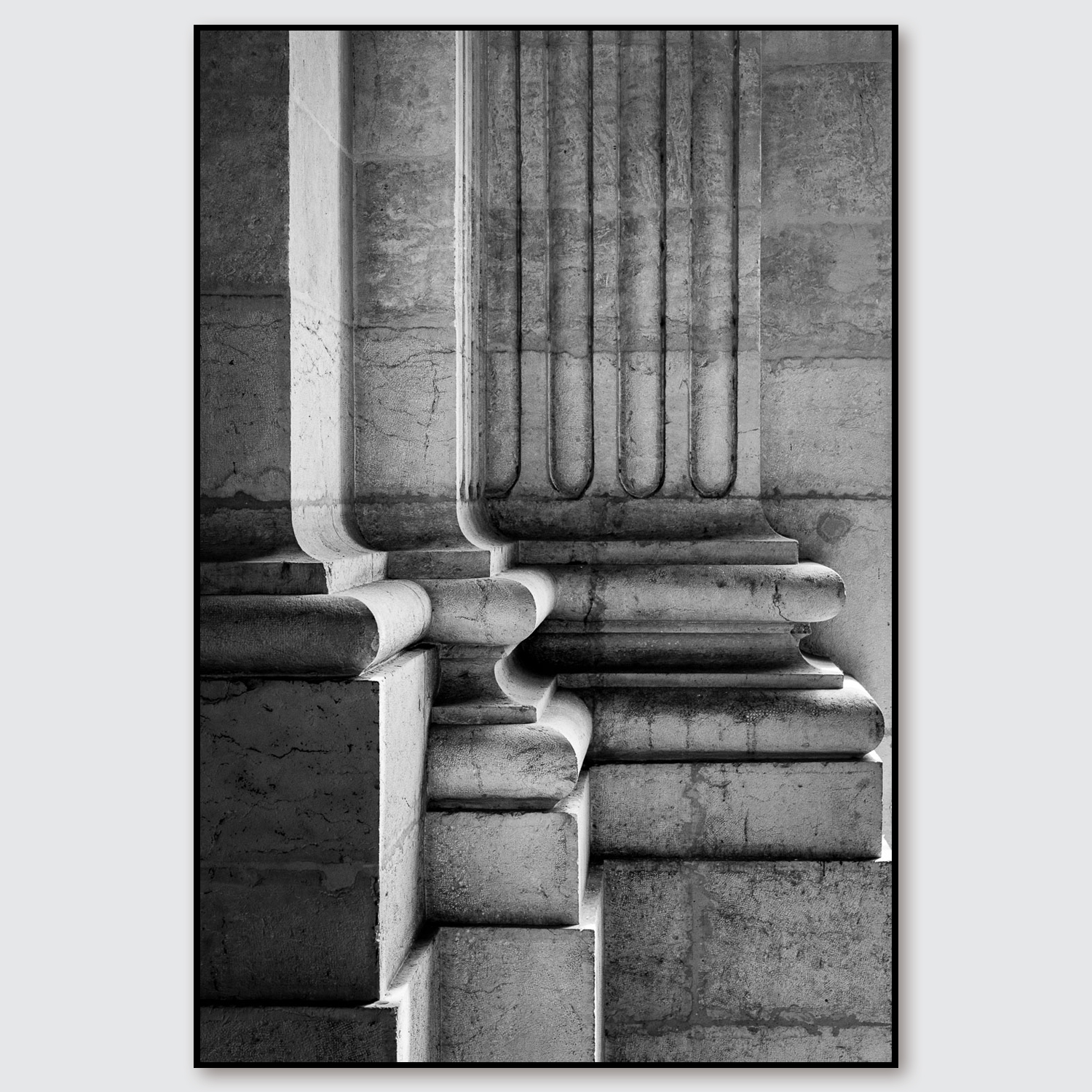
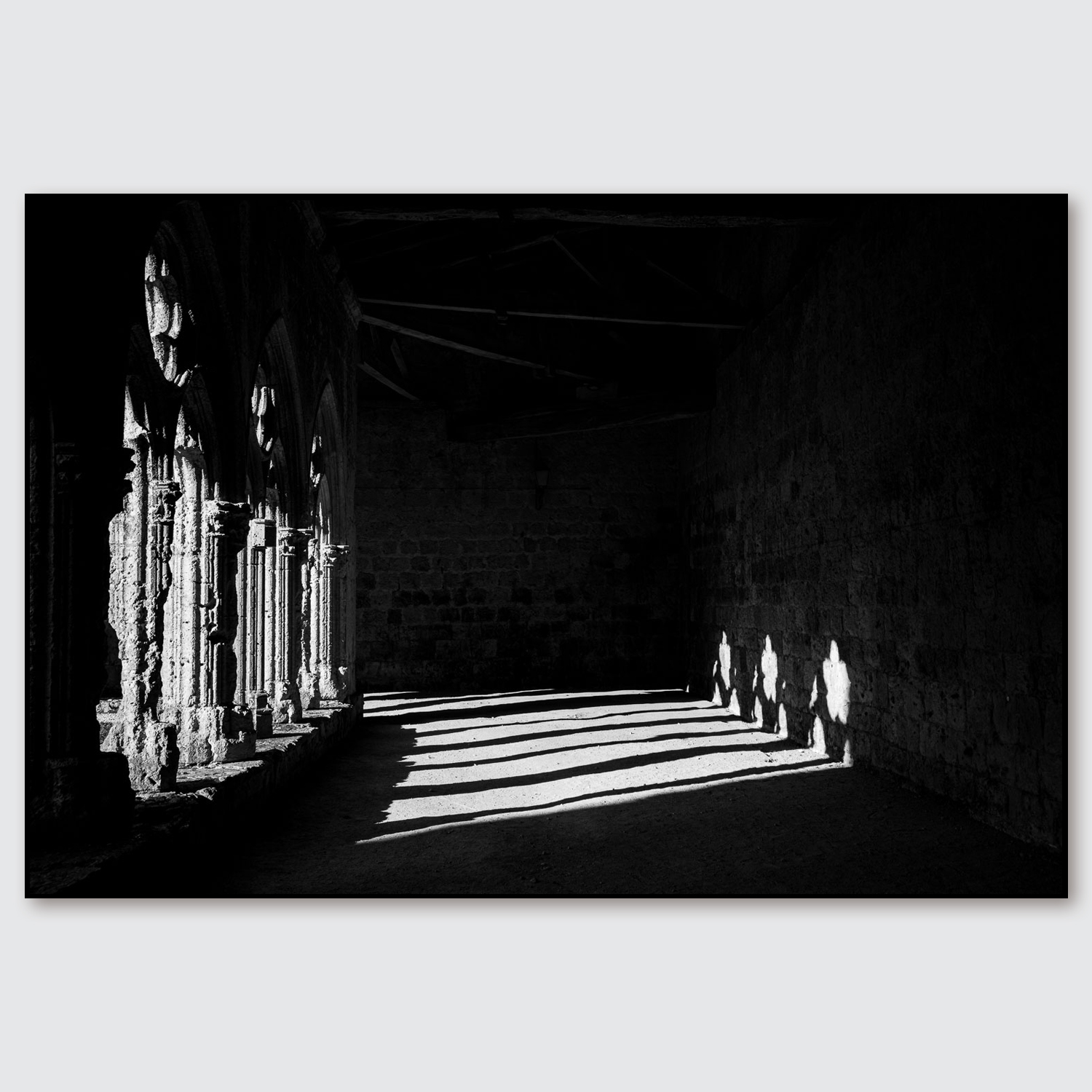
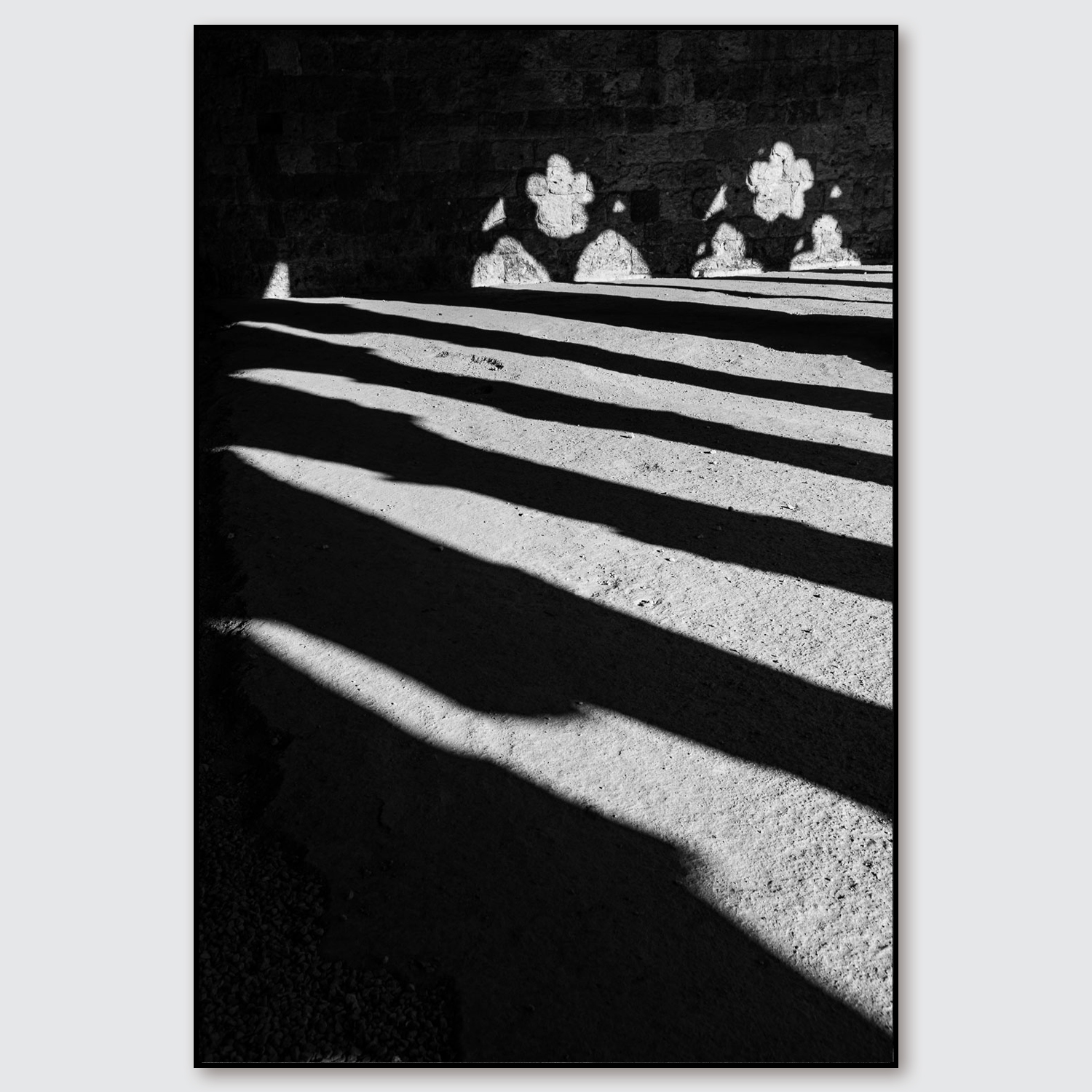
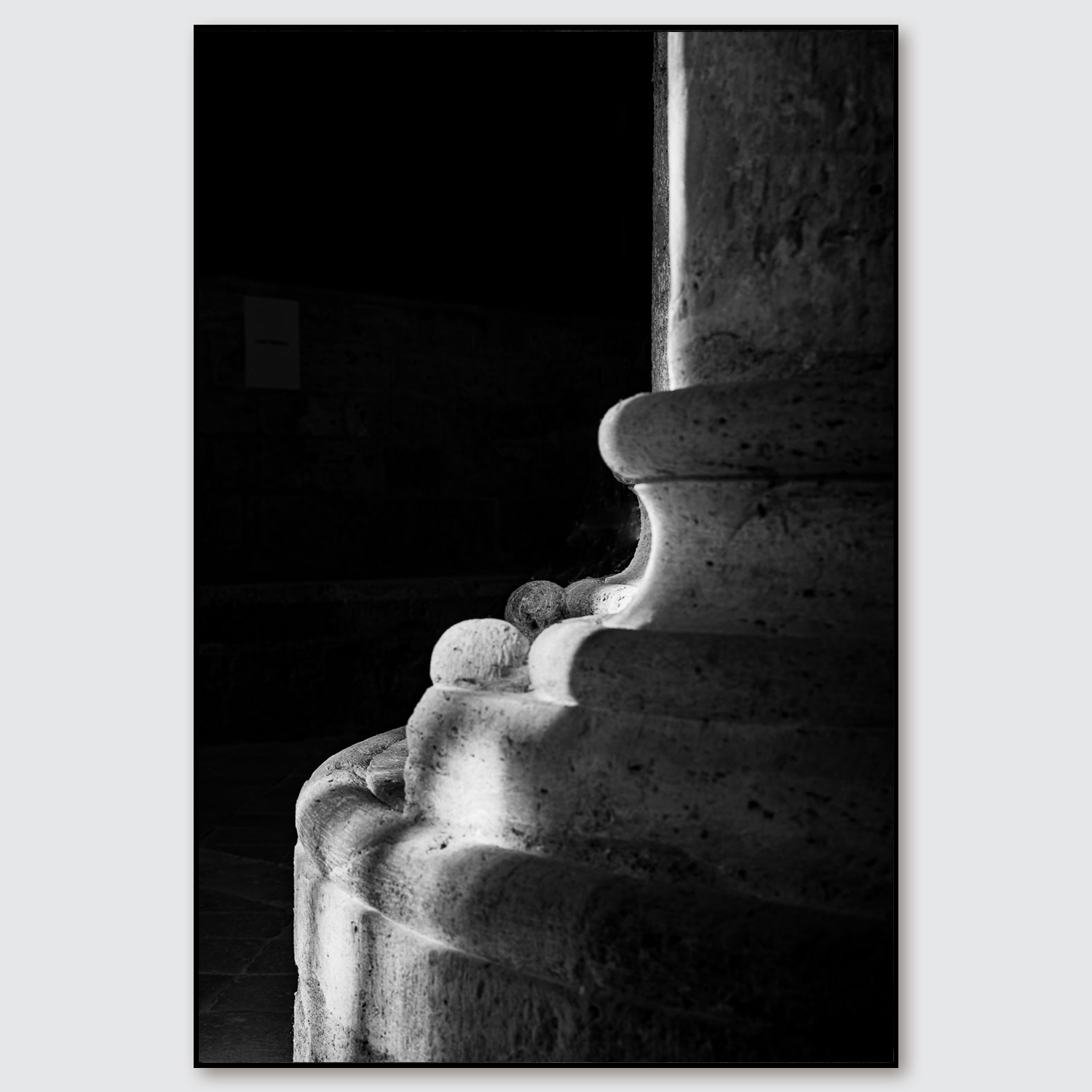
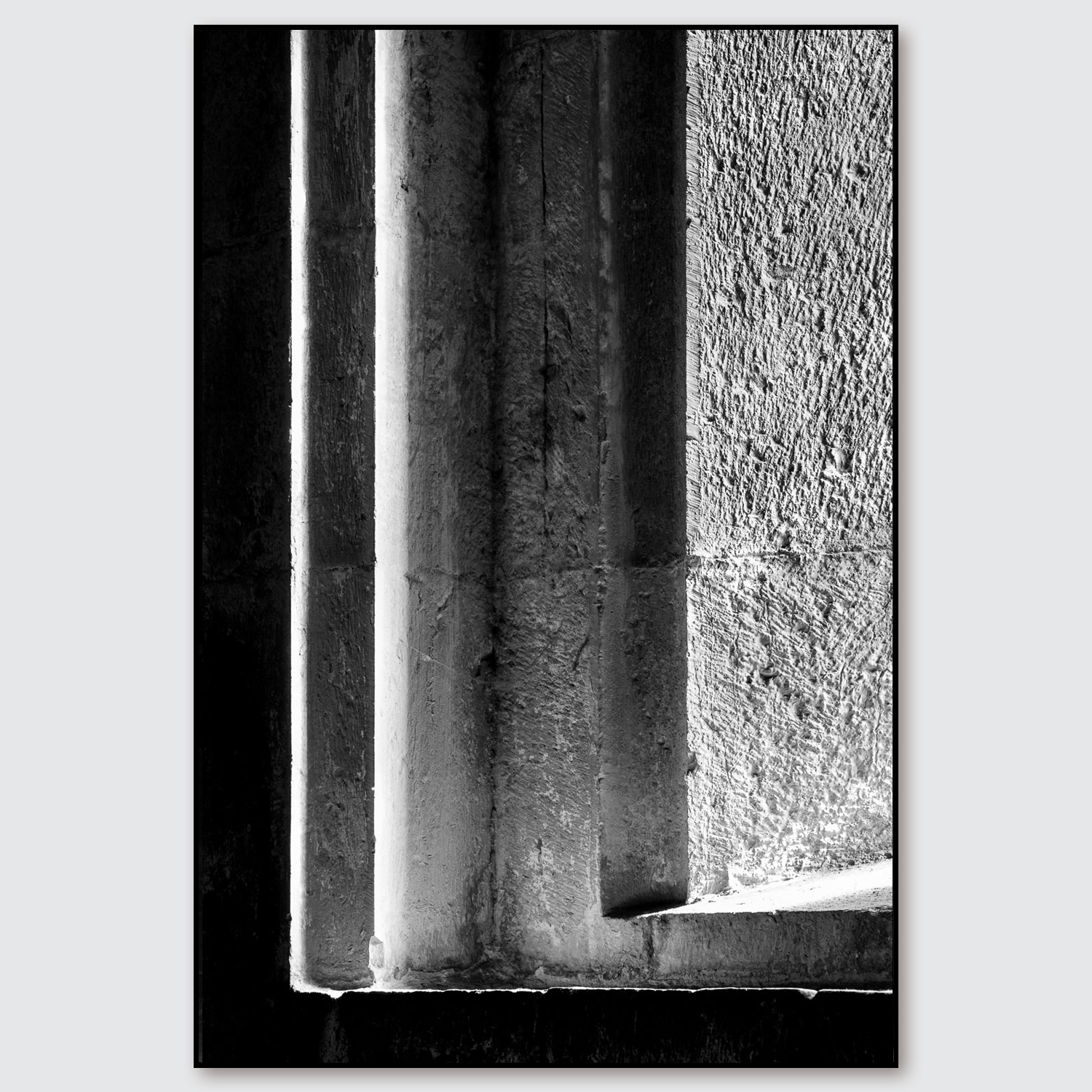
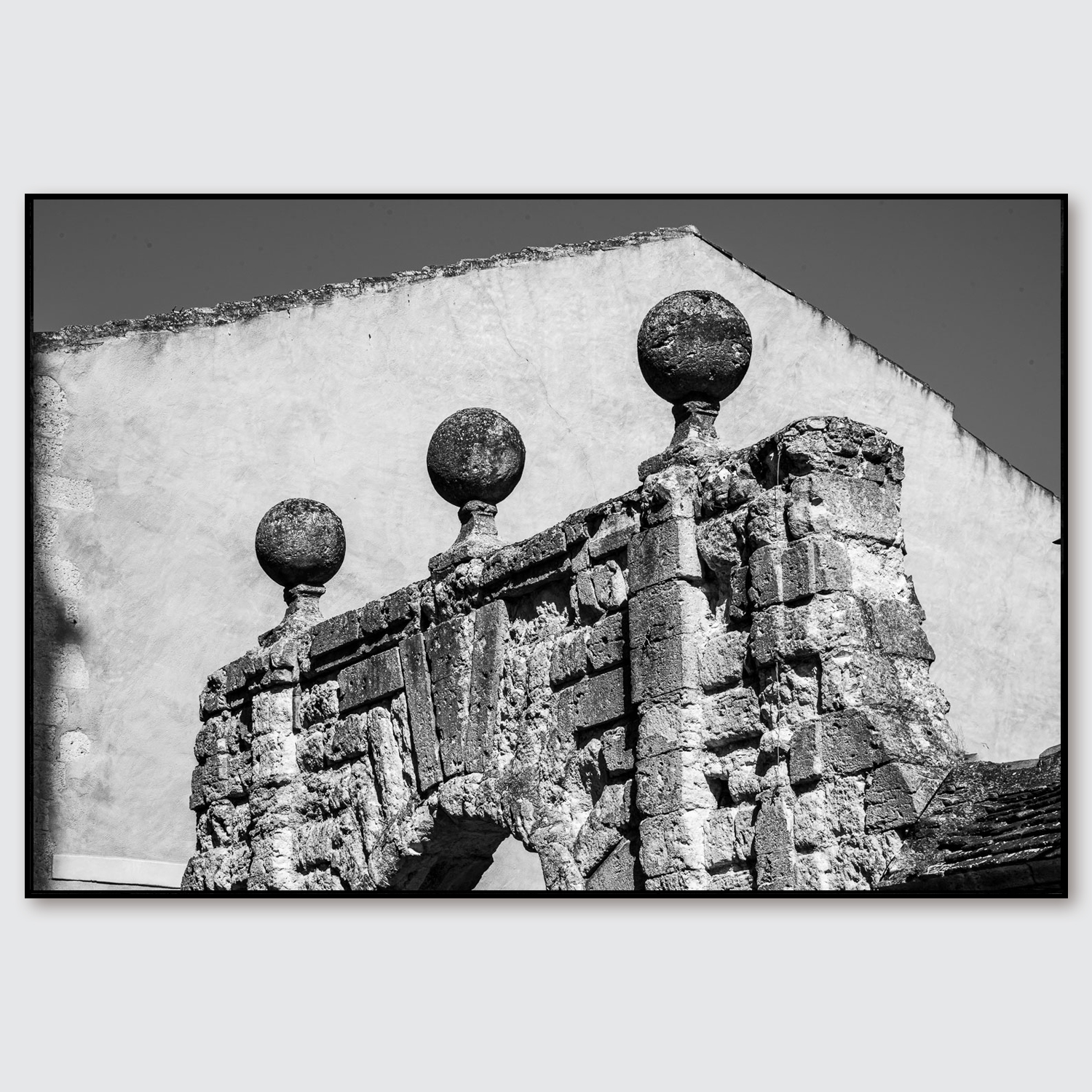
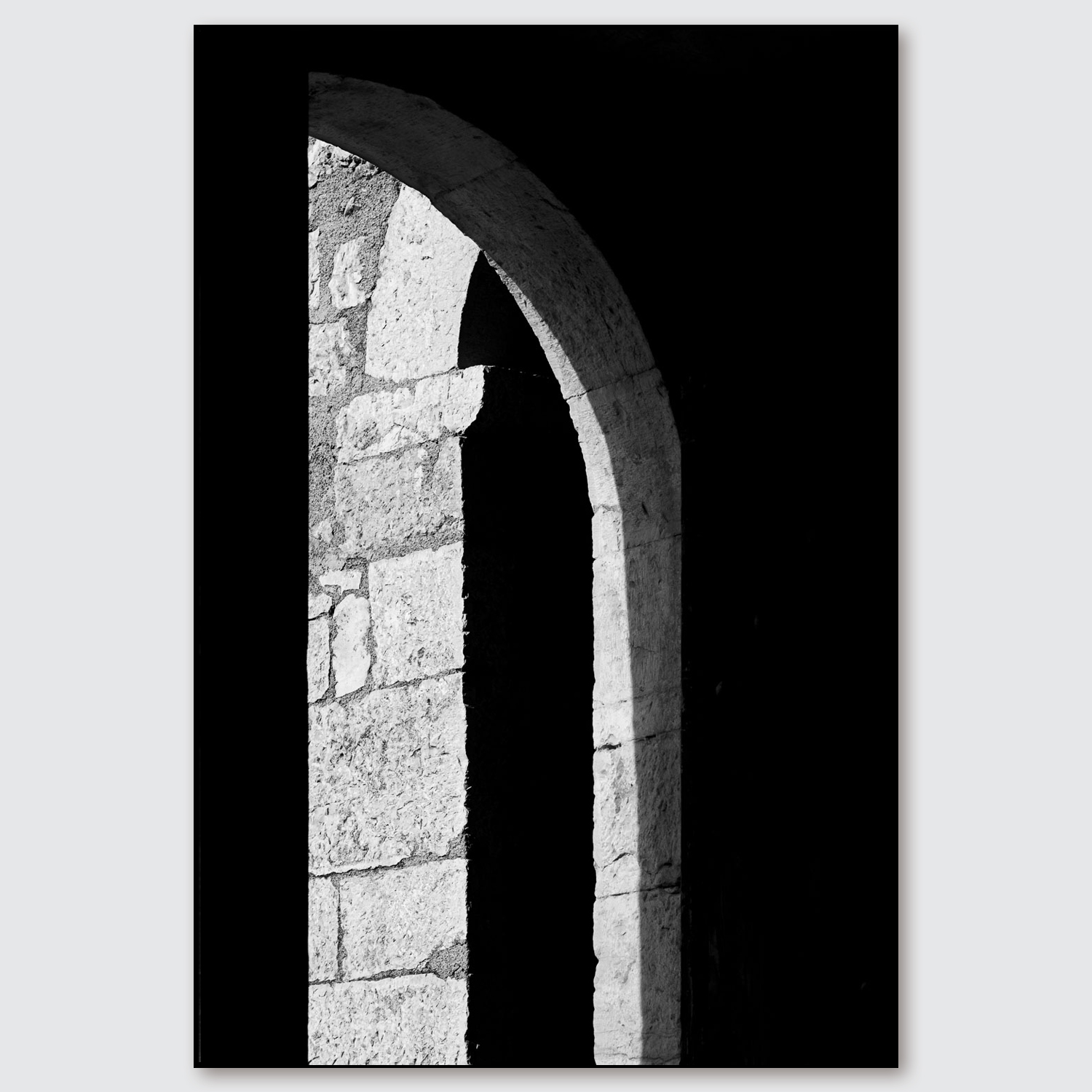
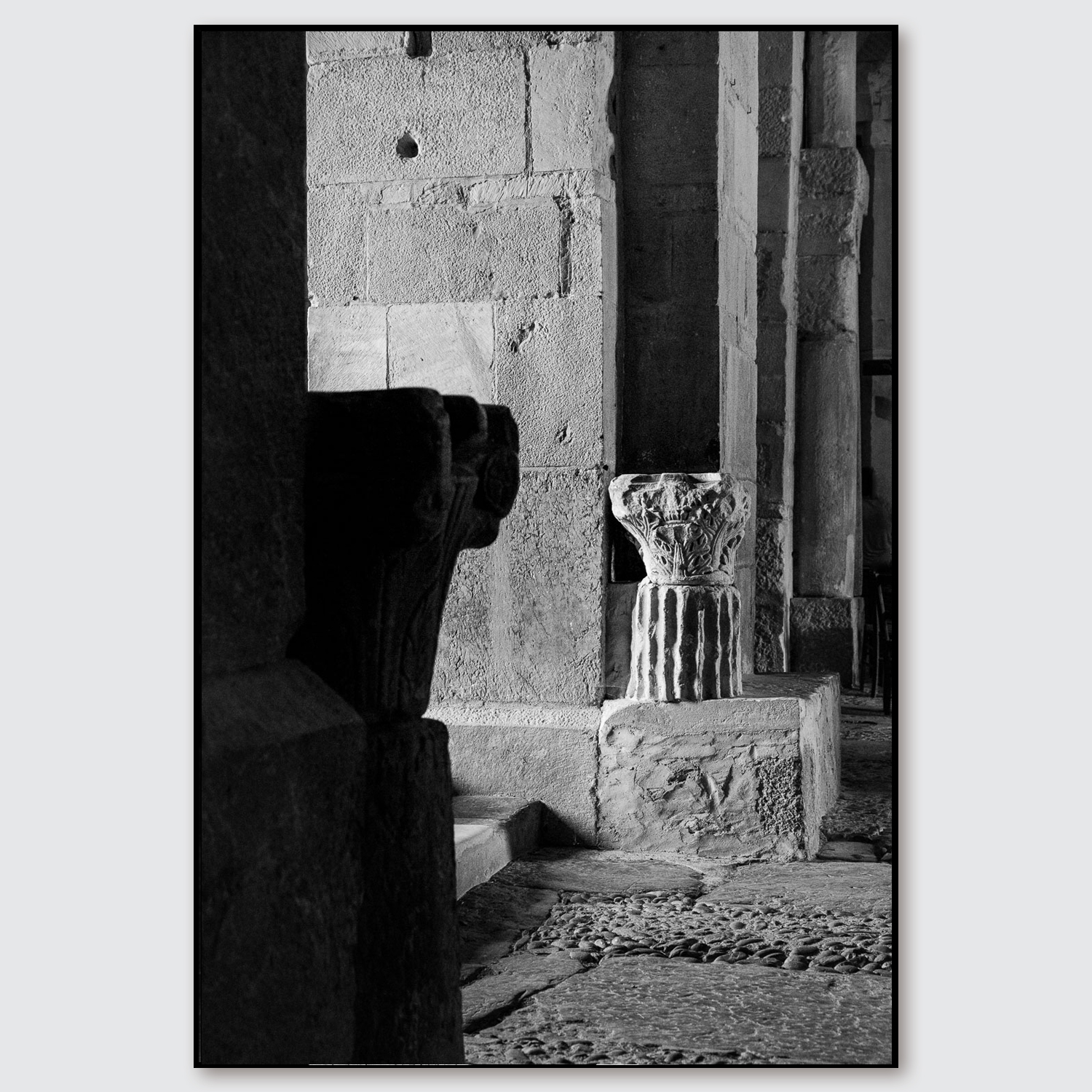
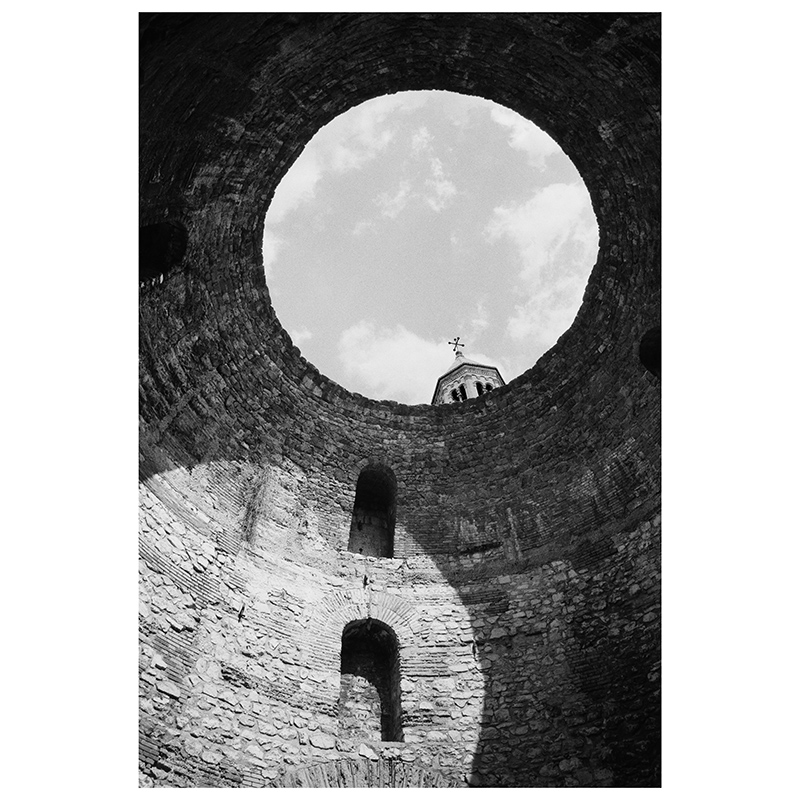
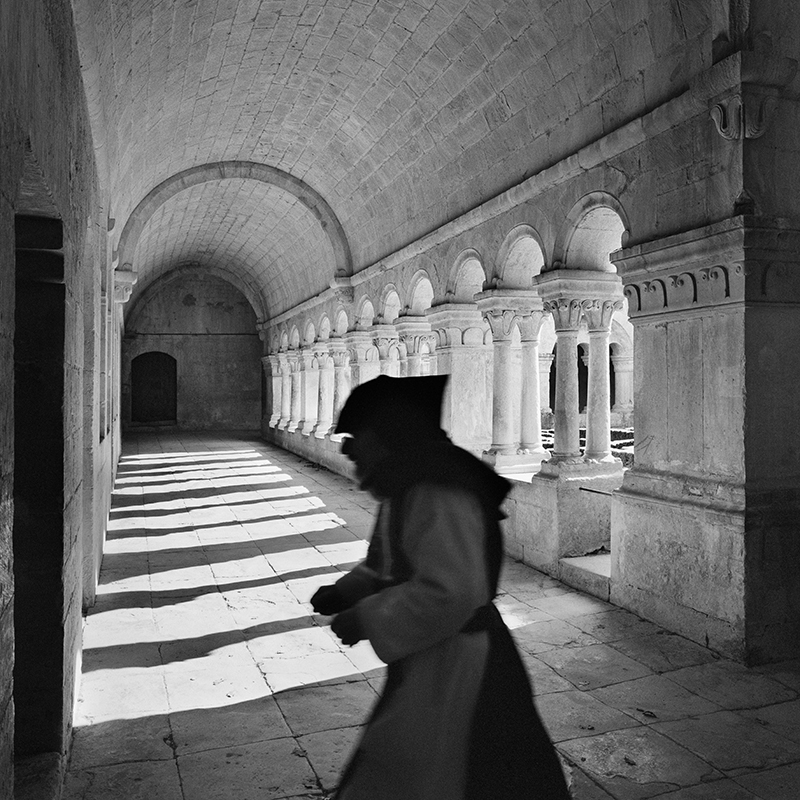
Black and white photographs by Ferrante Ferranti. The artist explores the vestiges of the past through the play of shadows and light created by the sun on the ruins. With the soul of an archaeologist, this architect by training combines his photographic work with his passion for antiquity and the Baroque.
Length : 0.39 in / 1 cm
Height : 29.53 in / 75 cm
Width : 19.69 in / 50 cm
Weigth : 2.2 lb / 1 kg
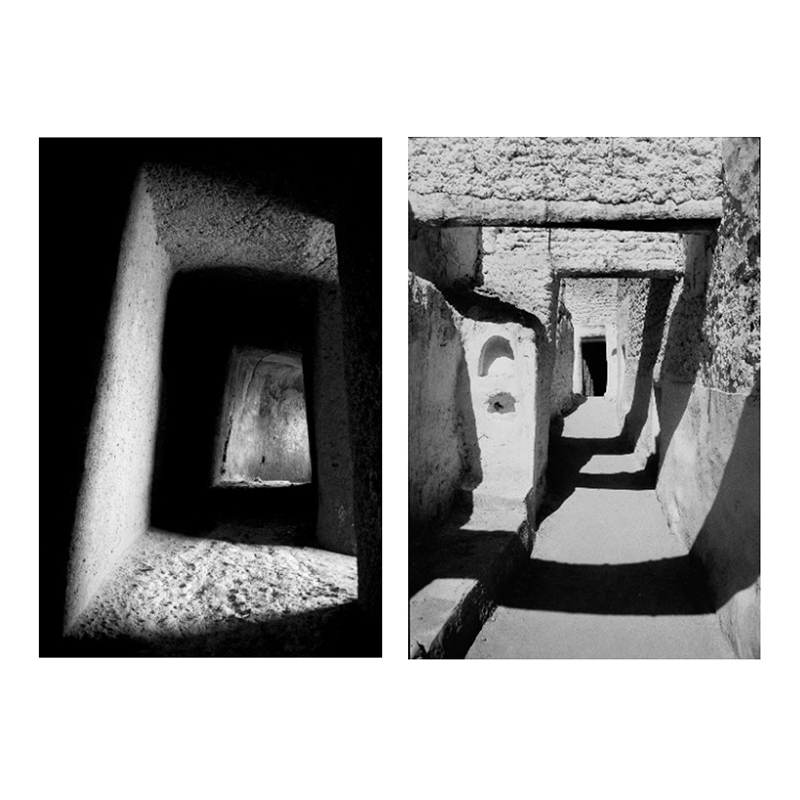
LES PIERRES SAUVAGES, GHADAMES, LIBYA (2007) / SORRENTO, ITALY (2010)
Artist : Ferrante Ferranti
Technique: Digital photography
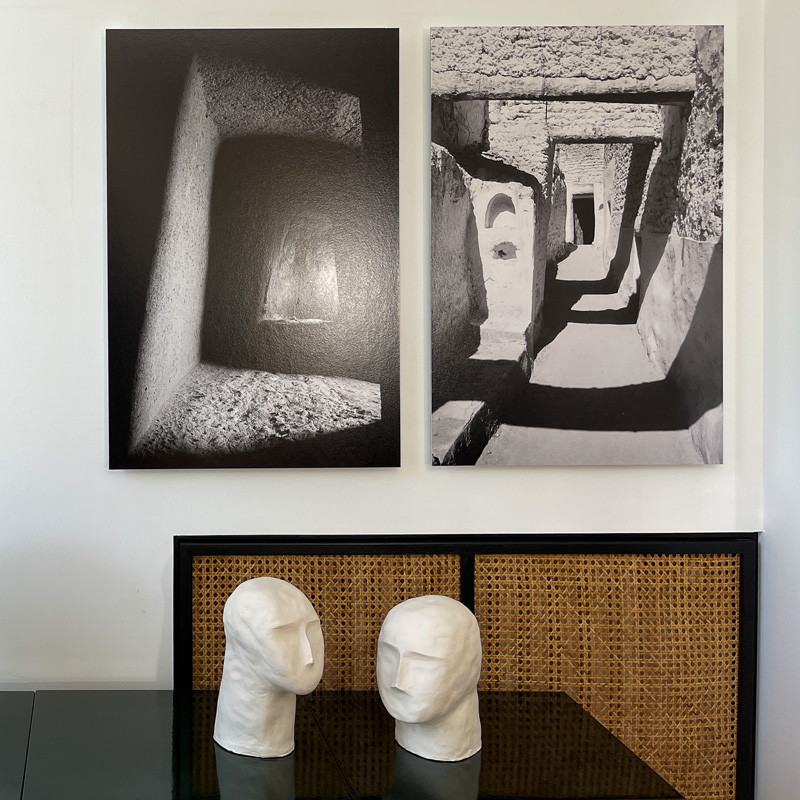
Support: Fine Art Pearl Paper laminated on dibond
Dimensions: 75 x 50 cm and 75 x 50 cm
Number of copies: 21, signed and numbered
Year: 2007 – 2010
Inspiration: At first glance, these landscapes are completely opposed: the earthen and lime architecture shaped by the sand, and the volcanic rock shaped by the sea. However, Ferrante Ferranti reveals the same mineral writing. The walls of Ghadames, polished by the wind, respond to the cliffs of Sorrento, hollowed out by sea erosion. The light, alternately raw or diffuse, acts as a revealer: it highlights the strata, caresses the surfaces, exalts the ochre and stony tones.
In this diptych, the stone becomes a living memory. It bears the imprint of civilizations, constructive gestures and natural forces. By bringing these two distant places together, the artist composes a meditation on the permanence of forms and the circulation of cultures around the Mediterranean.
The “wild stones” are not only fragments of landscape: they embody a raw material, archaic and sovereign, which the light transforms into silent architecture. Through Ferranti’s precise and contemplative gaze, stone becomes language, border and link, territory and poetry.
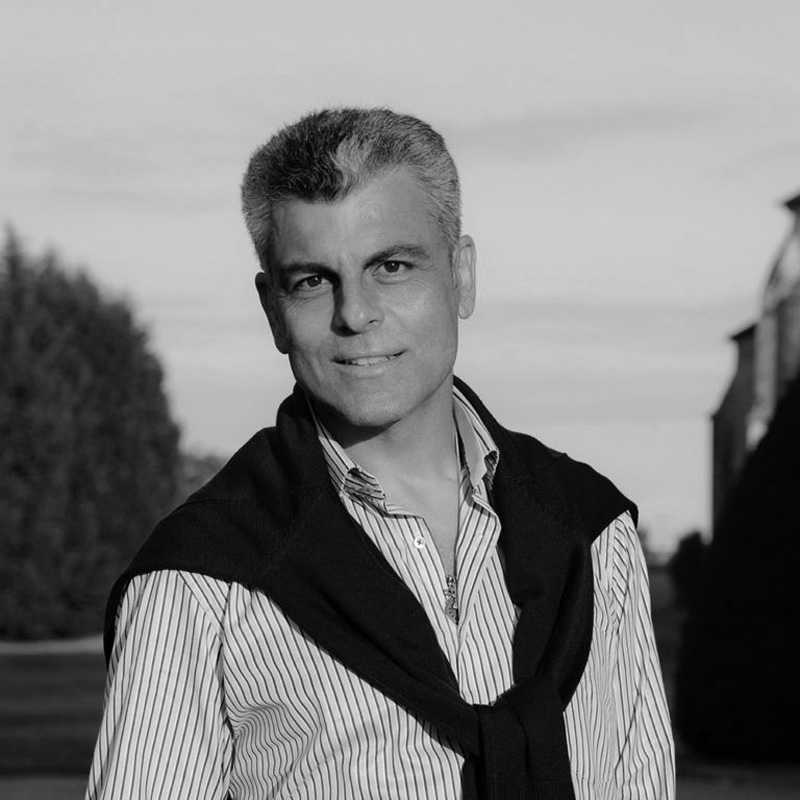
Ferrante Ferranti
FRANCE
Born January 13, 1960 in Algeria, of a Sardinian mother and a Sicilian father. He took his first photograph at the age of eighteen, a wave in Belle-Île-en-Mer. Passionate about Fernand Pouillon’s book, Les Pierres Sauvages, he began training as an architect in Toulouse, which he completed at Paris-UP6 in 1985 with a diploma in Theaters and scenography in the Baroque era. Traveling photographer, he has been involved for thirty years with Dominique Fernandez in a joint exploration of the Baroque and the different layers of civilizations, from Syria to Bolivia via Sicily and Saint Petersburg. His photographs dialogue with the texts of the writer, who defines him in the album Itinerrances (Actes Sud, 2013) as “the inventor of a language which links the sun to the ruins, in search of the meaning hidden in the forms” .
Collection
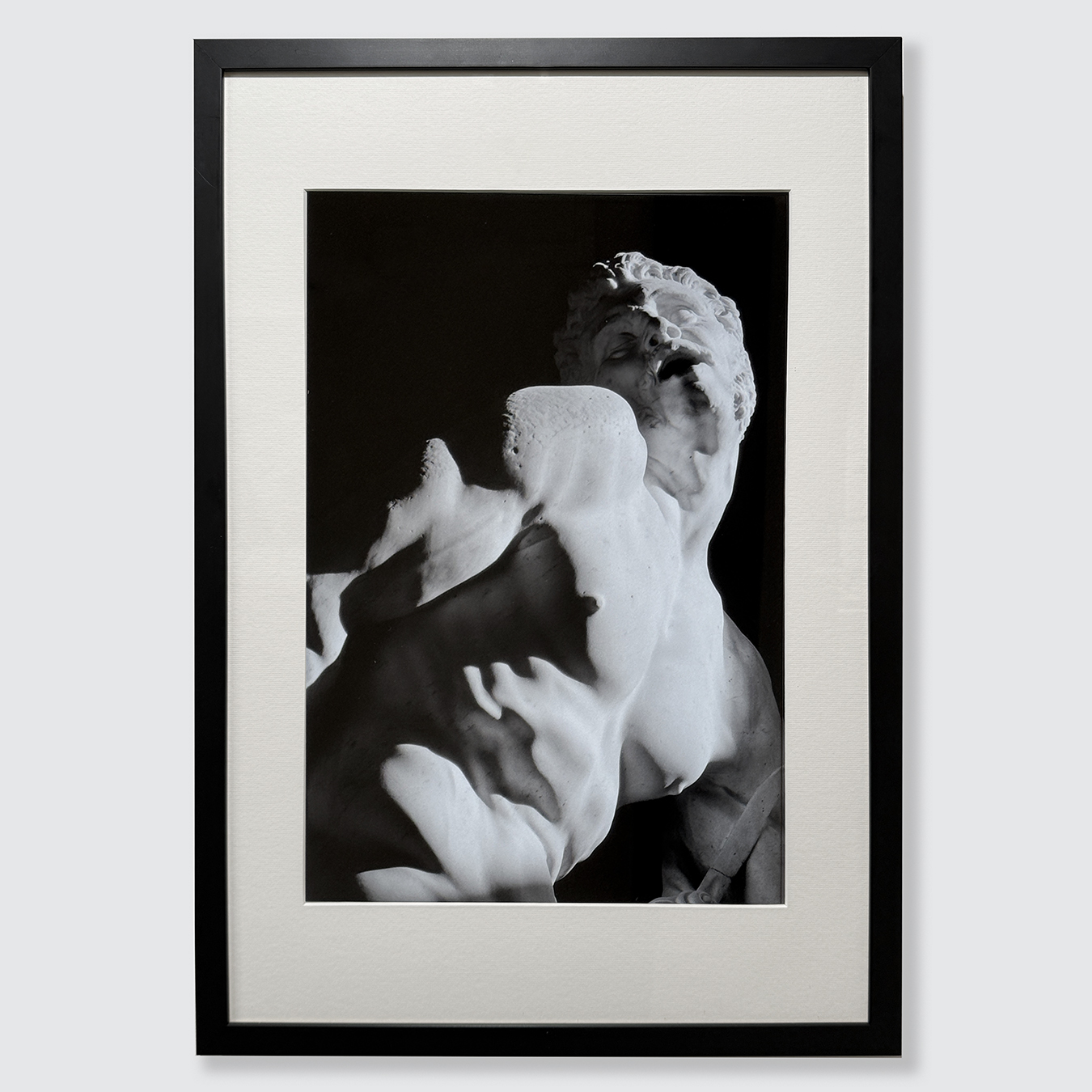

Customizable
Customizable
Customizable
Customizable
Customizable
Customizable
Customizable
Customizable
Customizable
Customizable
Customizable
Customizable

Customizable

Customizable
Customizable
Customizable
Customizable
Customizable
Customizable
Customizable
Customizable
Customizable
Customizable
Customizable
Customizable
Customizable
Customizable
Customizable
Customizable
Customizable
Customizable
Customizable
Customizable