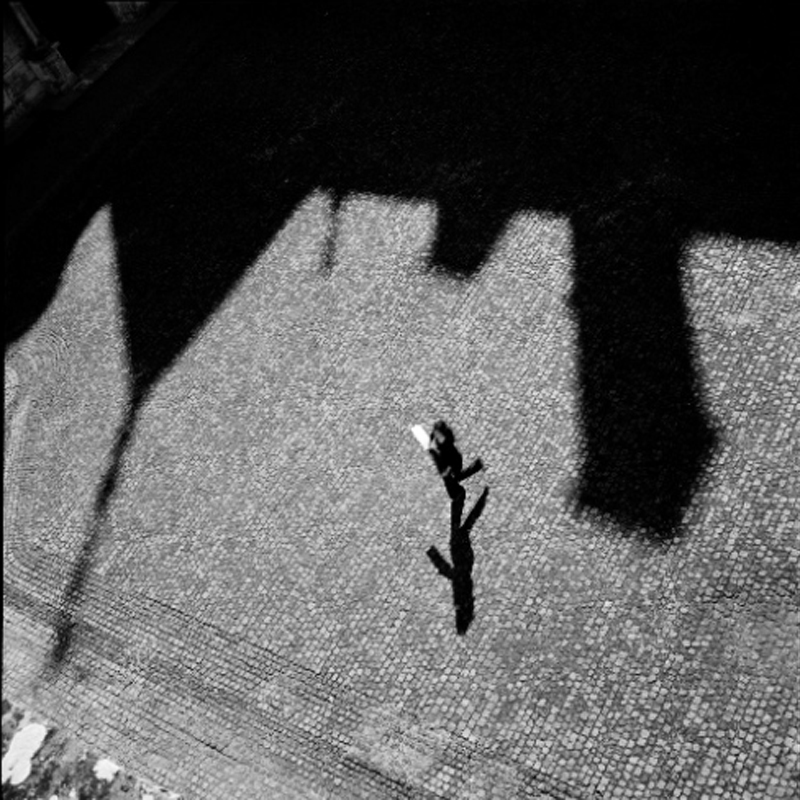
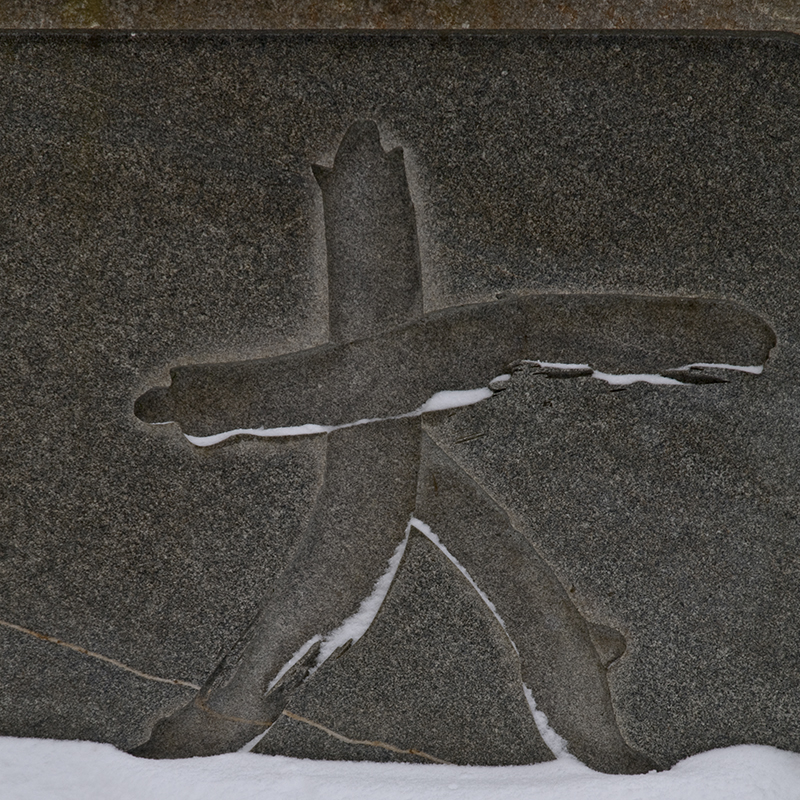
IDEOGRAM OF A GRAVE IN OKUNO-IN CEMETERY, KOYASAN, JAPAN (2011)
Référence :
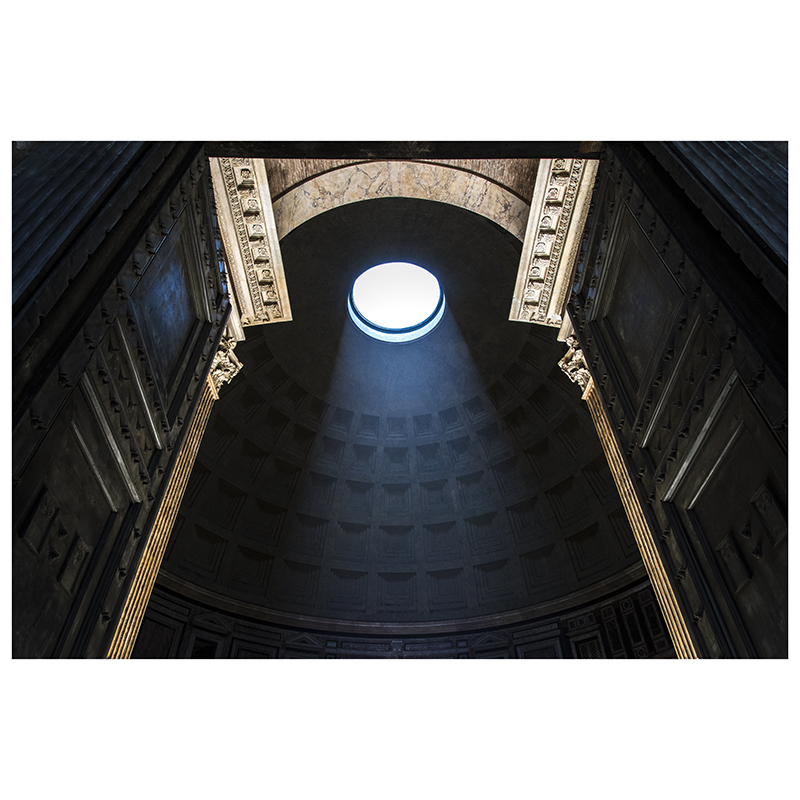
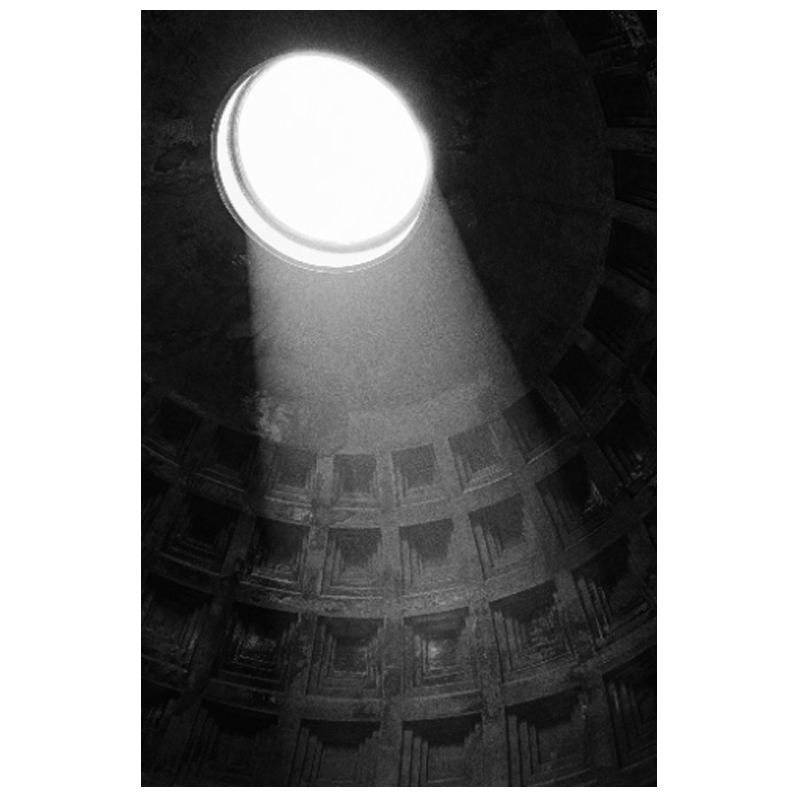
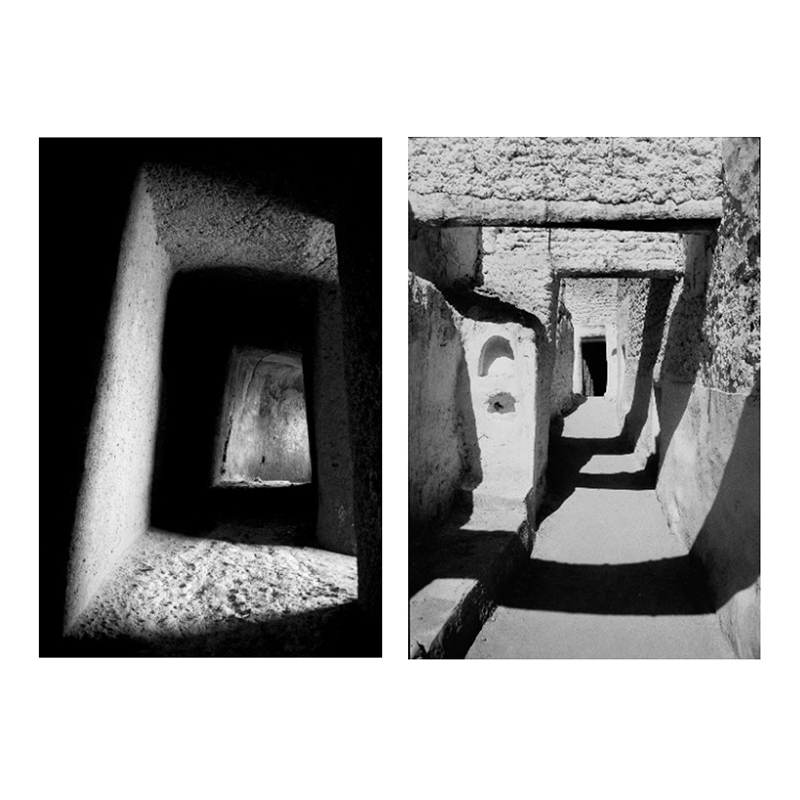
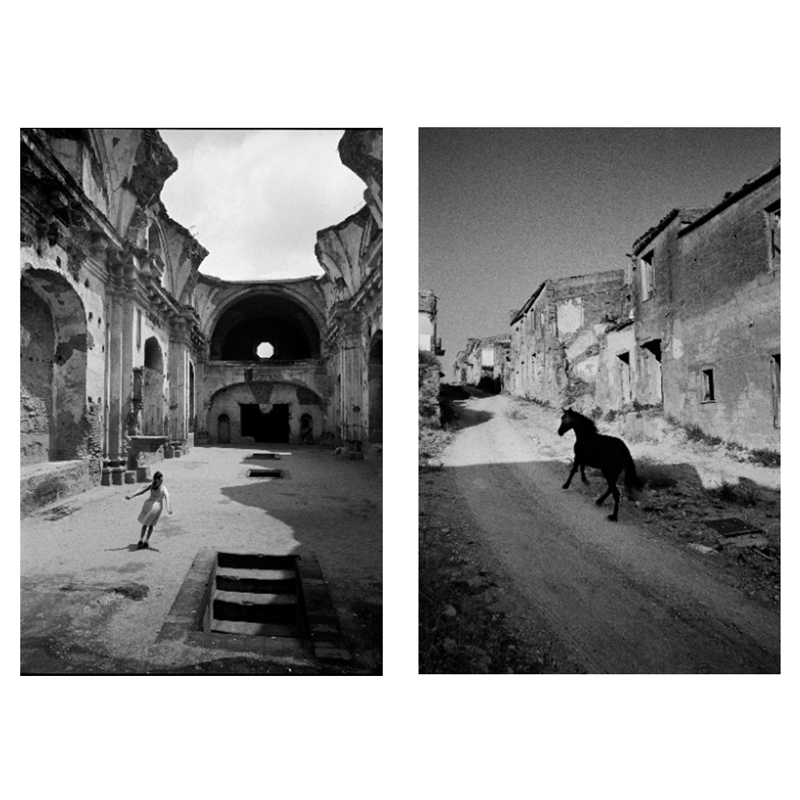
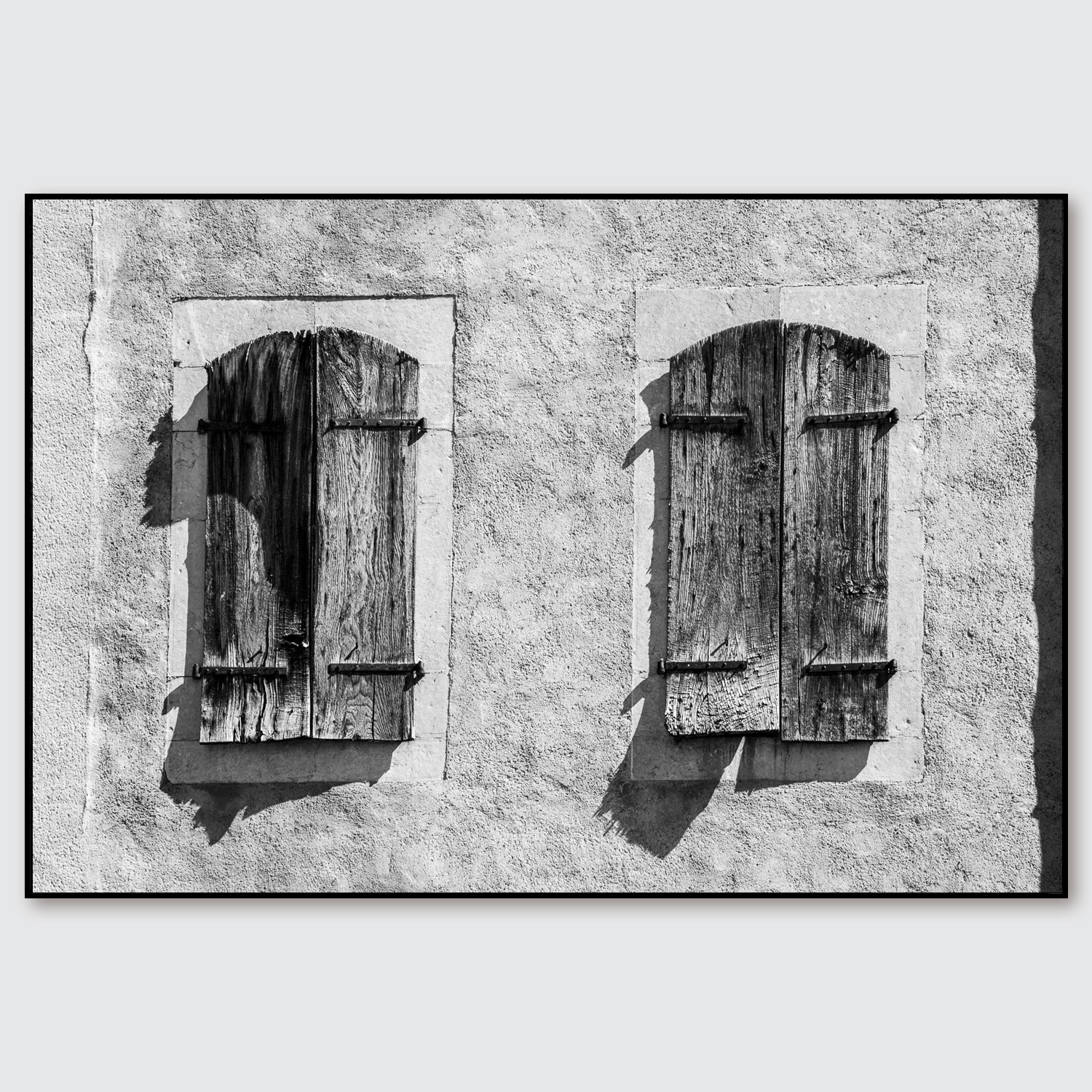
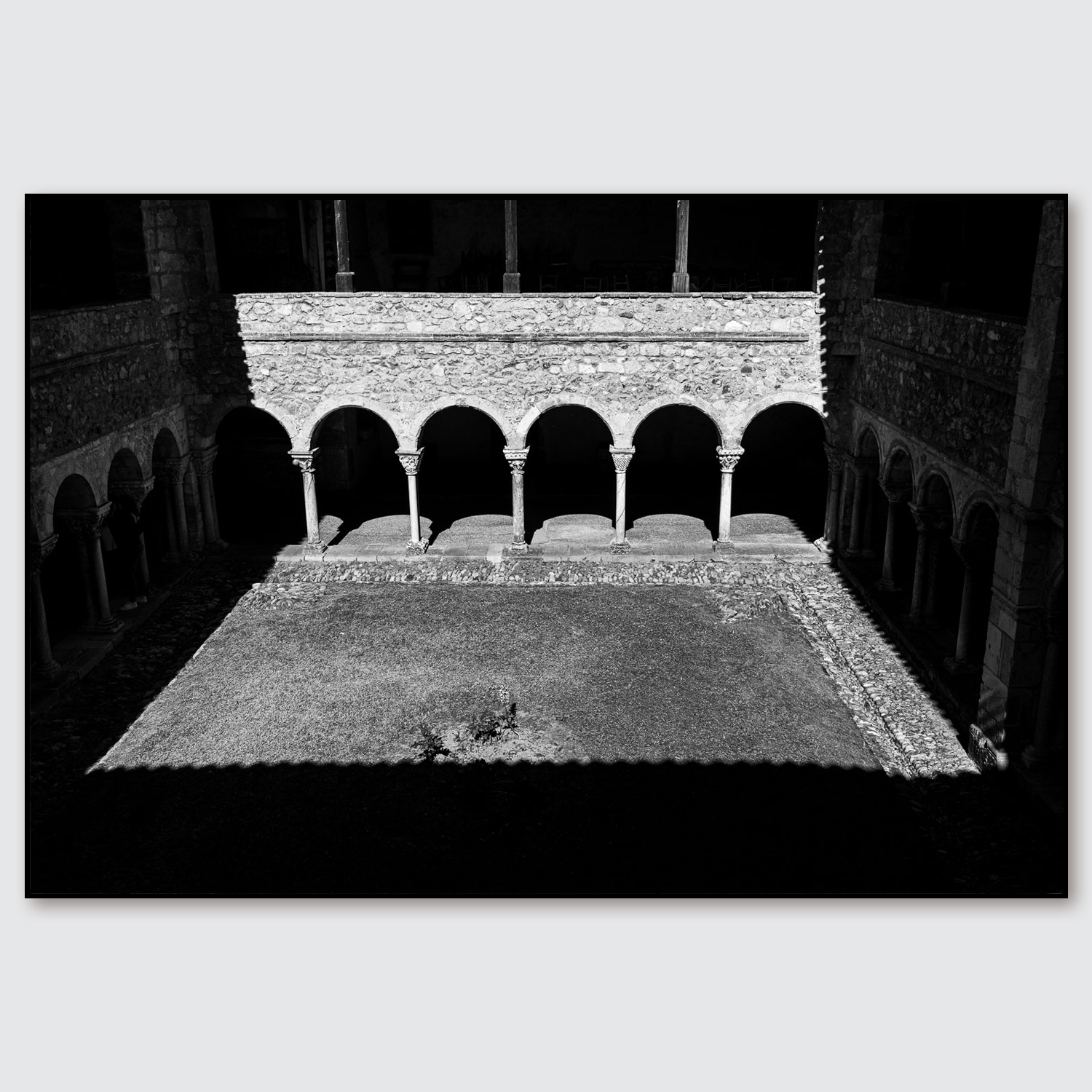
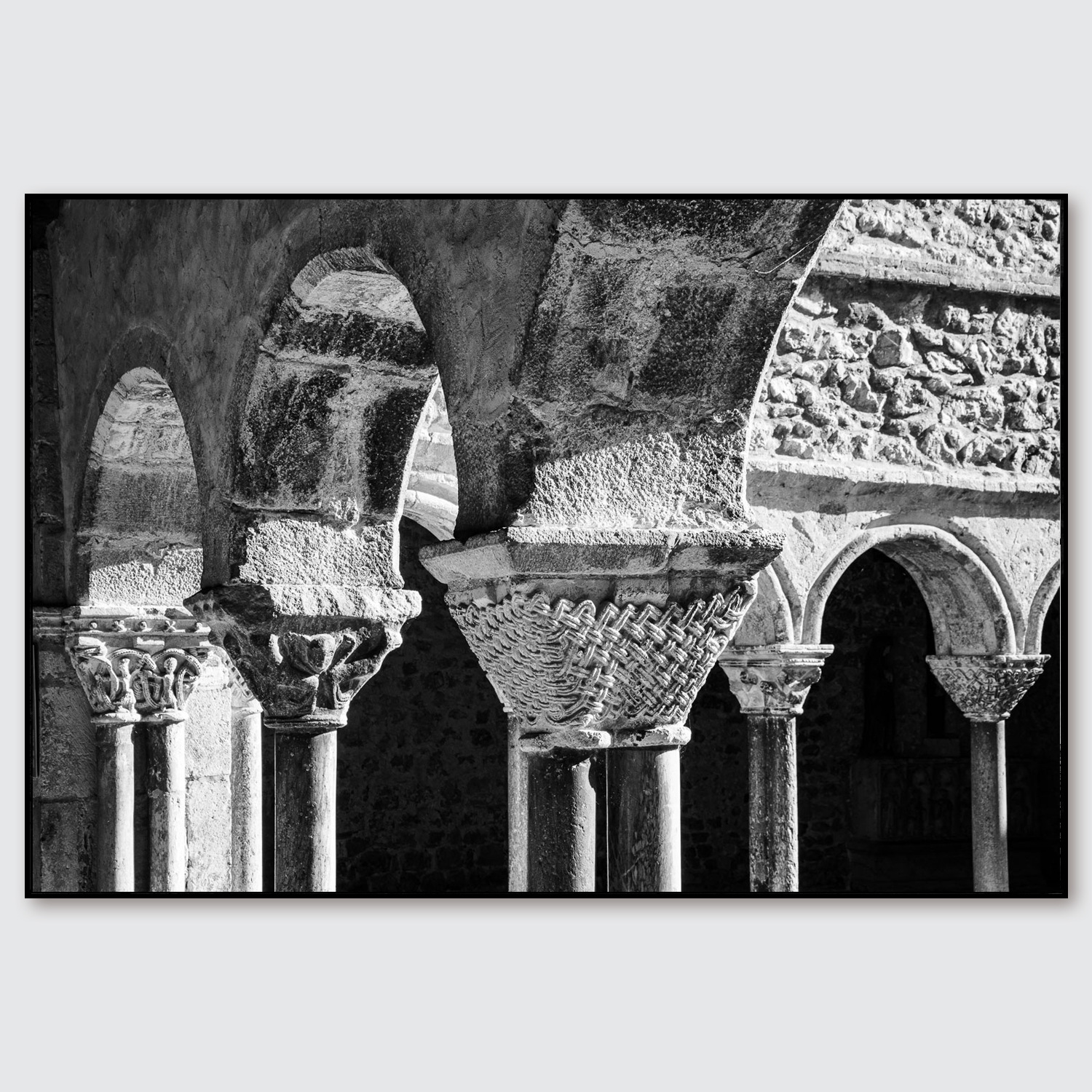
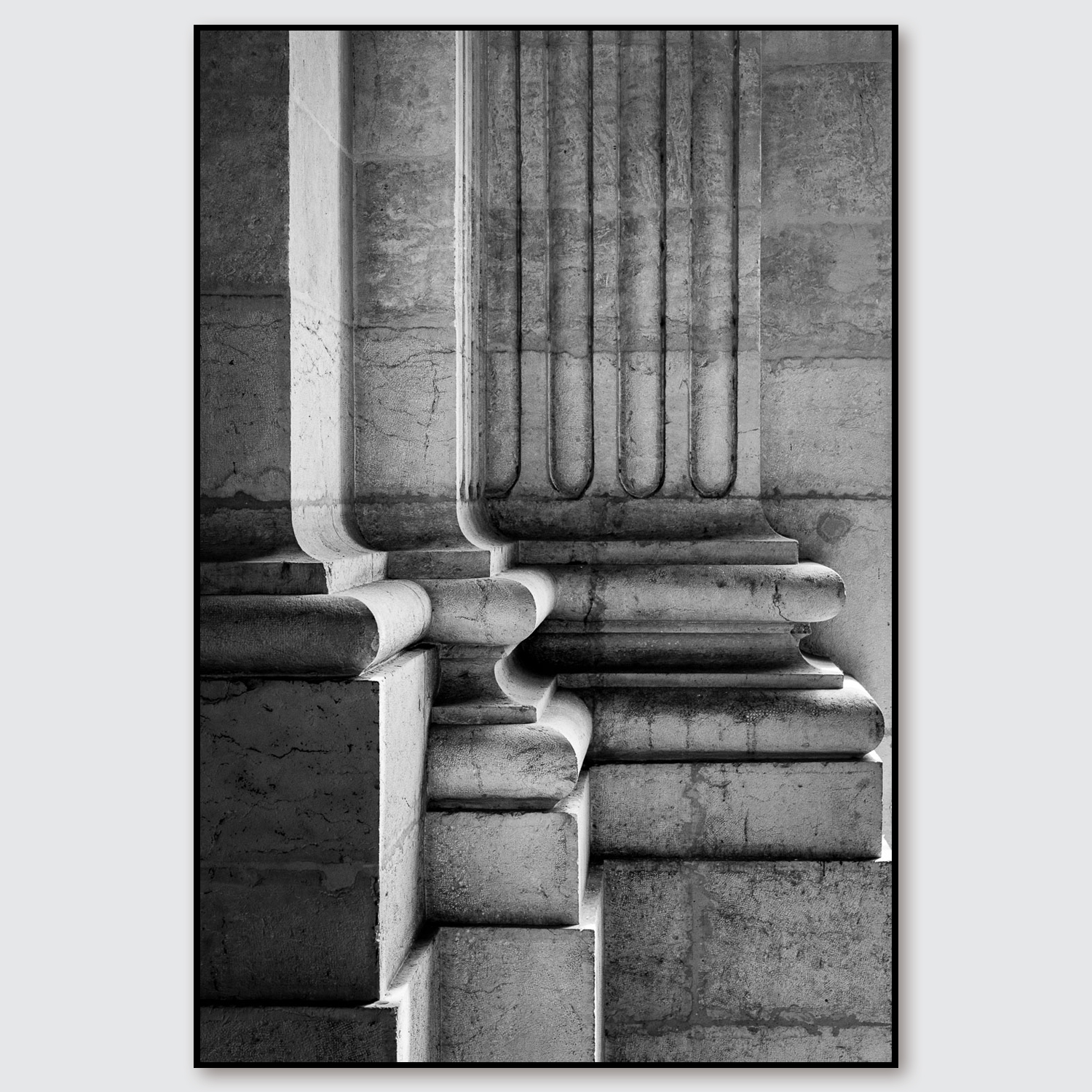
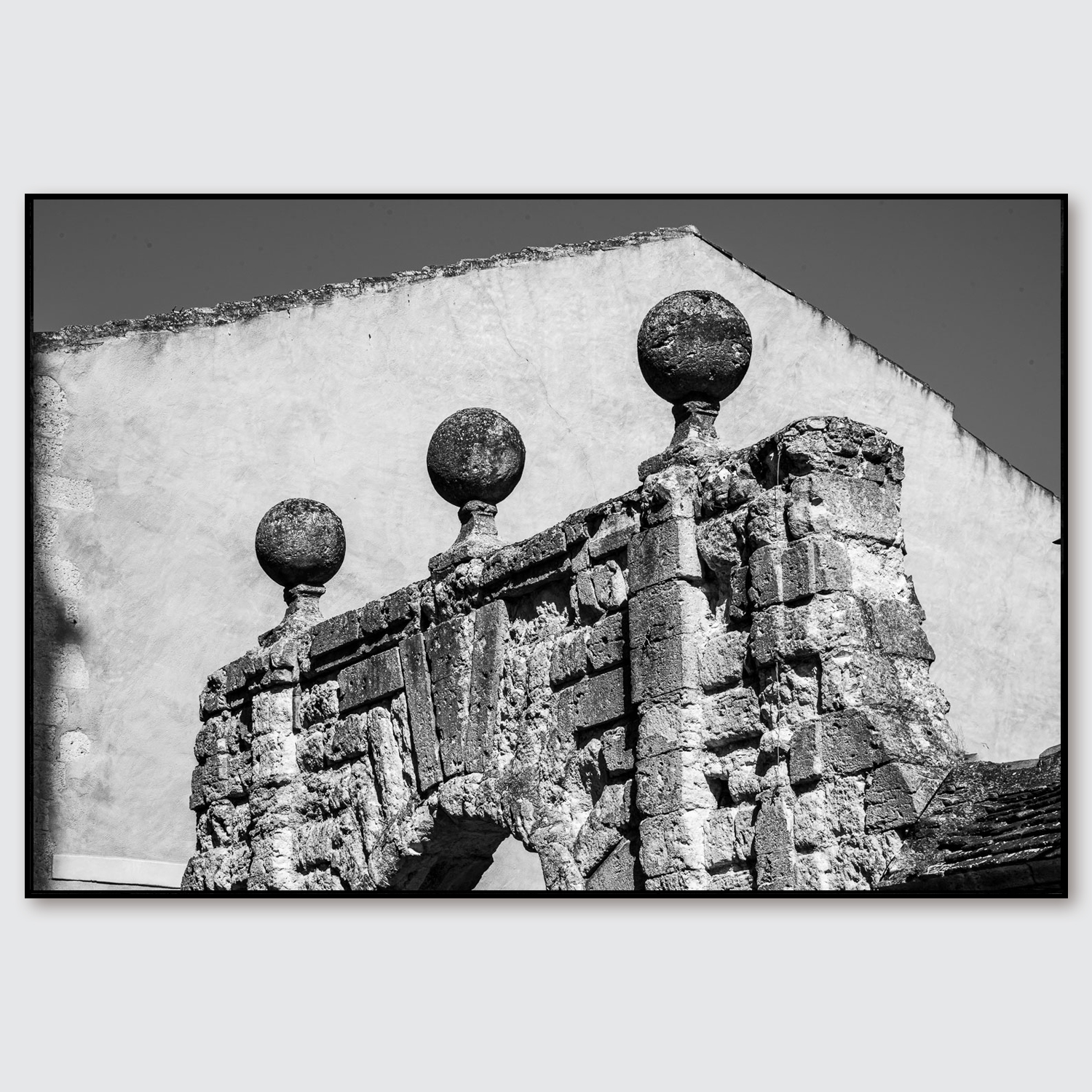
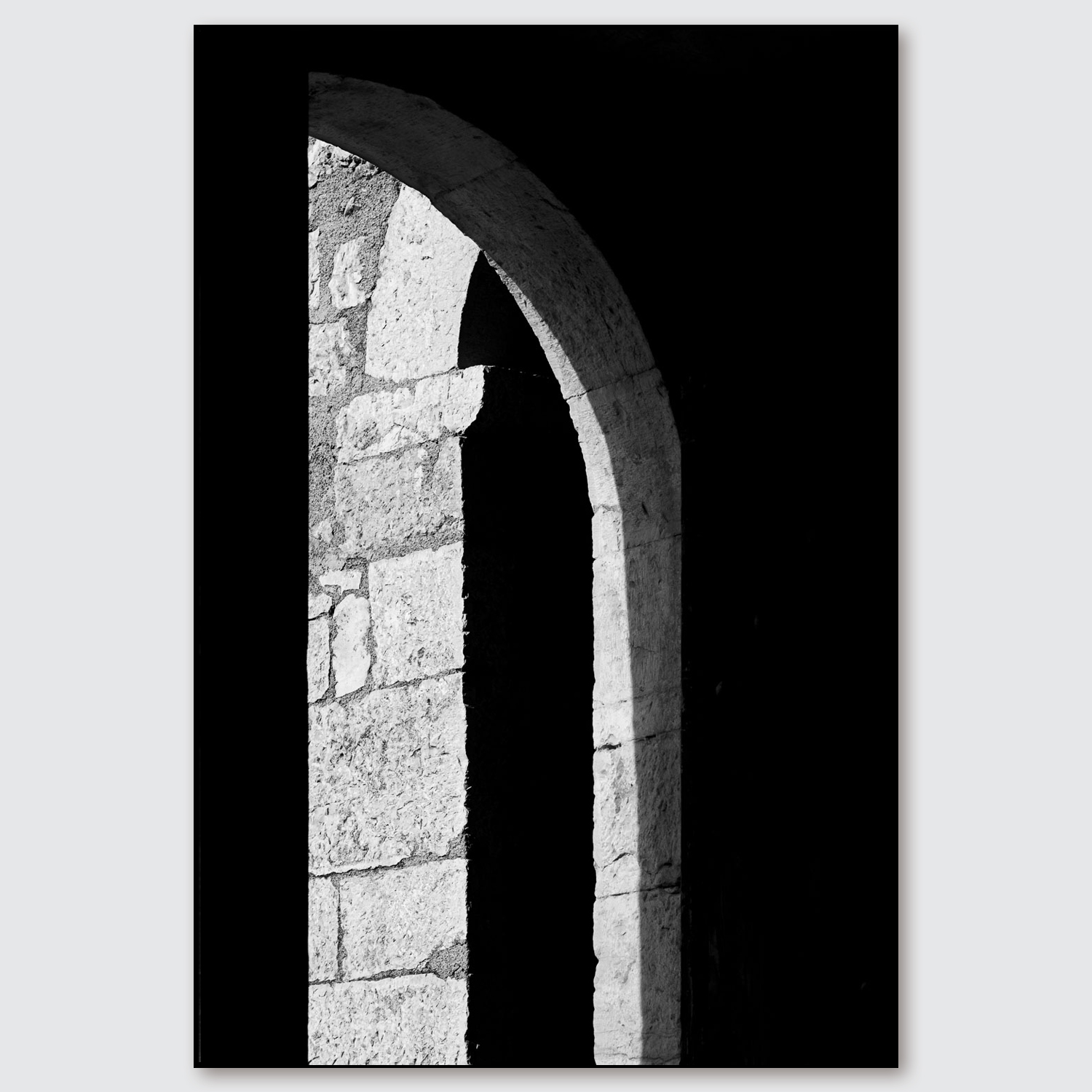
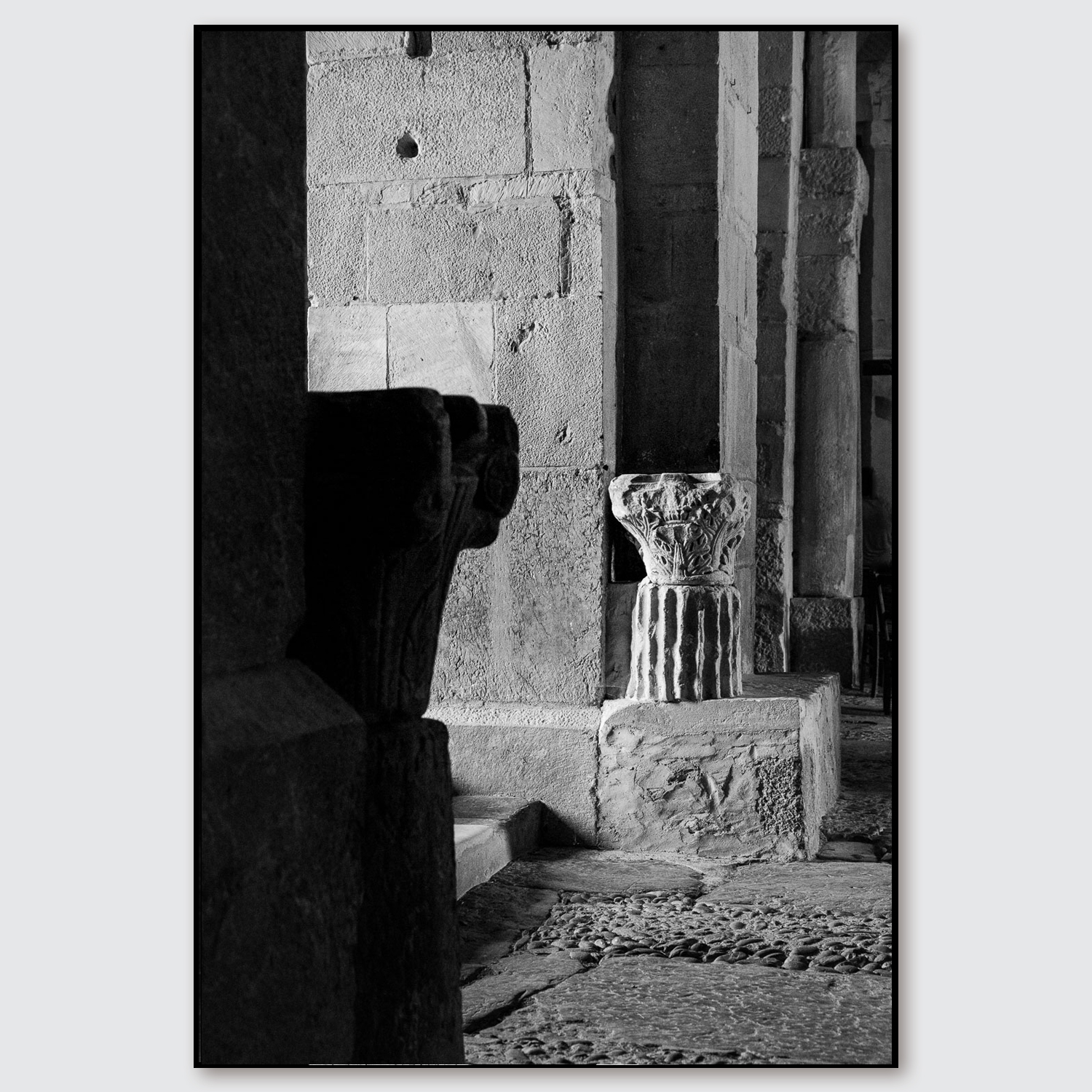
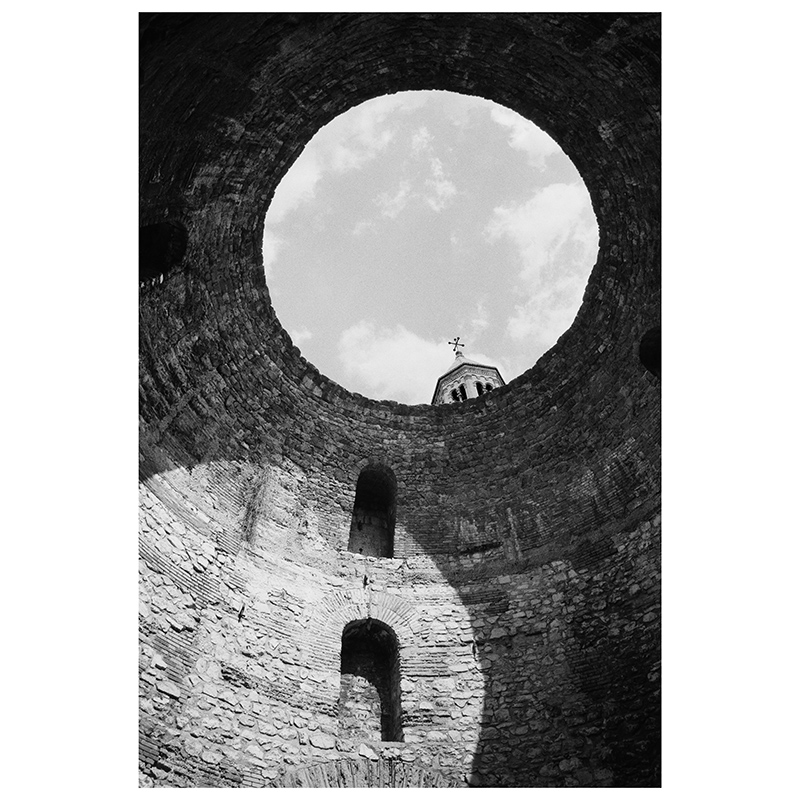
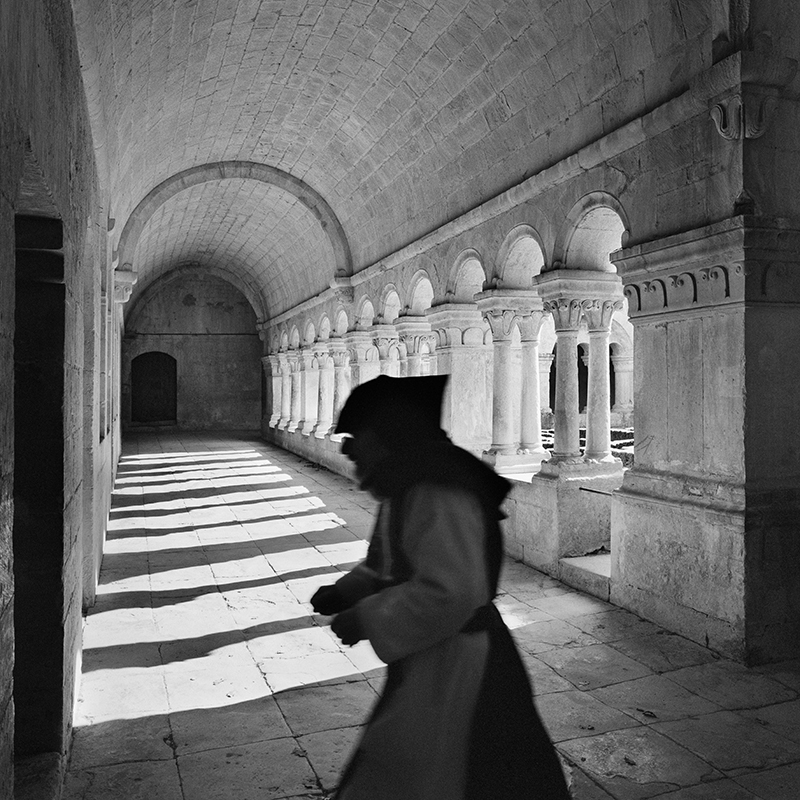
Photograph of a grave in Okuno-in Cemetery in Japan, a place of pilgrimage dedicated to the Buddhist saint Kōbō-Daishi. Ferrante Ferranti explores the vestiges of the past through plays of light and shadow. With the soul of an archaeologist, this architect by training combines his photographic work with his passion for antiquity and the Baroque.
Length : 1.18 in / 3 cm
Height : 15.75 in / 40 cm
Width : 15.75 in / 40 cm
Weigth : 4.41 lb / 2 kg
Artist : Ferrante Ferranti
Technique: Digital photography
Support: Fine Art Pearl Paper laminated on dibond
Supervision: No
Dimensions: 40 x 40 cm
Number of copies: 21, signed and numbered
Year: 2011
Inspiration: The Okuno-in Cemetery, located on Mount Kōya, is one of the holiest places in Buddhism in Japan: it is here that the mausoleum of the monk Kūkai, founder of the Shingon school, rests, surrounded by an ancient funerary space where thousands of tombs, stelae and monuments mingle with hundred-year-old trees.
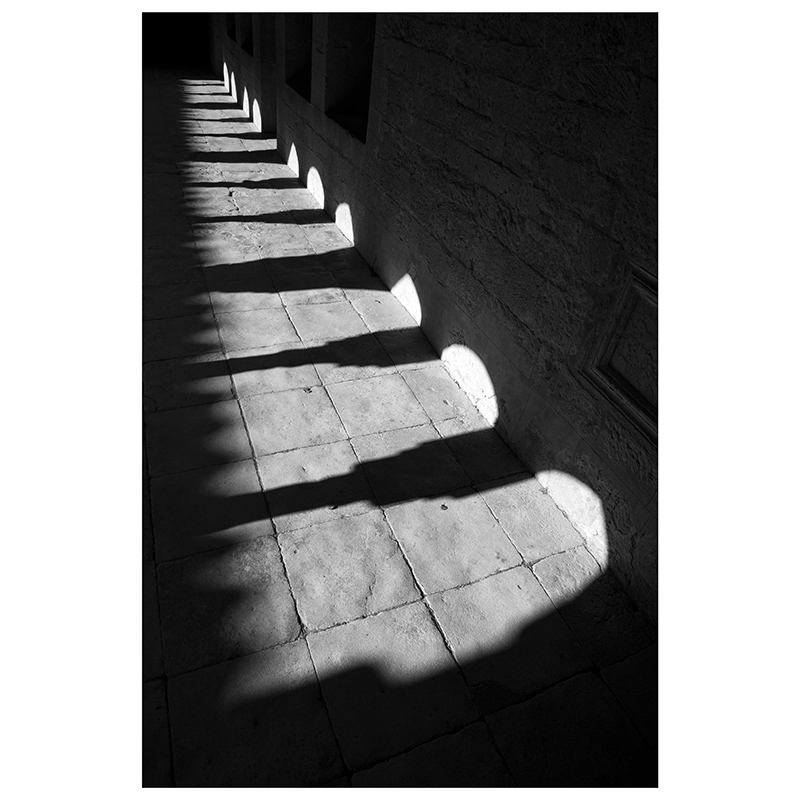
In this photograph, Ferrante Ferranti does not limit himself to reproducing the engraved form: he brings out the silent trace of time. The framing and the light sculpt the stone, revealing the texture of the surface and the ideogram — an engraved sign, a mark of identity and memory — as a poetic presence in the landscape of the dead.
The image becomes a visual meditation on line, matter and human inscription in the sacred space: the engraved writing is no longer just a funerary sign, but imbued with a dialogue between the visible and the invisible, between life and memory.
Ferrante Ferranti
FRANCE
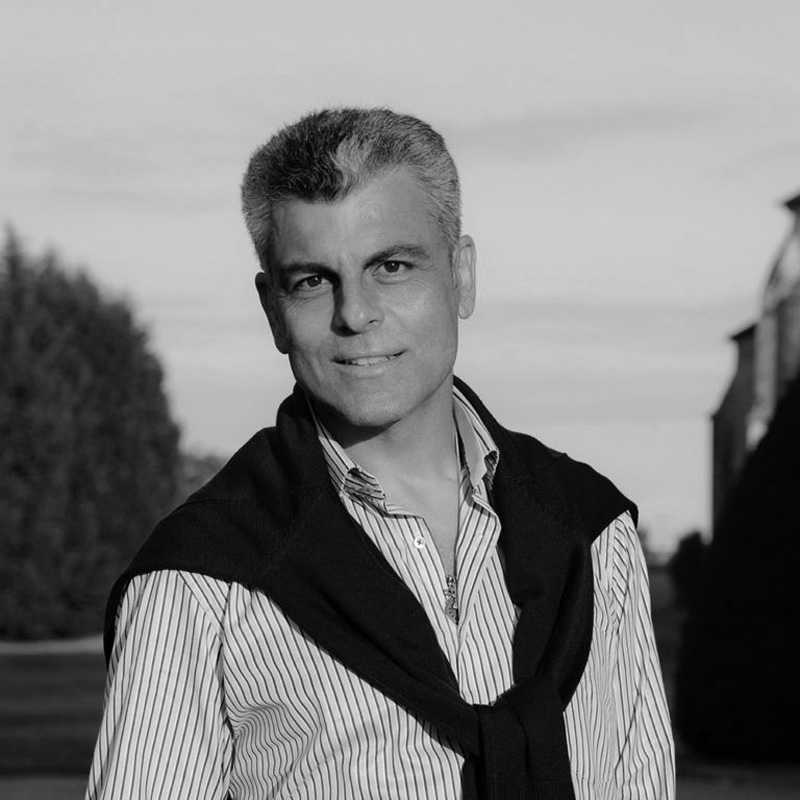
Born January 13, 1960 in Algeria, of a Sardinian mother and a Sicilian father. He took his first photograph at the age of eighteen, a wave in Belle-Île-en-Mer. Passionate about Fernand Pouillon’s book, Les Pierres Sauvages, he began training as an architect in Toulouse, which he completed at Paris-UP6 in 1985 with a diploma in Theaters and scenography in the Baroque era. Traveling photographer, he has been involved for thirty years with Dominique Fernandez in a joint exploration of the Baroque and the different layers of civilizations, from Syria to Bolivia via Sicily and Saint Petersburg. His photographs dialogue with the texts of the writer, who defines him in the album Itinerrances (Actes Sud, 2013) as “the inventor of a language which links the sun to the ruins, in search of the meaning hidden in the forms” .
Collection

Customizable
Customizable
Customizable
Customizable
Customizable
Customizable
Customizable
Customizable
Customizable
Customizable
Customizable
Customizable

Customizable

Customizable
Customizable
Customizable
Customizable
Customizable
Customizable
Customizable
Customizable
Customizable
Customizable
Customizable
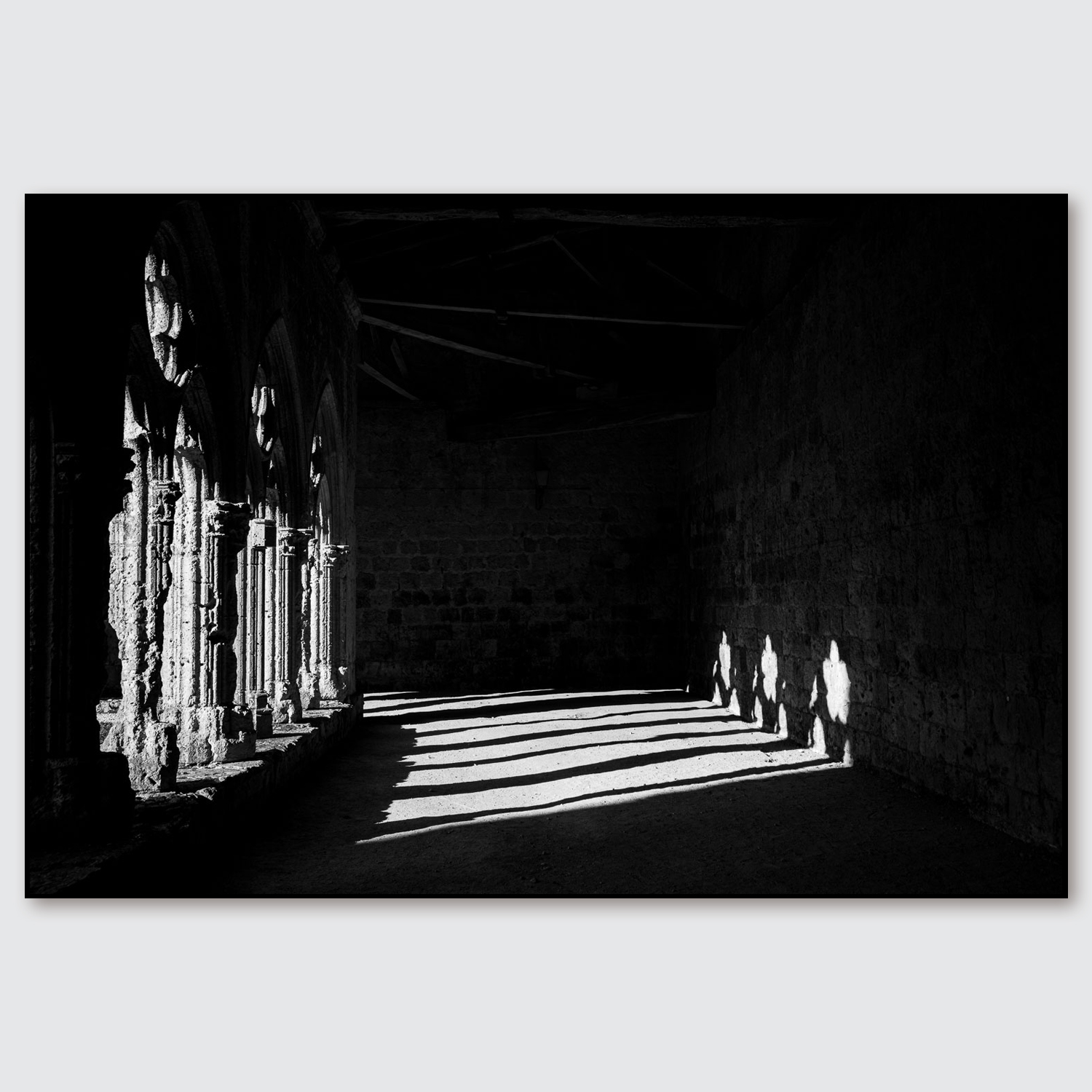
Customizable
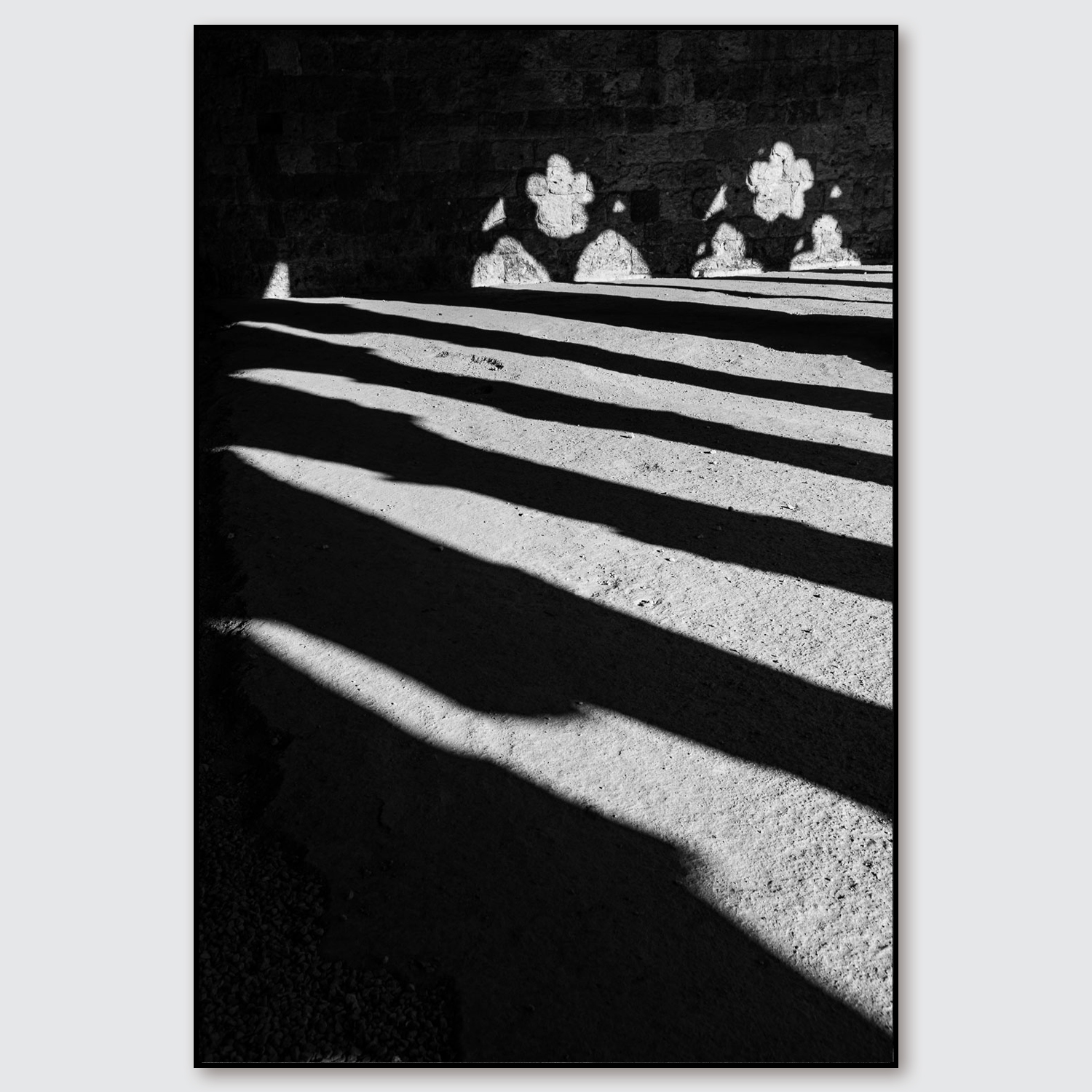
Customizable
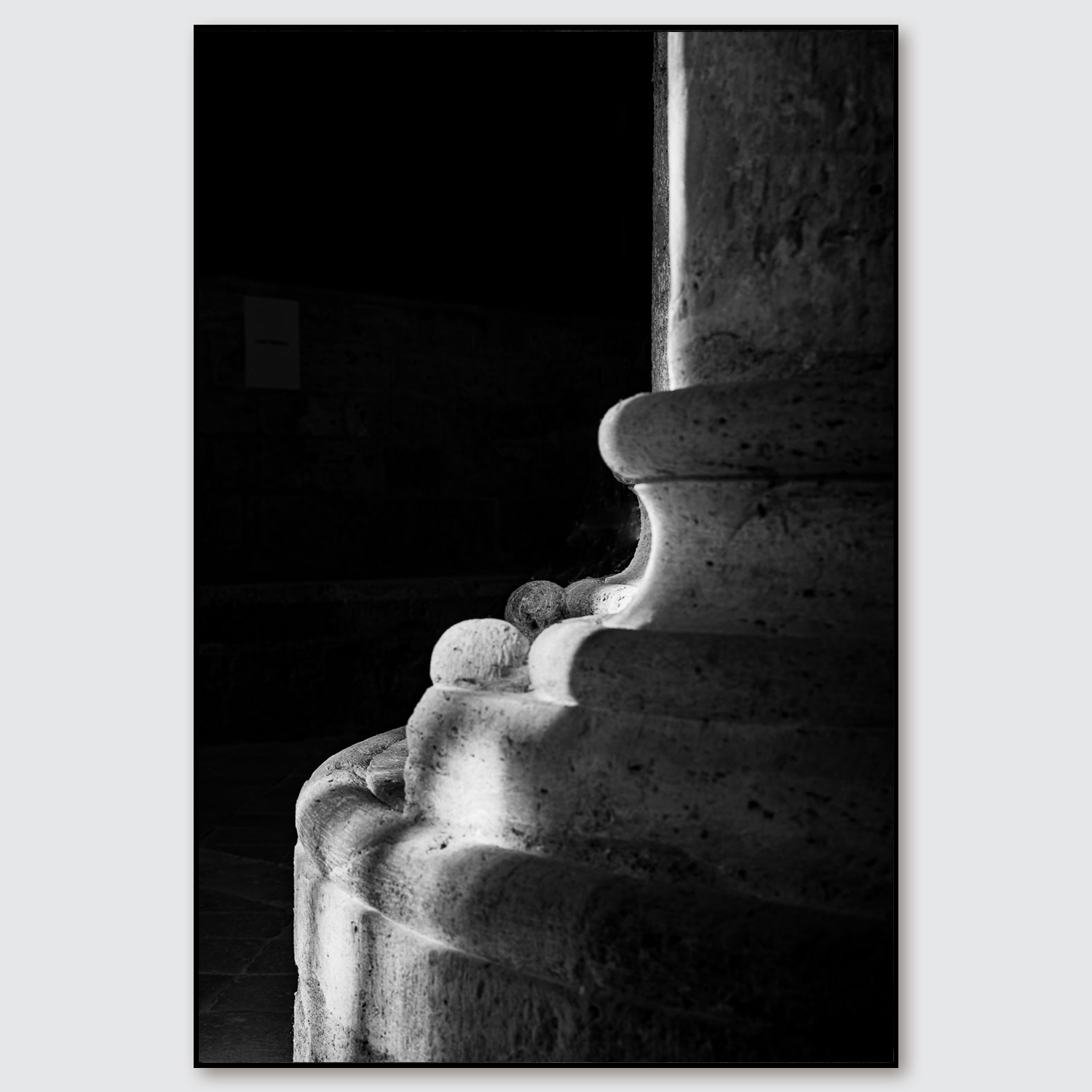
Customizable
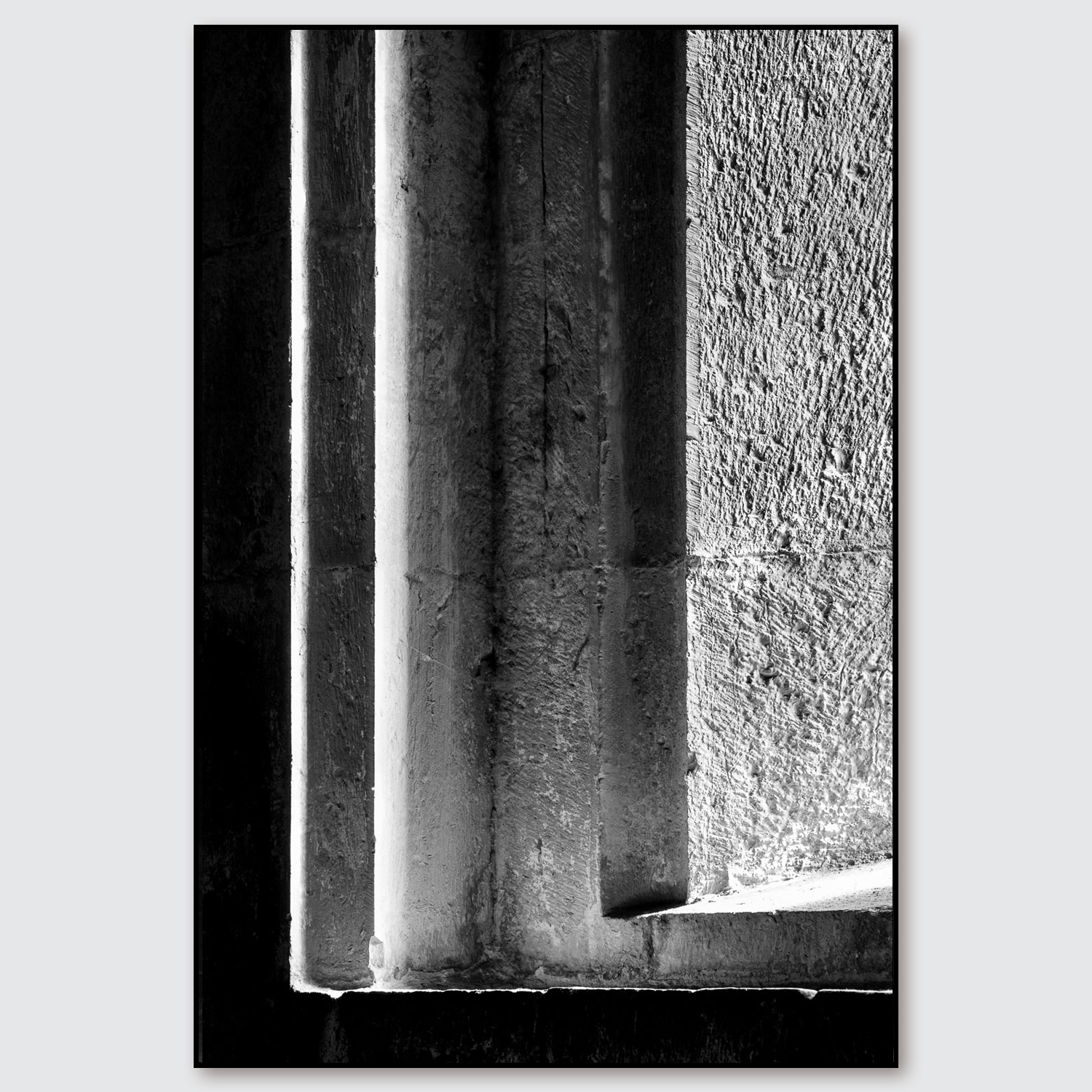
Customizable
Customizable
Customizable
Customizable
Customizable
Customizable