PYRAMID OF CAIUS CESTIUS, ROME
Référence :
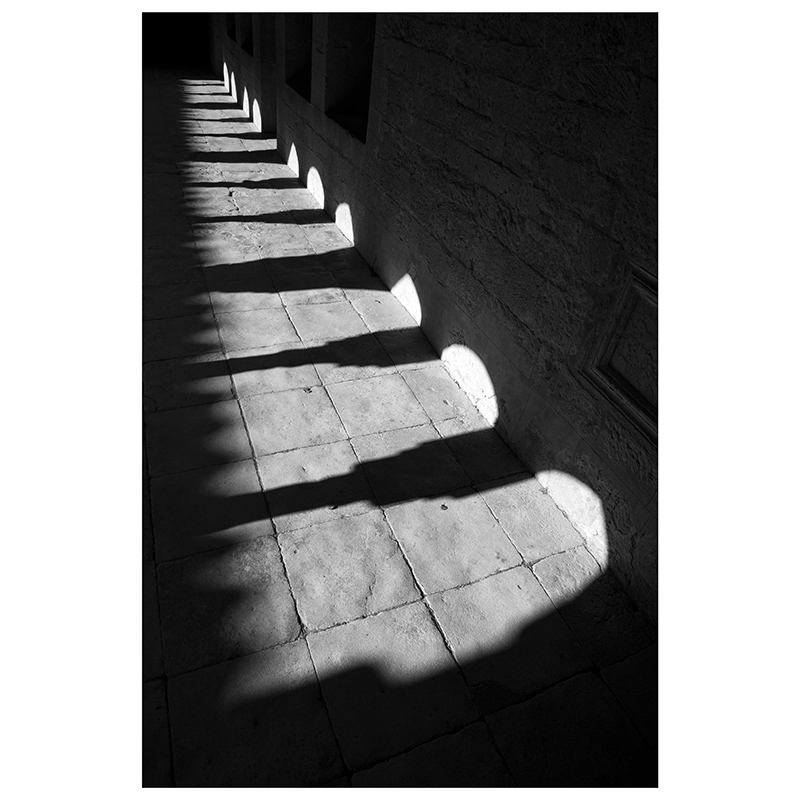
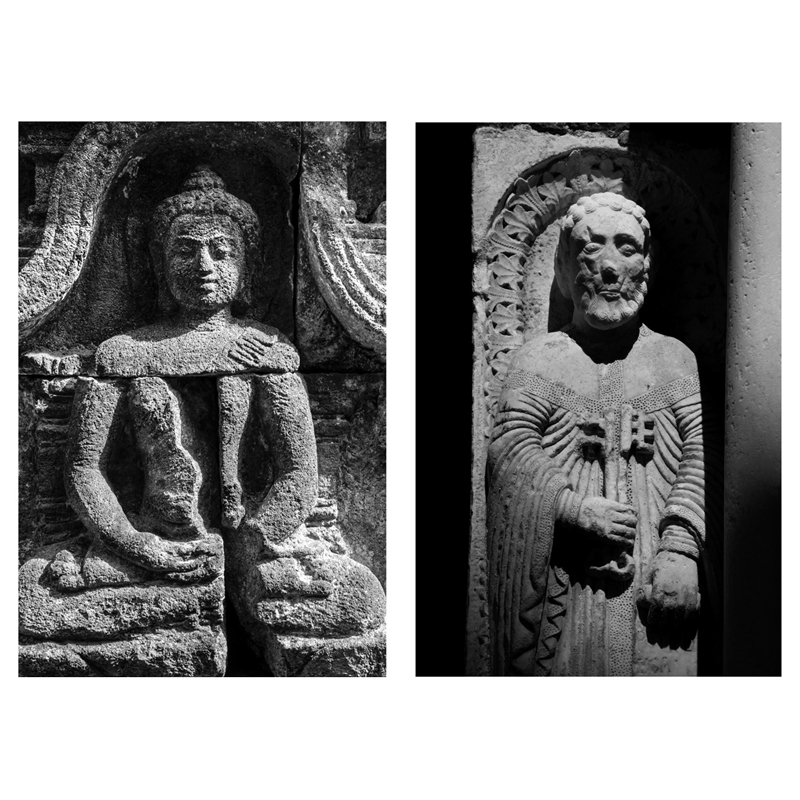
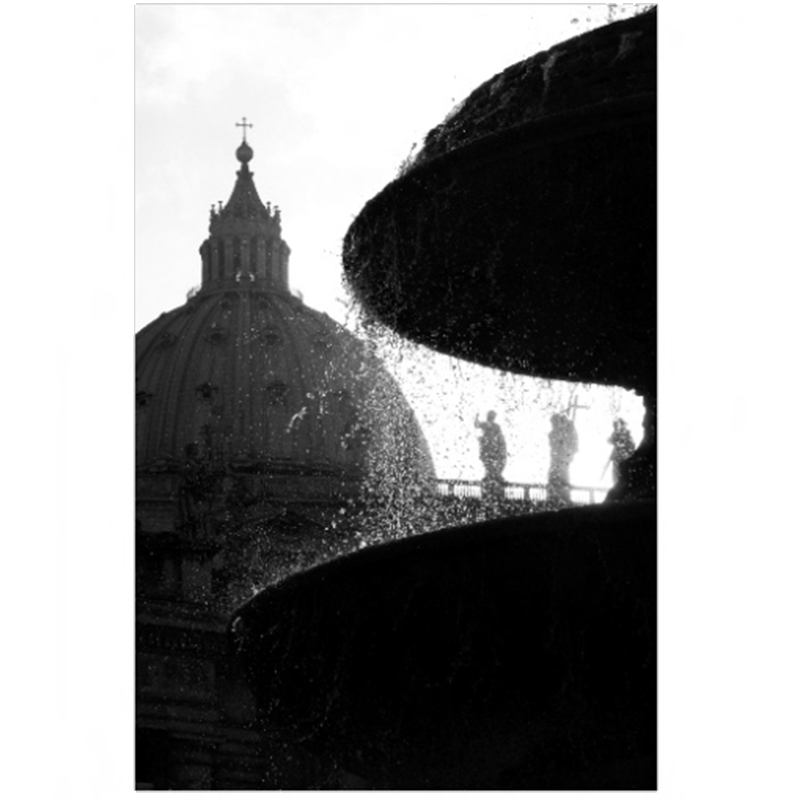
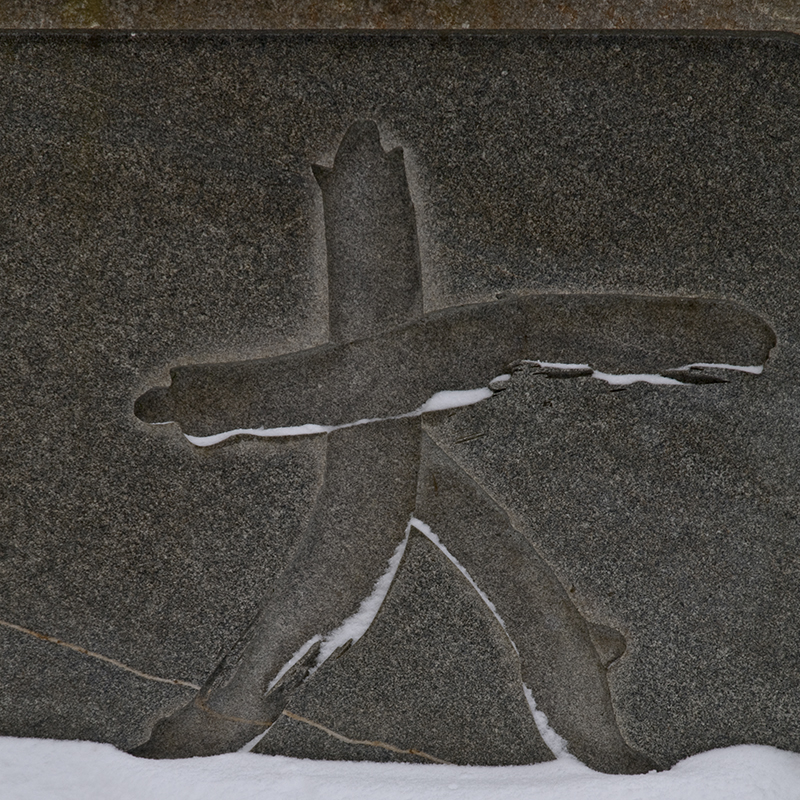
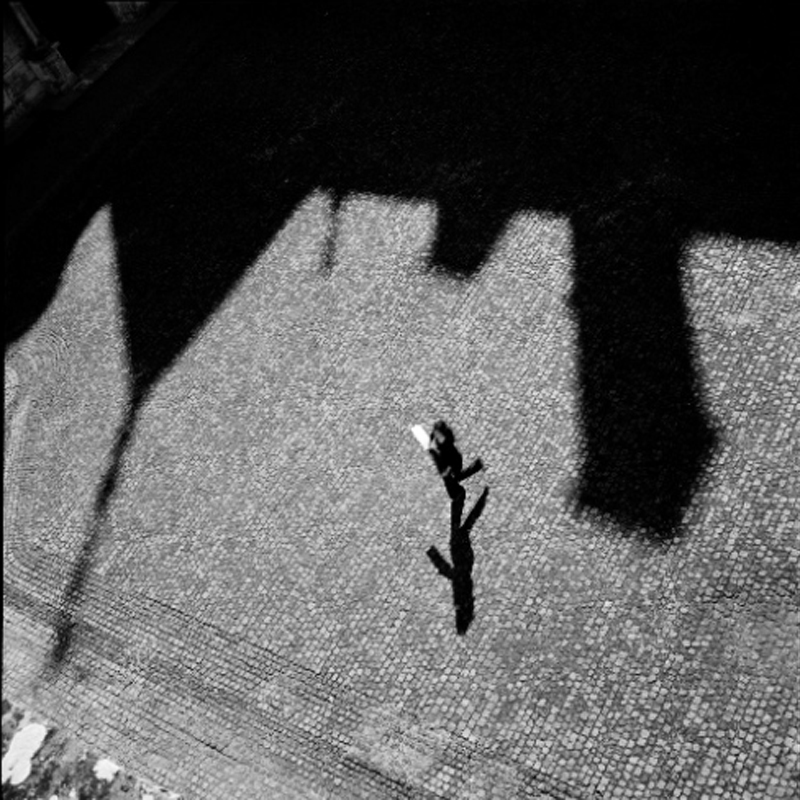
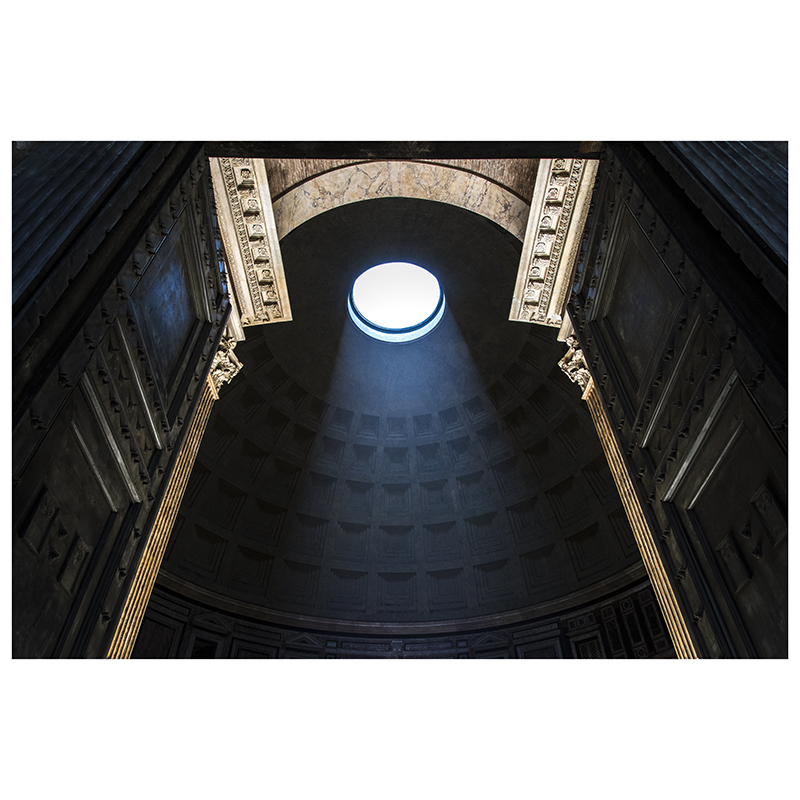
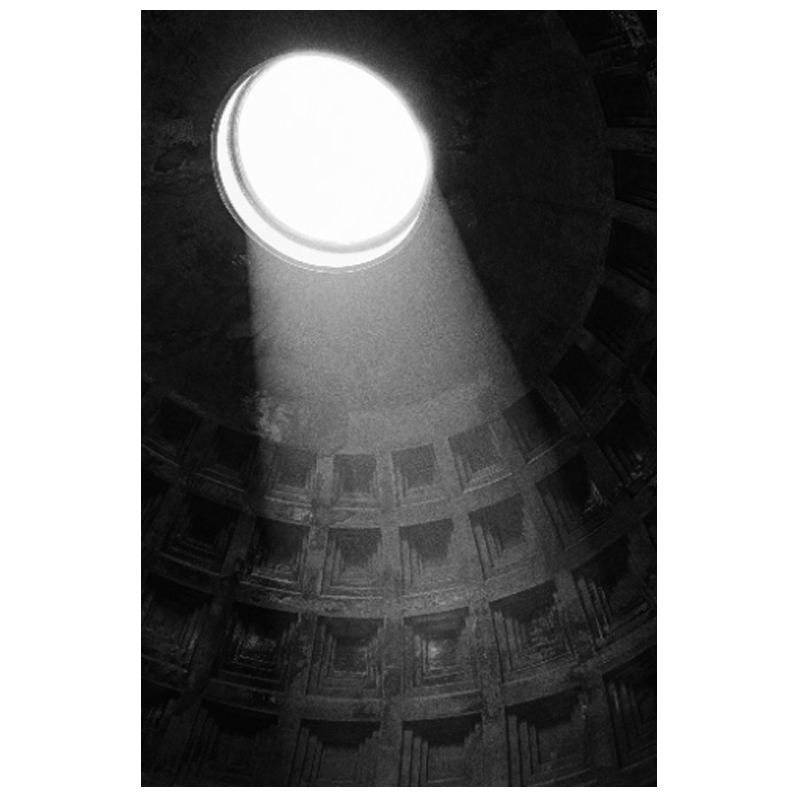
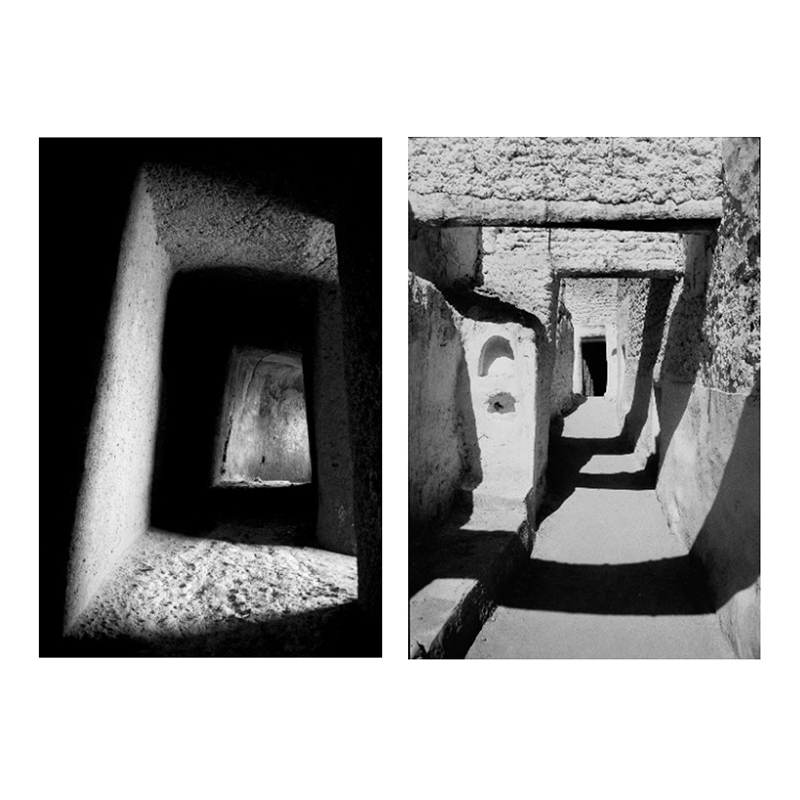
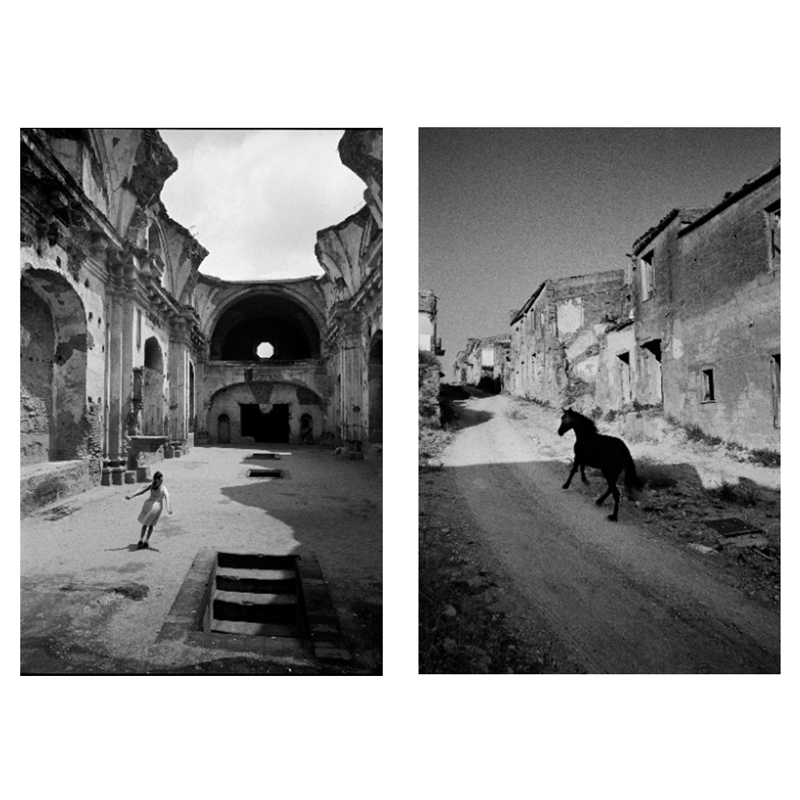
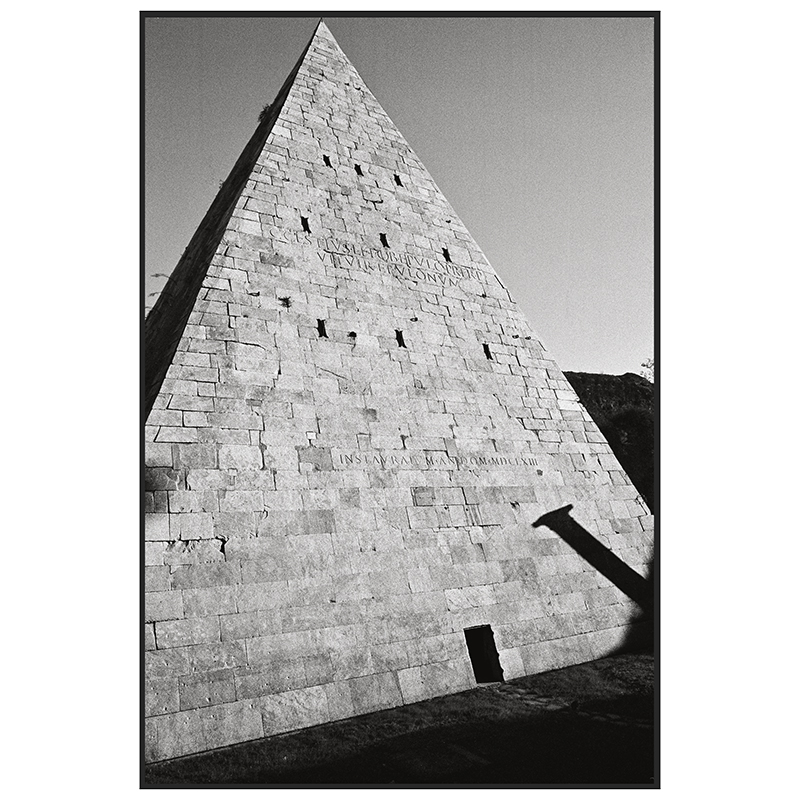
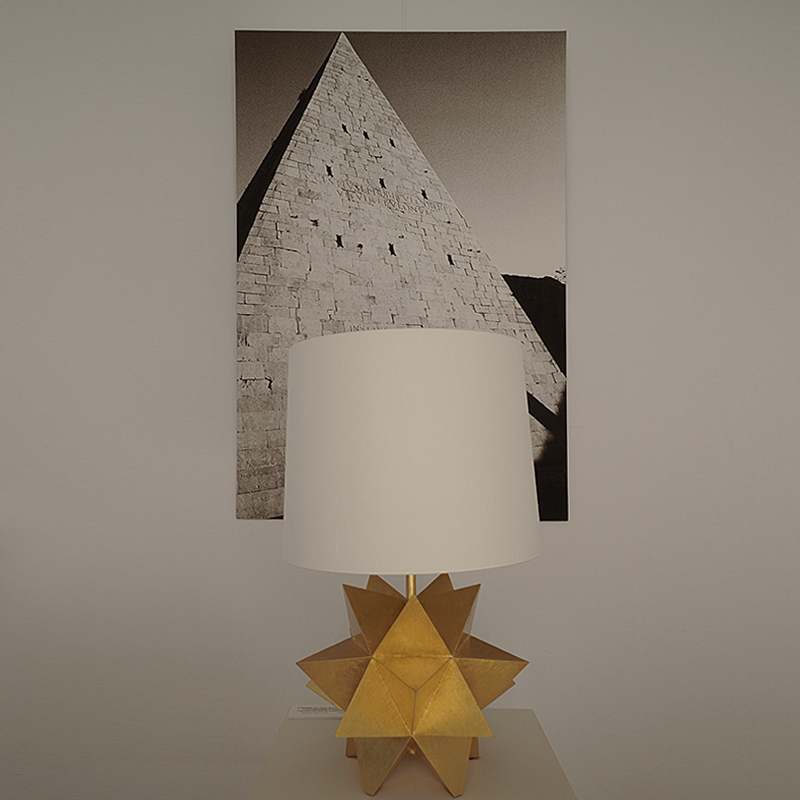
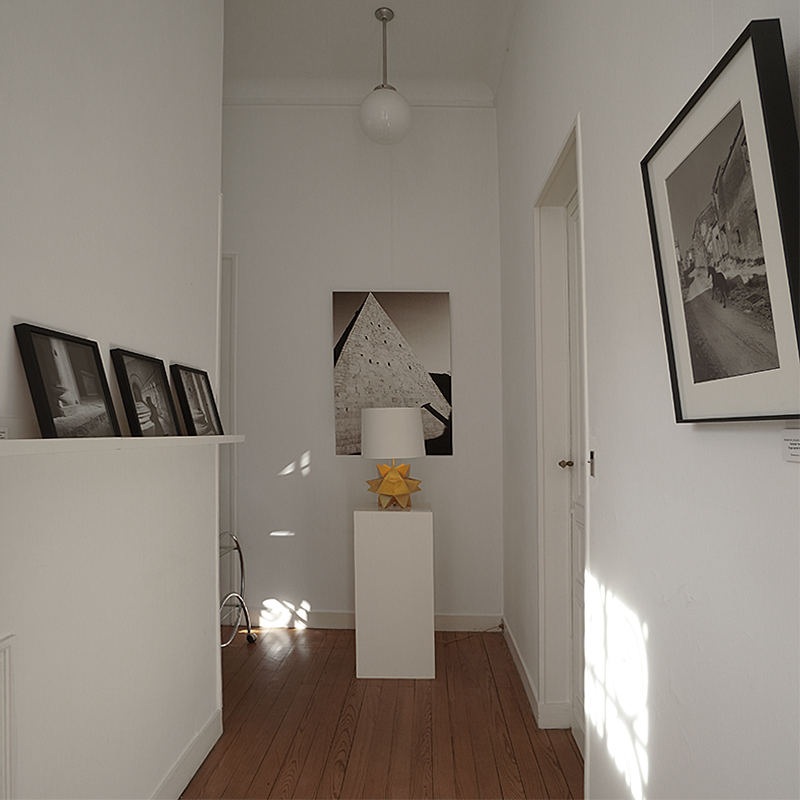
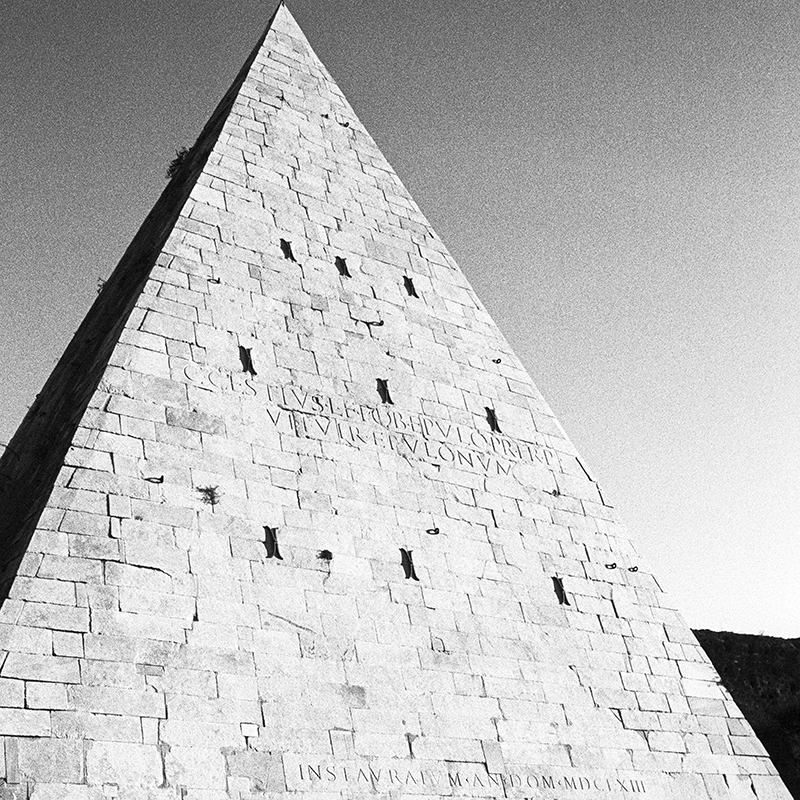
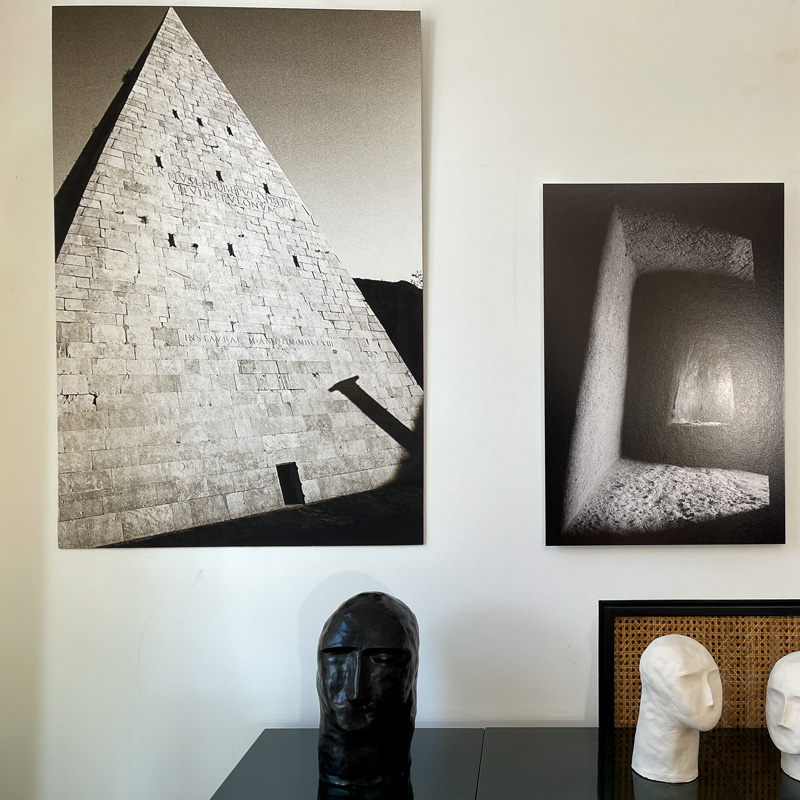
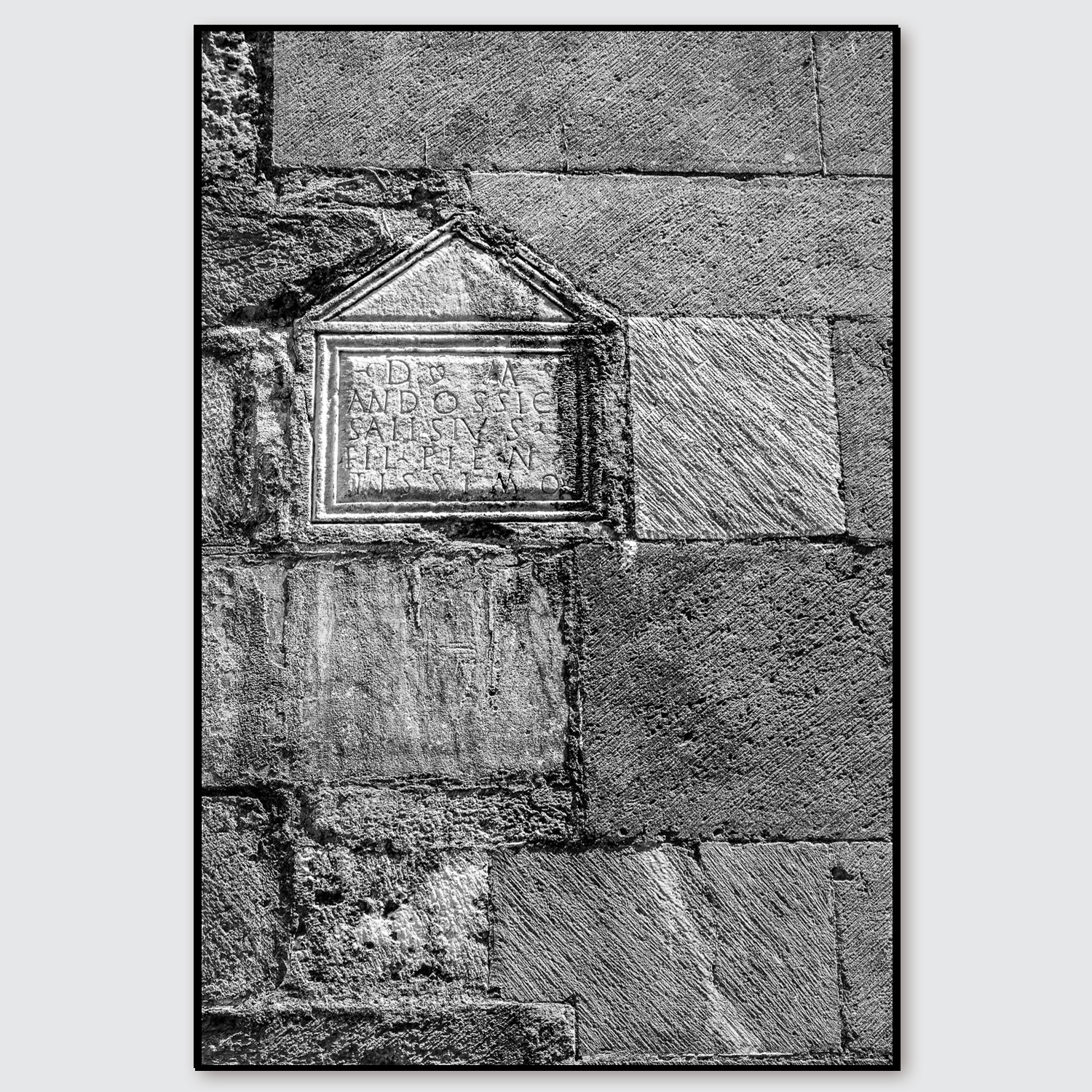
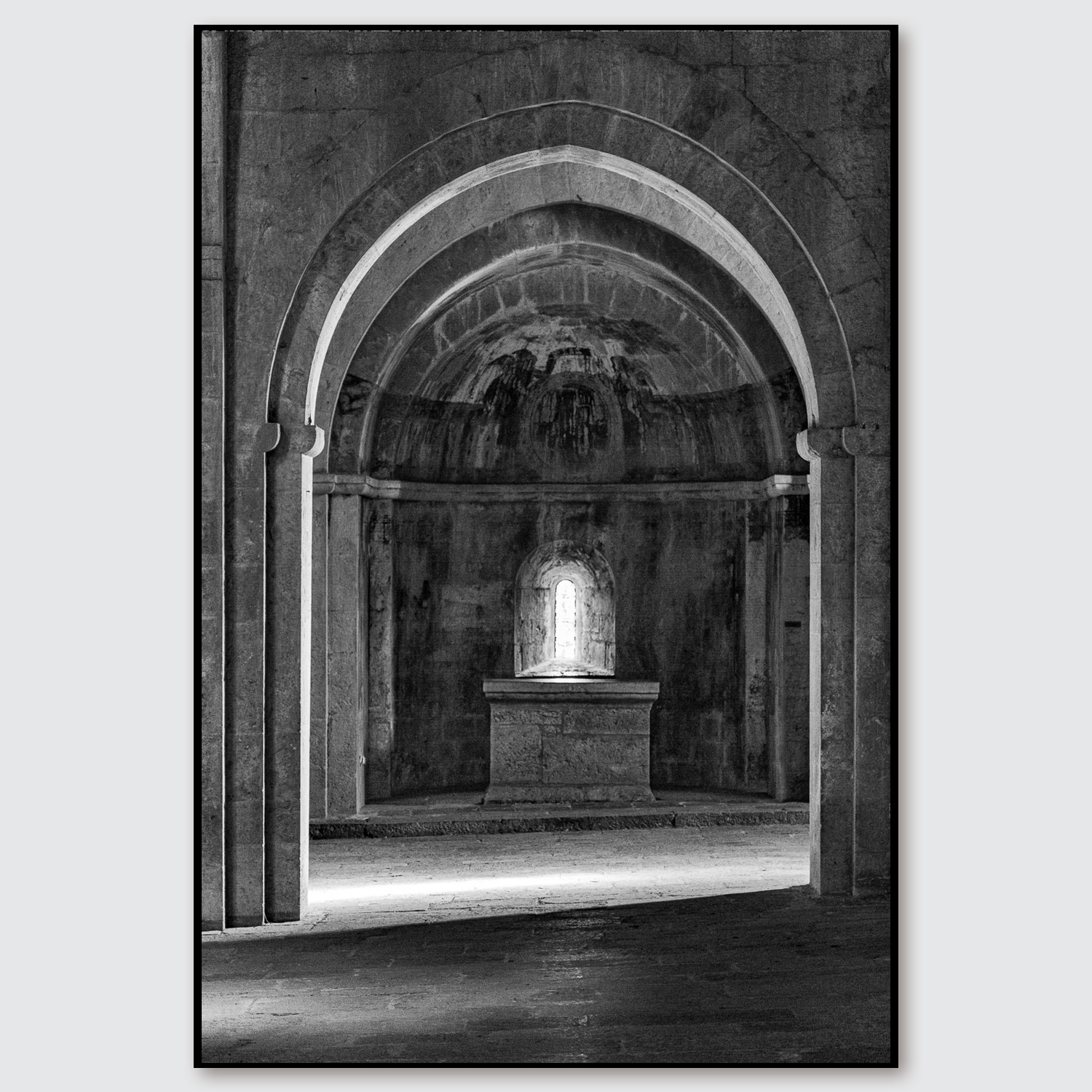
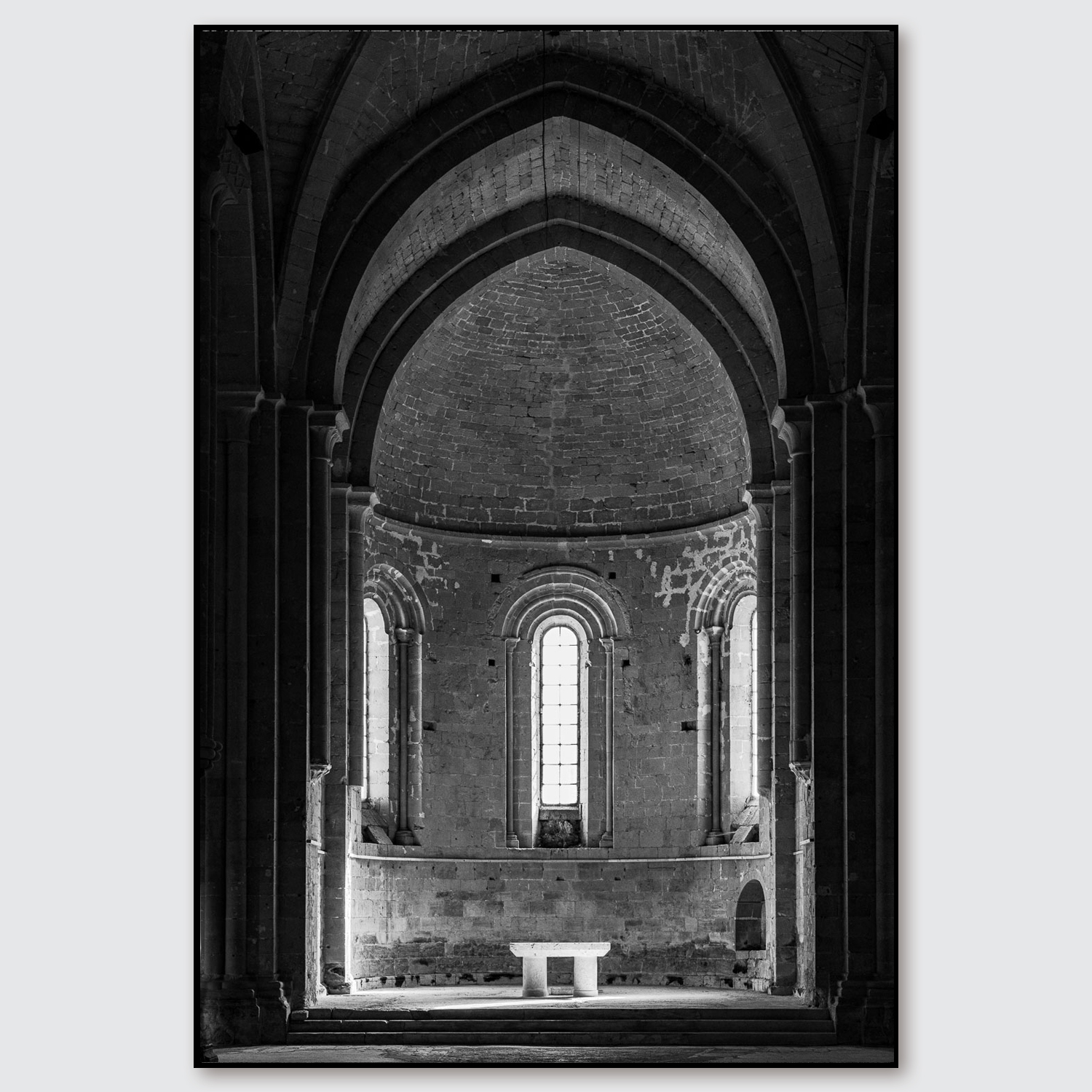
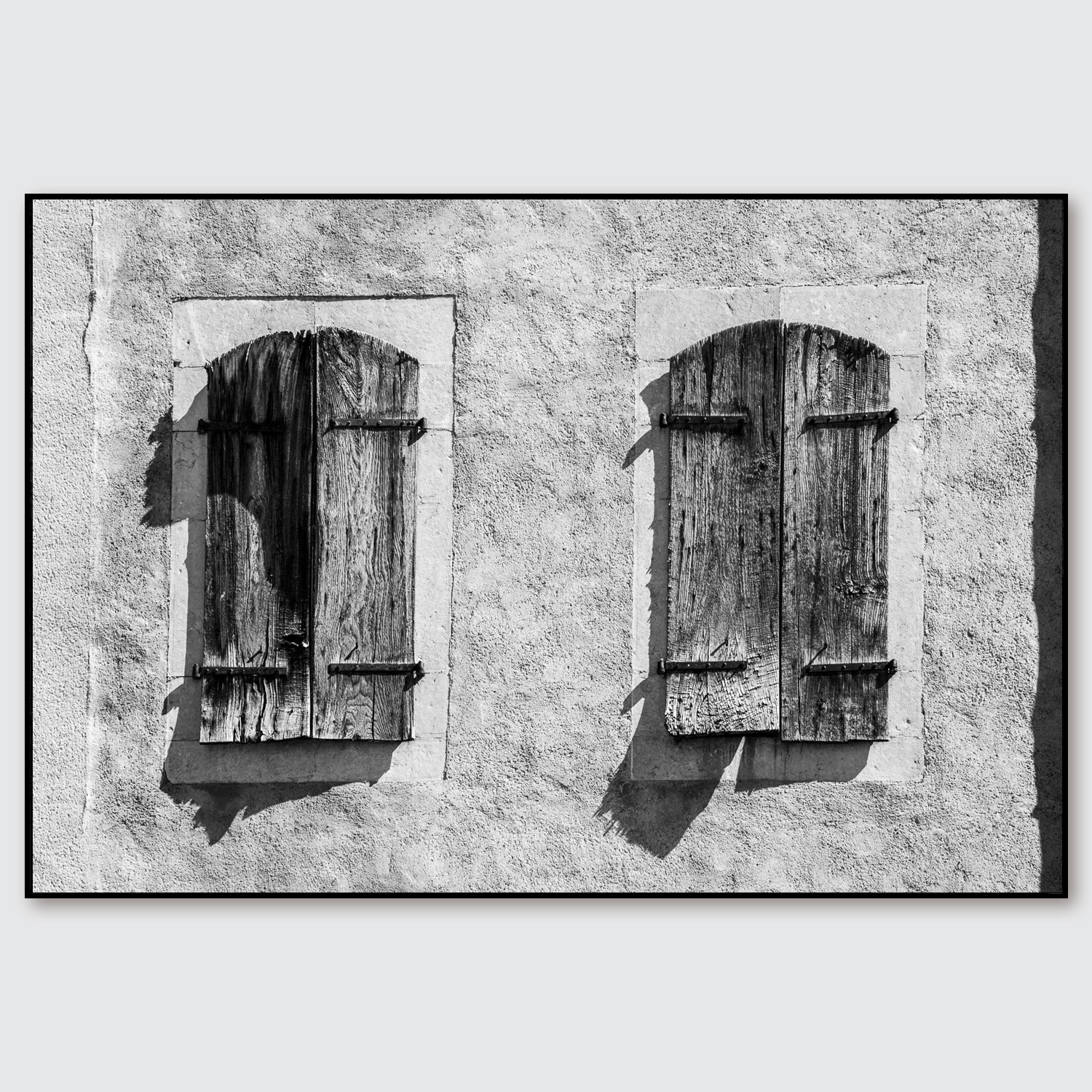
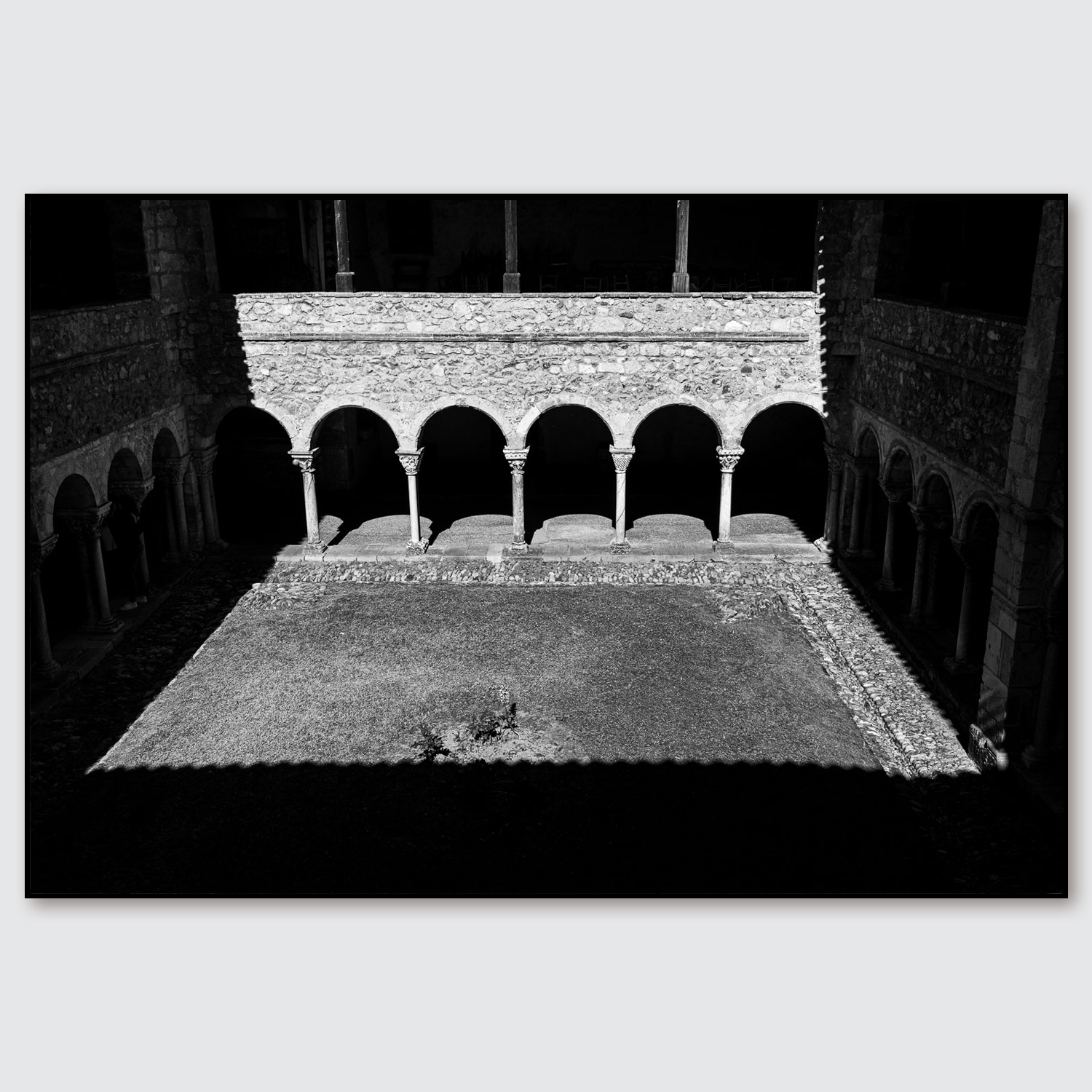
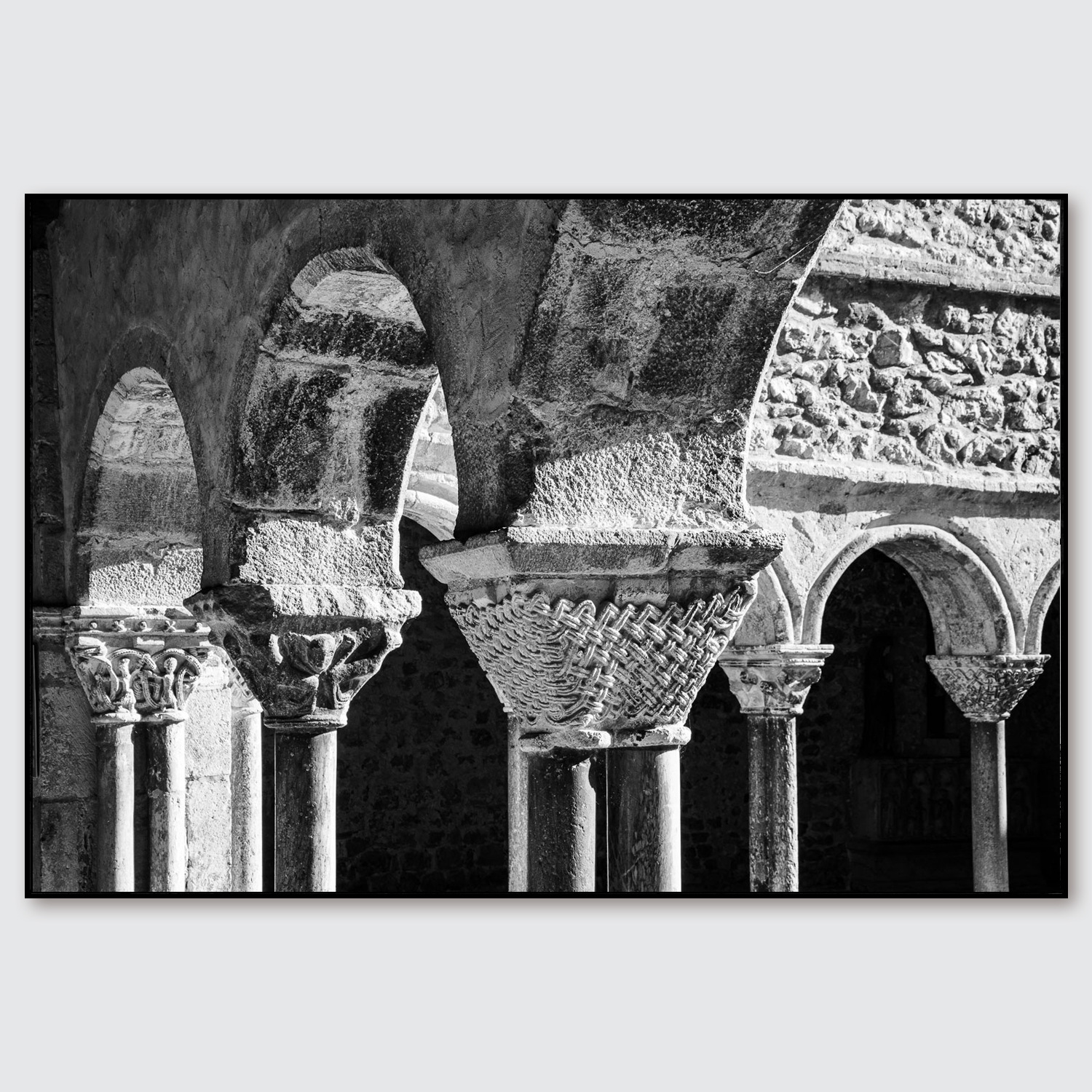
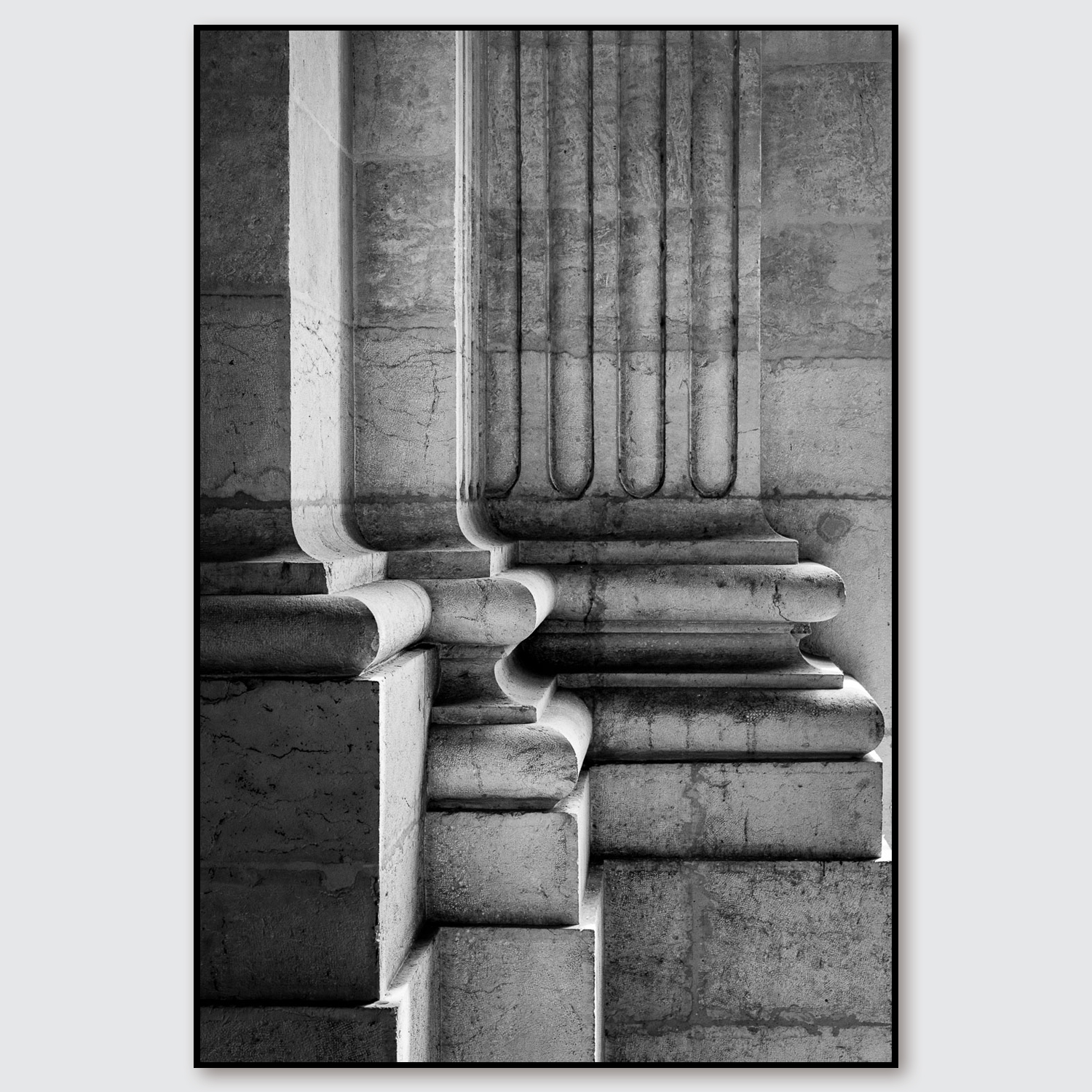
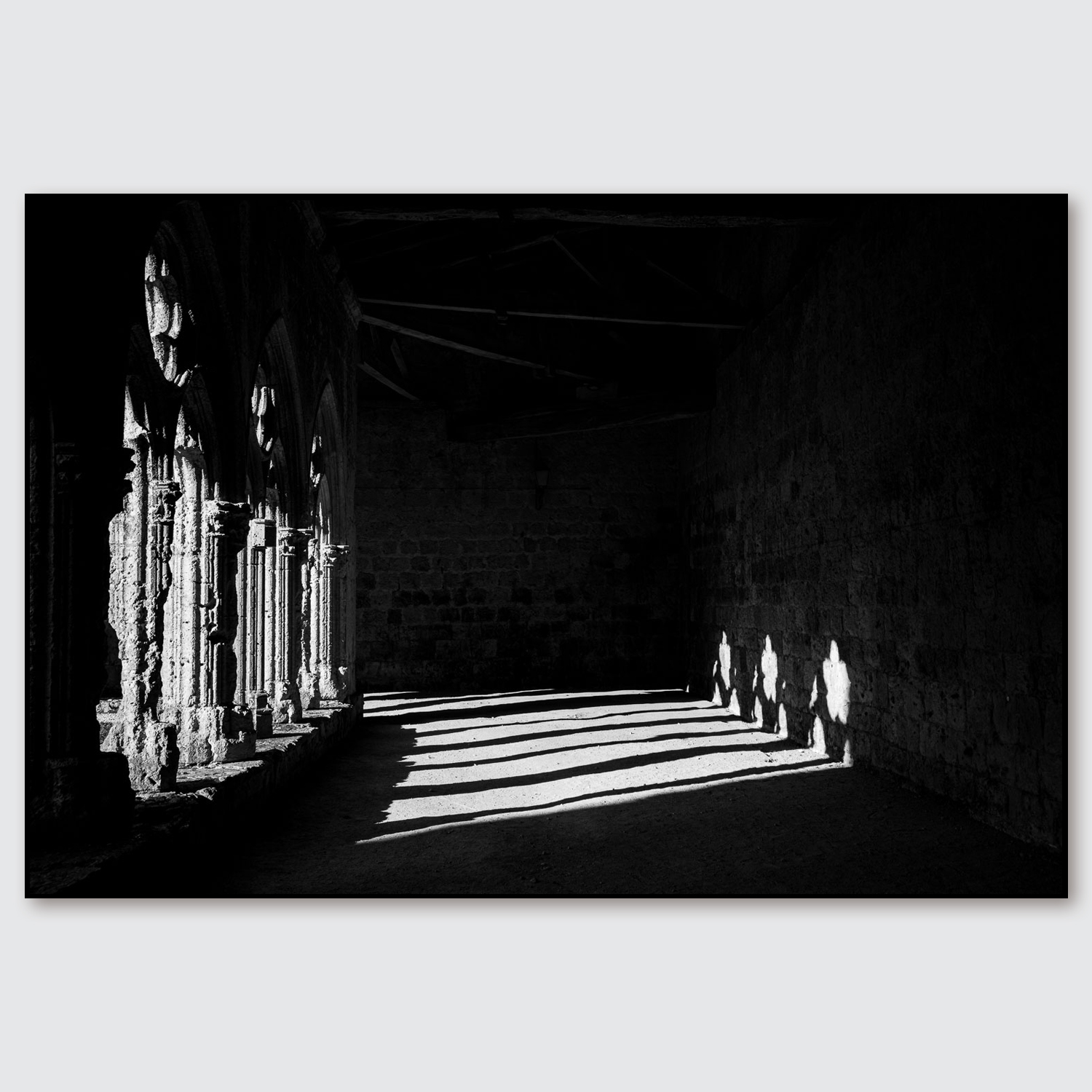
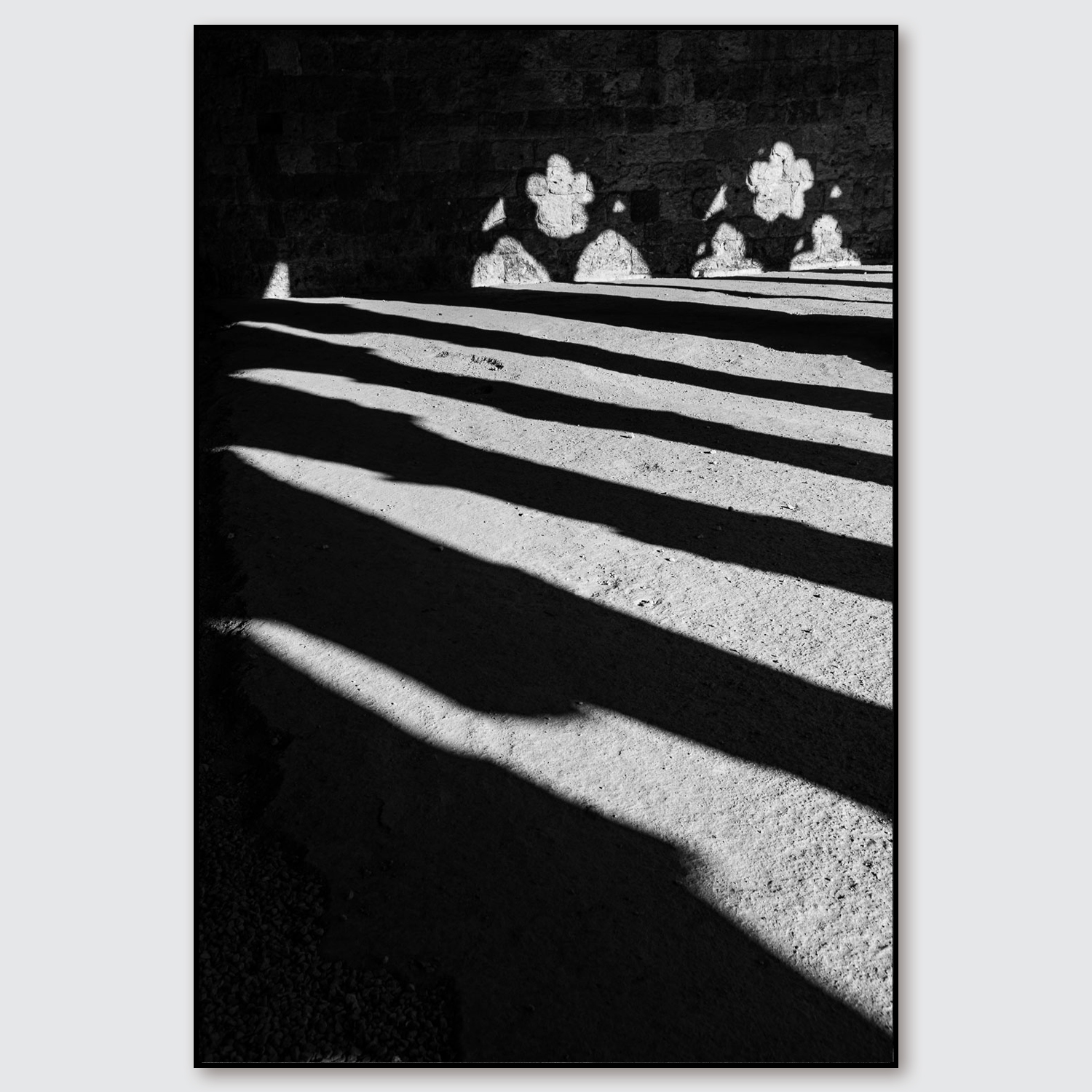
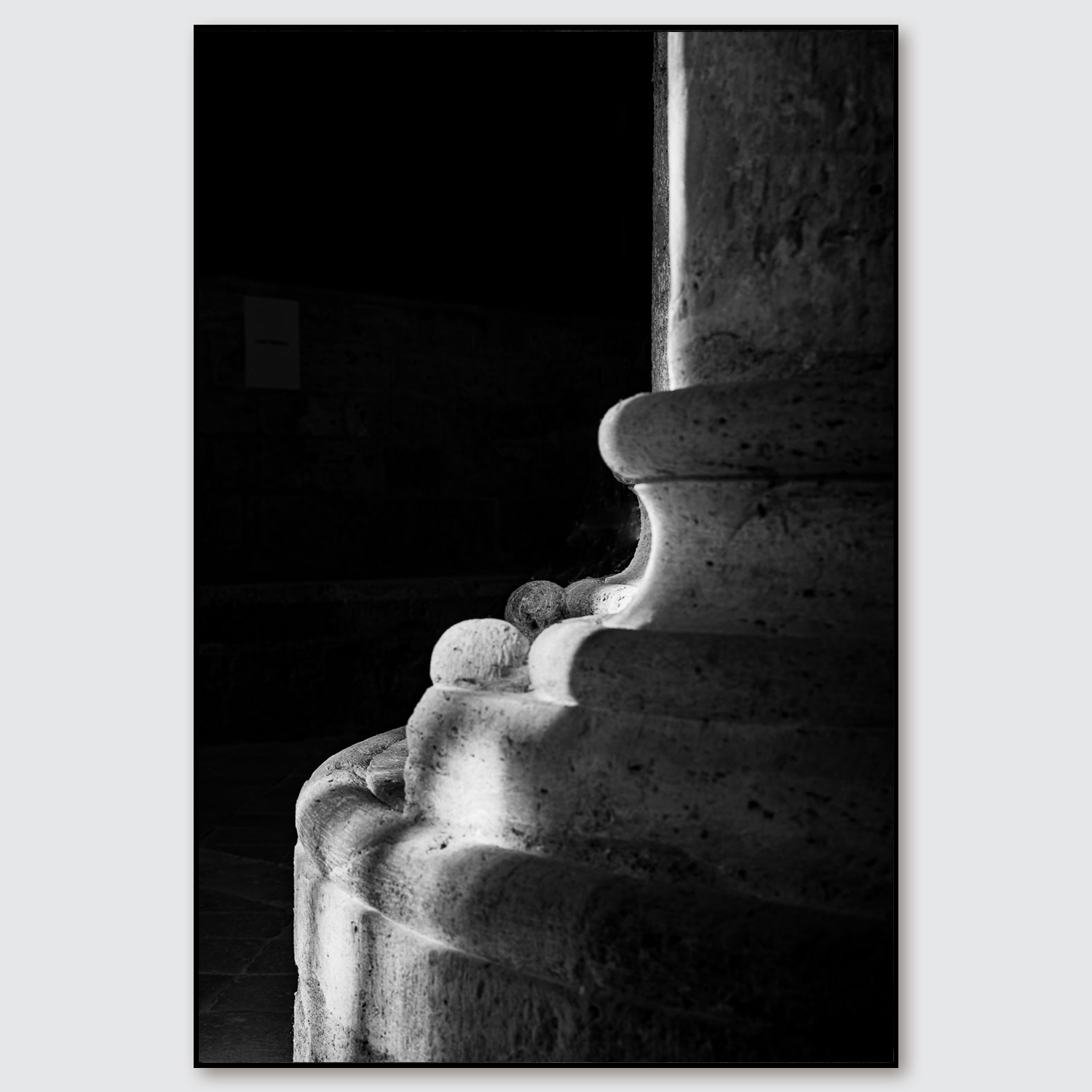
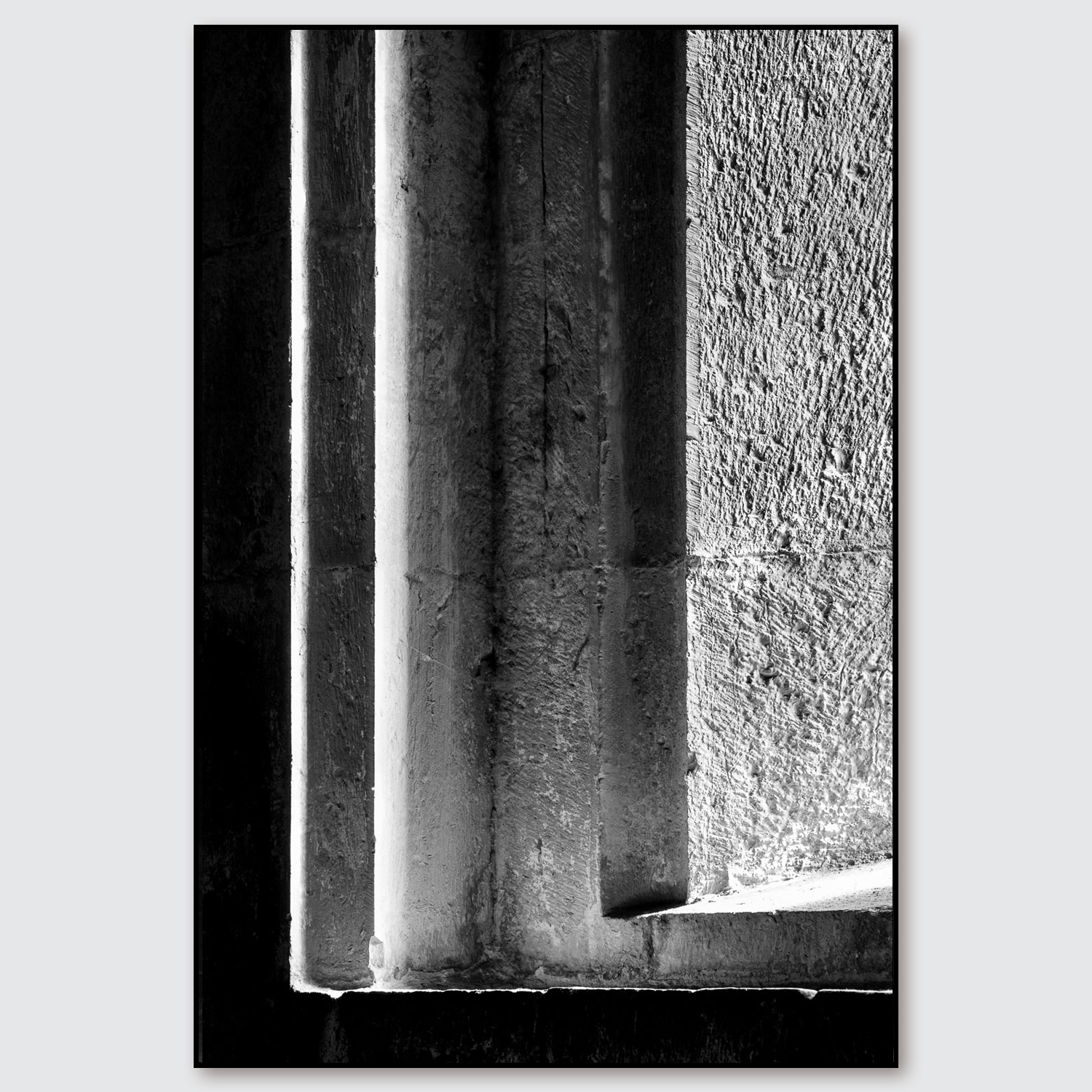
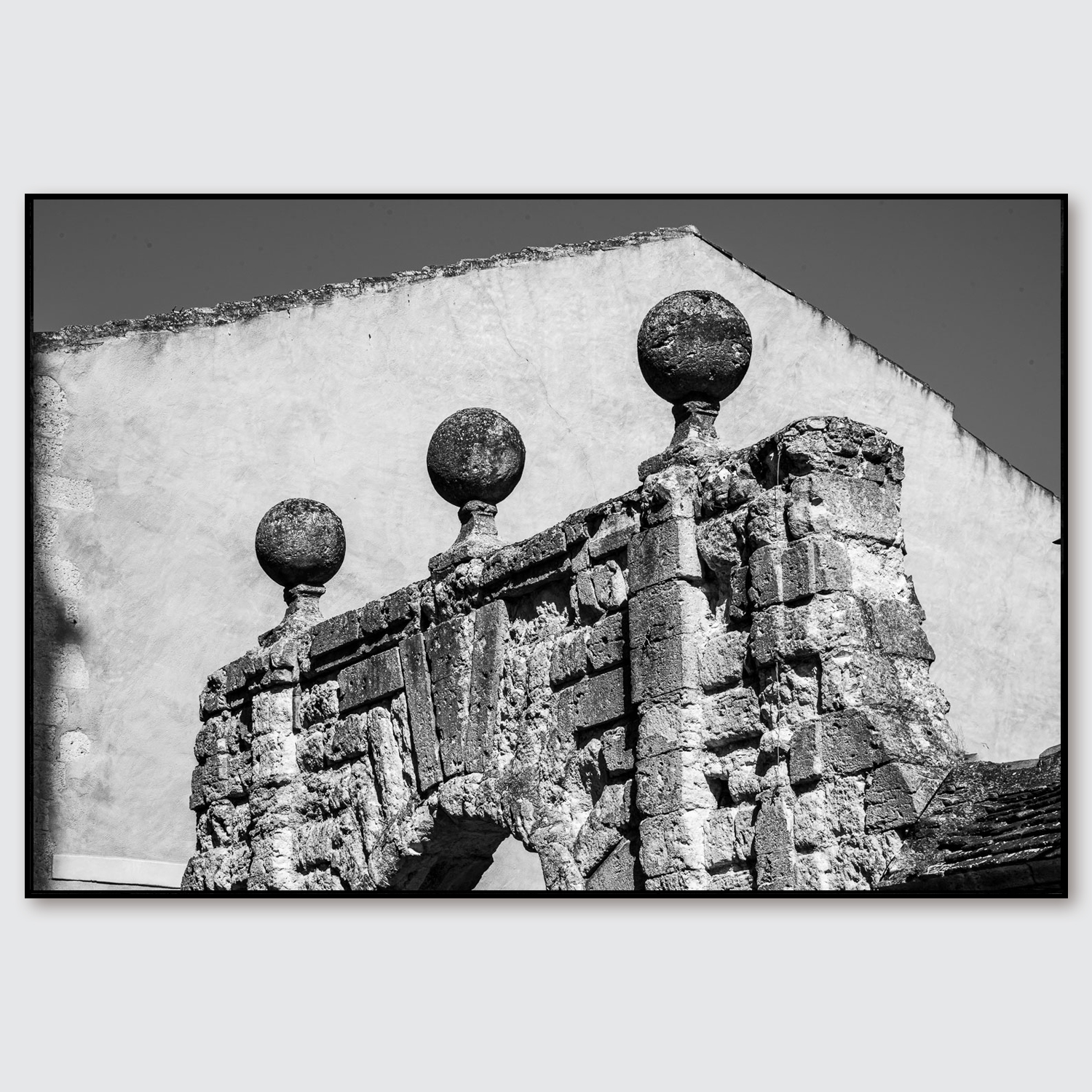
Black and white photograph of the Pyramid of Cestius by Ferrante Ferranti. The artist explores the vestiges of the past through the play of light and shadow created by the sun. With the soul of an archaeologist, this architect by training combines his photographic work with his passion for antiquity and the Baroque.
Length : 0.39 in / 1 cm
Height : 43.31 in / 110 cm
Width : 29.53 in / 75 cm
Weigth : 2.2 lb / 1 kg
Artist : Ferrante Ferranti
Technique: Black and white digital photography
Support: Fine Art Pearl paper laminated on dibond, black oak artbox mounting
Dimensions: 110 x 75 cm
Number of copies: 21, signed and numbered
Year: 2007
Inspiration: Erected between 18 and 12 BC as the tomb of the Roman magistrate Gaius Cestius, this pyramid is a unique example of the influence of Egyptian architecture in Rome, blending Nubian inspiration and Roman tradition in a white marble edifice nestled today within the walls of Aurelian.
In this image, Ferranti — with the sensitivity of an architect and a gaze forged by his passion for antiquity — highlights the bold geometry of the structure and the play of contrasts that sculpt its surface. The chiseled light reveals the texture of the marble and the pure lines of the monument, transforming a funerary form into a timeless presence.
Rather than simply reproducing a documentary image, the photographer captures the essence of the place: a monument at the crossroads of worlds, where shadow and light dialogue with stone and time.
Ferrante Ferranti
FRANCE
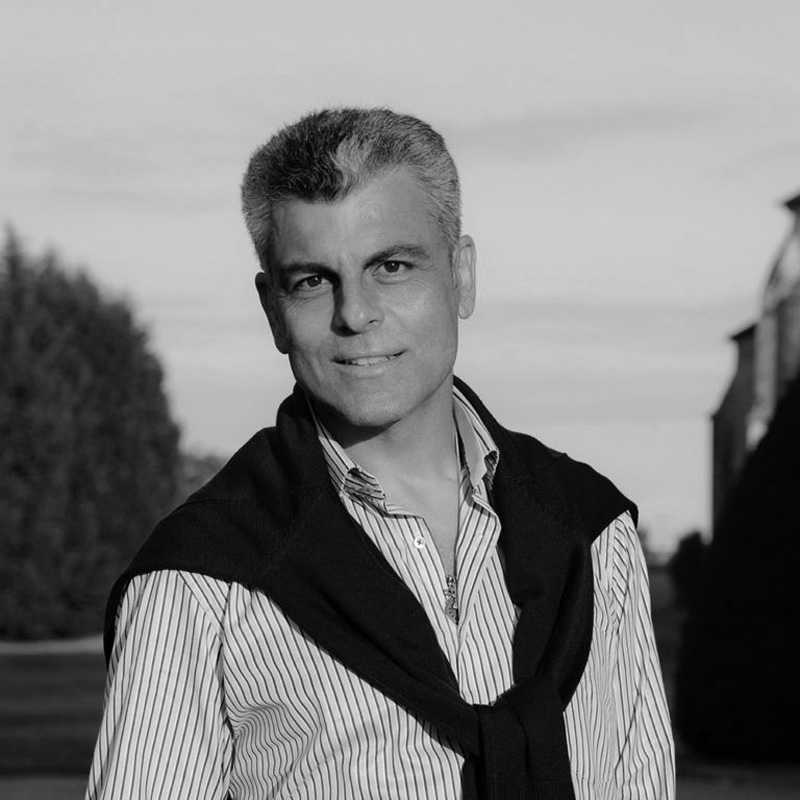
Born January 13, 1960 in Algeria, of a Sardinian mother and a Sicilian father. He took his first photograph at the age of eighteen, a wave in Belle-Île-en-Mer. Passionate about Fernand Pouillon’s book, Les Pierres Sauvages, he began training as an architect in Toulouse, which he completed at Paris-UP6 in 1985 with a diploma in Theaters and scenography in the Baroque era. Traveling photographer, he has been involved for thirty years with Dominique Fernandez in a joint exploration of the Baroque and the different layers of civilizations, from Syria to Bolivia via Sicily and Saint Petersburg. His photographs dialogue with the texts of the writer, who defines him in the album Itinerrances (Actes Sud, 2013) as “the inventor of a language which links the sun to the ruins, in search of the meaning hidden in the forms” .
Collection

Customizable
Customizable
Customizable
Customizable
Customizable
Customizable
Customizable
Customizable
Customizable
Customizable
Customizable
Customizable

Customizable

Customizable
Customizable
Customizable
Customizable
Customizable
Customizable
Customizable
Customizable
Customizable
Customizable
Customizable
Customizable
Customizable
Customizable
Customizable
Customizable
Customizable
Customizable
Customizable
Customizable